
Welcome to (Re)Discover Jazz!
This is an online course in jazz music and culture. It consists of 20 bite-size lessons that will teach you about jazz history, influences, eras, instruments, players, labels and scenes. For each day, you’ll find an assorted reading assignment and listening recommendations. Whether you’re a jazz newbie or a seasoned collector aspiring to fill some knowledge gaps – get started now!
Course Content
Week One: The Early History
Lesson 1: The Roots of Jazz

We’re diving right into the roots of jazz in African-American music and culture. Music writer Shannon Ali explores early precursors of jazz in the late 19th and early 20th century – blues, gospel, ragtime, and New Orleans big bands – and takes a deep look at the blues’ ongoing influence on jazz until today.
The Roots of Jazz (1880–1925)
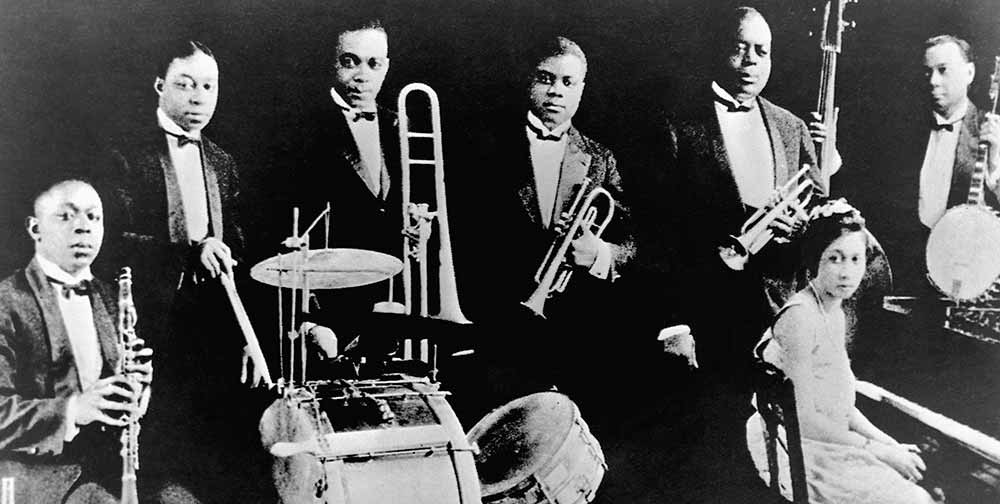
Learn about the roots of jazz music and culture from 1880 to 1925, from blues and gospel to ragtime and New Orleans jazz.
Focus Album
Further Reading
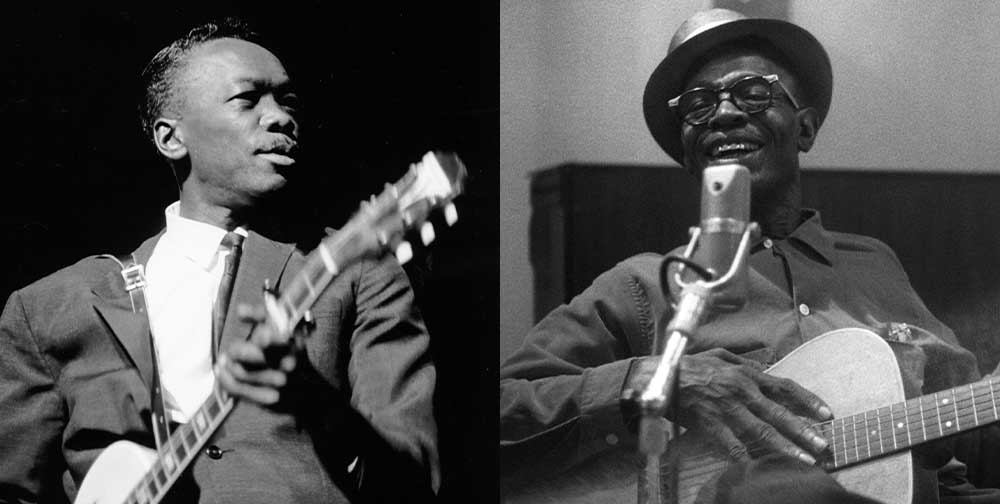
John Lee Hooker and Lightnin’ Hopkins – The Blues Roots of Jazz
The mid 1960s saw the height of the blues boom when white America finally opened its ears to an African American art form. The release of two albums in 1966 by John Lee Hooker “It Serves You Right to Suffer” and Lightnin’ Hopkins “Lightnin’ Strikes” demonstrated the umbilical connection between blues and jazz.
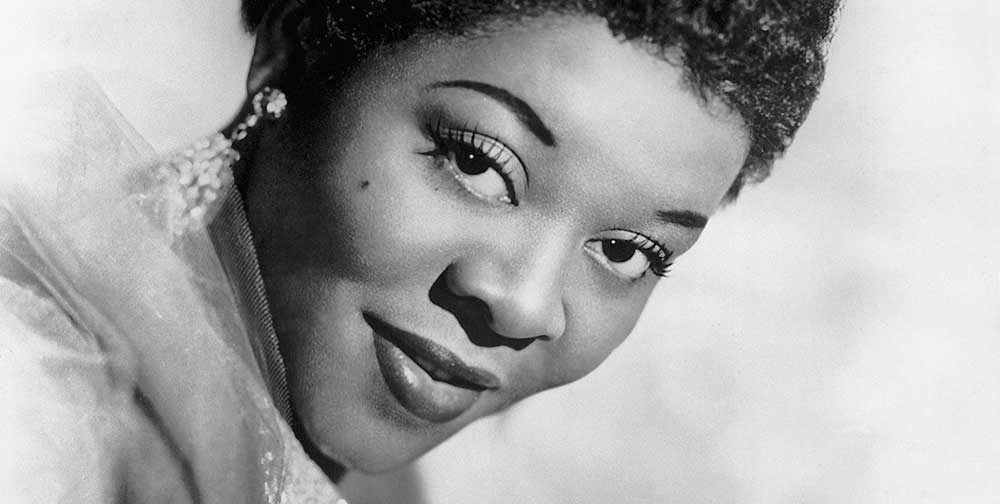
The life, loves and artistry of ‘Queen of the Blues’ Dinah Washington
Dinah Washington was one of the most distinctive voices of the 20th century, comparable to Ella Fitzgerald and Sarah Vaughan. Despite her tragically short life, her career was prolific and star studded. We explore what made the life and music of this gifted jazz singer so great.
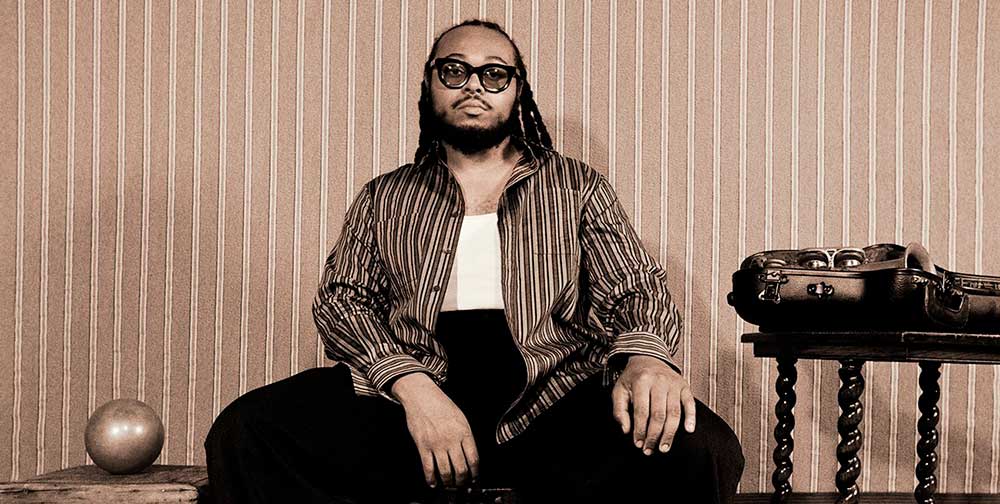
Immanuel Wilkins Finds Healing In The Blues
“Blues Blood”, the new and third album from Immanuel Wilkins for Blue Note, was produced by Meshell Ndegeocello. The young saxophonist tells Jane Cornwell how he felt inspired by Buddhist chantings, the Black experience, and the blues.
Lesson 2: The Dance Roots of Swing

We’re moving into the 1920s and 1930s swing era: Emma Warren explains the dance roots of jazz, and how swing music conquered Harlem clubs and ballrooms. We’ll be listening to some classic recorded examples by icons such as bandleader Duke Ellington, or singers Betty Carter and Ella Fitzgerald.
The Dance Roots of Swing
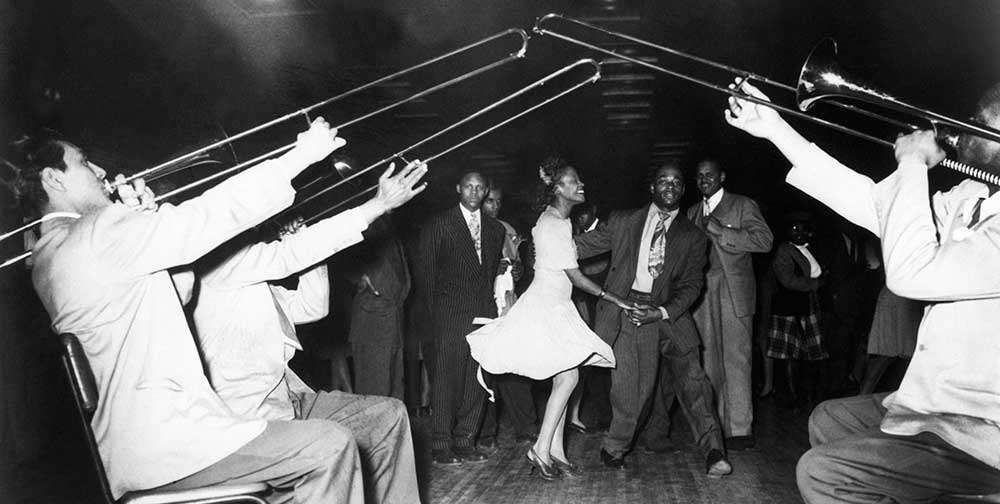
The dancers who flocked to the Savoy in 1930s Harlem provided a foundation for the genre that became jazz. EJ illuminates a hidden part of the history with these essential swing releases.
Focus Album
Further Reading
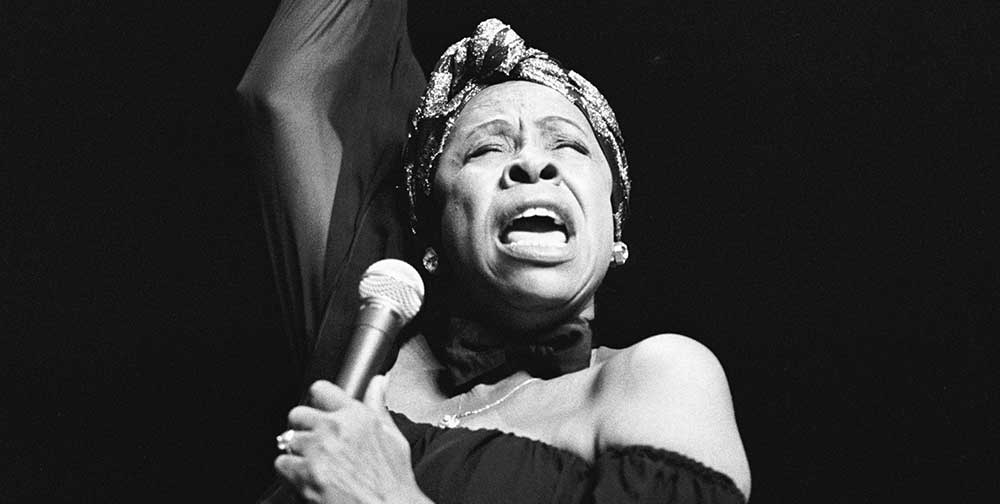
Betty Carter’s Big Breakout Moment
Betty Carter went from singing in Lionel Hampton’s big band to working with Charlie Parker to becoming a breakout solo star of the bebop era. Resolutely independent, preternaturally confident – her debut album “Out There” is an ode to blazing your own cosmic trail.
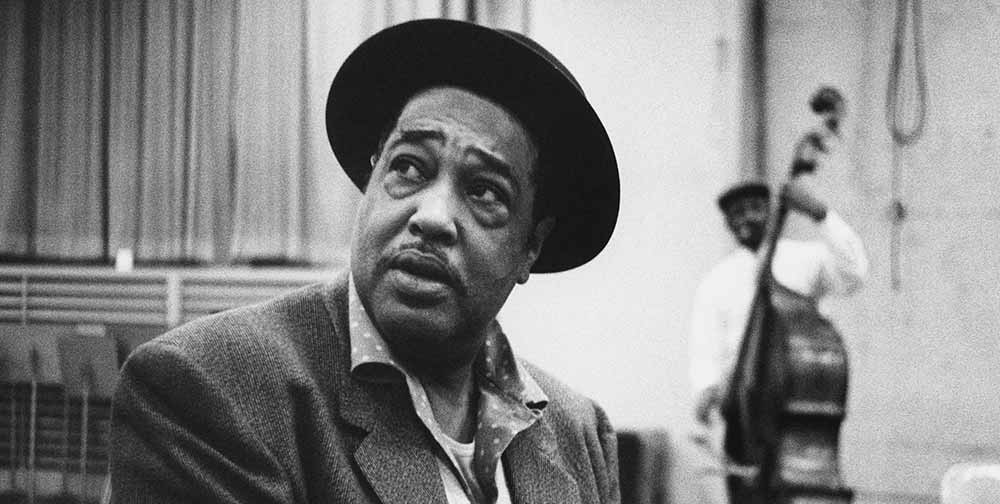
Money Jungle: When Duke met Mingus and Max
Noted for its creative tension, “Money Jungle” is regarded as one of the best jazz trio albums of all time. For this legendary recording, the lauded maestro Duke Ellington got into the studio with Charles Mingus and Max Roach. The resulting fiery album has been inspiring jazz listeners and musicians ever since.
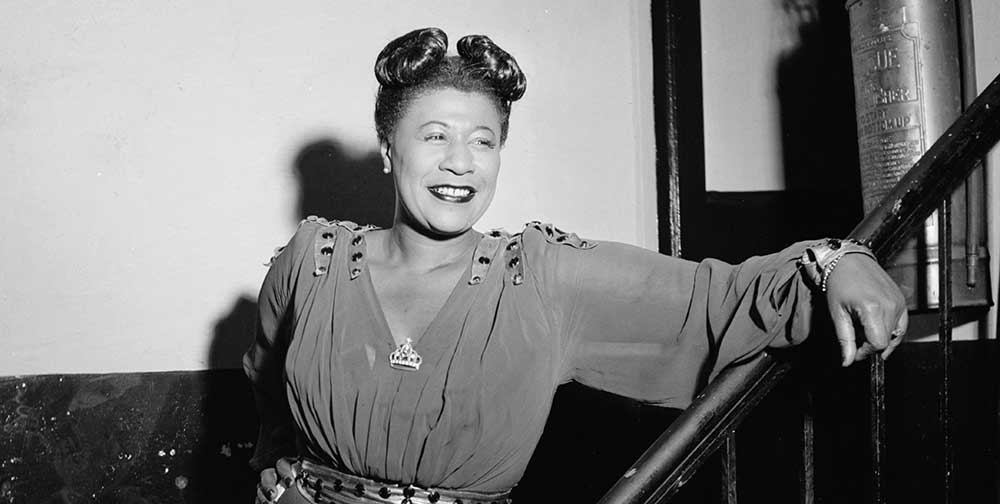
Jukebox Ella Vol 2 – Extending Ella Fitzgerald’s Catalogue
Ella Fitzgerald’s catalogue is an unending gift, a brand new box set of her singles, opens a new door on her career.
Lesson 3: The Great American Songbook

Broadcaster, journalist and singer Jumoké Fashola explains the enduring allure of the Great American Songbook. Jazz musicians and most notably singers of all eras have gone back to these classic tunes for a century – from all-time greats like Frank Sinatra and Billie Holiday to contemporary jazz stars like Samara Joy.
What is the Great American Songbook?
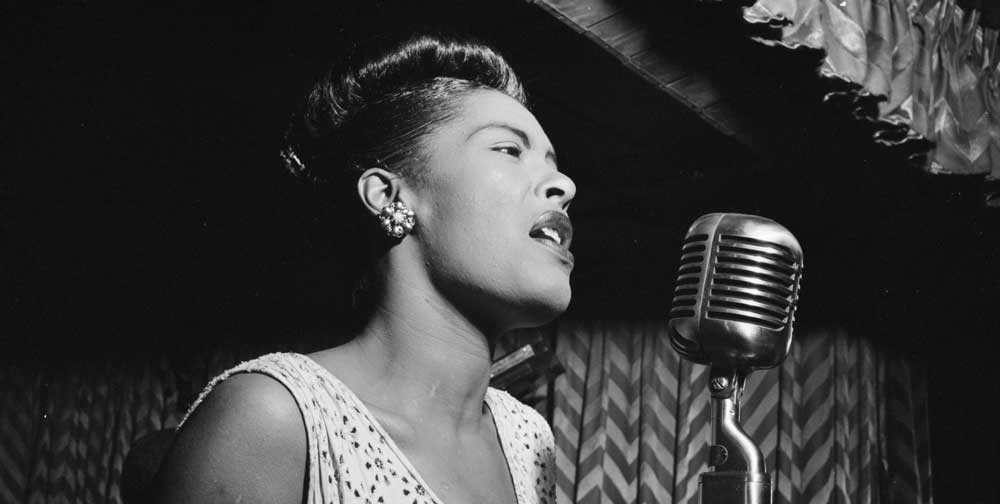
The Great American Songbook contains hundreds of songs, written over many years, and is essential learning for jazz musicians of all stripes, but where to start? Let us guide you through the essentials – from Ella Fitzgerald to John Coltrane.
Shop the Collection
Further Reading
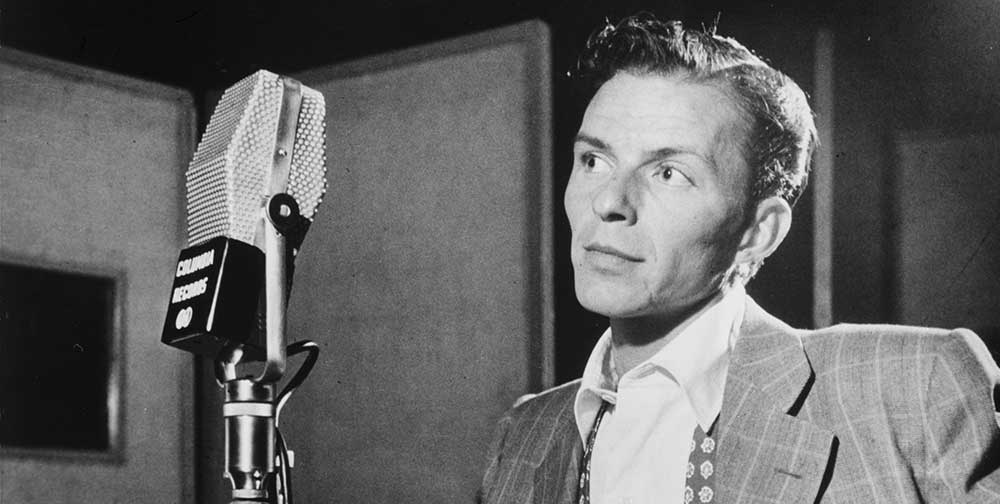
Frank Sinatra’s Best Collaborations
Frank Sinatra was a true musical giant who helped to define popular song, from his emergence in the late 1930s, up to his death in 1995. But, along the way, he had help from a pantheon of major musical artists.
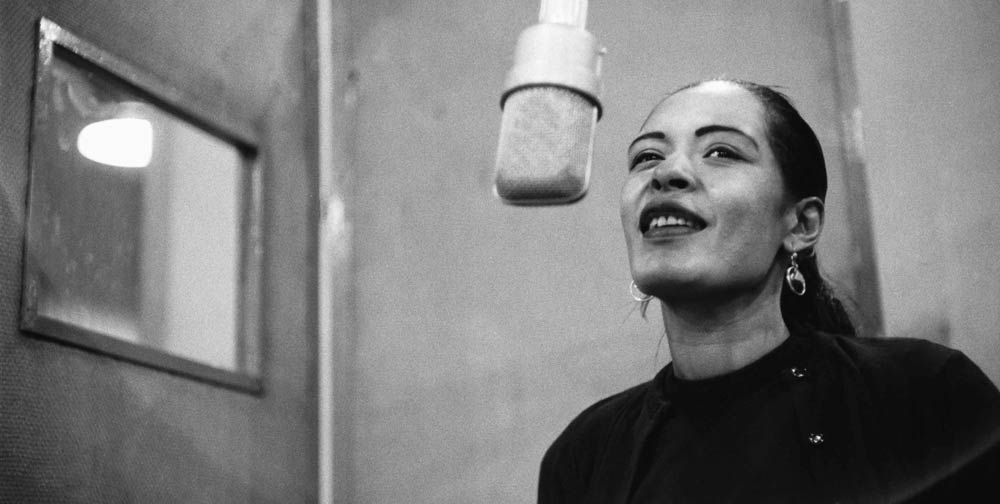
Billie Holiday: Lady Sings The Blues
Billie Holiday’s 1956 classic album “Lady Sings The Blues” was released in the same year as her controversial autobiography of the same name and featured her famous, final recording of the chilling “Strange Fruit”.

Samara Joy: A Royal Date For the Queen Of Jazz
As Samara Joy embarks on another huge world tour, she has a very special date in her sights – London’s Royal Albert Hall. Her set will celebrate the Great American Songbook – an essential collection of material from Broadway and beyond which forms the foundation of most jazz musician’s repertoire. She tells EJ about some of her favourites.
Lesson 4: The Jazz Standard

Similar to the Great American Songbook, Jazz Standards have remained staples for ambitious musicians throughout the decades. Andy Thomas explains how the Standards came to be, and Blue Note pianist Ethan Iverson answers if and why we should still play them, even if they’ve been interpreted so many times.
The Evolution of the Jazz Standard
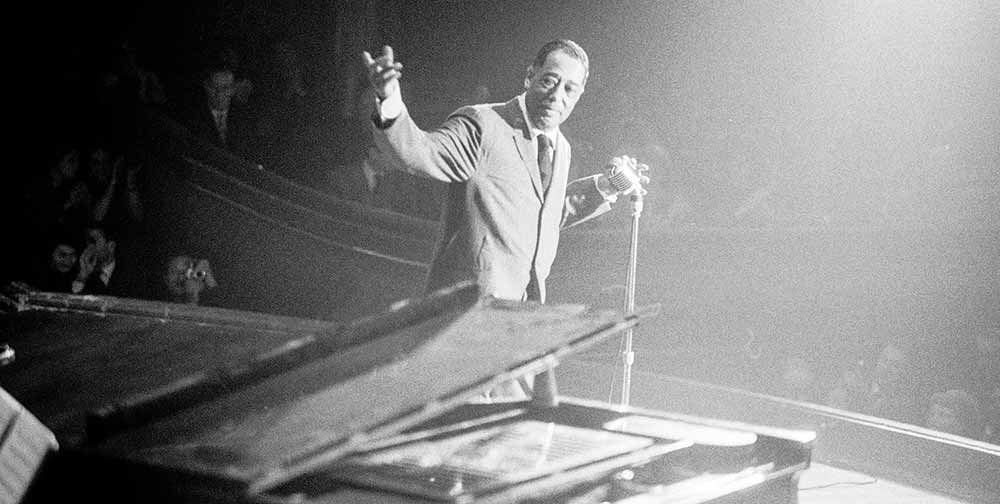
For all the evolutions and revolutions in the history of jazz, artists have also continued to take forward the tradition of the jazz standard. We’ve rounded up some of the most enduring standards on record.
Focus Track
Further Reading
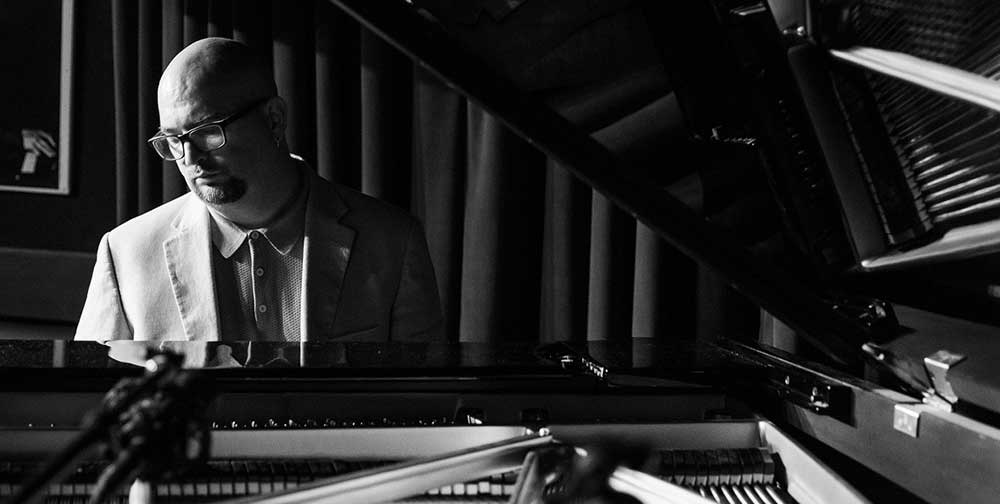
To Standard, or Not to Standard?
In the 21st century, why is anyone still playing jazz standards? For many musicians, it’s not what you play, it’s how you play it.

How The Piano Trio Democratised Jazz
Although jazz trios led by saxophonists, drummers, and organists also have a rich history, the jazz piano trio consisting of piano, bass, and drums is the most common setting. It’s a format rich in possibility, where each musician shares the spotlight. Learn more about some outstanding examples.
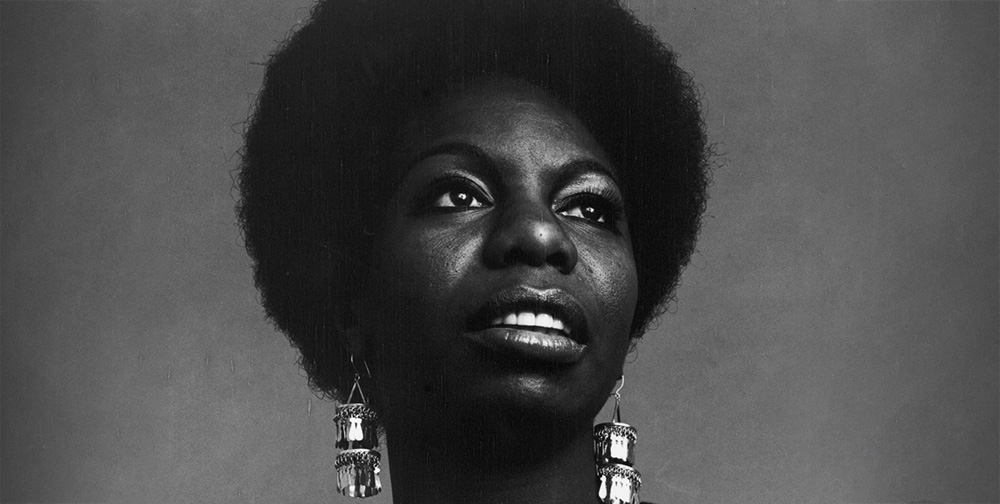
The Soul of Miss Simone
Ninety years after her birth, Jeffrey Boakye reassesses Nina Simone’s musical and cultural legacy.
Lesson 5: The Birth of Modern Jazz

The birth of Modern Jazz was a creative earthquake: Renowned music journalist Kevin Le Gendre recounts the story of the rise of the bebop genre in the 1940s. With in-depth looks at the works of Charlie Parker, Thelonious Monk and Bud Powell, we are covering some of the greatest innovators of that era.
Joining the Bops 1/3 – Bebop
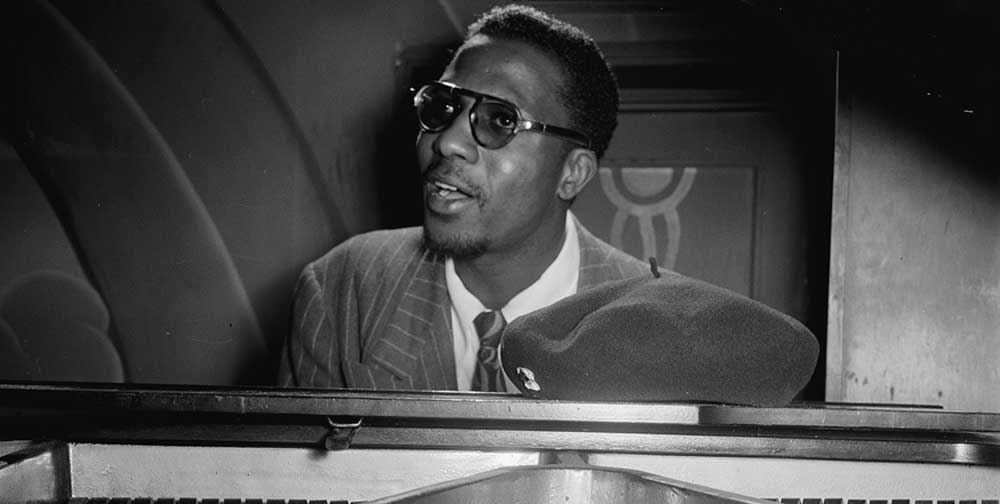
Can’t tell your hard bop from your post bop? Let EJ be your guide through this musically rich and crucially important period in jazz history, with the defining albums to build your bop collection.
Shop the Bop Collection
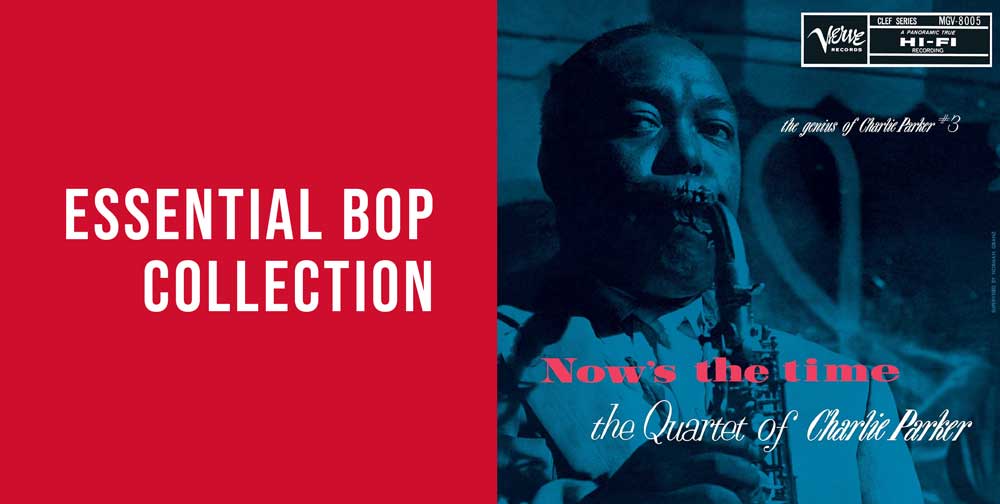
Further Reading
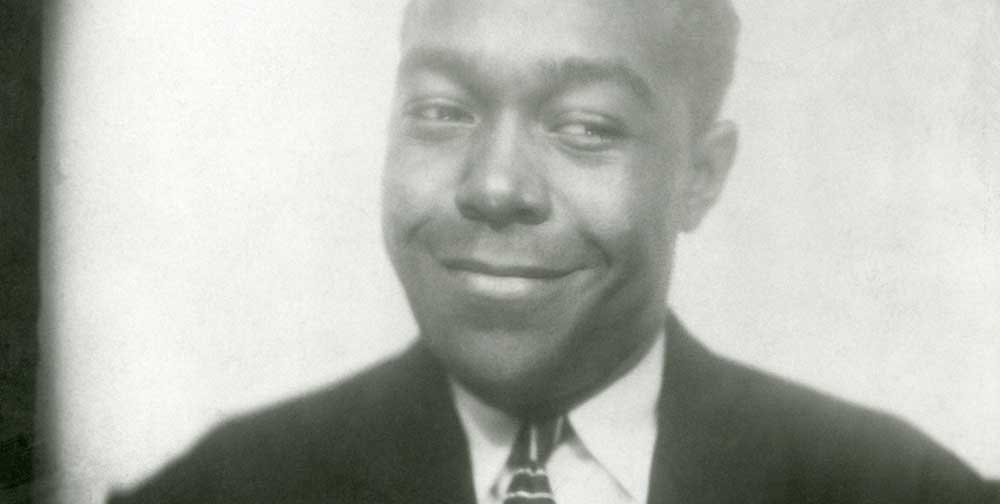
The building blocks of Bebop: Bird In Kansas City
Before he gained his reputation as the fleetest, most creative alto saxophonist in jazz, Charlie Parker was a gifted young saxophone player learning his trade in his hometown of Kansas City. Writer and jazz historian Chuck Haddix transports us to a key moment in Charlie ‘Bird’ Parker’s musical development.
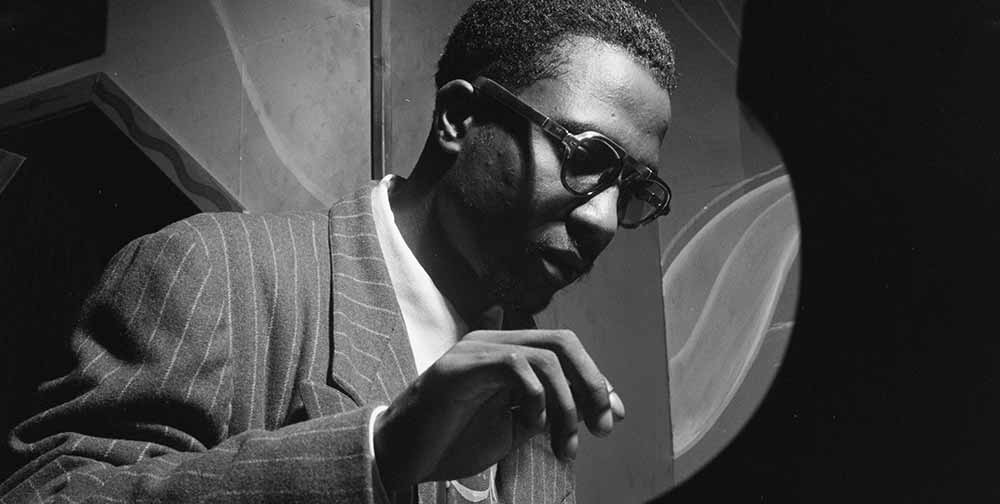
Thelonious Monk: Genius of Modern Music
When Monk showed up on the scene in the 1940s, his wildly innovative style initially divided jazz listeners: Some couldn’t stand his playing, others declared him a “Genius of Modern Music”. Luckily, Alfred Lion of Blue Note was among the latter crowd. Everything Jazz has the background story on Monk’s groundbreaking album recorded between 1947 and 1948.
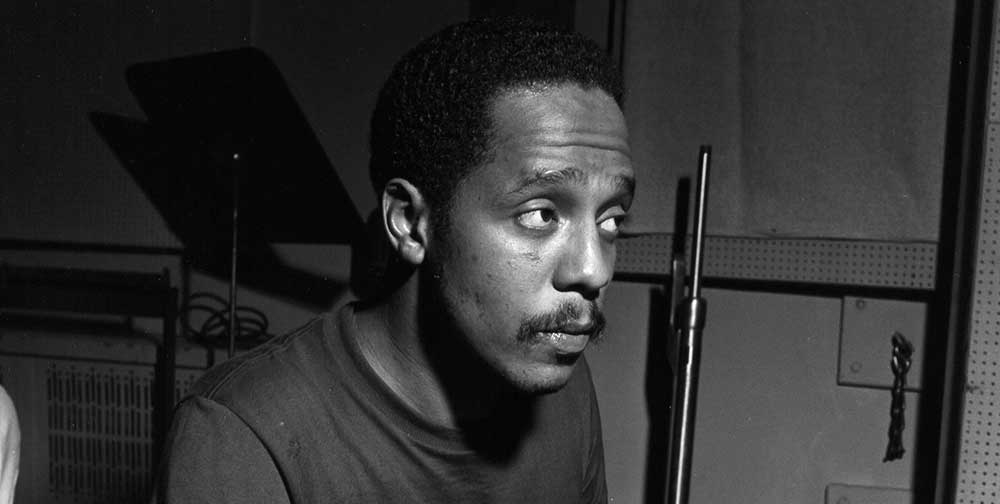
How Bud Powell inspired bebop greatness
“The Amazing Bud Powell Vol. 1” captured the genius bebop pianist in full flow, deconstructing the jazz idioms of the day and hurtling with them into a brave new future. In solo, trio and quintet settings, Powell pushed the music and musicians to the limit, caught up in the whirlwind of his right hand.
Week Two: The Classic Eras
Lesson 6: Hard Bop

Starting off the second course week, Kevin Le Gendre continues his journey through “the bops” by looking at the evolution from bebop to hardbop in the early 1950s. In our deep dive section, you’ll explore hardbop masterpieces by Clifford Brown and Lee Morgan, and west coast cool jazz icon Chet Baker.
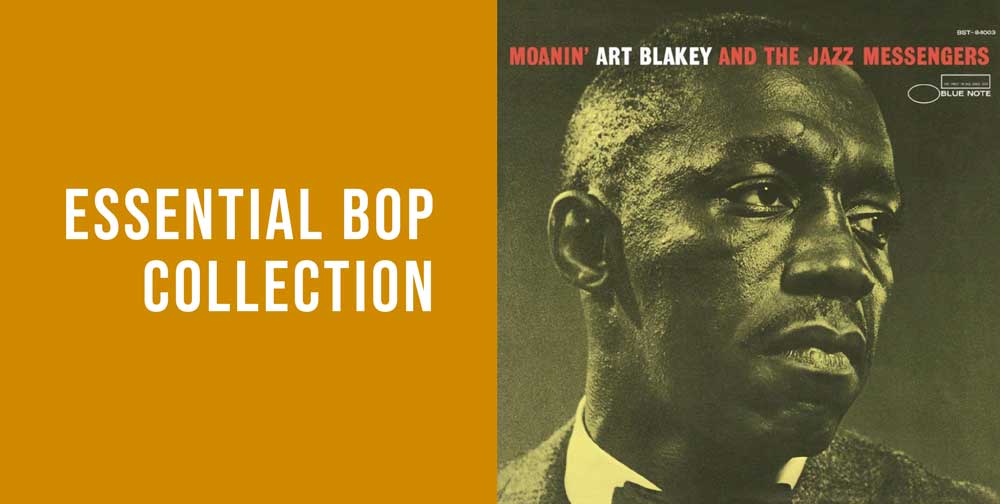
Joining the Bops 2/3 – Hard Bop
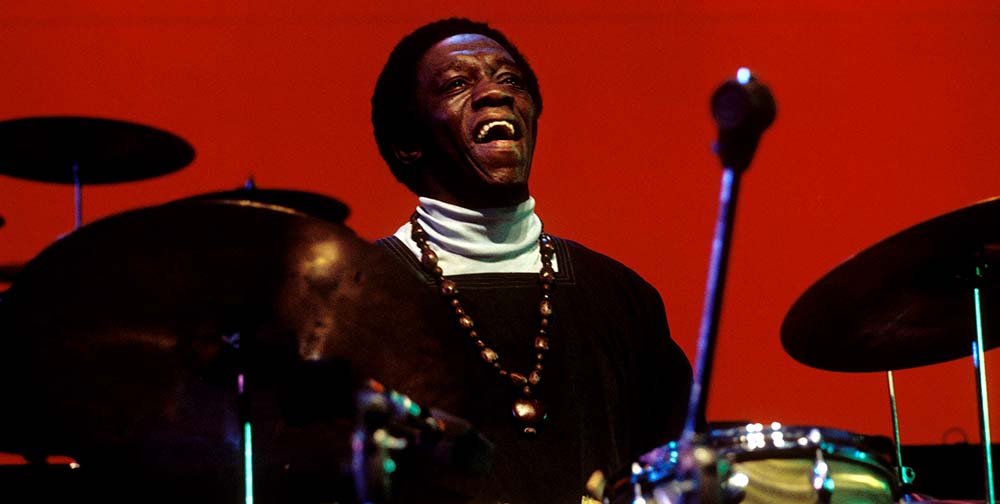
Jazz fans new and old are often puzzled by the difference between bebop and post bop, but with careful listening – and the right records, it gets much easier.
Shop the Bop Collection
Further Reading
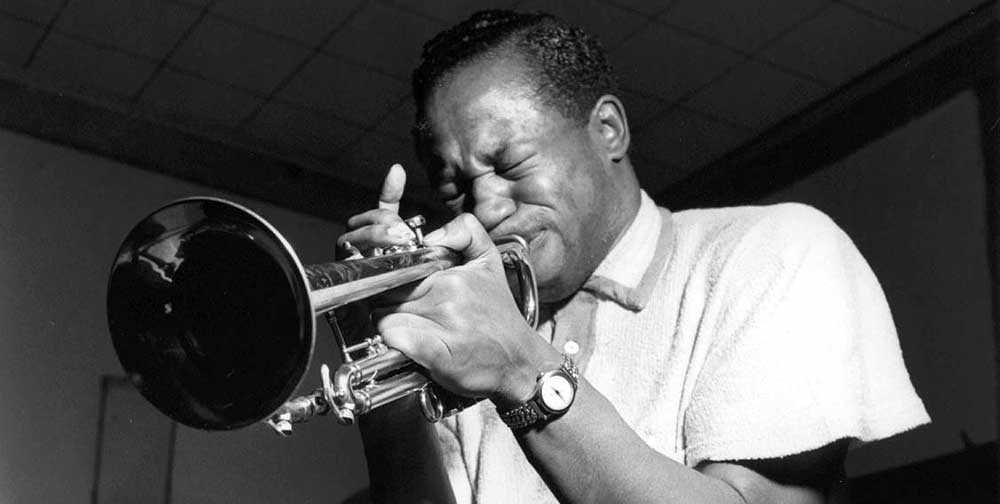
Clifford Brown and the roots of hard bop
The Clifford Brown “Memorial Album” captures the young trumpeter in his first date as band leader, shaping the roots of hard bop before he formed his influential group with Max Roach.
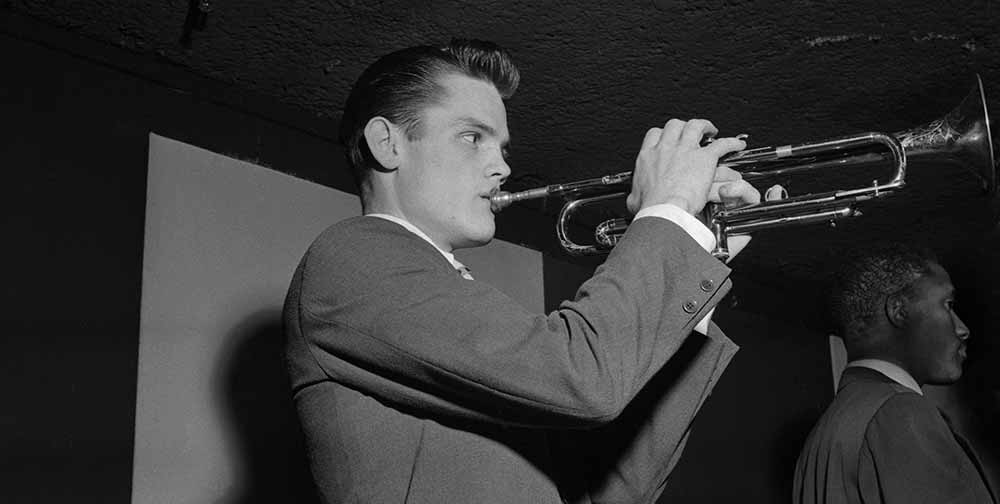
Chet Baker’s Bittersweet Life in Music
Chet Baker was always destined to be an icon, with his movie-star good looks and effortlessly tender musicality. But his beautiful voice and soft trumpet tone were in contrast to a harrowing personal life. Learn more about the music that soundtracked his bittersweet life story.
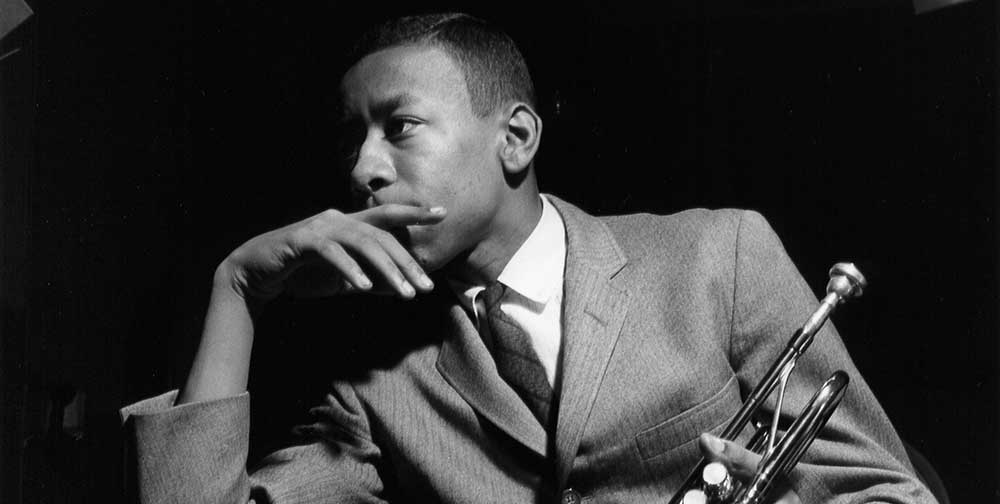
Lee Morgan’s The Sidewinder turns 60
The young trumpet tyro assembled a phenomenal band and some classic compositions to produce one of Blue Note’s biggest hits. “The Sidewinder” celebrates its 60th anniversary in July 2024.
Lesson 7: Post Bop

Keeping the energy level up as we move from hardbop to post-bop after the turn of the 1960s. We’re listening to some classics by Andrew Hill and John Coltrane, and taking a look at a selection of progressive releases by bop veterans exploring new directions. Post-bop remains one of the most popular jazz subgenres until today.
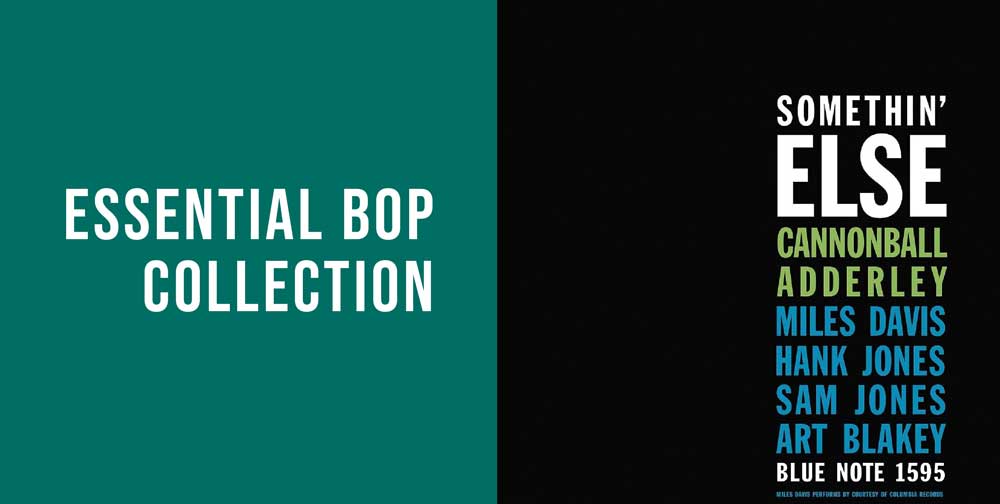
Joining the Bops 3/3 – Post Bop
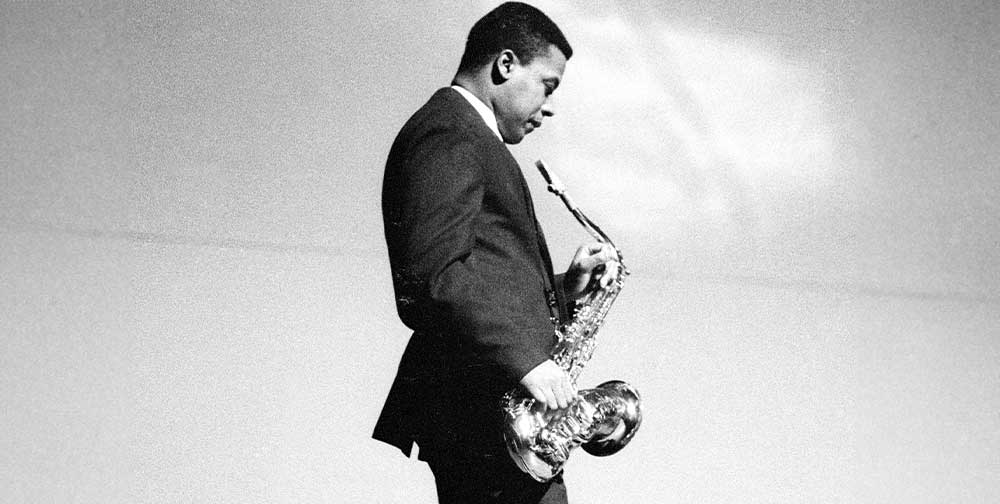
The highly fruitful bebop and hard bop years gave way to one of jazz’s most innovative eras: post bop. Learn more about the chapter in jazz history that’s overflowing with classic albums.
Shop the Bop Collection
Further Reading
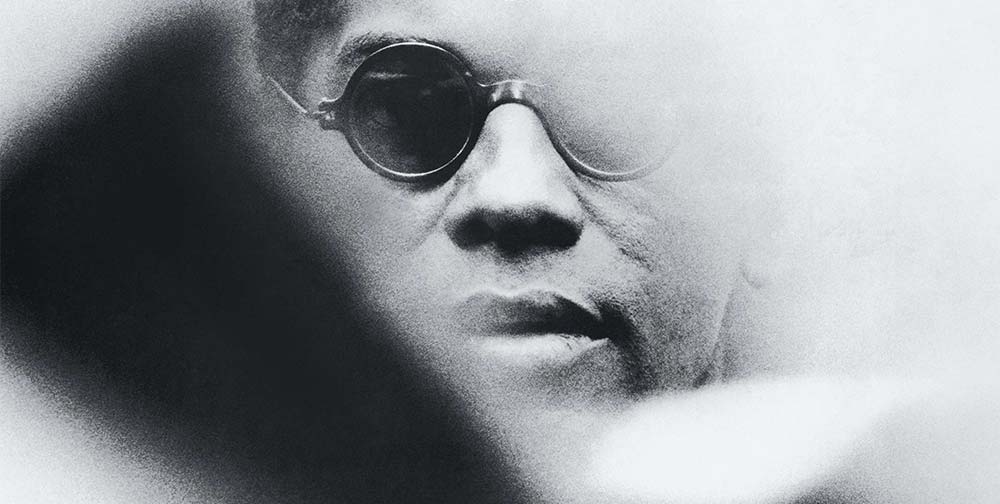
Andrew Hill’s Point of Departure is still light years ahead
Pianist and composer Andrew Hill’s jazz masterpiece “Point of Departure” gets lovingly reissued, shedding some light on the jewel in the crown amidst his flurry of albums for Blue Note in the mid-1960s.
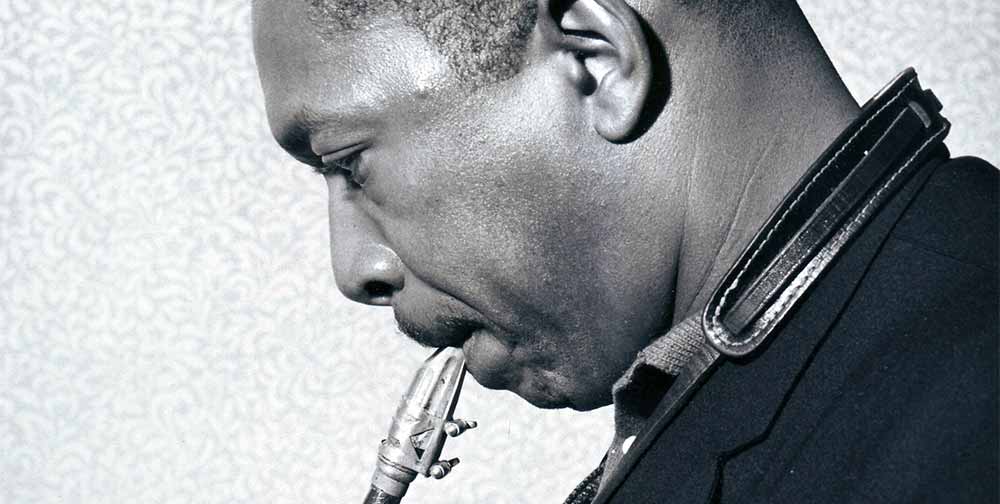
John Coltrane – A Love Supreme at 60
John Coltrane’s “A Love Supreme” is an essential record – from any genre. 60 years on from its release Ashley Kahn reflects on its inception and reception.
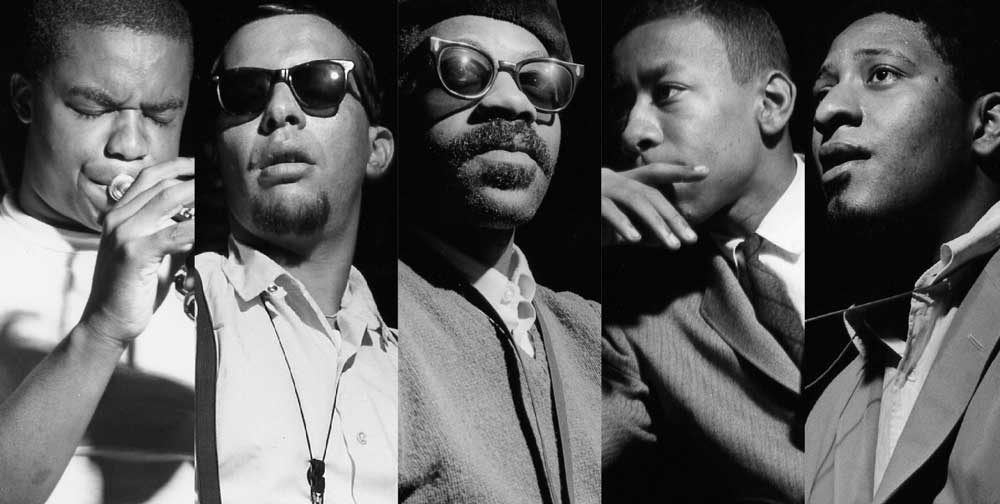
Destination… Out! – Hard Bop Icons Embracing the New Thing
If you enjoy the swing of hard bop but are open to new compositional ideas and musical influences, these five 1960s albums by accomplished bop icons might be just to your taste.
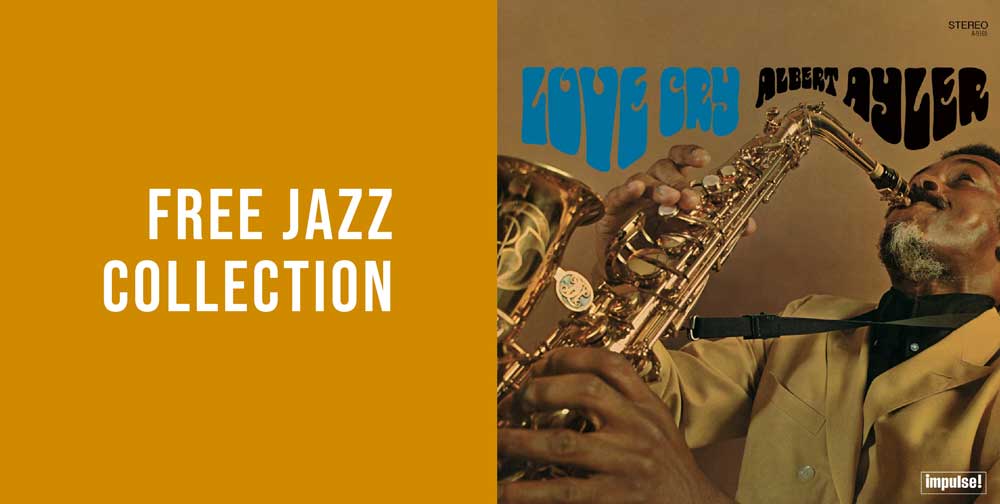
Lesson 8: Free Jazz

A controversial style even among jazz lovers, free jazz was developed in the late 1950s and early 1960s by innovators such as Ornette Coleman and Cecil Taylor, Archie Shepp and Albert Ayler. Music journalist Daniel Spicer teaches you “How To Be Free”, meaning: how to actually get into free jazz.
How to Be Free
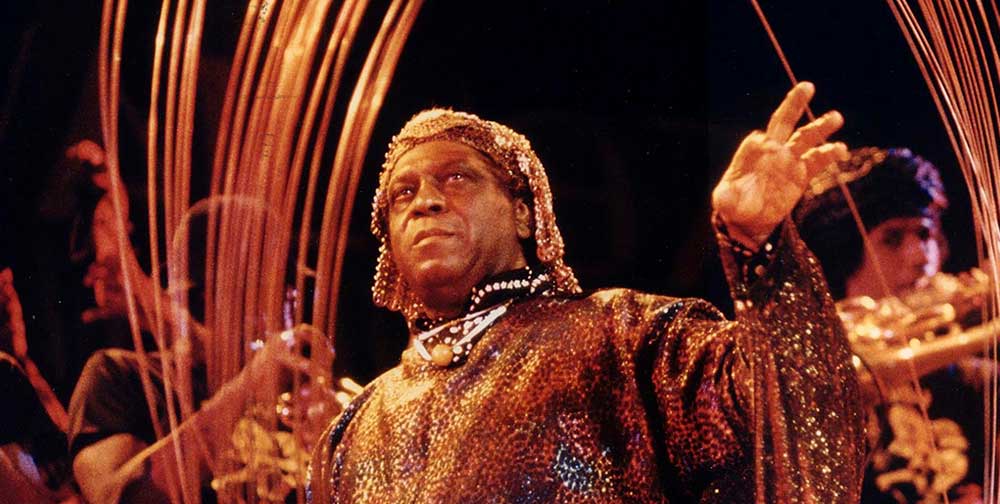
Read the EJ guide to the best albums to become a free jazz listener.
Shop the Free Jazz Collection
Further Reading
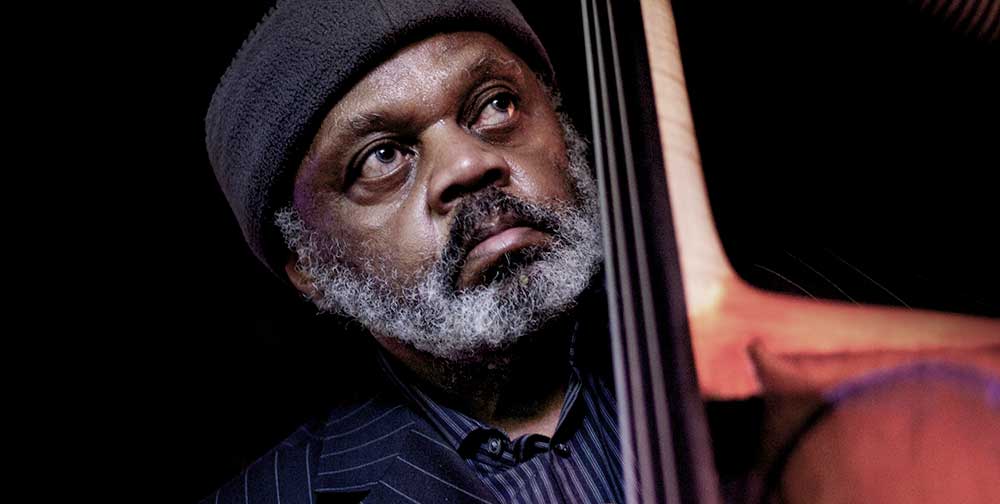
John Henry Grimes – Lunch With The Disappearing Jazz Legend
The life of bassist Henry Grimes is one of the most mysterious in jazz. From his heyday at the forefront of New York City’s jazz scene in the late 1960s, he entered into a creative exile, slipped into obscurity and was presumed to have died. Until he staged a spectacular comeback 30 years later.
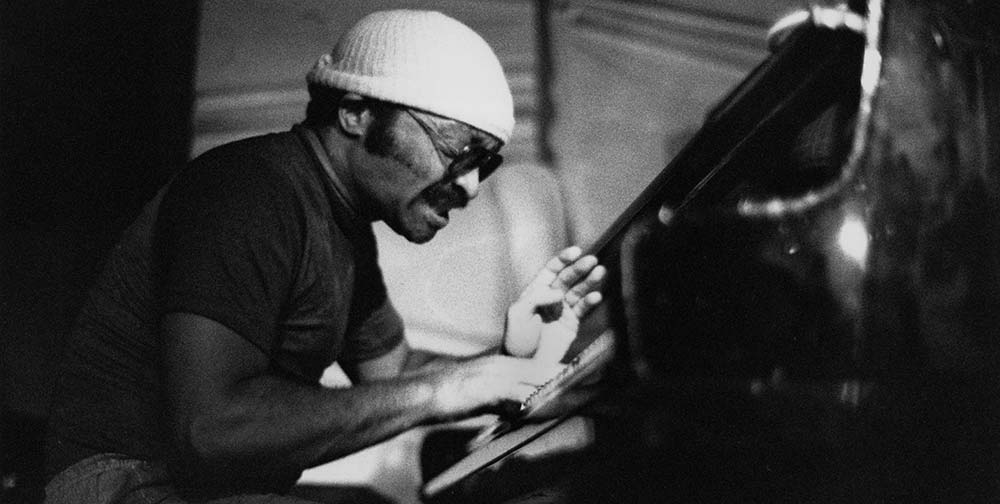
Unit Structures: Cecil Taylor’s Atonal Jazz
Finding beauty in the avant-garde pianist’s chaotic Blue Note debut.
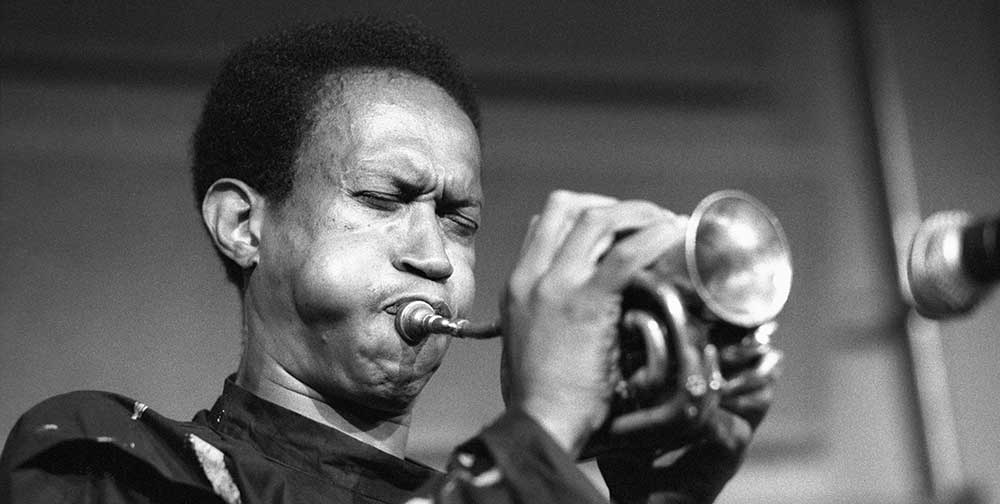
Don Cherry’s Groundbreaking Debut Gets The Tone Poet Treatment
Don Cherry’s “Complete Communion”, originally released in 1966, is finally reissued in Blue Note’s Tone Poet audiophile series. A trailblazing work of free group improvisation, his debut as a leader had a deep impact on the history of experimental music.
Lesson 9: Spiritual Jazz

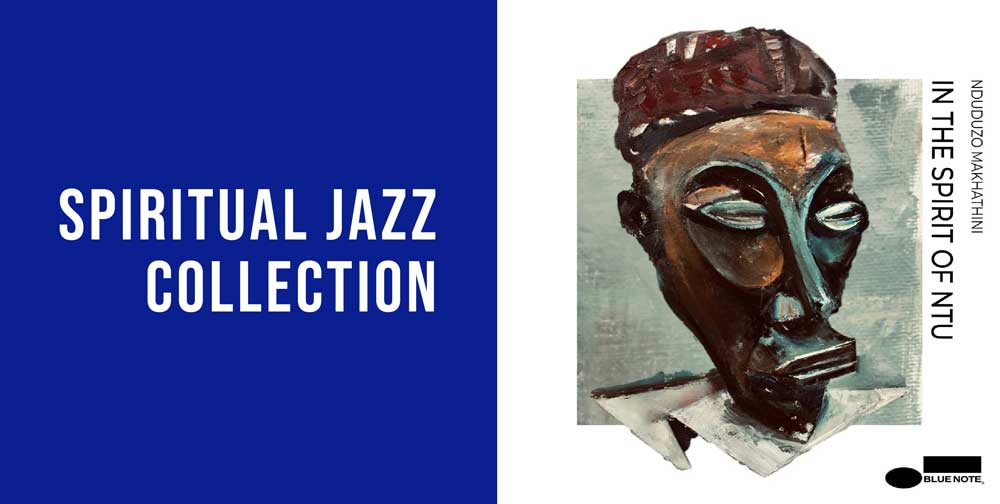
We’re breaking down a misunderstood term, as Daniel Spicer explains the features of what’s often called ‘spiritual jazz’, a style that has seen a huge resurgence in the last decade. Since the days of Alice Coltrane and Pharoah Sanders, this subgenre has been shaped by a very specific instrumentation and a mystical-religious edge.
What’s Spiritual Jazz?
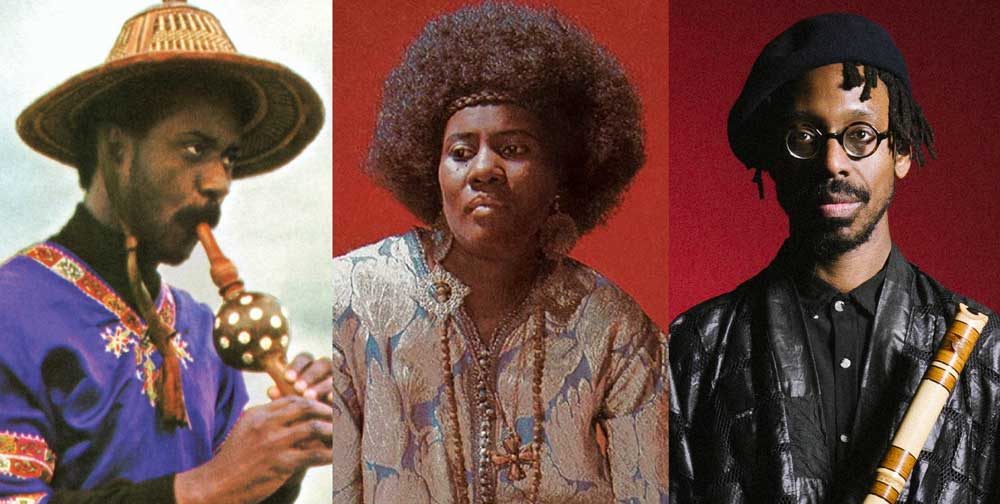
In some ways, spiritual jazz is a redundant term. Isn’t all jazz – from the joyous stomps of Louis Armstrong’s Hot Five to the vertiginous leaps of Charlie Parker – an essentially spiritual music?
Shop the Spiritual Jazz Collection
Further Reading
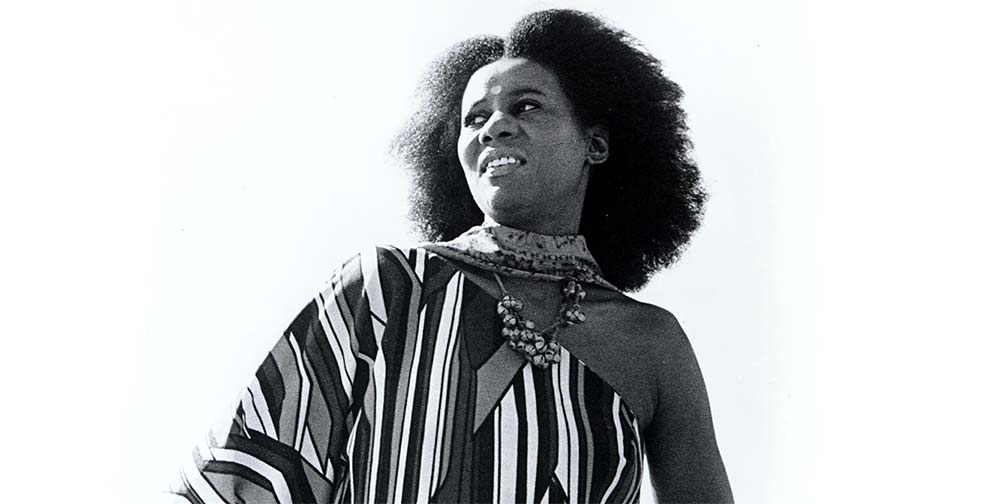
Alice Coltrane: The Artist in Ascension
In the early 1970s, whilst grieving her husband John, Alice Coltrane was on a journey of spiritual and musical growth. A newly released recording charts a special night of music and fundraising at New York’s Carnegie Hall, this is the story of its inspiration.
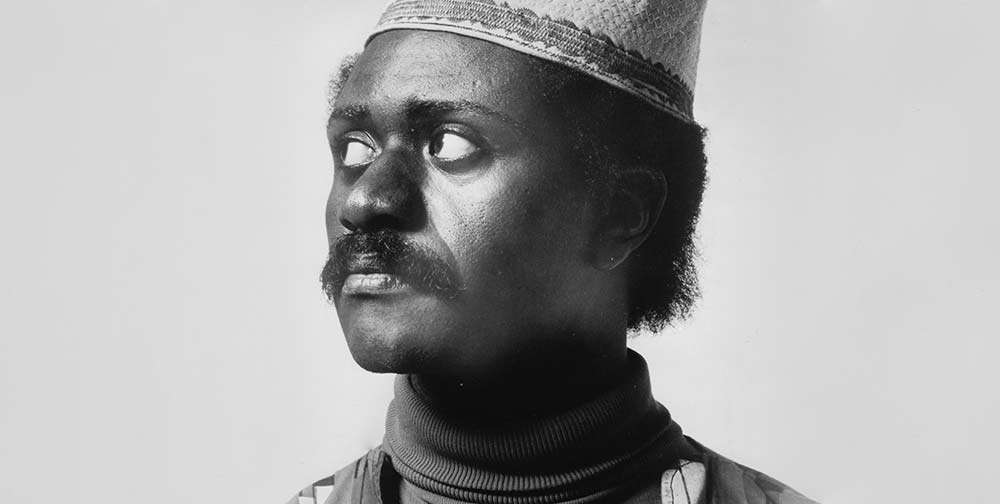
Karma: Pharoah Sanders’ Spiritual Jazz Classic
Alongside Alice and John Coltrane, saxophonist Pharoah Sanders was a principal torch bearer for spiritual jazz on Impulse! His album “Karma” from 1969 is a defining moment. Read the story of the album that would become one of Sanders’ biggest commercial and creative hits.
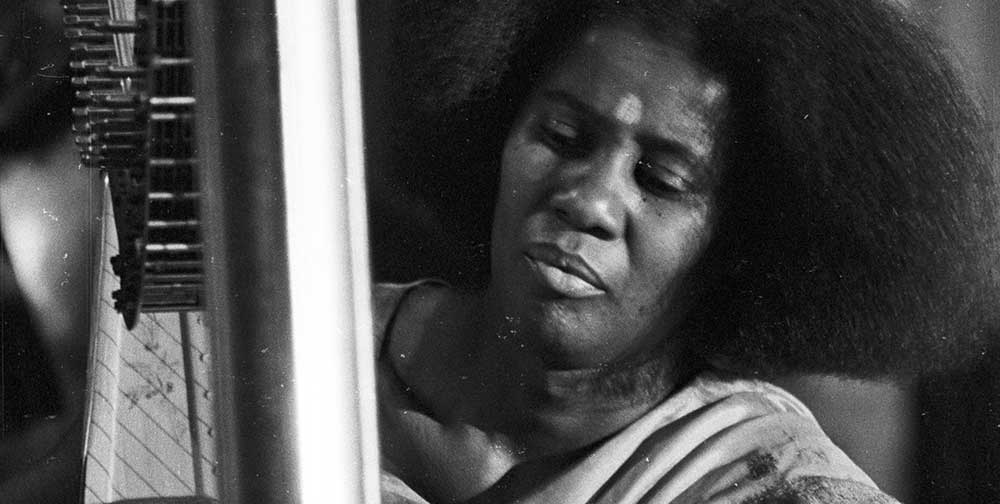
Jazz and India
Jazz and the classical music of India have been in conversation for decades, dig deeper into this vibrant cultural exchange with some of our best loved albums and artists
Lesson 10: Dancefloor Jazz

We’re closing our studies of the classic eras, subgenres and styles by taking a deeper look at ‘dancefloor jazz’, and how jazz has returned to the clubs since the 1960s, mostly in the UK. Andy Thomas is your tour guide into 1960s soul-jazz and 1970s jazz fusion, as well as their revival through the acid jazz scene.
A Guide to Dancefloor Jazz
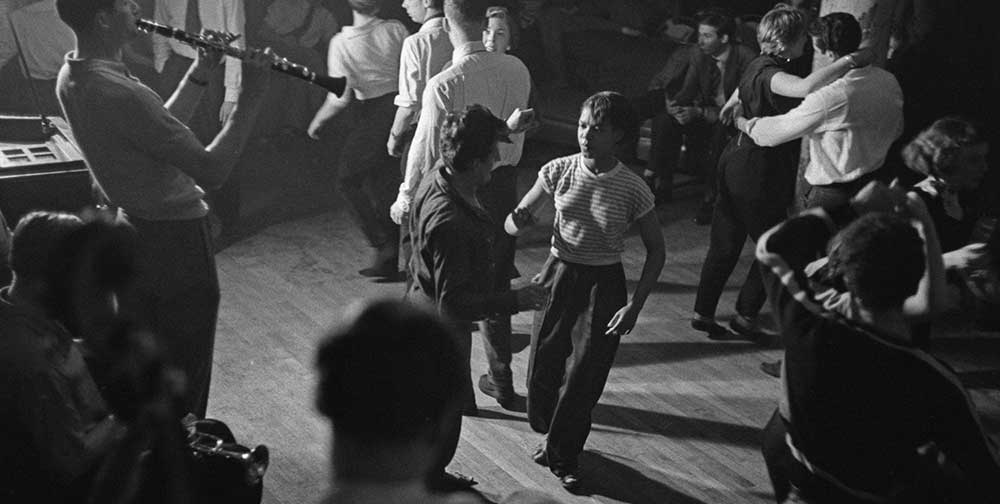
In the first half of the 20th century, American jazz was played to dancefloors – after the war, it became sophisticated listening music. But teenagers in Europe brought jazz back to its dance roots.
Listen to our Summer City Sounds Playlist
Shop the Collection

Further Reading
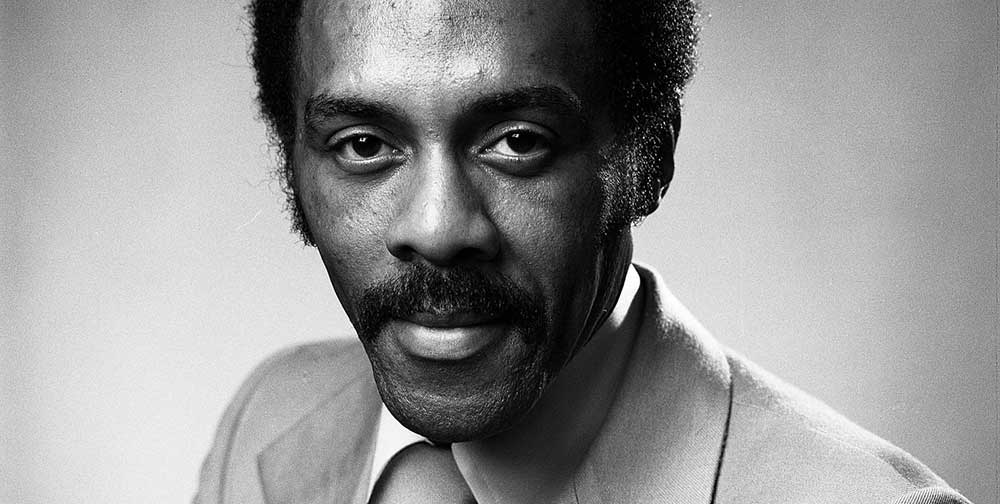
How George Butler took Blue Note Records Sky High
In 1971 Blue Note entered a new chapter when Dr George Butler took over from label co-founder Francis Wolff. This change in leadership and musical direction proved to be revolutionary and left a lasting legacy. Learn more about the EJ pick of albums from the ‘Sky High’ era.
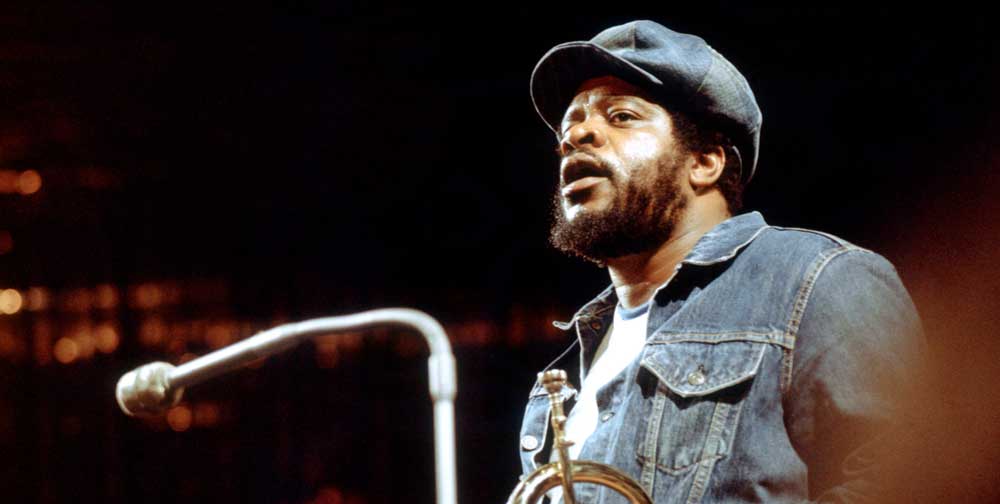
Donald Byrd sent jazz-funk into outer orbit
Donald Byrd delivered a masterpiece of jazz-funk fusion that collected some of the finest players around. 1975’s “Stepping Into Tomorrow” helped write the blueprint for hip-hop’s golden-era sound.
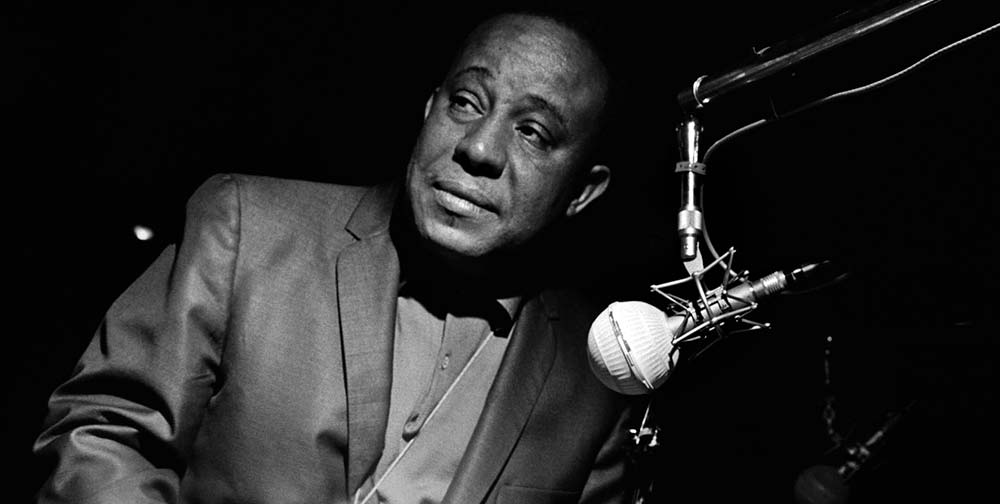
Lou Donaldson and the 1960s soul-jazz sound
With “Midnight Creeper,” Lou Donaldson hit his stride during his second run of recordings for Blue Note in the late 1960s. Together with a world-class rhythm section, he helped shape the soul-jazz sound of an era.
Week Three: The Instruments of Jazz
Lesson 11: Jazz Vocals

The third week is all about the most important instruments that shaped the sound and the culture. Jumoké Fashola writes about iconic singer-pianists, from Nina Simone to Jon Batiste. We’re looking at artists that can sing and play “from the same hymn sheet”, and adding portraits of two outstanding jazz singers: Sarah Vaughan and Samara Joy.
5 Outstanding Jazz Singer-Pianists
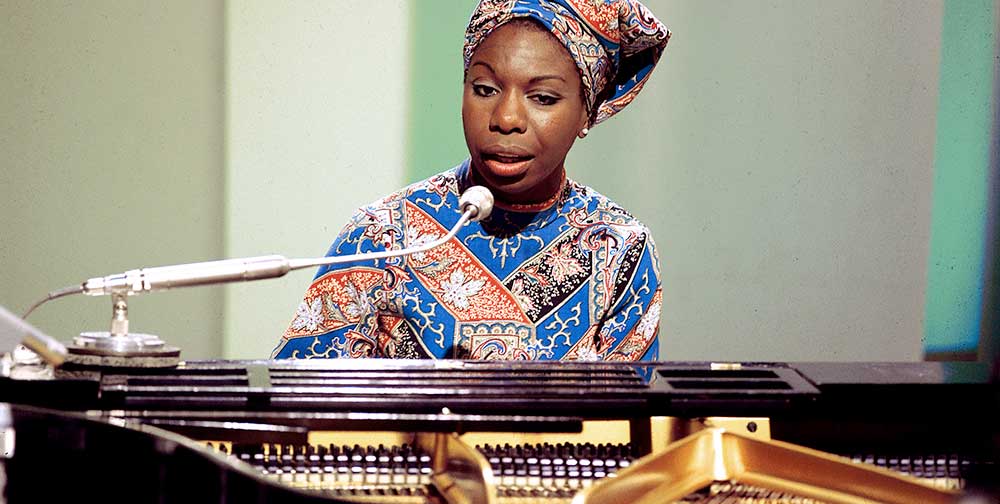
These five iconic singers were not just known for an amazing range in their vocals, but also for being great pianists in their own right – essentially enabling them to not just accompany their own singing, but reaching true mastery on the keyboard.
Inspirations from Jazz Vocalist Samara Joy
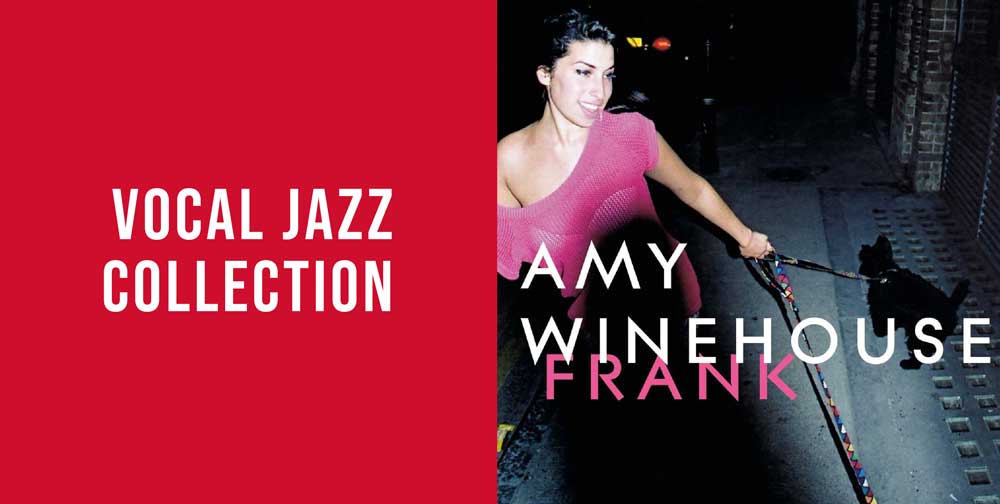
Shop the Vocal Jazz Collection
Further Reading
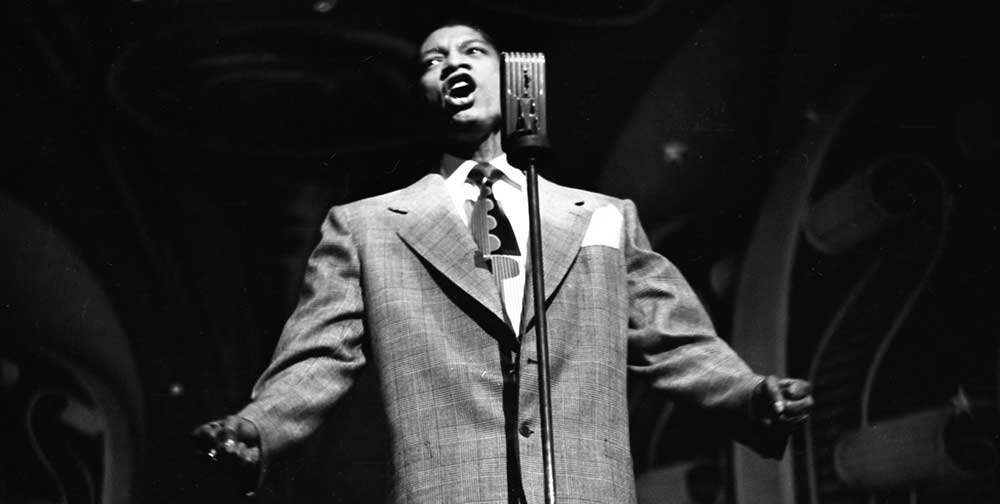
When they are singing and playing from the same hymn sheet
Instrumentalists shine bright in jazz history, but vocalists have never been entirely in the shadows. On many occasions something special has happened when players meet singers, with the couple using complement and contrast to produce illuminating work. One strong individual can push the other to creative heights if they find the precious common ground where listening is part of the doing. Two somehow become one.
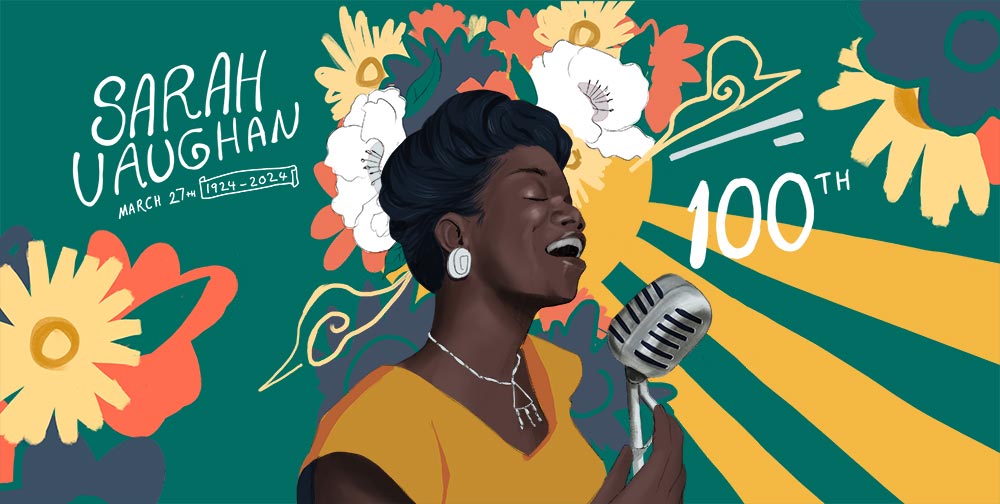
The Divine One – The Story of Sarah Vaughan
‘Sassy’, ‘Divine’ or downright superb, Sarah Vaughan’s artistry is adored by singers and instrumentalists in equal measure. We celebrate 100 years since her birth.

In Conversation With…Samara Joy
When Jumoké Fashola sat down for a chat with vocal superstar Samara Joy at the 2024 EFG London Jazz Festival, she knew the audience was in for a treat, but could she also get an invitation to be Samara’s +1 at the Grammys? Read on to find out…
Lesson 12: Jazz Piano

Today is all about the piano. Our jazz piano lesson provides you with a list of the 25 best jazz piano albums of all time, and a timeline of influential pianists. We’re also exploring the styles of three stellar keyboardists who have influenced generations of players that came after them: Herbie Hancock, Bill Evans and Keith Jarrett.
Jazz Piano
Learn about the stories, players and key recordings from over a century of jazz piano: from Oscar Peterson, to Keith Jarrett, & Herbie Hancock.
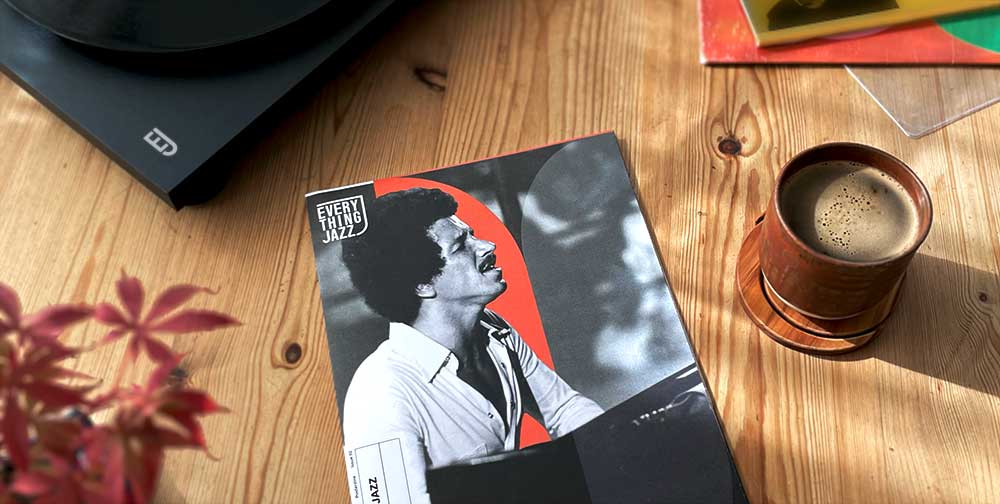
Shop the Jazz Piano Posterzine®
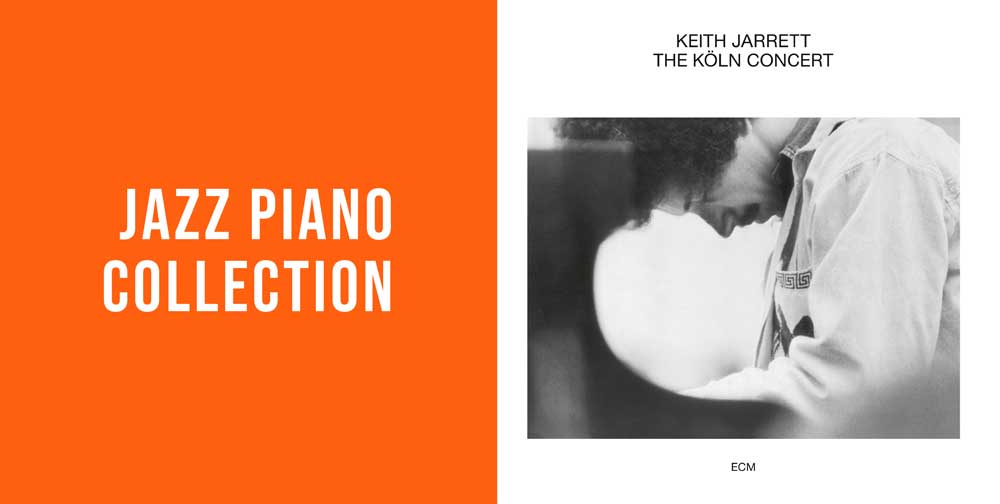
Shop the Jazz Piano Collection
Further Reading
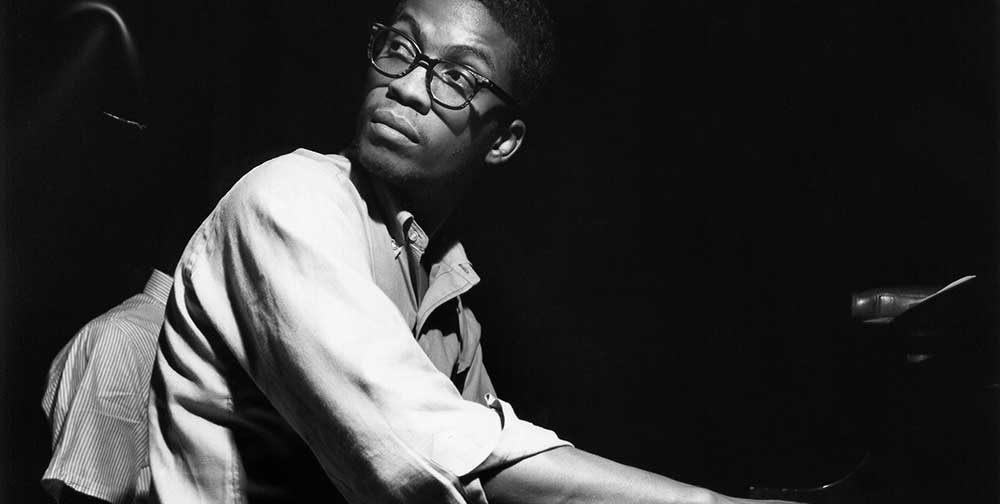
Herbie Hancock in 5 iconic compositions
Herbie Hancock has been a central figure in jazz for decades. As a pianist, he’s played with all of the greats, but he deserves equal recognition as a composer
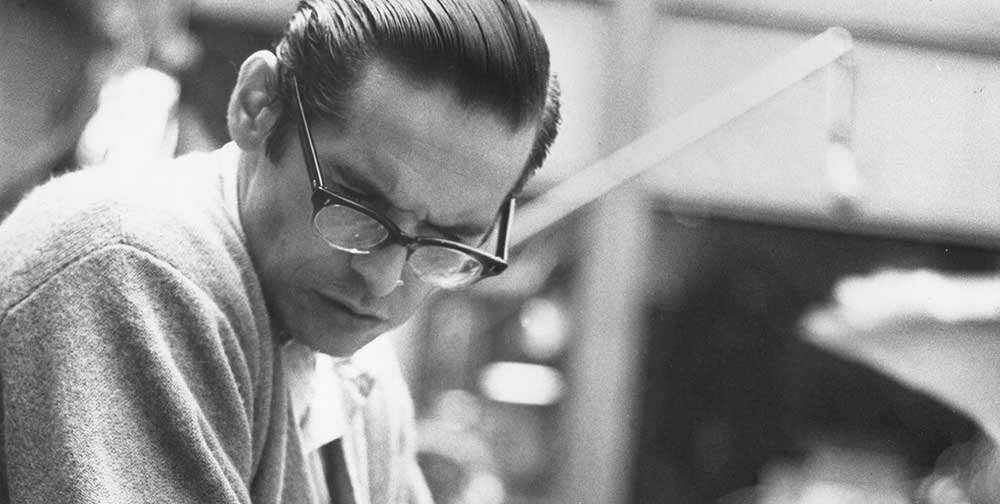
The Troubled Genius of Bill Evans
Throughout his storied career, Bill Evans became a towering figure of jazz piano – reshaping the role and possibilities of the instrument in the post-bop era and influencing generations of players to come. We revisit his key albums.
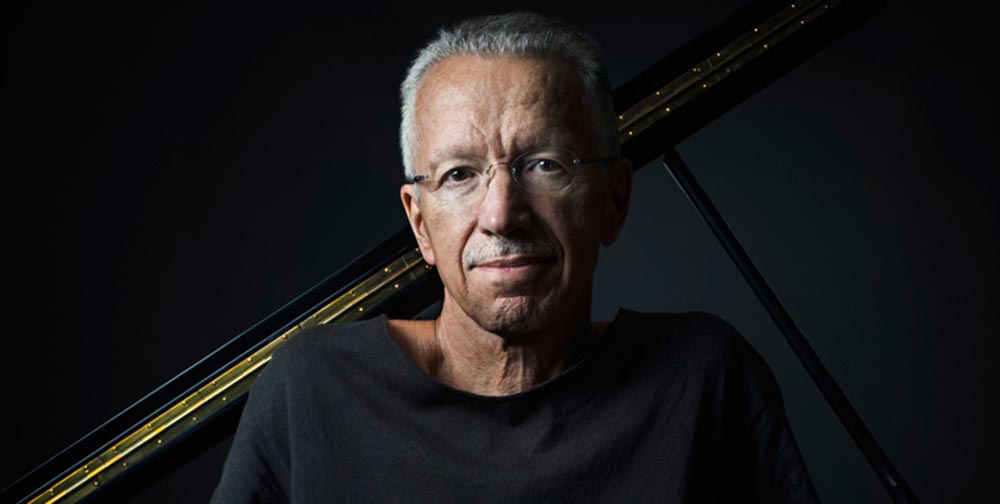
Keith Jarrett’s World of Improvisation: Six Classic Tracks
Pianist Keith Jarrett is widely considered one of the greatest musical improvisers of all time. Miles Davis was astonished at his ability to “play from nothing”. But how does he do it? What is his modus operandi?
Lesson 13: Jazz Guitar

Writer and guitarist Les Back is taking a deeper look at when the guitar, an instrument more closely associated with blues and rock’n’roll, actually found its tone in jazz. We’ll also learn about three exceptional guitarists from very different eras in jazz history: Grant Green, Pat Metheny and Julian Lage.
Tone: How the Guitar Found its Jazz Voice
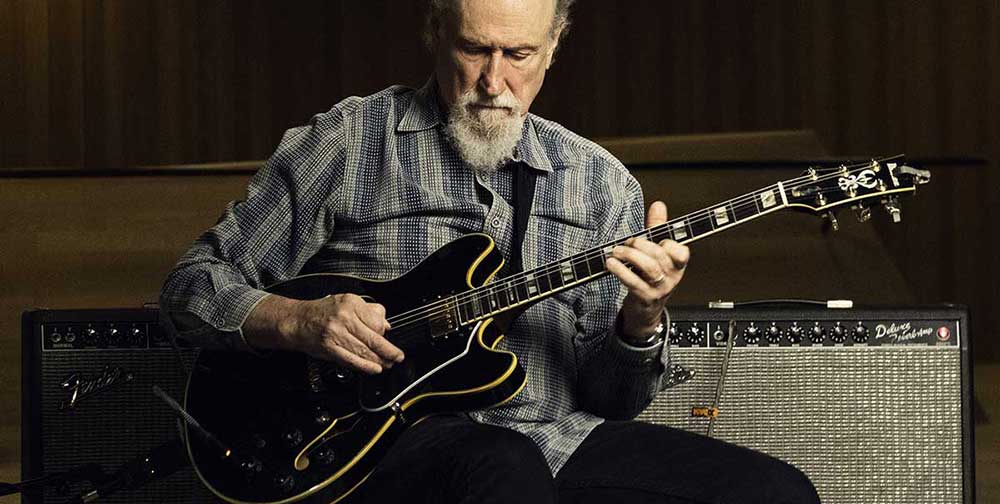
The story of the jazz guitar is one of a quiet instrument getting louder over the course of a century through technical advances and artist’s customising their set up and playing style. How each player creates their tone is as individual as their style of improvisation – we walk through some of the icons of jazz guitar to explore their sound.
Inspirations from Jazz Guitarist Bill Frisell
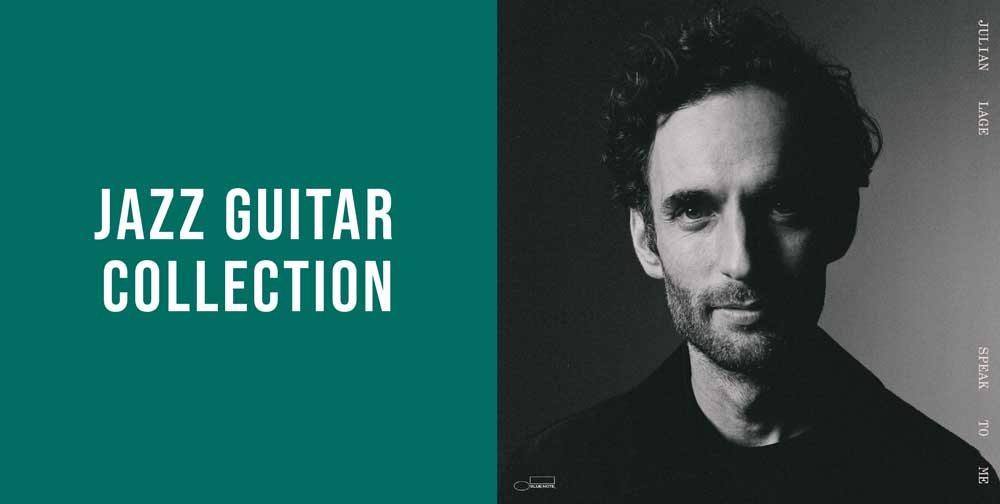
Shop the Jazz Guitar Collection
Further Reading
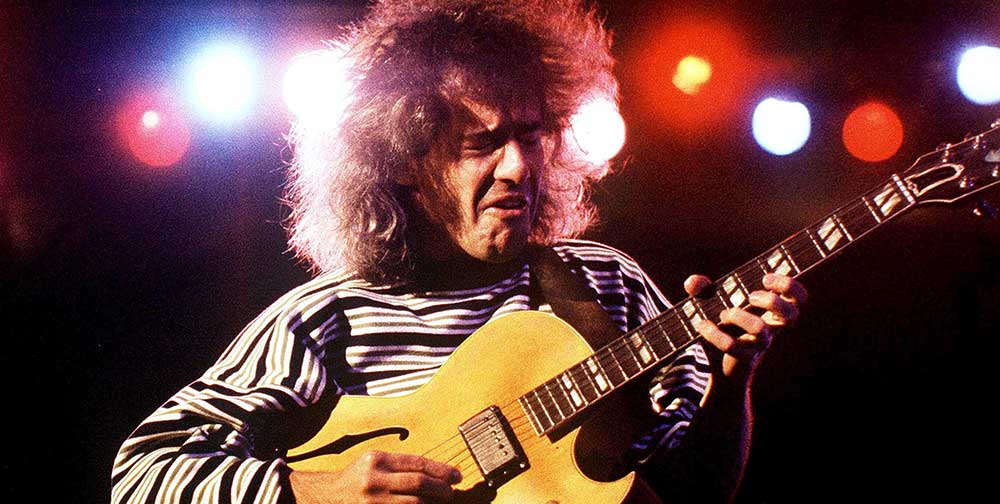
Bright Size Life – Pat Metheny’s Slow Burning Masterpiece
When guitarist Pat Metheny released his debut for ECM in 1975, he and his band thought they’d missed the mark, but Bright Size Life became a career defining album for Metheny, and introduced the little known bass player; Jaco Pastorius to the world
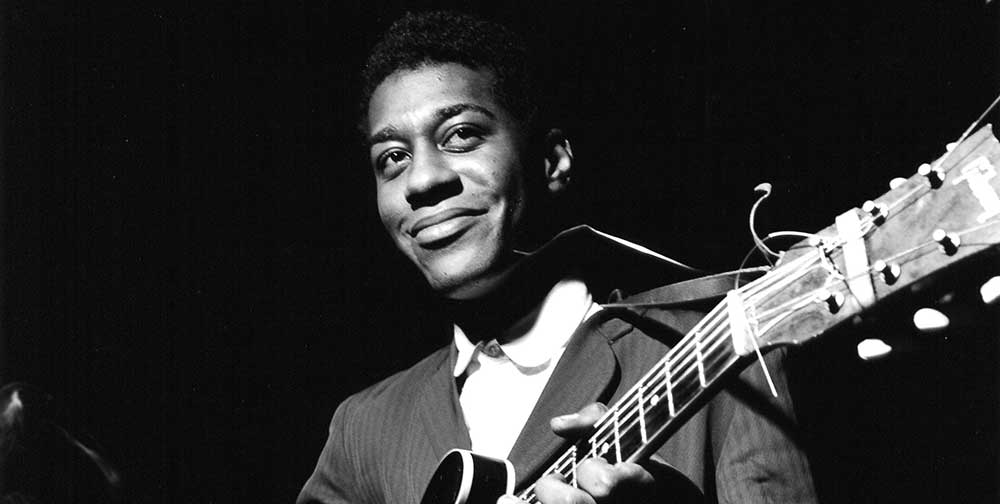
Grant Green As A Bandleader On Blue Note
Grant Green shaped the sound of the jazz guitar throughout the 1960s on a bunch of formidable albums as a bandleader on Blue Note. In the early 1970s, he pivoted towards funk and soul.
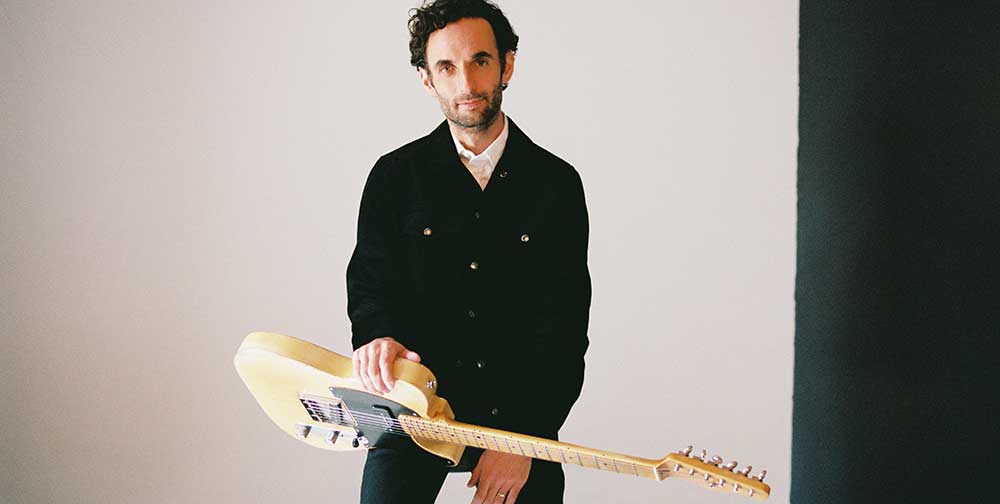
Julian Lage: The Shape-Shifter
Julian Lage is one of the essential guitar players on the contemporary music scene, not just in jazz. Andrew Taylor-Dawson gets a chance to speak to the lauded musician while he’s touring his 2024 album “Speak to Me”.
Lesson 14: Jazz Percussion

Give the drummer some! The drummers and percussionists are the true backbone of jazz music, finds writer Randall Roberts in today’s lesson. Again, we’re diving a bit deeper into the works of three jazz drummers that deeply shaped jazz beyond their own era: Elvin Jones, Art Blakey and Max Roach.
Beyond the Backline

While they’re usually found driving from the back, drummers are some of the most legendary band leaders in jazz history. It’s time to shine a light on the backline, with these five classic jazz albums which put percussionists centre stage.
Focus Album
Further Reading
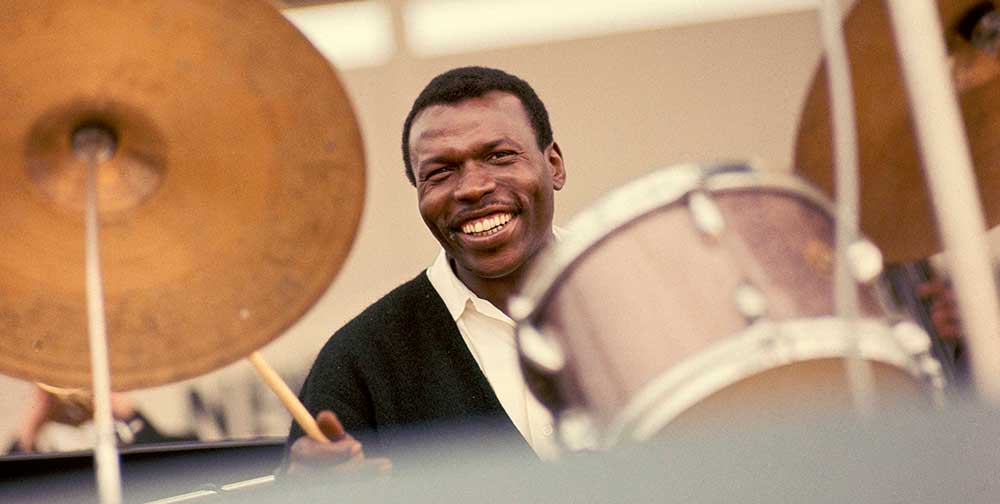
Elvin Jones – Poly-Currents
In the years following his departure from John Coltrane’s quartet, drummer Elvin Jones released a string of albums as leader for Blue Note. The expanded forces and trademark polyrhythmic textures of “Poly-Currents” is the latest title in Blue Note’s prestigious Tone Poet series.
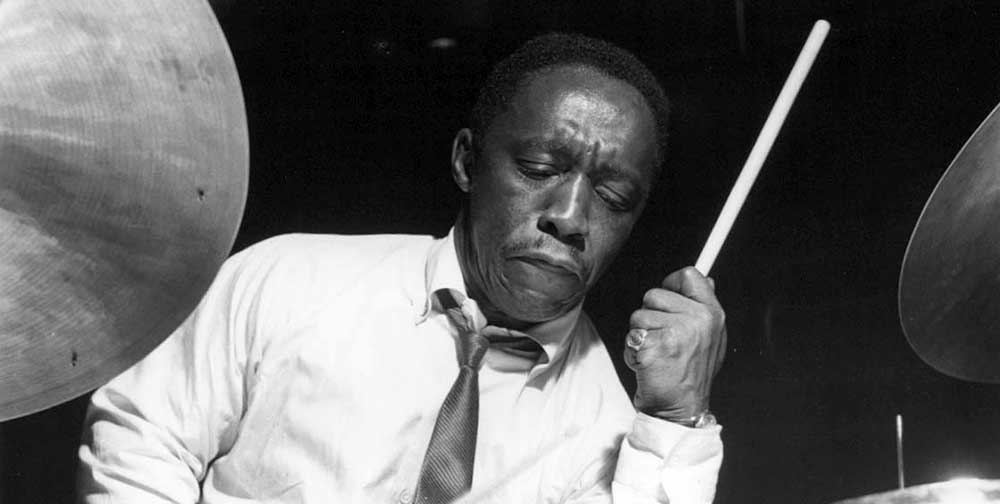
Art Blakey – A Night In Tunisia
Drummer Art Blakey’s band The Jazz Messengers had always been a hothouse for jazz talent, and by 1961 his blazing young line up featured Wayne Shorter and Lee Morgan. Exceptional composers as well as instrumentalists, their 1961 album “A Night In Tunisia” is a force to be reckoned with.
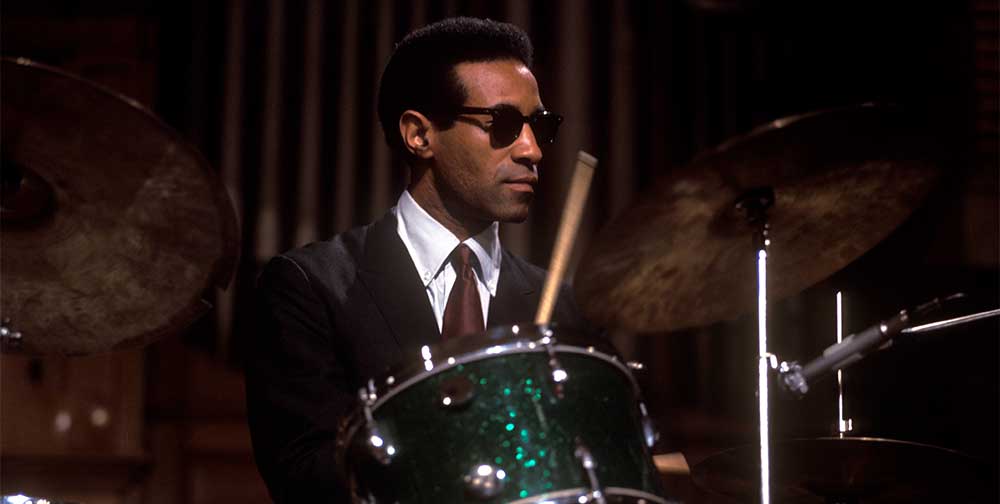
Max Roach – The Most Melodious Drummer in Jazz
2024 marked the 100th anniversary of the birth of drummer and composer Max Roach. A true giant of jazz, he had a profound influence on the development of the music, creating stylistic echoes that can still be felt to this day. Here, we take a closer look at his stellar career and some of the recordings that define it.
Lesson 15: Other Instruments

The flute and the harp might not be the first instruments that come to mind when we think about jazz, but both have clearly earned their place in the genre’s history. Same goes for Hammond’s legendary B-3 organ, which shaped many legendary 1960s recordings with its classic sound.
The Living Legacy of Jazz Flute
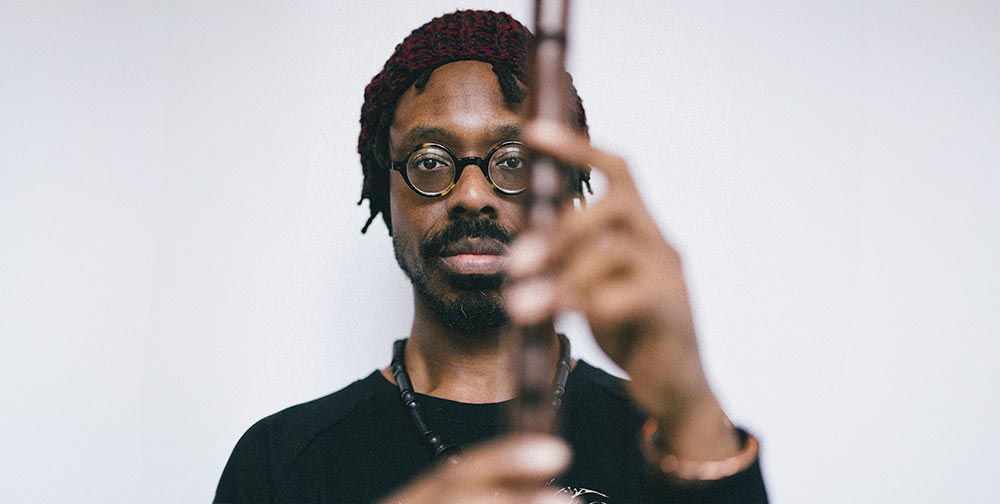
From funk to free jazz, the flute has been a welcome second (or third) instrument for many saxophonists. But it’s time to shine the spotlight on the flute with our selection of the best albums and players.
Focus Album
Further Reading
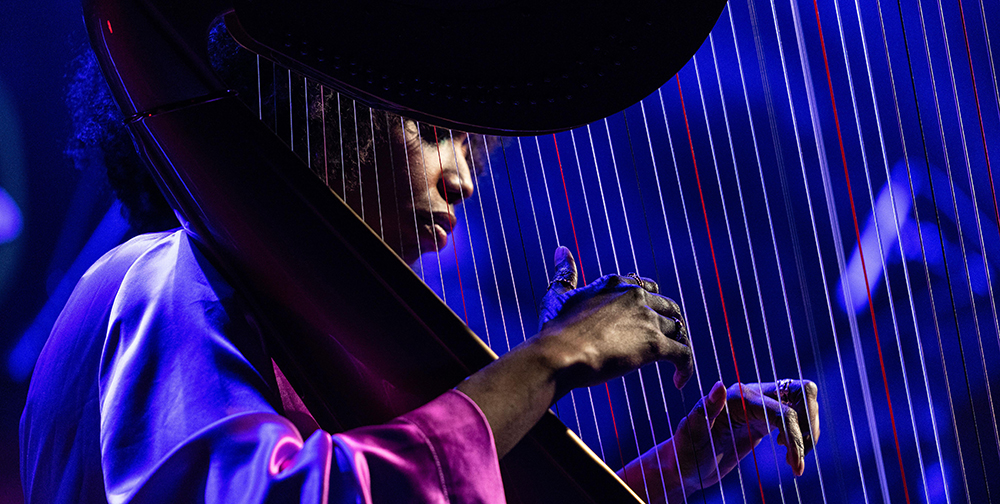
The Art of…Jazz Harp
From transcendental meditations to soulful RnB, there’s a lot more to the harp than heavenly vibrations.
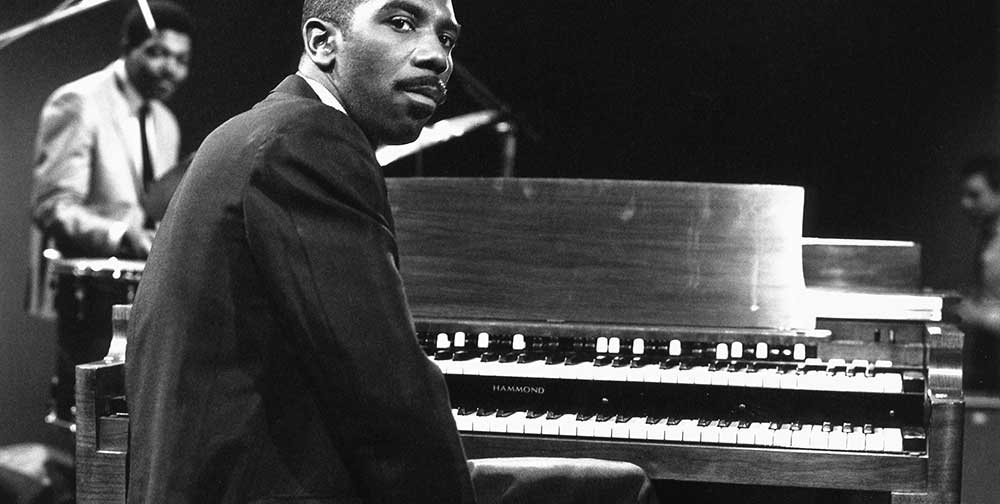
The Hammond B-3 at Blue Note
An instrument designed for worship gained a whole new following when it collided with jazz in the late 1930s. We’ve got the lowdown on the vital organ at the heart of soul jazz which defined an entire chapter of Blue Note’s rich history.
Week Four: Labels and Scenes
Lesson 16: Label Focus: Blue Note

The last week of our online course on jazz music and culture is dedicated to the record labels responsible for some of the best jazz recordings. We’re starting out with a deep dive into Blue Note’s history, their iconic artwork and photography, and some of their greatest albums. This lesson includes a video interview with Blue Note president Don Was.
The Story of Blue Note Records

Blue Note Records, founded in 1939, is one of the most important names in the history of jazz. Discover the key moments, images, stories and albums that tell the illustrious story of this genre-defining label.
Shop the Blue Note Collection
Shop the Blue Note Posterzine®
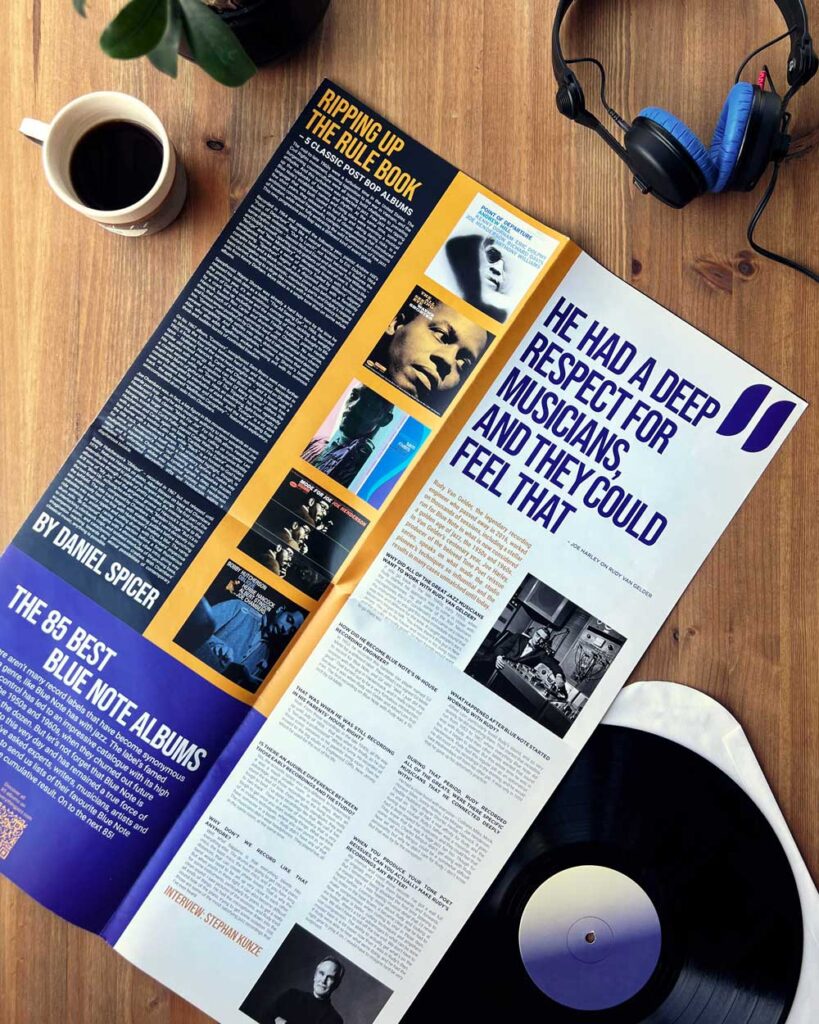
Further Reading
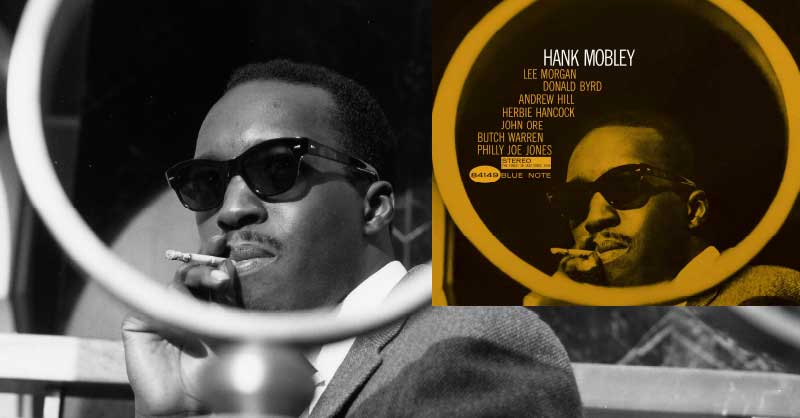
Behind the Covers – Francis Wolff’s Best Photographs for Blue Note
In the 21st century, it’s rare to create a body of work so synonymous with a movement or culture as Francis Wolff’s photographs for Jazz. EJ’s picture editor Verity Roberts picks her favourite Wolff images shot for Blue Note.
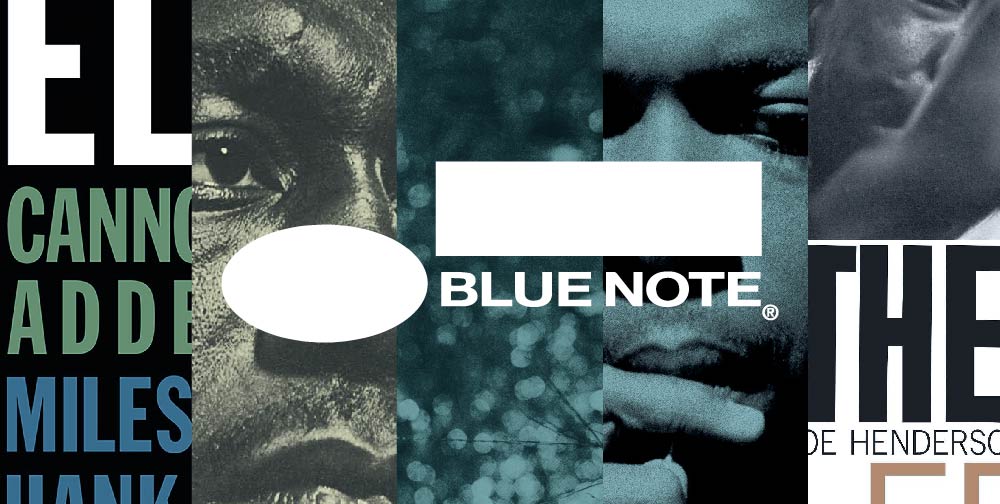
“Go To Album” – Blue Note’s Biggest Hits and the Records They Come From
Can’t get it out of your head? From the hard bop of John Coltrane, the Autumn Leaves of Cannonball Adderley to the funky hammond of Jimmy Smith, read the EJ guide to the Blue Note classics most likely to give you an ear worm.

Continuing the Legacy – Don Was & Blue Note Records
Does Don Was have the best job in jazz, or even the whole music industry? As President of Blue Note records, he is the custodian of a huge chapter in the history of jazz and the architect of its future. Andy Thomas sits down with Don Was for a catch up
Lesson 17: Label Focus: Verve

Founded by music impresario Norman Granz in 1956, Verve was not just responsible for bringing Latin jazz and bossa nova to Northern American and Western European audiences, but the label of Ella Fitzgerald, Nina Simone, Billie Holiday and Diana Krall is still shaping the culture and winning Grammys today. Includes a video interview with Verve president Jamie Krents.
Norman Granz – The Verve Founder Who Fought Racism With Jazz
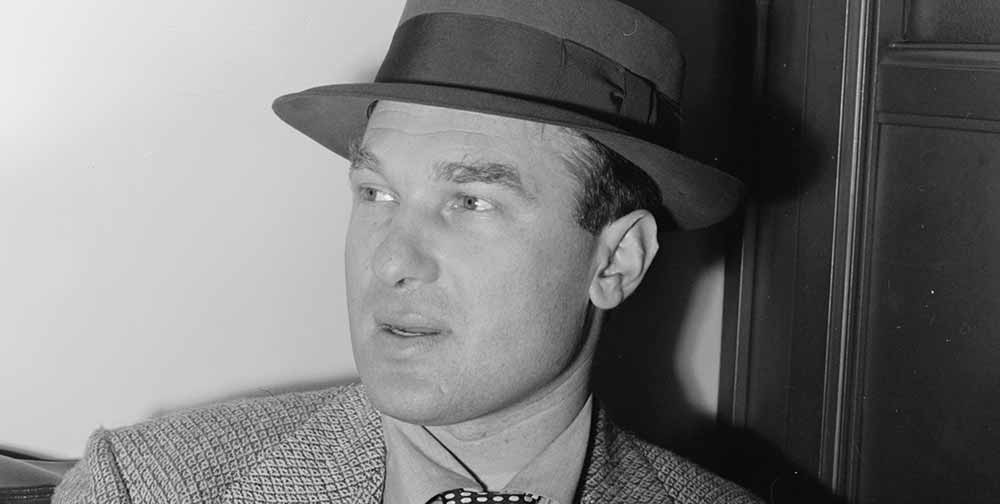
Norman Granz (1918-2001), founder of Verve Records, was a maverick—a pivotal figure in the history of jazz whose uncompromising stance on racial equality, deep relationships with legendary artists like Ella Fitzgerald, and passionate love for art made him both revered and feared in equal measure. We catch up with his biographer, jazz archivist Tad Hershorn.
Shop the Verve Collection
Further Reading
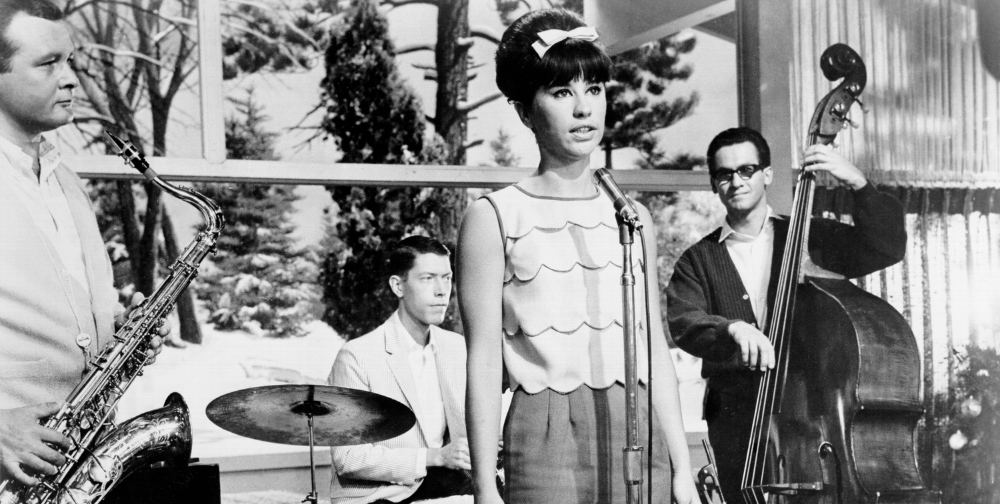
Getz/Gilberto: A Timeless Classic Turns 60
The 1964 collaboration between US tenor saxophonist Stan Getz and Brazilian trio Antonio Carlos Jobim, João Gilberto and Astrud Gilberto was as inevitable as it was spellbinding.
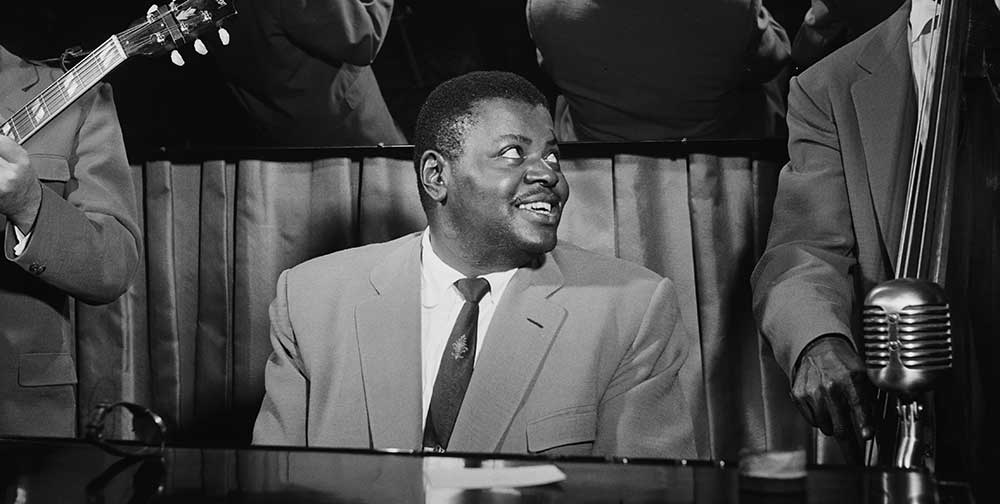
Oscar Peterson – Master Pianist, Prolific Composer
Iconic as a pianist, Oscar Peterson is less known for his compositional works, among them “Hymn to Freedom,” embraced by the Civil Rights movement. Fortunately, work on his archive continues, with more and more music released over recent years, offering glimpses into lesser-known collaborations and compositions.
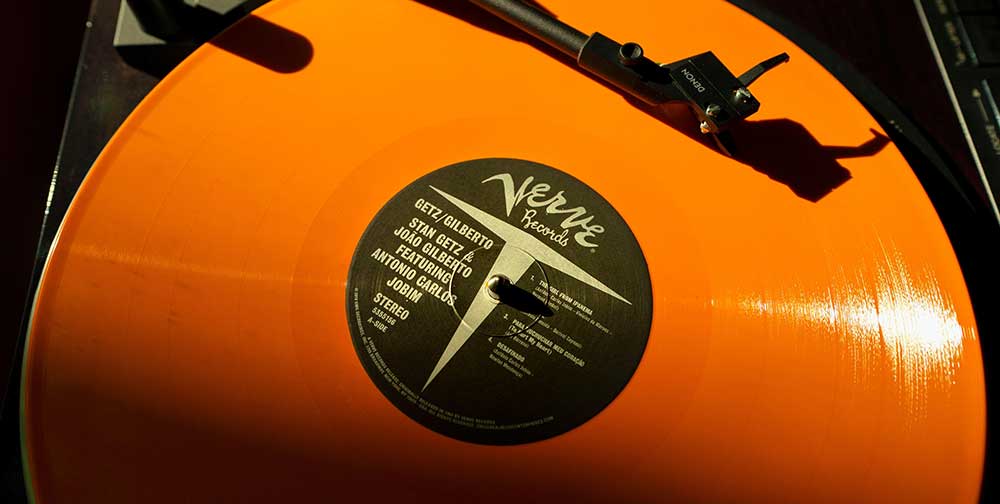
Stewarding the Catalogue – Jamie Krents & Verve Records
When Brooklyn bassist Jamie Krents was between gigs back in the 90s, he took a temporary job at a record label. Over a quarter of a century later, Jamie is President of that label and he’s still loving every minute.
Lesson 18: Label Focus: ECM

Music writer and book author Andy Beta introduces ECM, the revered label founded in 1969 by German record producer Manfred Eicher, through seven unforgettable albums from their vast catalogue. We’re also introducing some of ECM’s key musicians like Norwegian saxophonist Jan Garbarek, Canadian horn player Kenny Wheeler and Tunisian oud virtuoso Anouar Brahem.
A Guide to ECM in 7 Classic Albums
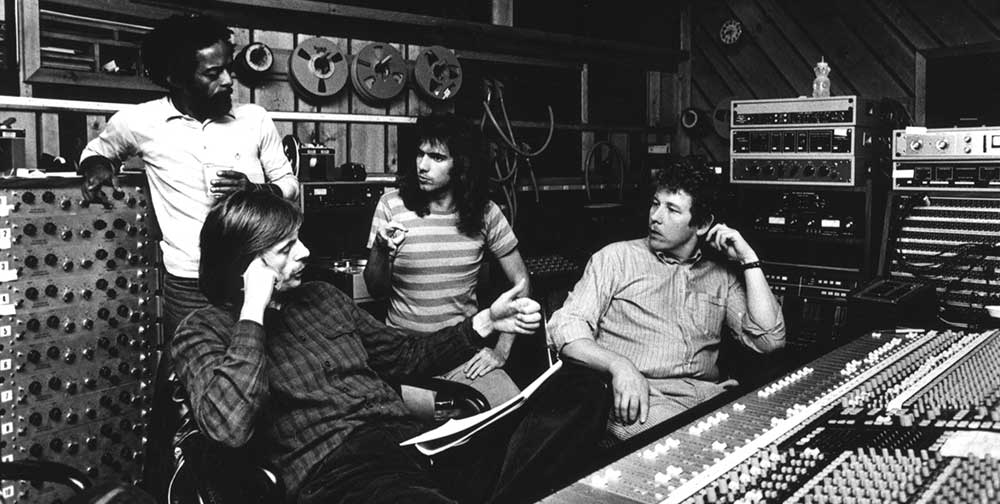
ECM stands for Edition of Contemporary Music. German producer Manfred Eicher founded the label in 1969, merging the explorative spirit of jazz with the European classical-romantic tradition. Here’s our entry-level guide to this outstanding label catalogue in seven classic albums.
Shop the ECM Collection
Further Reading
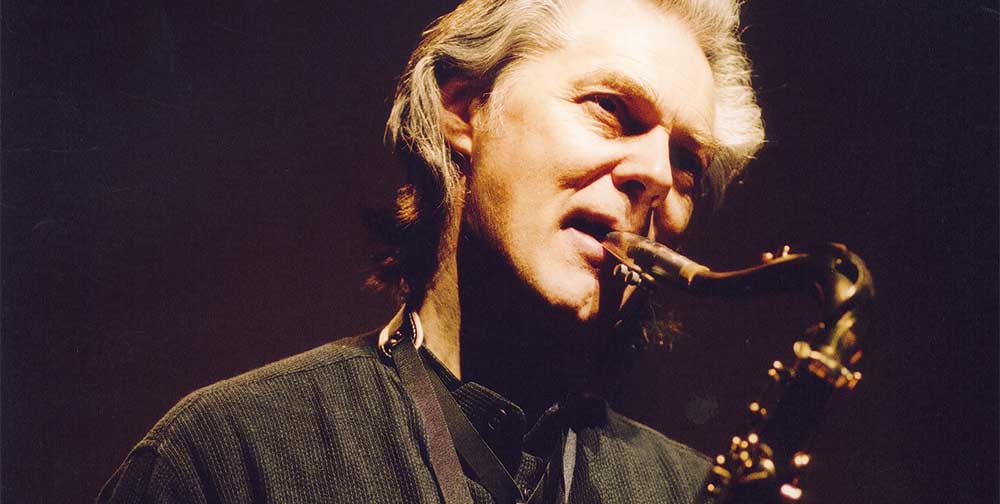
Afric Pepperbird – Early Jan Garbarek and the Beginnings of ECM
55 years on from the birth of ECM records, we revisit a record that encapsulates the spirit of the pioneering label and its charismatic producer / founder Manfred Eicher.
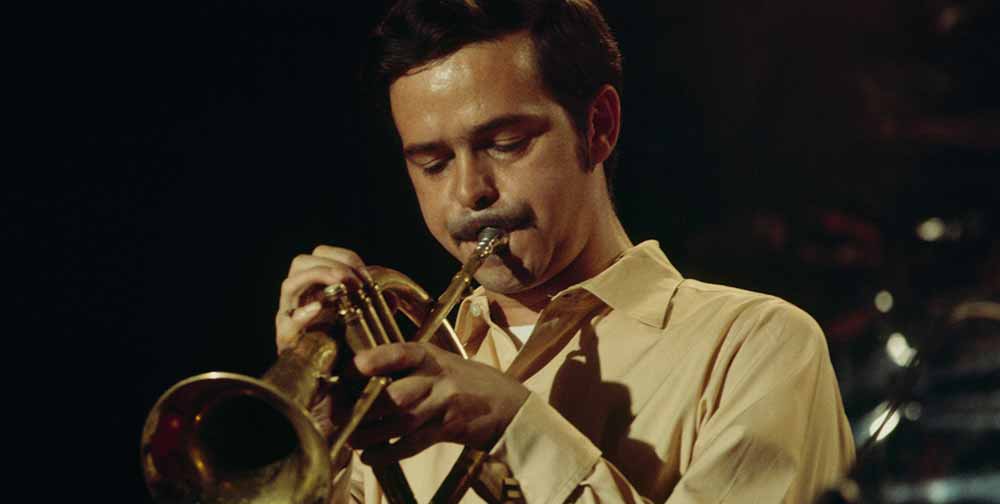
Kenny Wheeler – Gnu High
Unlike his more flamboyant counterparts, Kenny Wheeler was the quiet man of the trumpet and flugelhorn. But under his calm exterior was a sophisticated and adventurous jazz mind. His ECM debut took his music to a new high.
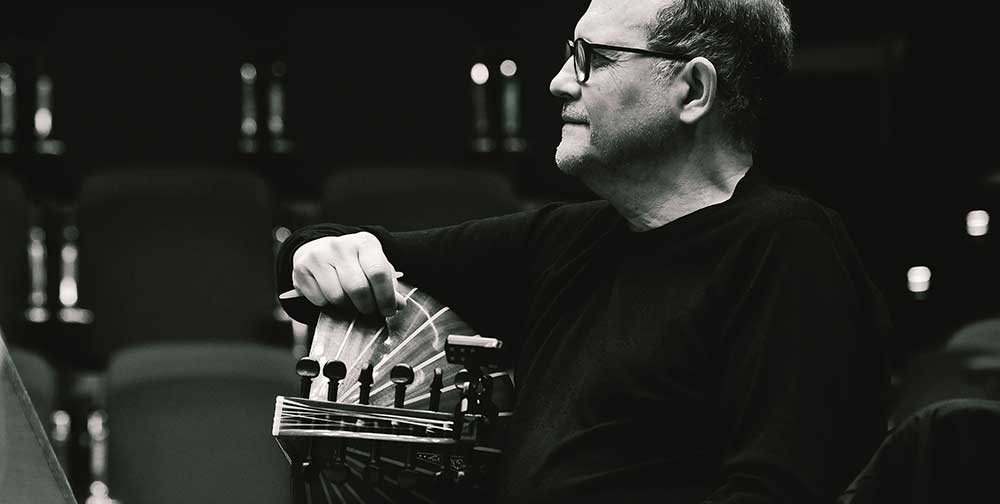
Anouar Brahem: After The Last Sky
Tunisian oud master and chamber music composer Anouar Brahem mourns the horrors of the Gaza war on his new instrumental quartet album “After The Last Sky”.
Lesson 19: Latin Jazz

Influences from Latin America shaped jazz from its very beginnings. Andy Thomas introduces Latin jazz in five records, from the 1960s until today. This lesson focuses on musicians from Cuba, Brazil and the U.S., such as Stan Getz, Dizzy Gillespie, Astrud Gilberto, Arturo O’Farrill and Harold Lopez-Nussa.
A Brief Introduction to Latin Jazz in 5 Albums
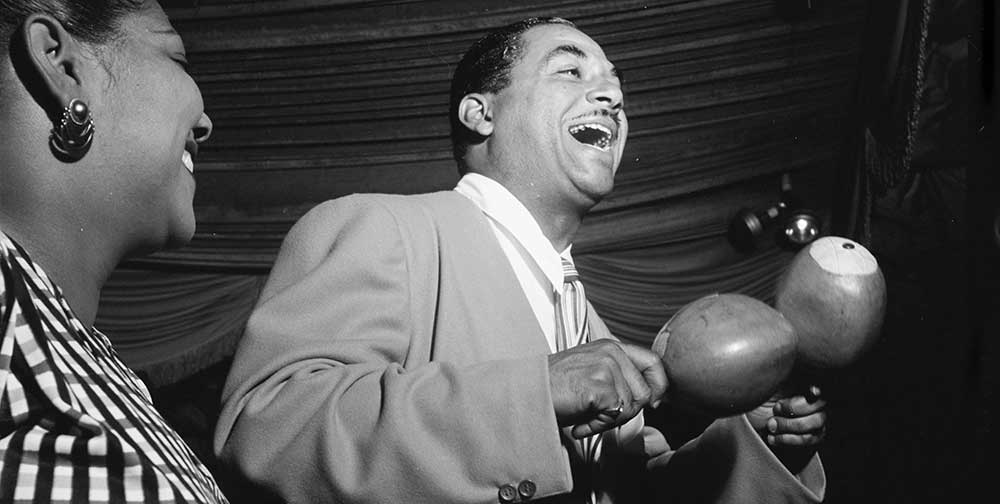
From the music of Cuban emigres in 1940s New York through the pulsating barrios of Spanish Harlem in the 1960s and the golden age of Verve and Fania Records to today’s progressive fusions – Afro-Latin and Brazilian music always had a profound interaction with jazz.
A Guide to Latin Jazz from Harold Lopez-Nussa
Focus Album
Further Reading

5 Latin Jazz Must-Have Albums
In the late 1950s, musicians in Rio de Janeiro started blending cool jazz with Brazilian styles such as choro and samba. In this climate, pianist/composer Tom Jobim and singer/guitarist João Gilberto pioneered bossa nova – the sound of youth, sensuality and sunshine – and the world started swaying along. Here are 5 classic Latin Jazz recordings that everyone needs to own.
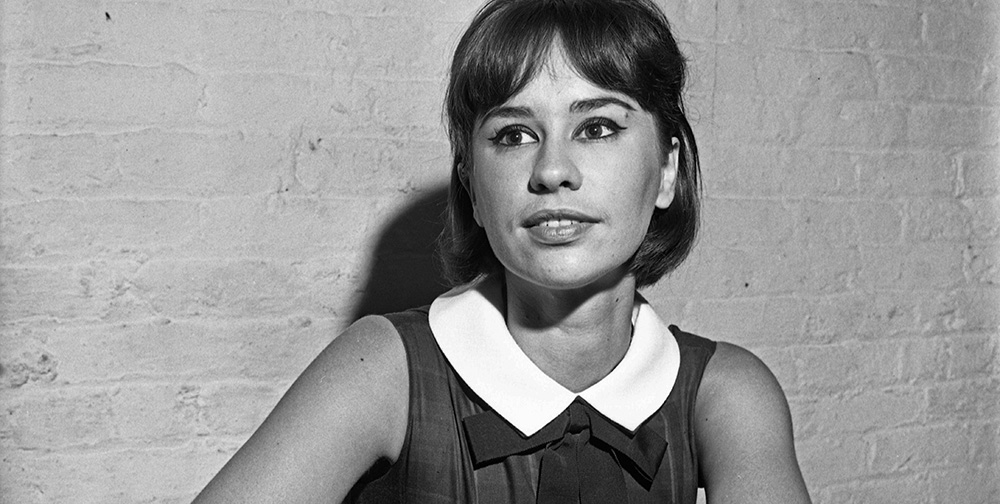
A Sashay Through Astrud Gilberto’s Discography
There’s more to Astrud Gilberto than the Girl From Ipanema. Read the EJ guide to an artist dedicated to Brazilian jazz.

Harold López-Nussa: Pushing Latin Jazz Forward
Harold López-Nussa is pushing the boundaries of Latin jazz while respecting its deep roots. The Cuban pianist is in a playful, experimental mood on his second session for Blue Note, “Nueva Timba”.
Lesson 20: UK Jazz

Let’s learn from Tina Edwards about the history of UK Jazz since the 1960s “British Jazz Explosion”. The scene has gotten a lot of deserved attention in recent years, spawning luminaries from Shabaka Hutchings to Nubya Garcia, from Jamie Cullum to Jacob Collier.
Thanks for taking the course! You’re now a certified expert on Everything Jazz.
A Bitesize History of UK Jazz Since the 1990s
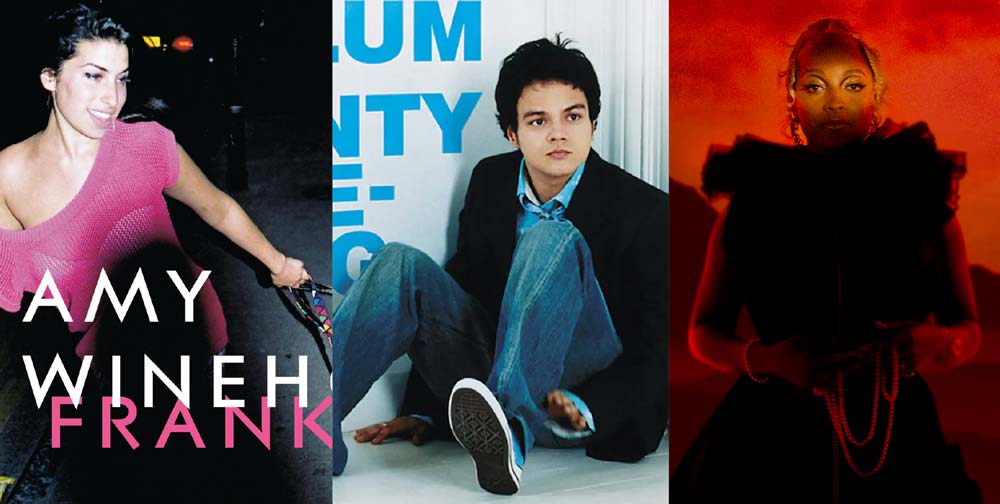
It feels as though the eyes and ears of millions of jazz fans around the world have been focused on the British scene in recent years. Its ressurgence in popularity – partly in thanks to facilitators like Jazz re:freshed, Tomorrow’s Warriors and Women In Jazz – continues to be felt today.
Shop The British Jazz Explosion Collection
Further Reading
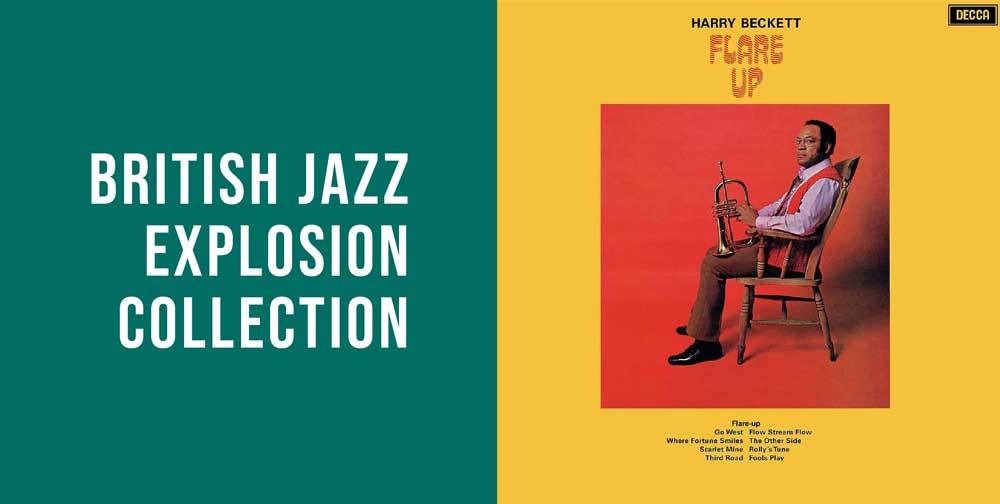
The Story of the British Jazz Explosion in the 1960s
With the current renaissance in UK Jazz, the time is ripe for a re-evaluation of an earlier golden period in the 1960s. The British Jazz Explosion series shines a light on the overlooked artists who worked together to create an original home-grown sound that resonates loudly today.
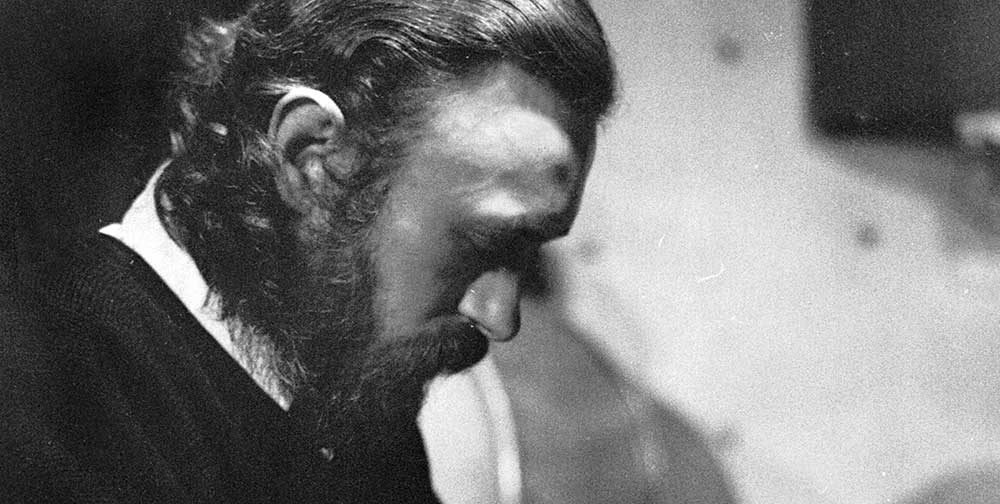
Mike Taylor – The British Jazz Pianist’s Story of Vision and Tragedy
Original copies of British jazz pianist Mike Taylor’s albums “Pendulum” and “Trio” are rare and valuable, but thanks to new reissues by Decca, the work of this enigmatic musician is available to everyone. Learn more about Mike Taylor’s life and music.
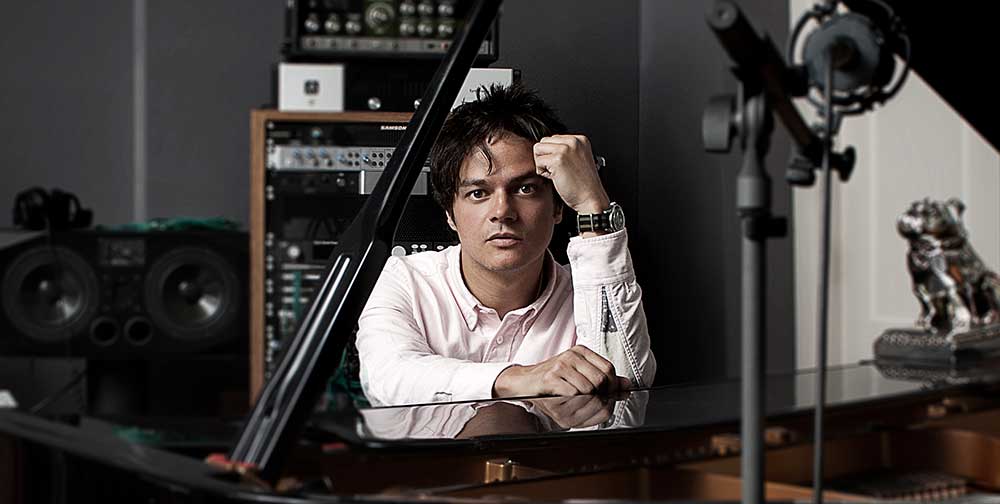
Jamie Cullum: Twenty years after Twentysomething
Whether he wanted to be the ‘saviour of jazz’ or not, that’s the mantle that singer / pianist Jamie Cullum was bestowed with on the release of his second album “Twentysomething”. Two decades on from its release, Cullum reflects on the smash hit album that built a bridge from Dinah Washington to Pharrell Williams.
KEEP IN TOUCH
To find out more about our stories, music and Everything Jazz, email us at
info@everythingjazz.com. We’d love to hear from you!
Alternatively, follow us on socials at the links below.