


Sonny Rollins was a musical father to many. Since first coming to prominence in the early 1950s alongside Miles Davis, the hard-blowing tenor saxophonist produced a plethora of jazz standards and a journeying, risk-taking sound that went on to shape the art of improvisation as we currently know it. The traces of his musical language can be felt in the work of so many of jazz music’s most significant players today, from James Brandon Lewis to Melissa Aldana and Immanuel Wilkins, but few others have been as influenced by Rollins as the Grammy-nominated tenorist Joshua Redman. “He certainly felt like a musical father, grandfather and godfather, all rolled into one,” Redman says. “He’s my biggest influence as an improviser and as a saxophonist. He was somebody who felt like he would never leave us.”

Joshua Redman If Ever You Would Leave Us (we play for Rollins) - Ltd Ed Colour LP + Signed Art Card
On 25 May 2026, Rollins finally left his mortal existence and passed away at the age of 95. As the tributes poured in and cemented Rollins’ lauded legacy of over 60 albums, Redman was immediately taken by the need to celebrate him in another, more personal way. Making calls to his friends and musical peers in the days following Rollins’ death, Redman assembled a coterie of Rollins acolytes and contemporary greats to pay homage to the great man in the only way they knew how: by playing. Featuring drummer Marcus Gilmore, bassists Christian McBride and Larry Grenadier, Rollins band members Kevin Hays on piano and Peter Bernstein on guitar, fellow tenor innovator Chris Potter and virtuoso vocalists Cécile McLorin Salvant and Gabrielle Cavassa, the starry ensemble ultimately laid down 11 versions of songs from Rollins’ storied repertoire to produce “If Ever You Would Leave Us (we play for Rollins)”.
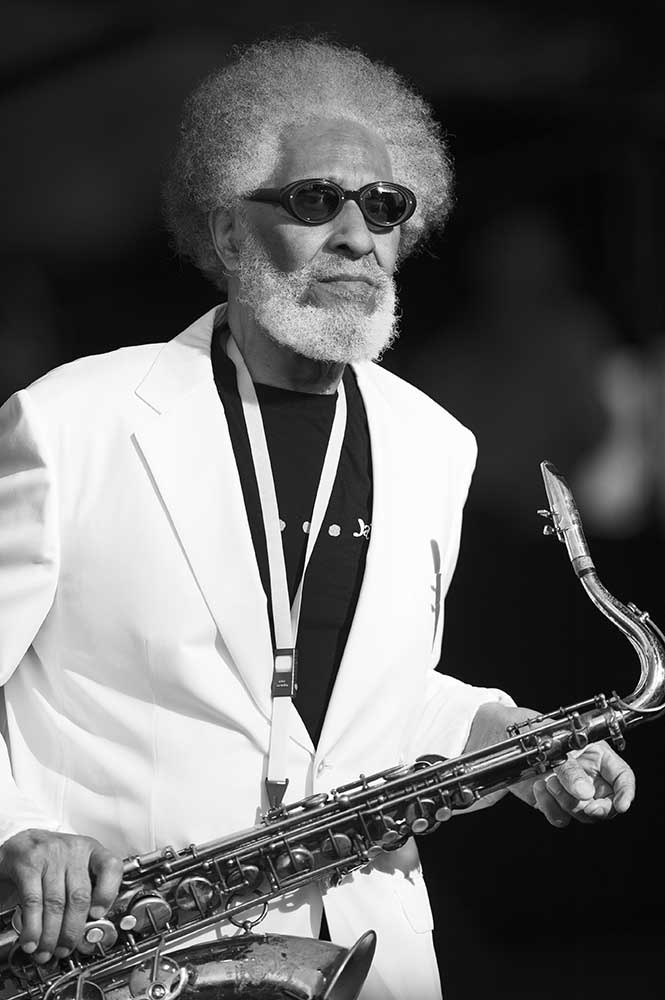
Photo: Marek Lazarski
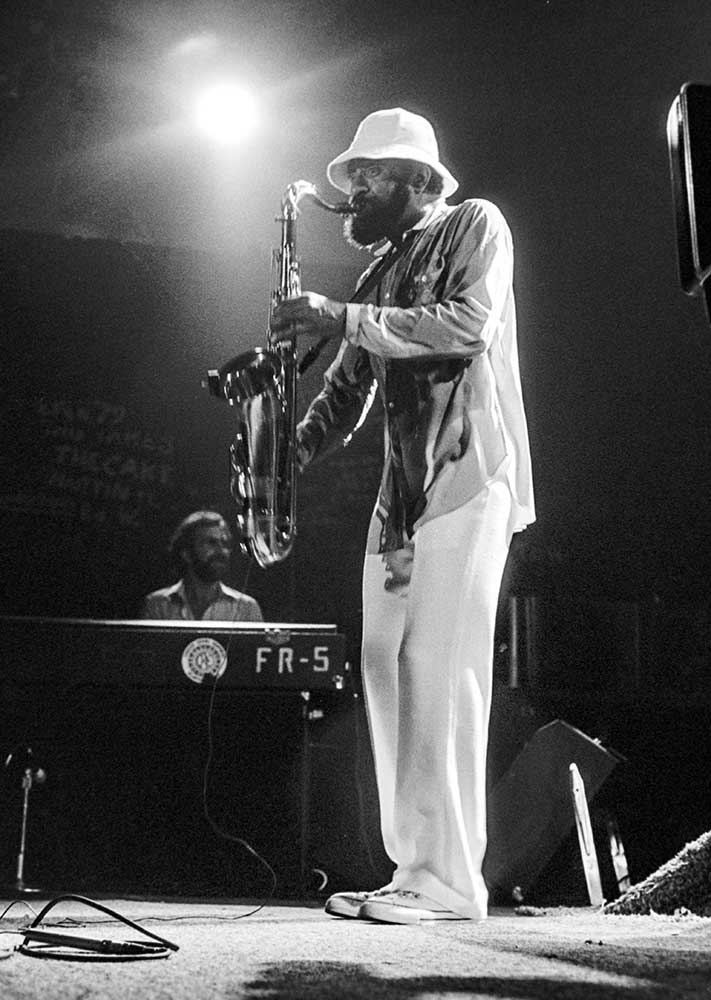
Photo: Acroterion
The resulting record is a masterclass in the jazz art of reimagining and rearranging the once-familiar to produce music that is at turns both distinct yet recognisable. Among the most well-known compositions on the album is Rollins’ “Doxy.” Originally recorded with Miles Davis in 1954 as part of Rollins’ breakthrough album “Miles Davis with Sonny Rollins”, the tune’s lithe and sprightly, slow-swinging melody has become a much-played standard. Redman’s take sticks to the original’s beautifully languorous tempo and instantly-recognisable melody and instead makes the tune a vehicle for McBride’s dextrous and muscular bass playing that weaves through and embellishes Redman’s lines, capitalising on the creative space created by their duo format.
This pairing set-up continues on the saxophone and drum duo for the calypso-inspired “Don’t Stop the Carnival,” showcasing Gilmore’s polyrhythmic agility through his light-touch tom and cymbal work, while Redman and Potter’s double saxophone version of “Blue Seven” from Rollins’ 1956 masterwork “Saxophone Colossus” is a highlight, interlacing lilting counterpoint melody with flashes of deeply-affecting harmony. Finding such complexity within Rollins’ composition only serves to emphasise the skill of his musical mind.
In fact, the album plays not only as a tribute to Rollins’ genius but also as a platform to celebrate Redman’s bandmates and their own individually skilful forms of musicianship. On “If I Ever Would Leave You,” for instance, pianist Hays lays out delicate melodic lines and choice chord phrasings behind Redman’s earthy tone, while on the lesser-known 1958 cut “Grand Street” guitarist Bernstein takes a sprawling and hard-swinging solo bolstered by Gilmore’s tripping ride cymbal hits.
Vocally, meanwhile, both Cavassa and Salvant deliver standout performances, with Salvant harnessing her gossamer tone to nimbly saunter over Grenadier’s rooted bass line on the Oscar Hammerstein musicals standard “Softly, As In A Morning Sunrise,” and Cavassa takes on the unenviable task of reinterpreting Billie Holiday on a yearning and vibrato-laden version of “God Bless the Child,” seeking out the soulful melancholy in the gospel-inflected composition. Here Redman also takes a stunning solo, soaring brightly over Gilmore’s brushes to reach a cascading series of top-line notes that land like a burst of sunshine through thick clouds.
Joshua Redman If Ever You Would Leave Us (we play for Rollins) - Ltd Ed Colour LP + Signed Art Card
Playing as testament to Rollins’ influence, a celebration of today’s artistry and no doubt an inspiration to future generations of jazz players, “If Ever You Would Leave Us (we play for Rollins)”, proves that any artist with as much boundary-breaking brilliance as Rollins never truly leaves once they have died. Instead, they will continue to live on for centuries to come in the restless and ever-changing creations of those who play next.
Header Image: Joshua Redman, North sea Jazz Festival, Oslo, 2007 Photo: Siebe van Ineveld
READ ON…
Miles Davis Mini Site
The Heart and Soul of Wayne Shorter’s “Night Dreamer”
Ammar Kalia is a writer and musician. He is the Guardian’s Global Music Critic and writes for the Observer, Downbeat, Jazzwise and others. His debut novel, A Person Is A Prayer, is out now.