
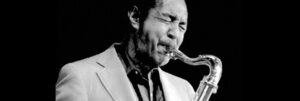
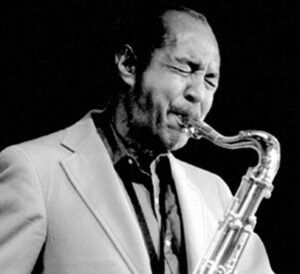
“The album has special significance primarily because it’s Harold’s first date as leader in several years,” wrote Mort Faga in the original liner notes to “The Peace Maker”, Harold Land’s only album for Cadet. “Secondly because it offers us the opportunity to hear Land in the company of young Bobby Hutcherson with whom he has been working with some regularity.”
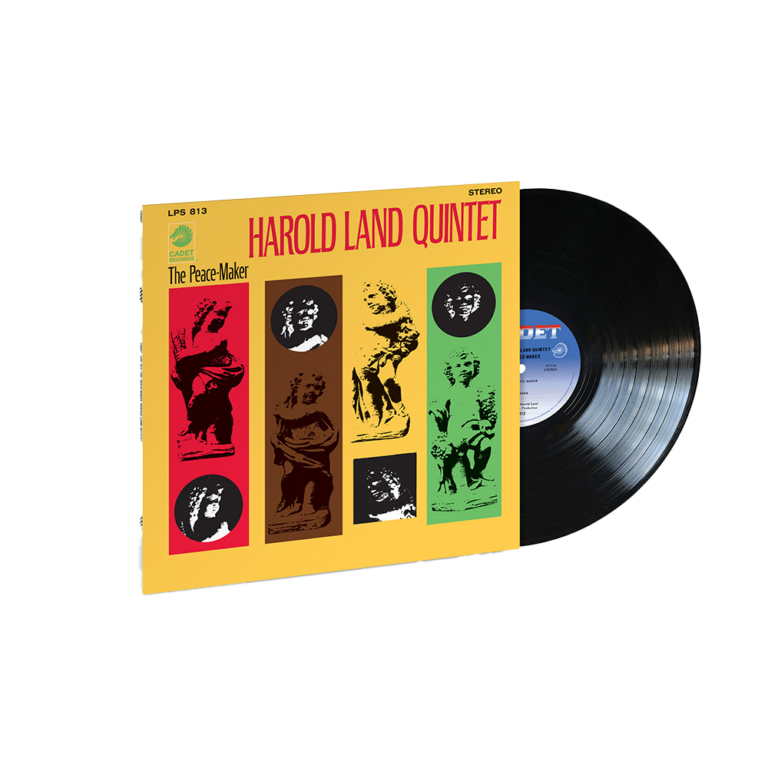
Harold Land The Peace Maker (Verve By Request Series) LP
By the time of this partnership, the Houston born San Diego raised tenor saxophonist had 20 years of recordings under his belt, debuting as a leader at the age of 21 with sessions for the Savoy label. After moving from San Diego to Los Angeles he made his name with the Clifford Brown/Max Roach Quintet helping define hard bop on their albums recorded between 1954-56 for Bob Shad’s Emarcy label.
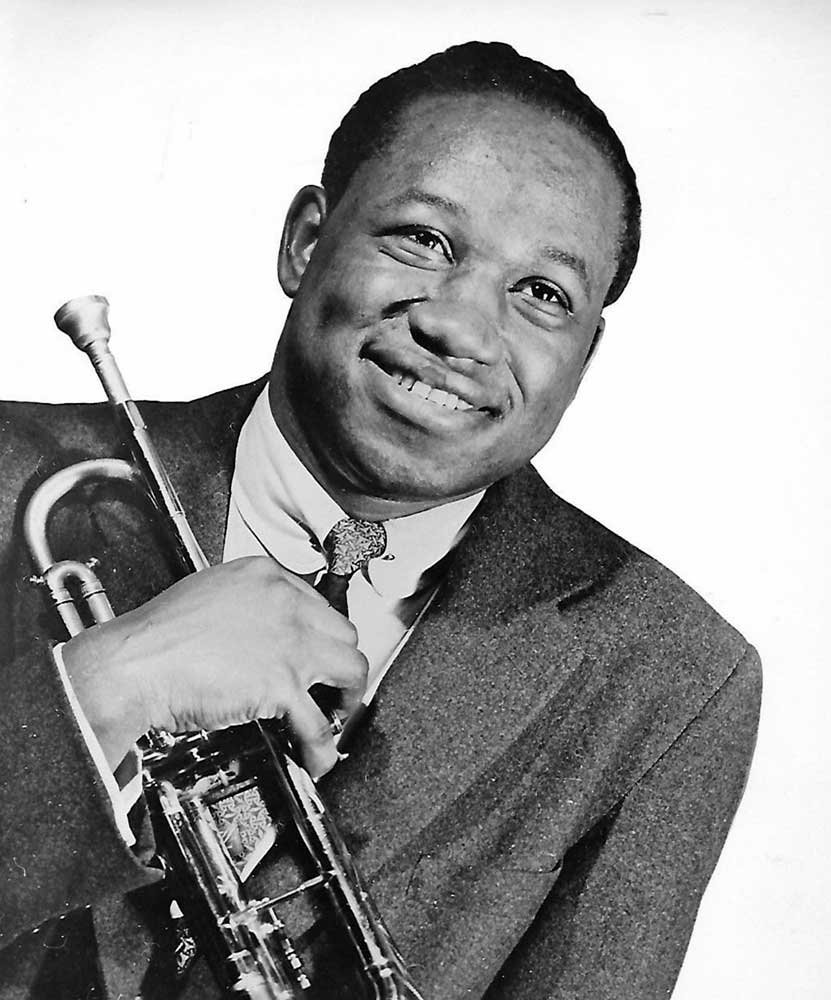
Photo: Wikimedia Commons
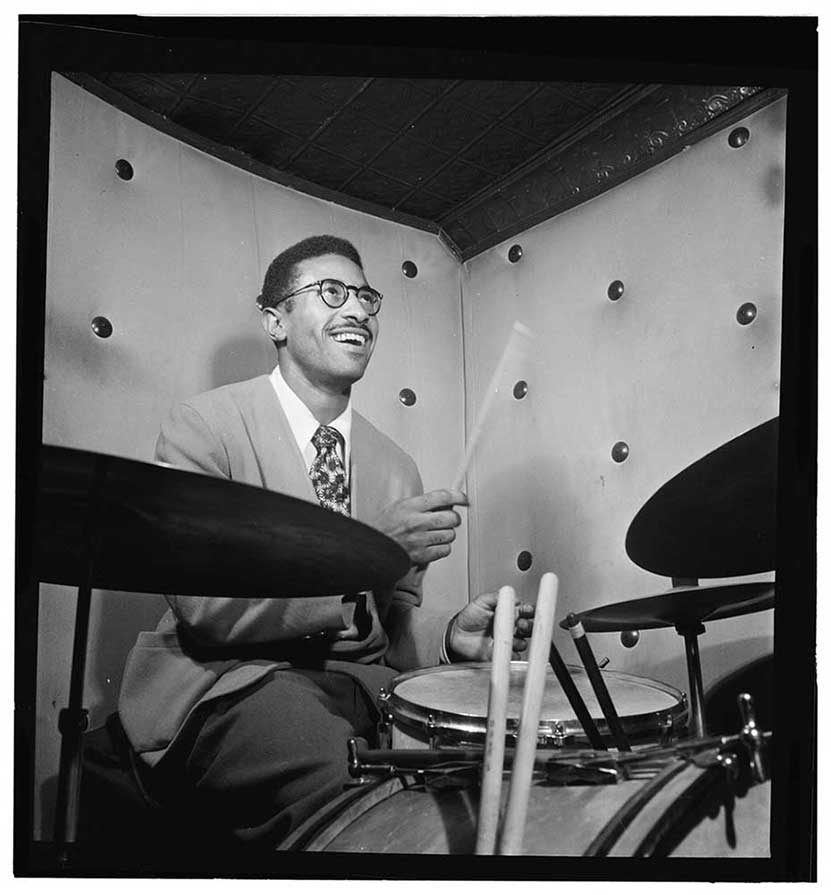
Photo: William P. Gottlieb Collection, Library of Congress
Land first recorded with a quintet on the David Axelrod produced album “The Fox” for the Hi Fi label in 1959 before his Atlantic album with The Red Mitchell – Harold Land Quintet “Hear Ye!!!! Hear Ye!!!!” from 1962. Following the 1963 album “Jazz Impressions of Folk Music” Land focused on his work as a sideman including a number of albums with trumpeter Gerald Wilson.
So as Mort Faga suggested, there was much anticipation amongst those jazz fans who had followed Land’s career to date when the Cadet album with Hutcherson was announced. Between 1965-67 Hutcherson had recorded the now legendary trio of albums for Blue Note “Dialogue”, “Components”, and “Happenings” that revolutionised the vibraphone as a lead instrument in modern jazz.
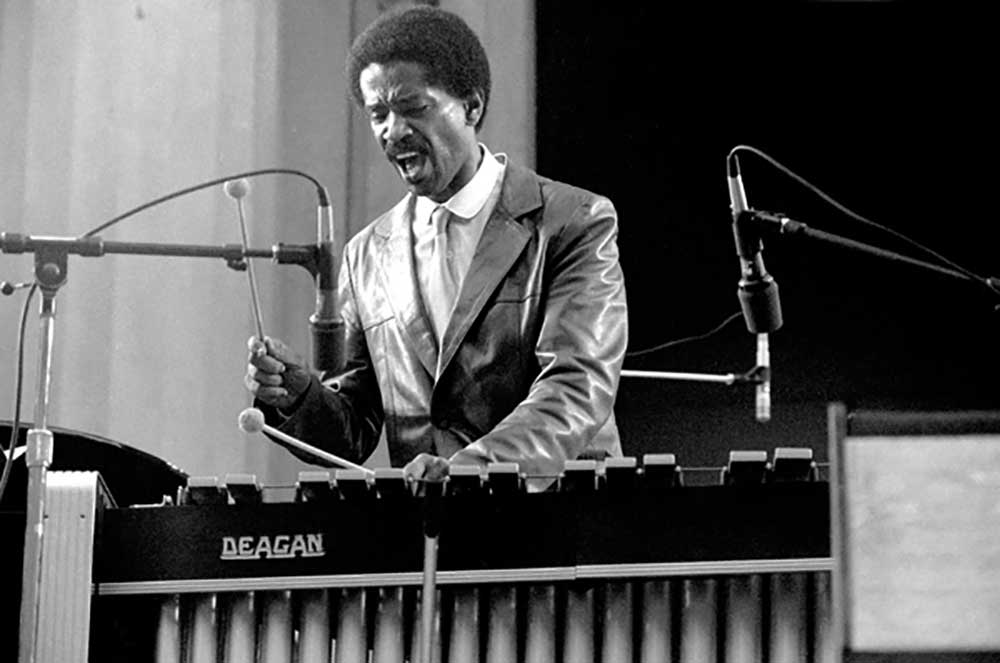
The Los Angeleno had arrived back on the West Coast in 1967 after losing his cabaret card in New York following his arrest for smoking a joint in Central Park with fellow musician Joe Chambers. He immediately connected with Harold Land – who was thirteen years his senior – just as he was assembling a quintet for the Cadet label.
Originally launched by Leonard and Phil Chess as Argo in 1955 as a jazz arm of Chess Records and renamed Cadet in 1965, the label had released a raft of famous albums from the likes of Ramsey Lewis, Ahmad Jamal, Ray Bryant, Kenny Burrell and Dorothy Ashby.
While the majority of Cadet jazz albums were recorded locally at Phil and Leonard Chess’ Ter Mar Studios in Chicago, Land chose to stay on the West Coast taking his Quintet into Annex Studios, Los Angeles, in December December 1967 and February 1968.
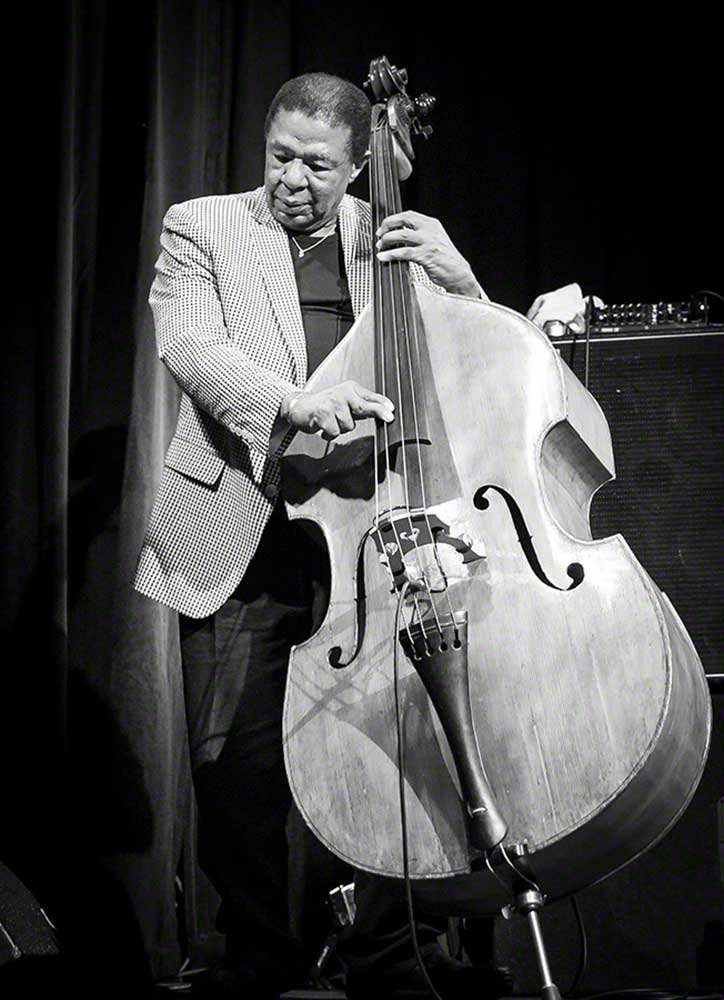
And what a quintet it was. Joining Land and Hutcherson was pianist Joe Sample of The Jazz Crusaders, bassist Buster Williams shortly before he joined Herbie Hancock Sextet for albums like “Sextant”, and on drums and harmonica Donald Bailey who appeared on over 20 Jimmy Smith albums for Blue Note.
“The Peace Maker” followed a raft of famous albums recorded for Cadet that year including Dorothy Ashby’s “Afro-Harping”, Ramsey Lewis’ “Maiden Voyage”, and Ahmad Jamal’s “The Bright, The Blue And The Beautiful”. Its title anticipated Land’s future path in Zen Buddhism following an introduction by Buster Williams. “Those thoughts must have been deep in my subconscious for a long time,” Land told Jazz Times in 2001. “It’s like I had been searching for something, leaning towards it, then I found Buster.”
Consisting of seven Land compositions and one cover, “The Peace Maker”opens with the title track, a spiritual 3/4 time lament steered by Land’s graceful horn. “That was probably the most significant tune I’ve written because of its connection to my Buddhist practice,” Land told Jazz Times. “I have no way of knowing how ‘The Peace-Maker’ affects people listening to the recording, but in clubs I notice the place quietens down…Maybe they’re looking within themselves and at the world around them and thinking what peace is all about.”
Upping the energy, the blues driven “Stylin” is most notable for the somewhat unique harmonica playing of Donald Bailey who uses his instrument like a saxophone with stunning results, trading solos with Land’s soaring flute, one of the few times he switched instrument.
Displaying the modal and hard bop sensibilities of Hutcherson and Land, “40 Love”, and “Angel Dance” that close Side One also give a platform for the serious piano playing of Joe Sample and constantly inventive bass of Buster Williams.
As does the opening number of Side 2 “Timetable”, featuring some of Land’s most commanding soloing, before the one cover of Francis Lai’s ballad “Imagine”. Then comes “The Aquarian” whose complex tempos and key changes are handled effortlessly by one the great but short lived quintets of the era.
Harold Land The Peace Maker (Verve By Request Series) LP
The album finale “One for Nini” is the Quintet at its most intense with Land and Hutcherson trading solos furiously while Williams and Baily carry the momentum forward with strength and dexterity.
Three months after the second session of “The Peace Maker”, Land and Hutcherson were back in the studio for the recordings that would become Bobby Hutcherson’s “Total Eclipse” beginning the duo’s run of albums for Blue Note. So “The Peace Maker” can be heard as a bridge album for one of the great partnerships in jazz as Blue Note transitioned into the seventies.
READ ON…
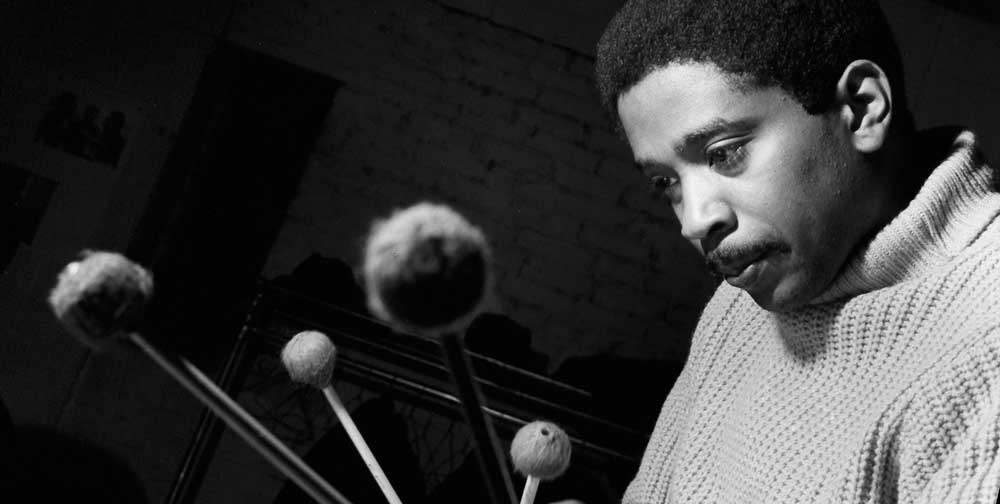
The Latin Vibes of Bobby Hutcherson’s “Montara”
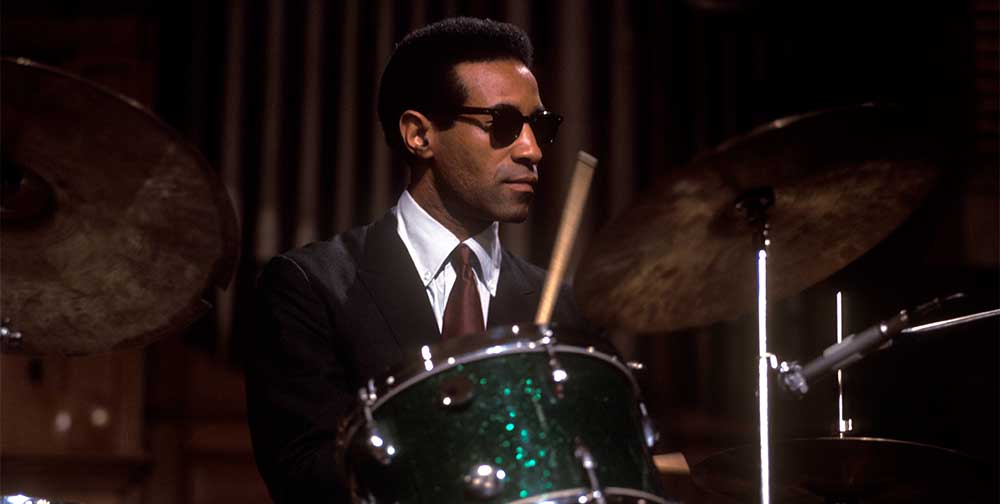
Max Roach – The Most Melodious Drummer in Jazz
Header Image: Harold Land I Photo: Brian McMillen
Andy Thomas is a London based writer who has contributed regularly to Straight No Chaser, Wax Poetics, We Jazz, Red Bull Music Academy, and Bandcamp Daily. He has also written liner notes for Strut, Soul Jazz and Brownswood Recordings.