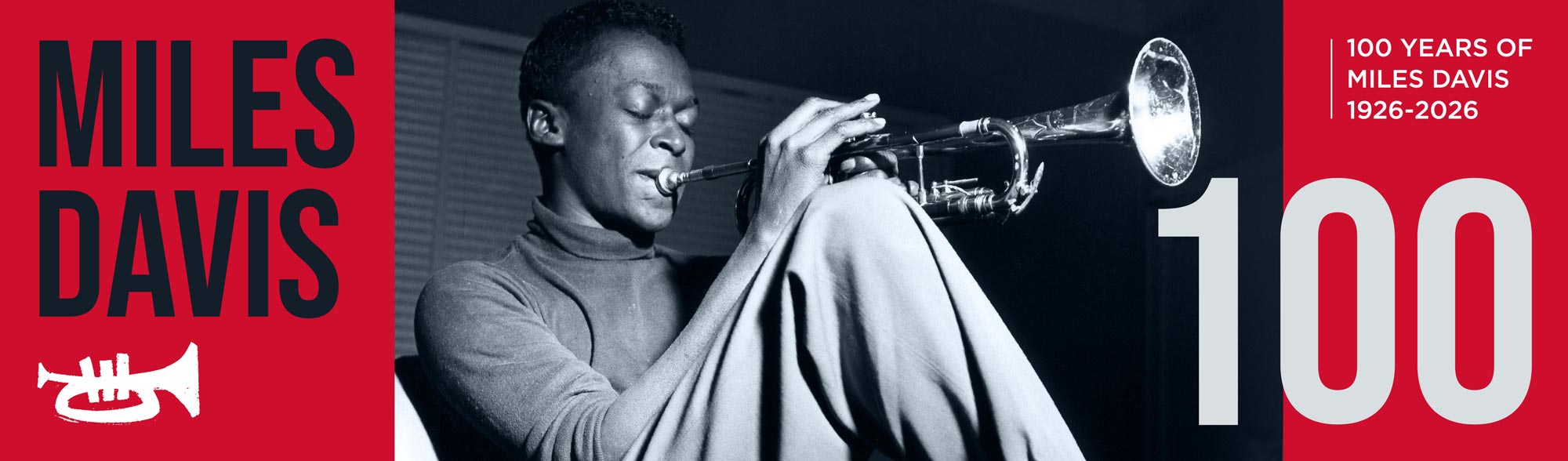
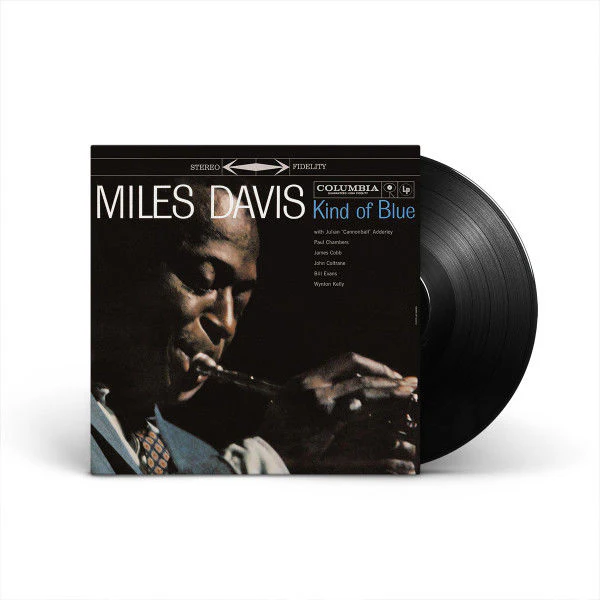
The instantly recognisable trumpet sound of Miles Davis (1926-1991) is the gateway for so many people to get into jazz. His masterwork, “Kind of Blue” (1959, Columbia) not only assembled a stellar band of colleagues – Cannonball Adderley (alto saxophone), John Coltrane (tenor saxophone), Bill Evans & Wynton Kelly (piano), Paul Chambers (bass) and Jimmy Cobb (drums) – it popularised the new sound of modal jazz. “Kind of Blue” has been on the turntables of music lovers ever since.
In the 100 years since Miles Davis’ birth, it’s worth stepping back to consider the wider contribution that Miles Davis made, not only to jazz, but to all of music, and much of the culture of the 20th century.
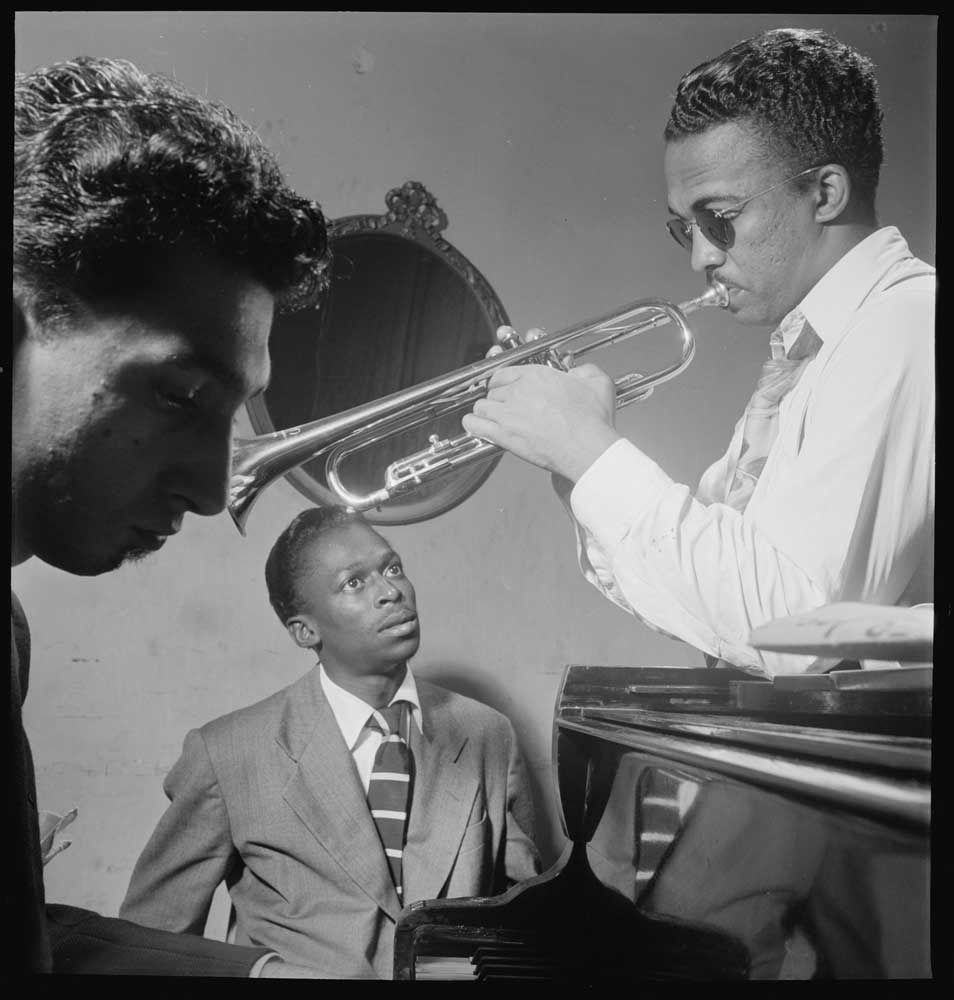
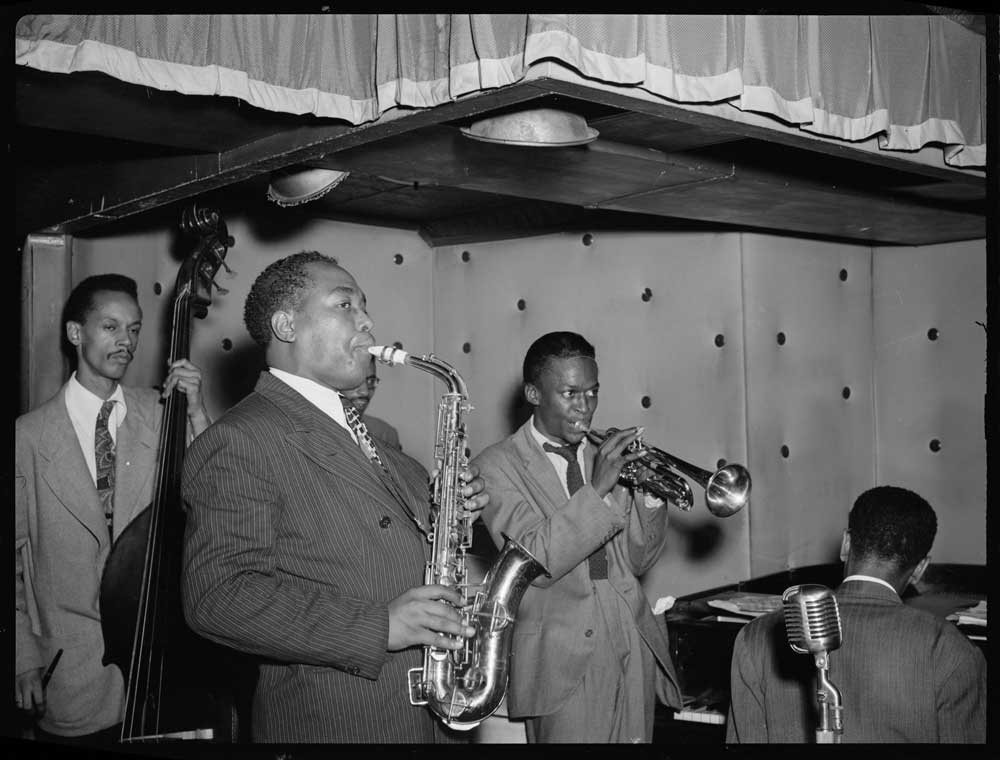
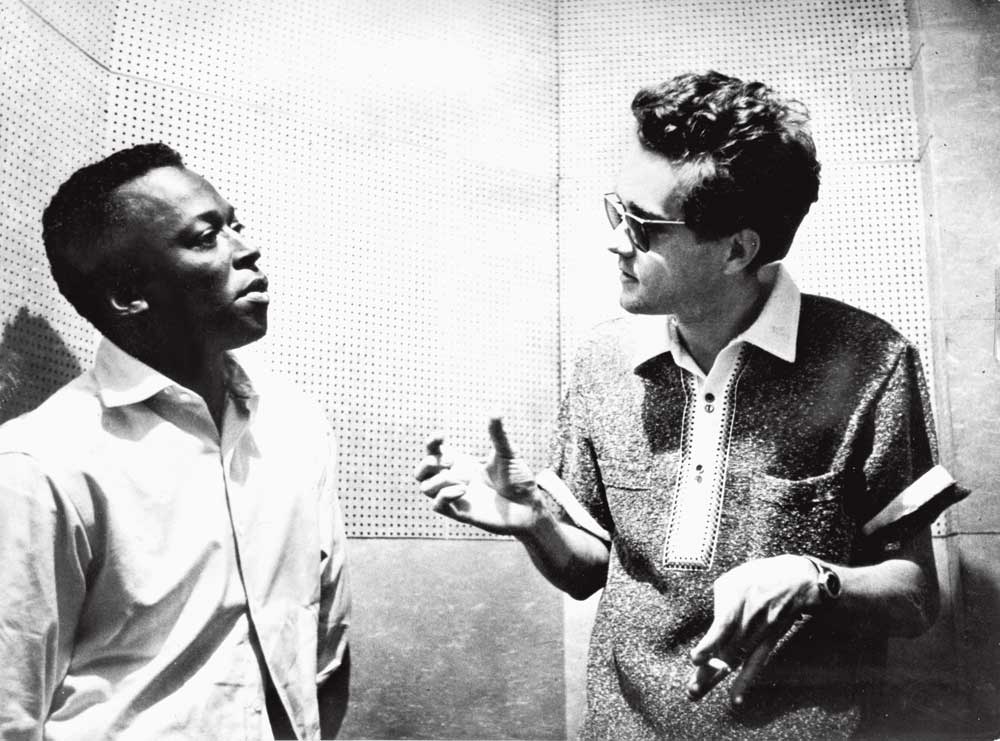
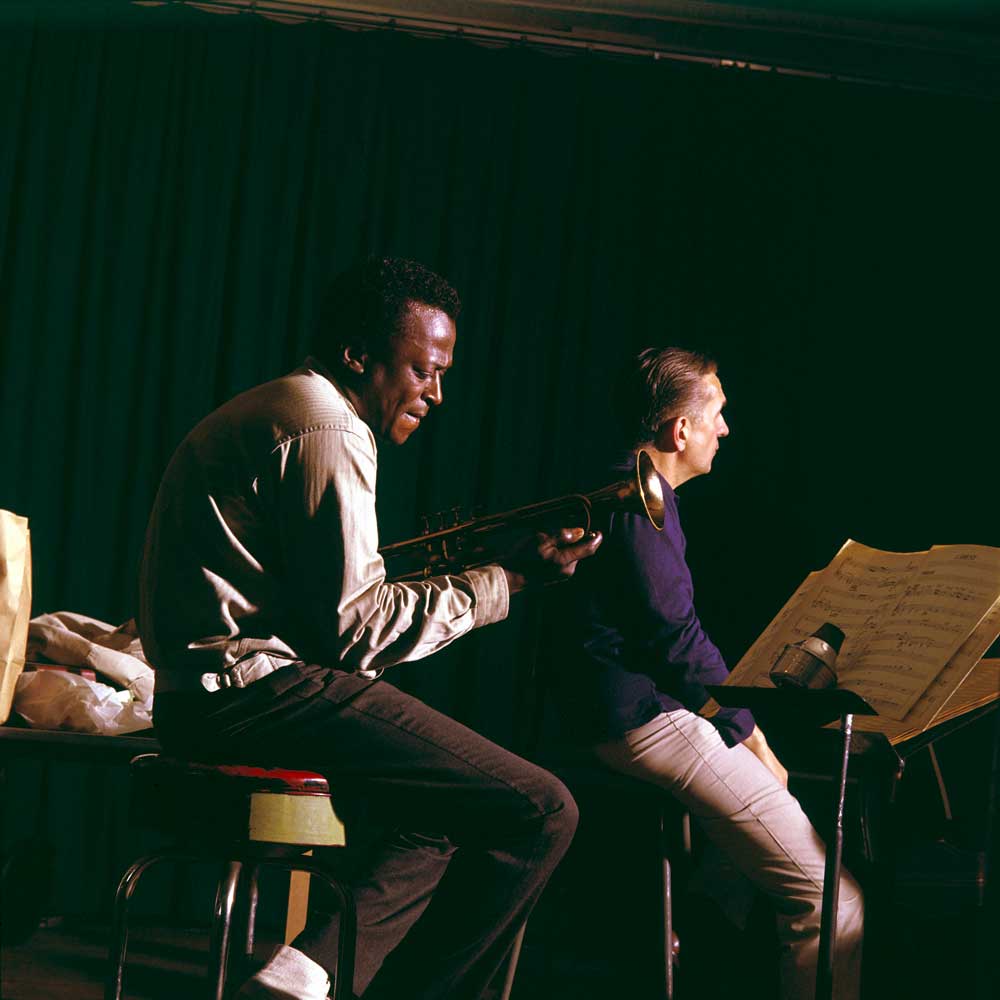
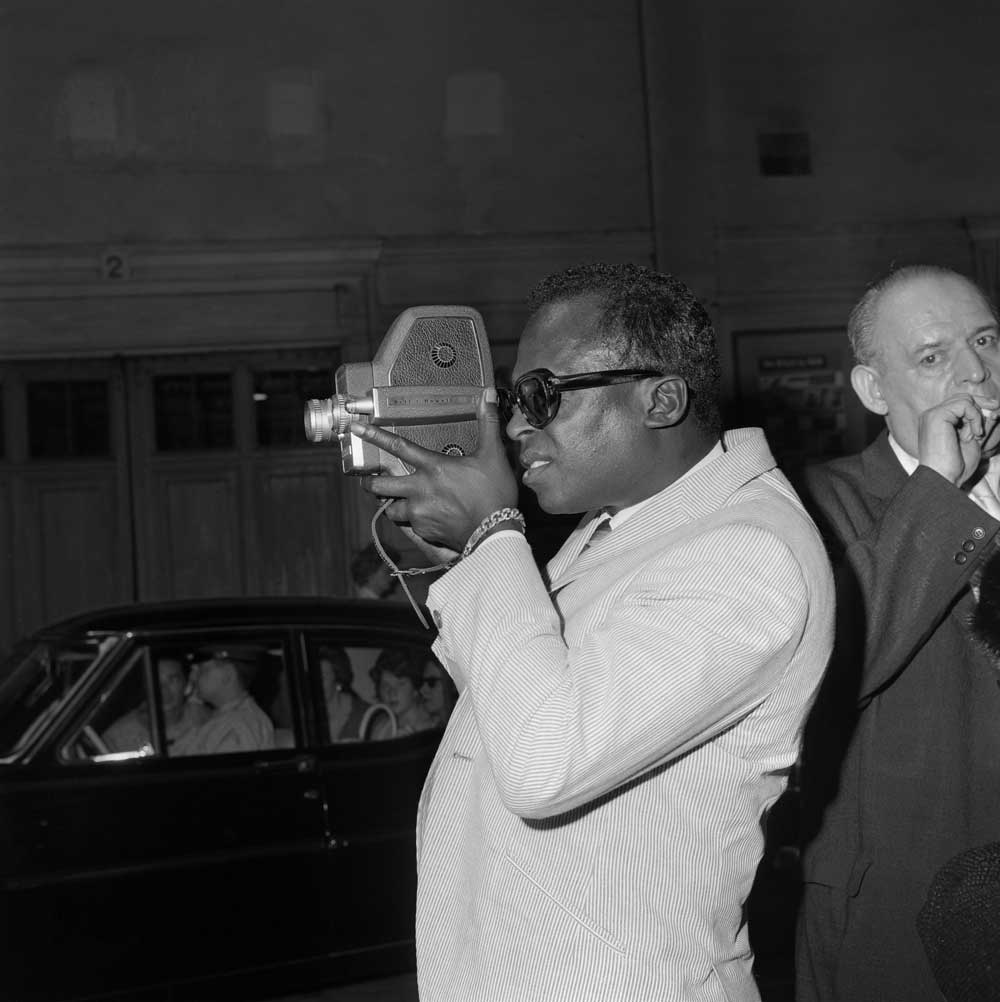
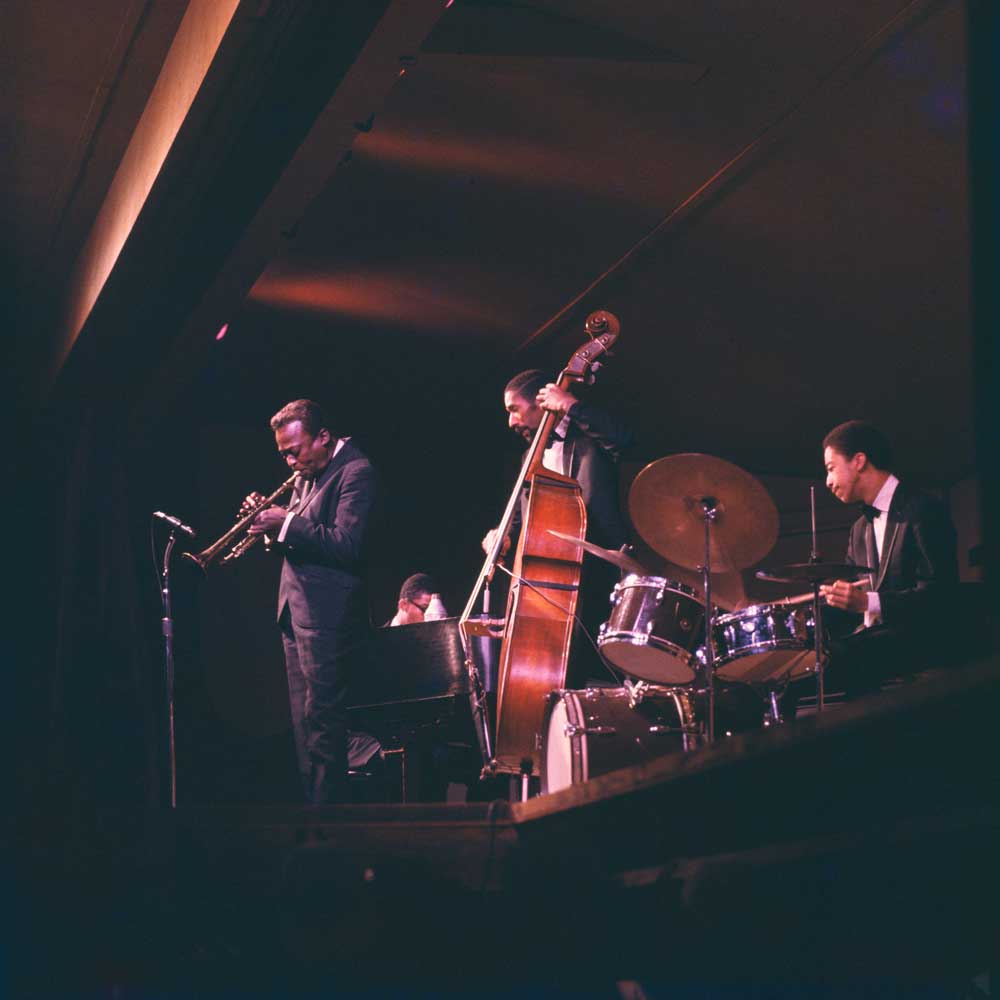
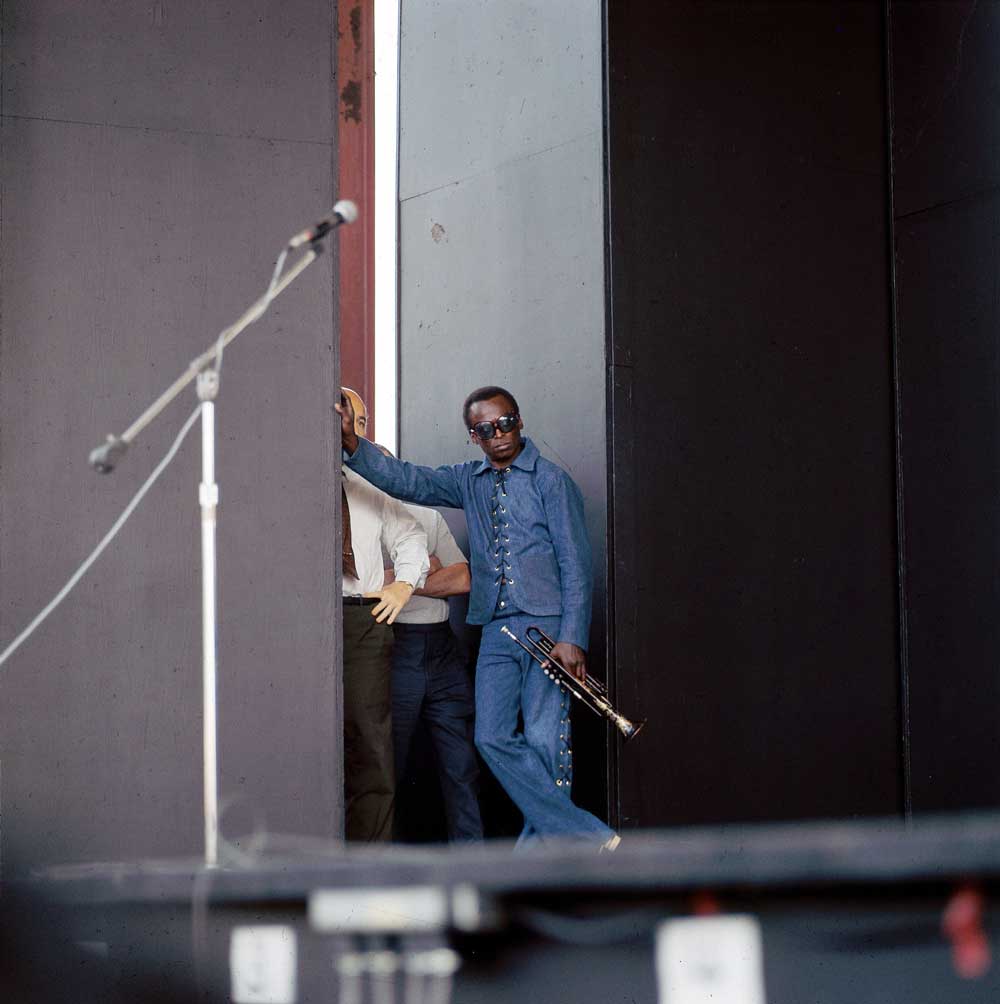
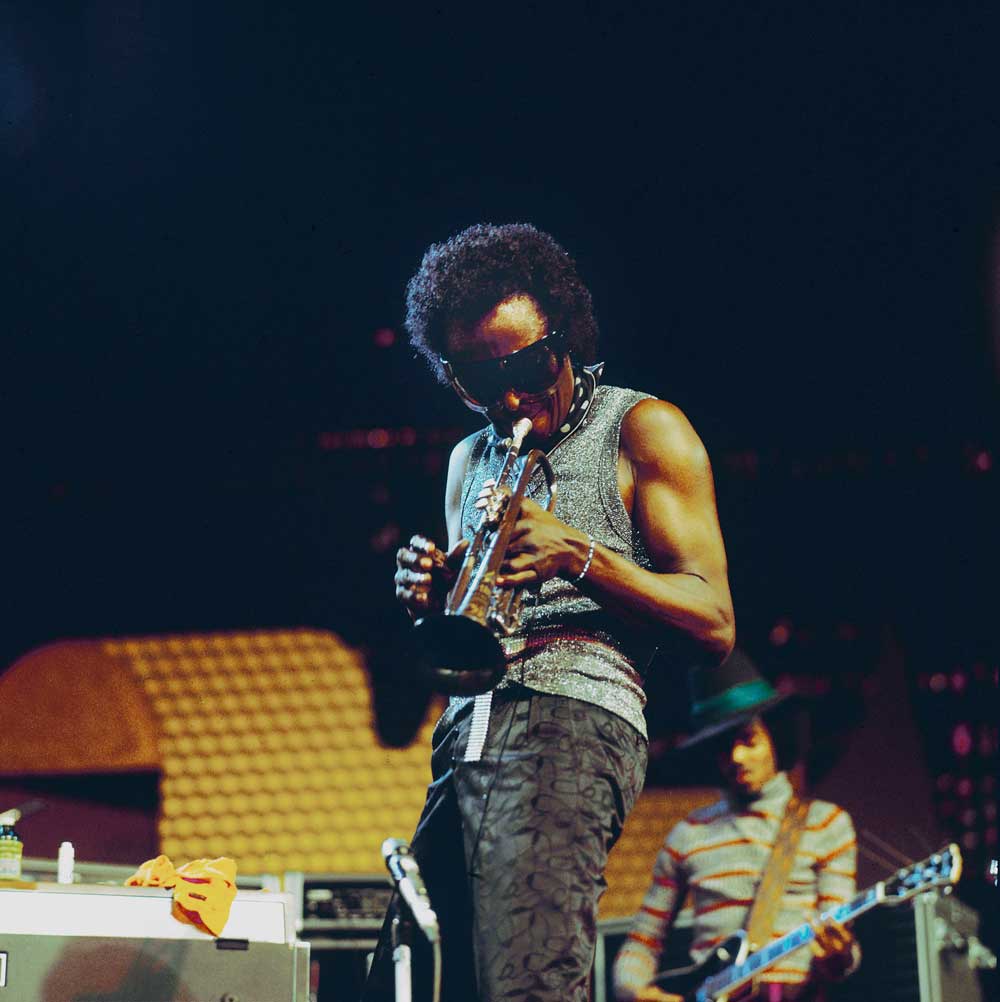
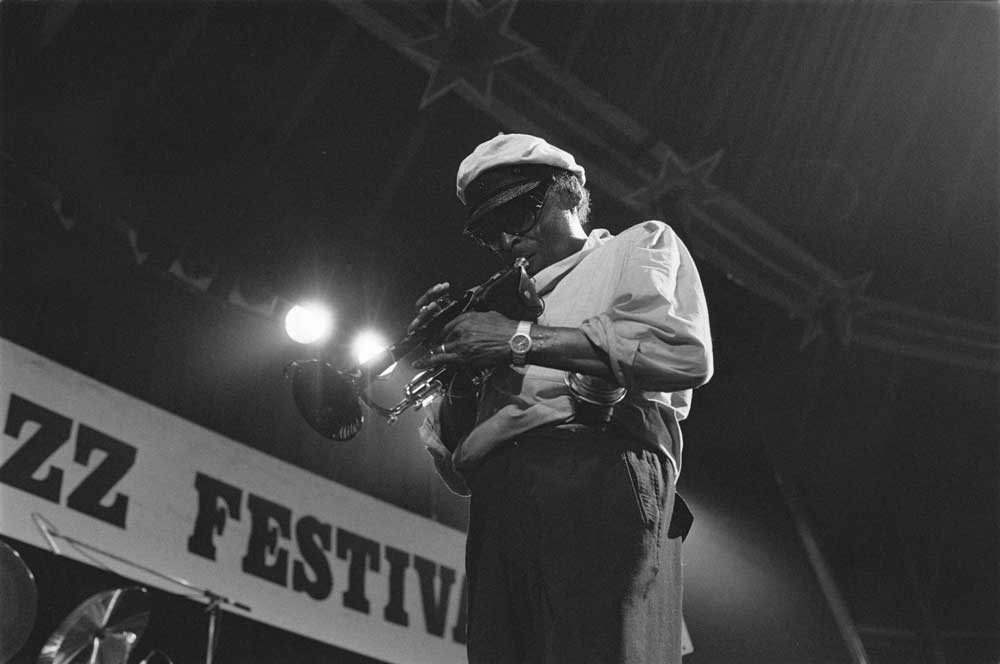
Click images to enlarge.
From bebop to modal jazz, film soundtracks to fusion, Miles Davis remained at the vanguard of music throughout his life. We’ve gathered together a collection of stories, images and albums that show just how important Miles Davis was in his lifetime, and remains today.
Scroll or click below to skip to section.
The Making of Miles – His Music, Style, and Evolution
What defines the music of Miles? Certainly his harmon muted, raspy trumpet tone defied the bombastic image of a more traditional trumpet player. But he was also a great bebop player; was totally at home with standards (we recommend his utterly charming rendition of “If I Were a Bell” from Guys and Dolls on “Relaxin’ With the Miles Davis Quintet”) and undertook plenty of music adventures beyond jazz. Check out our overview of what we consider to be his key albums, alongside some deep dives into other titles.
Miles Davis’ Best Albums
Miles Davis is known for his beautifully sparse, inventive, and shape shifting music, but over his long career he produced a collection of hugely diverse albums. Let us guide you through the essential albums – musical voyaging, guaranteed.
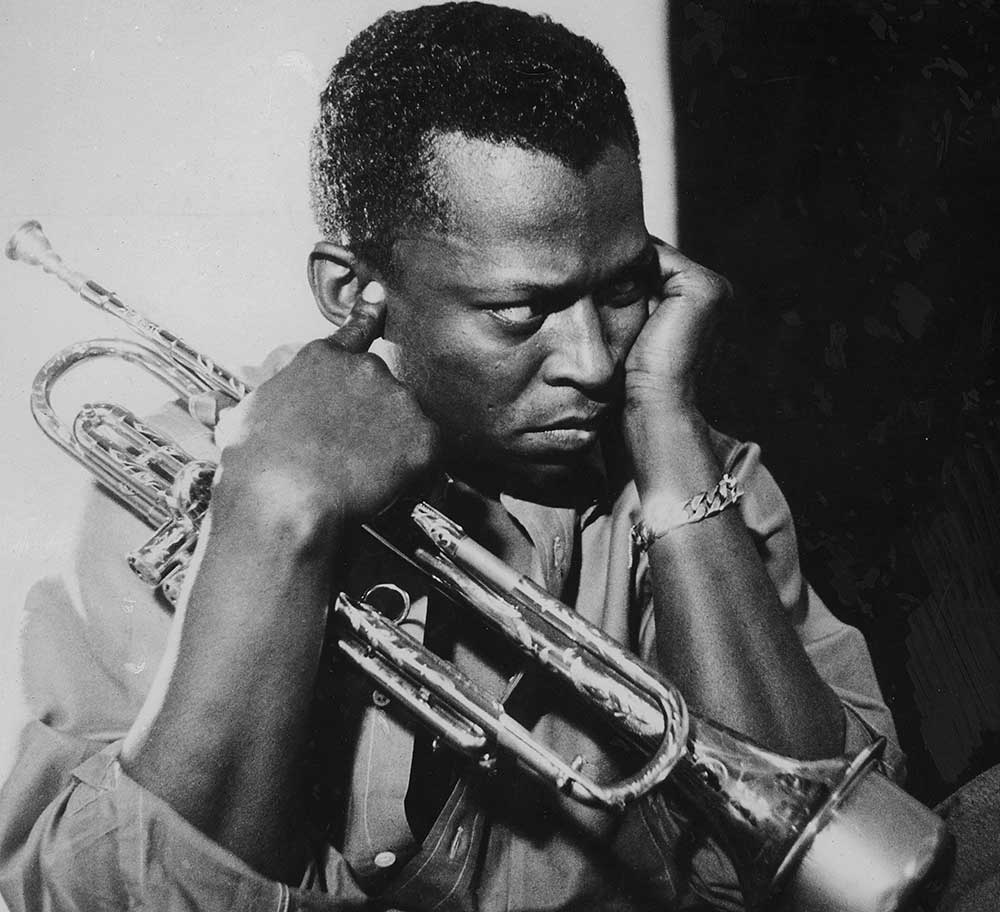
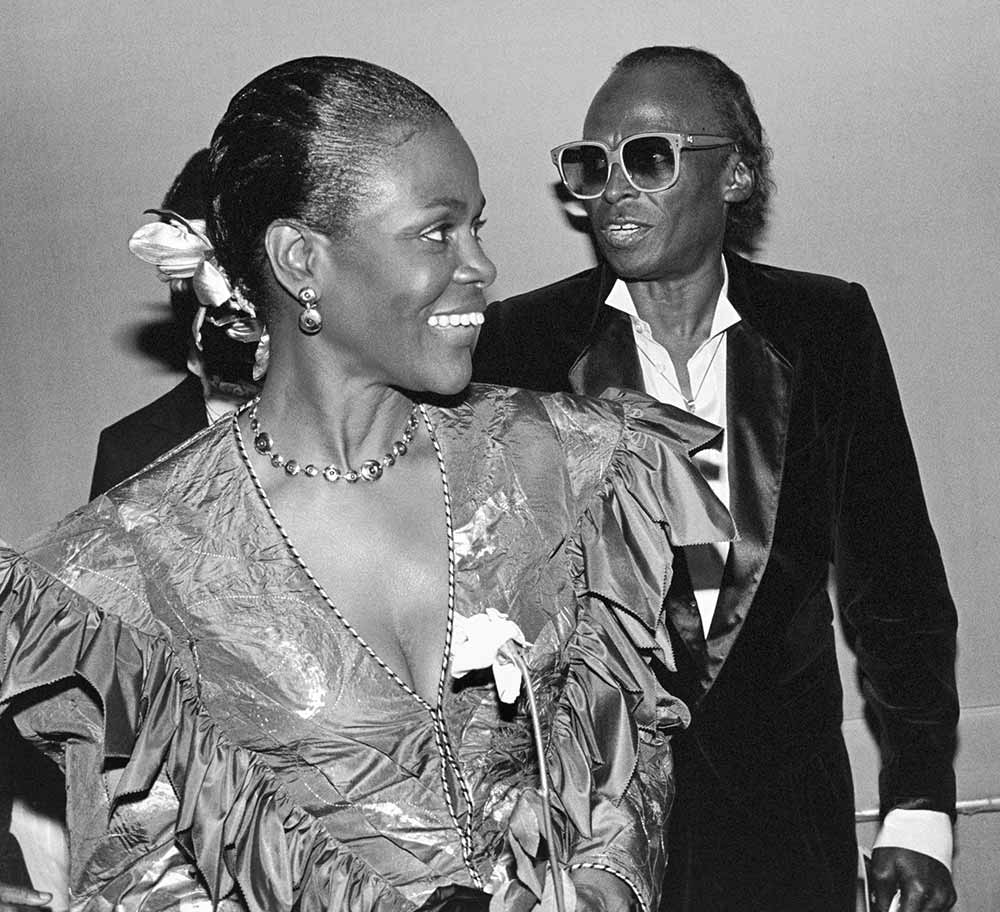
The Making of Miles Davis – The Musicians, Creatives and Women Who Inspired Him
Miles Davis was one of the most influential musicians and style icons of the 20th century, and a father figure to many – but who influenced HIM?.
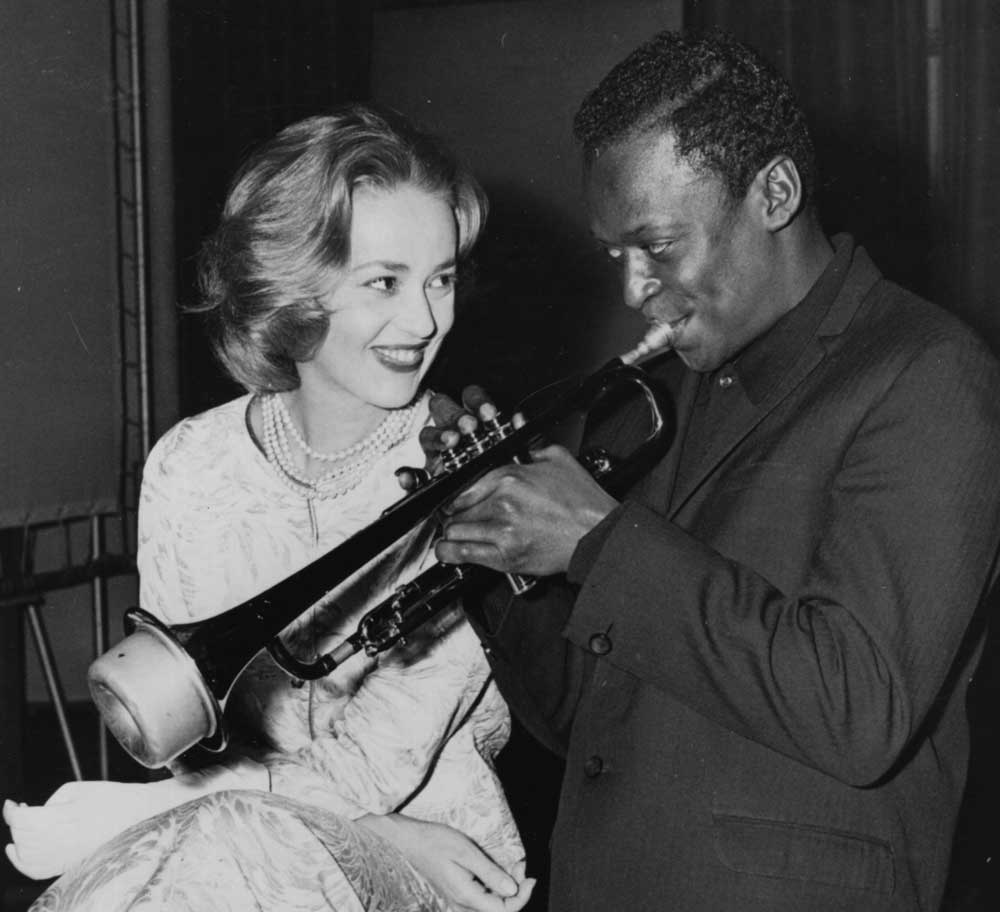
Miles Davis – Ascenseur pour l’échafaud
So much more than just a movie soundtrack: When legendary trumpeter and music icon Miles Davis provided the thrilling music for Louis Malle’s French film noir, he also laid the template for moody, modal jazz for decades to come.
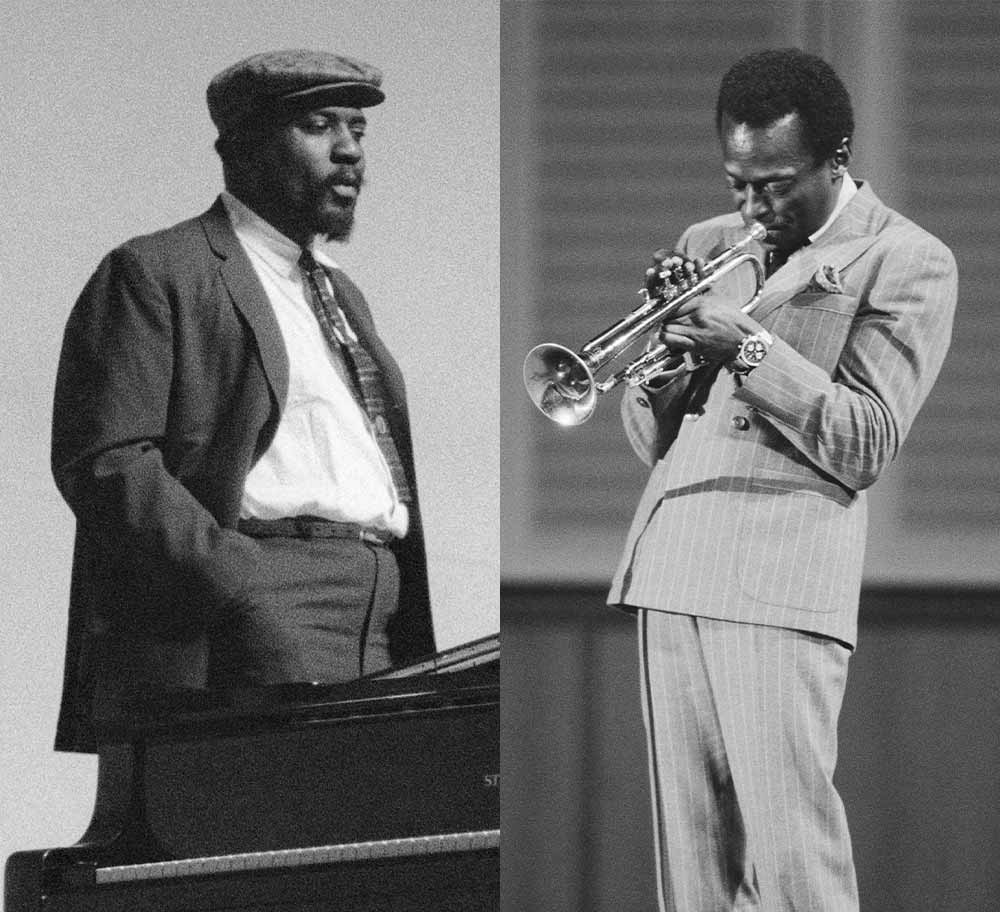
Miles & Monk Meet: Bags Groove
When jazz icons Miles Davis and Thelonious Monk met, it resulted in one of the most notorious recording sessions in the music’s history and a classic album: “Bags Groove”, recorded in 1954 and first released in 1957 by Prestige.
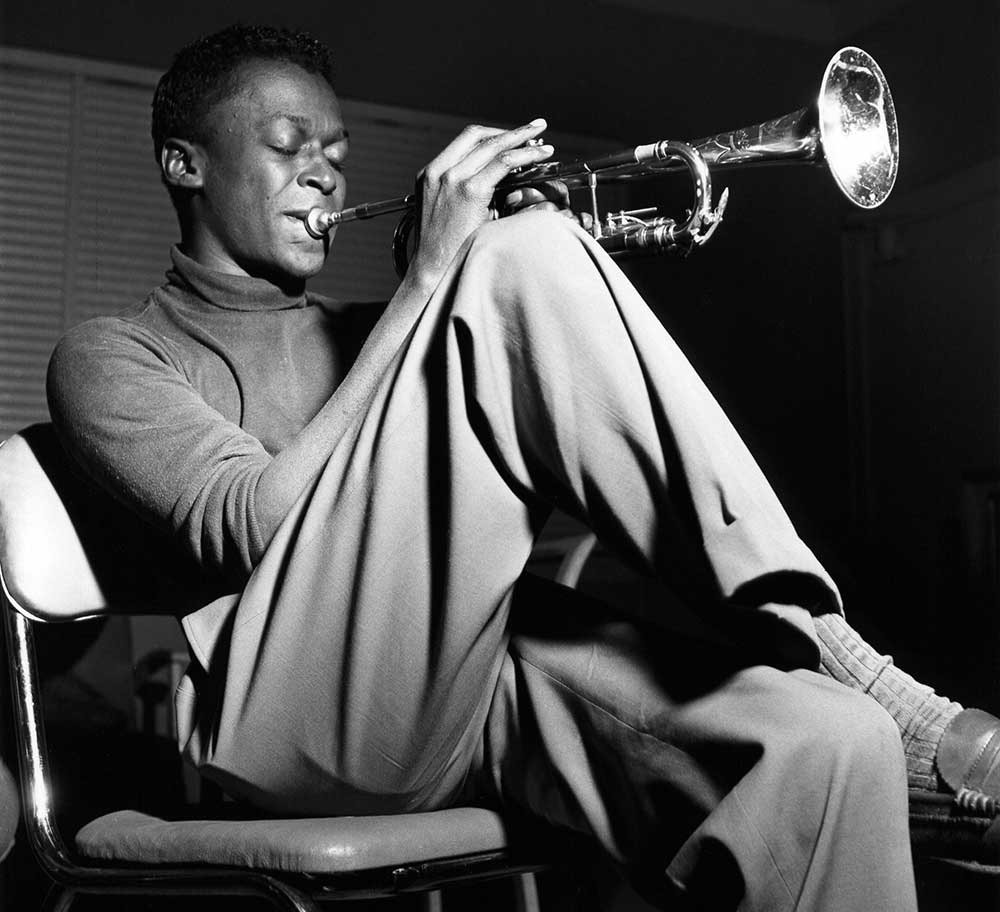
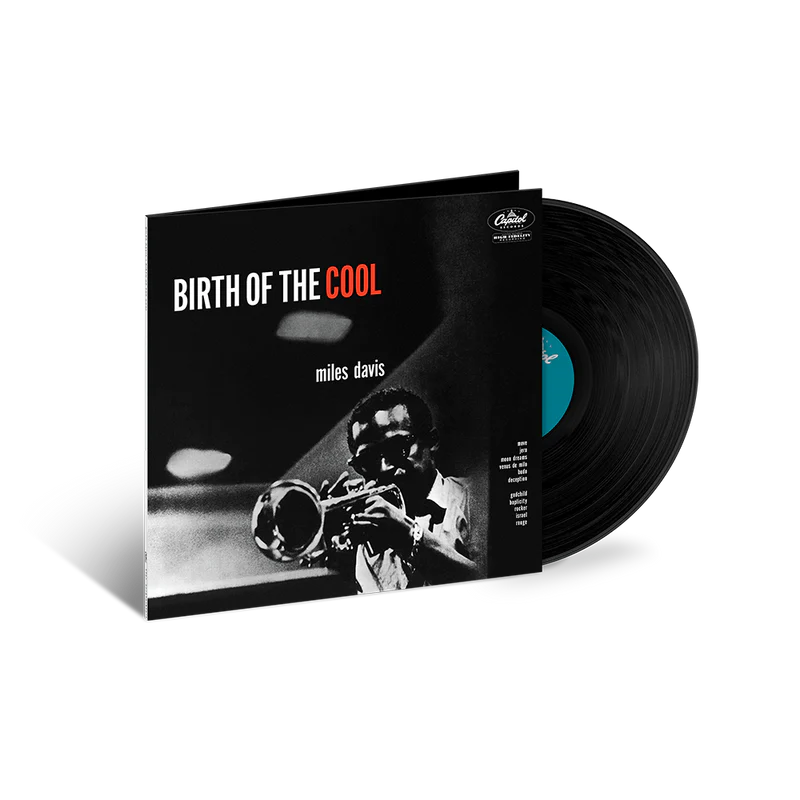
The Making of Miles Davis’ “Birth of the Cool”
In a career full of influential albums, Miles Davis’ “Birth Of The Cool” was his first, laying down the template for cool jazz during the 1950s and marking the beginning of his famous collaboration with Gil Evans.
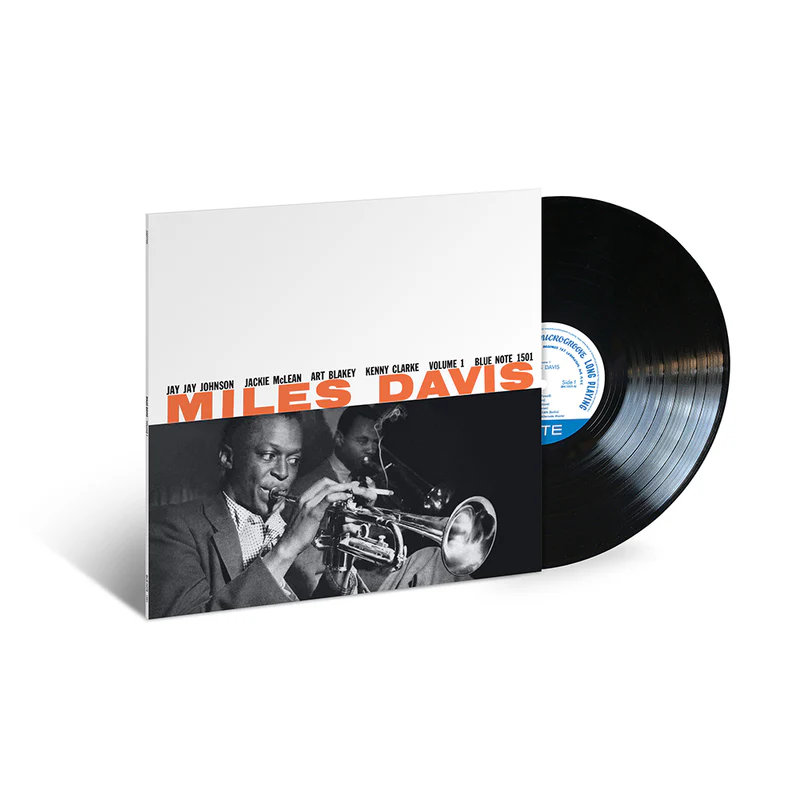
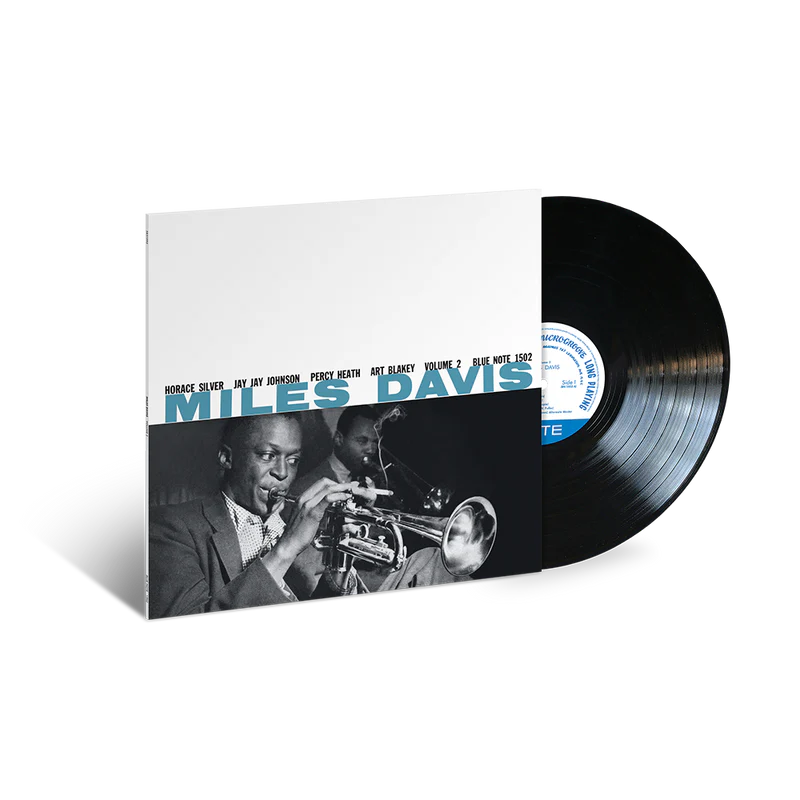
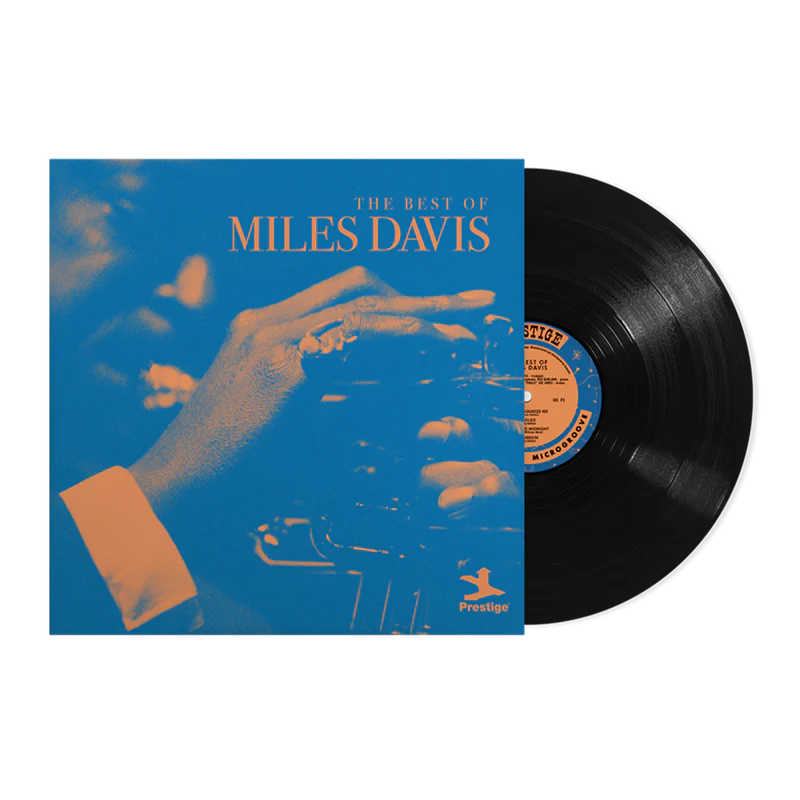
Miles Davis Collection
Browse some of our favourite Miles Davis albums from the store.

MILES DAVIS T-SHIRT BUNDLES
We’re celebrating the 100th anniversary of Miles Davis’s birth with the launch of our brand-new Trumpet Tee and 3 exclusive Miles bundles

The World of Miles – His Collaborators
Miles Davis never rested on his laurels; his musical language was always evolving. Whilst he had a reputation as an exacting leader, his keenly honed instinct for young talent combined with his interest in contemporary music, art and literature saw him swim in many different musical waters. Learn more about some of the musicians he worked with.
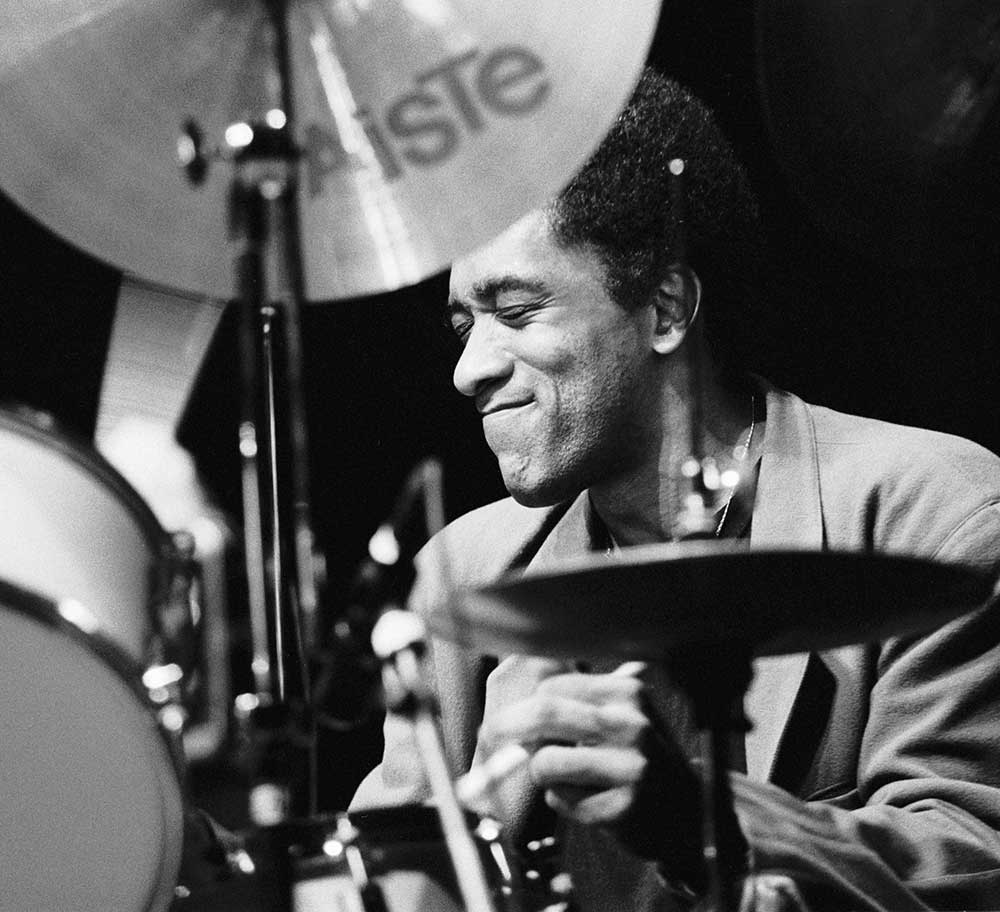
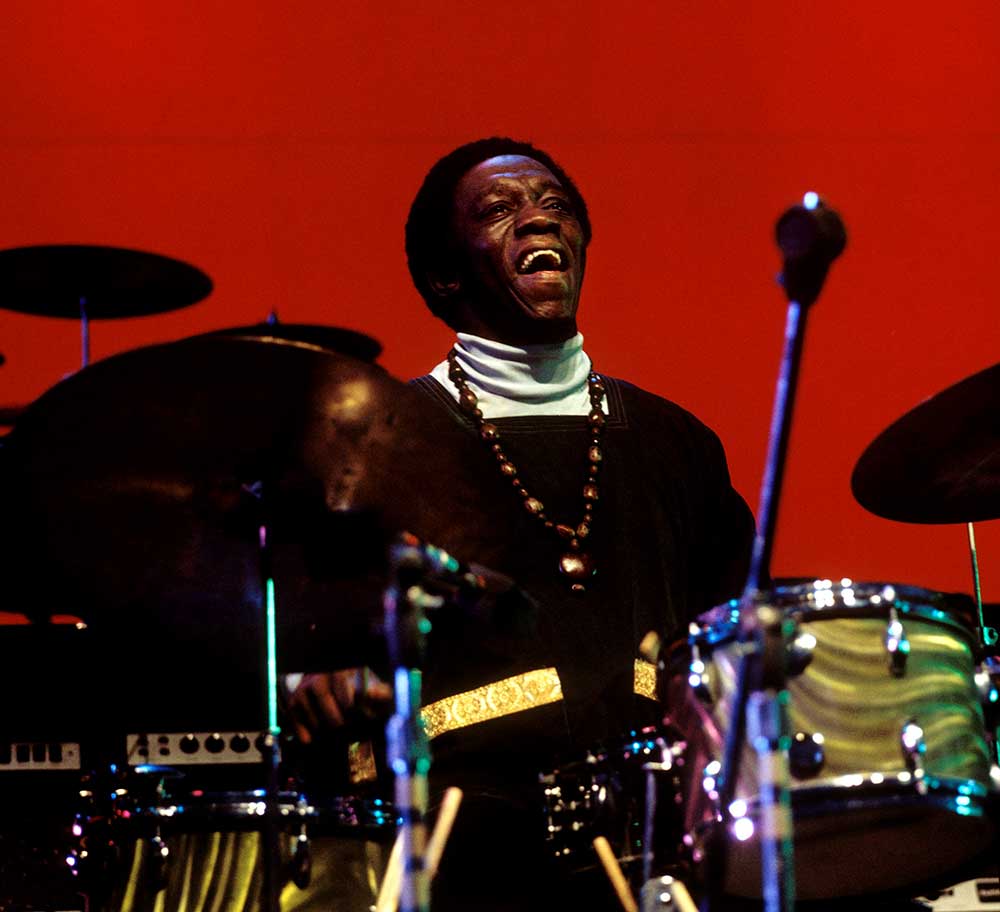
How Drummer Al Foster Shaped Miles’ Electric Sound
Al Foster, who passed away on 28 May 2025, will be remembered as the powerful and precise drummer providing the rhythmic foundations for Miles Davis’ electric era experimentations.
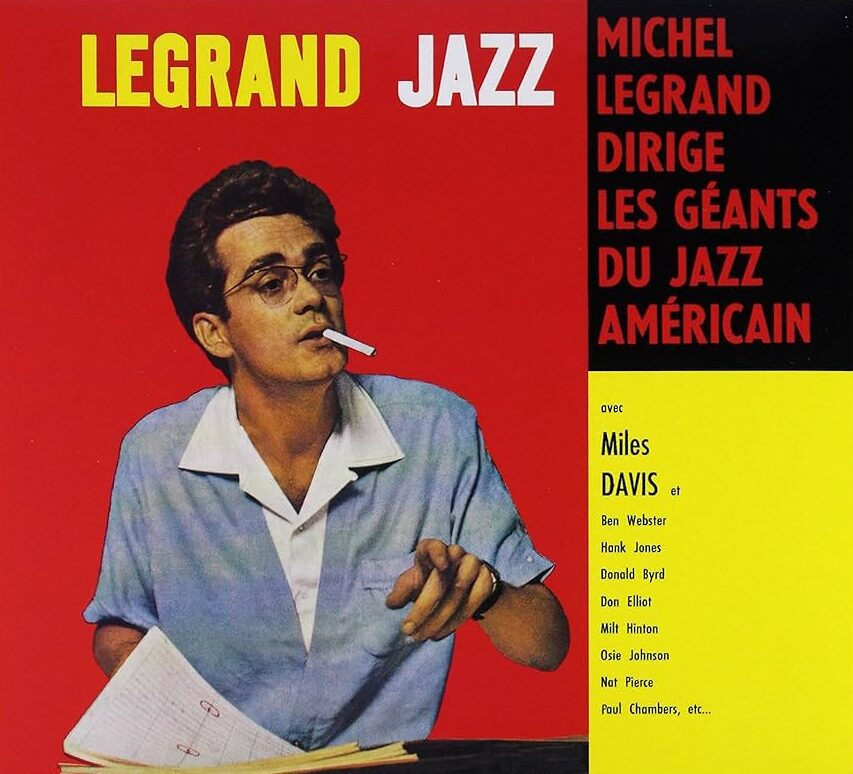
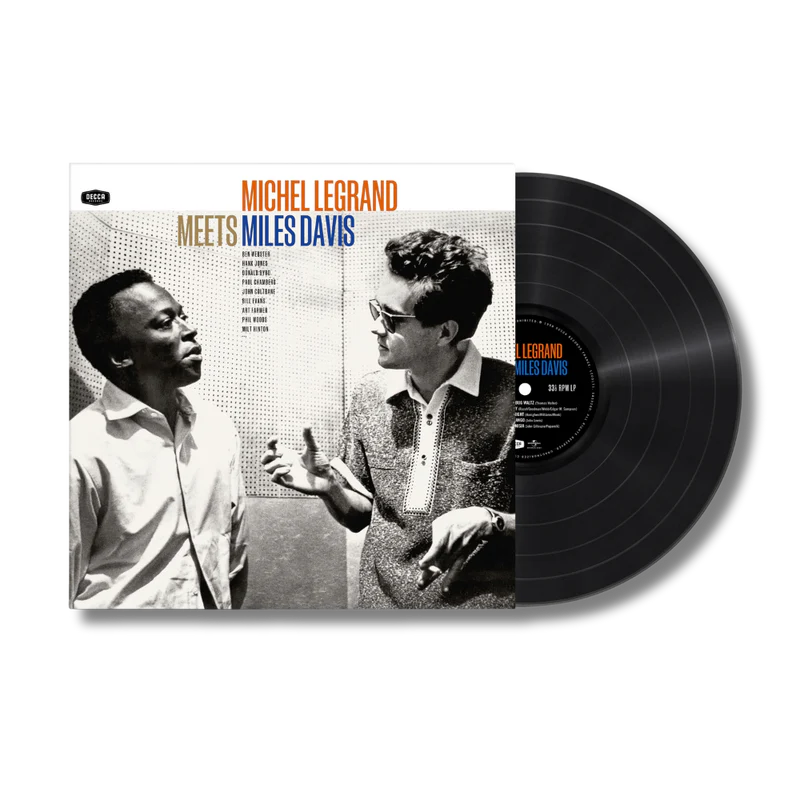
An Unsung Classic – Miles Davis and Michel Legrand’s “Legrand Jazz”
Miles Davis collaborated with the gifted French composer and arranger Michel Legrand to create a classic, sometimes unsung album which also featured a remarkable array of guest players including John Coltrane, Ben Webster, Paul Chambers, Bill Evans, Herbie Mann, Donald Byrd and Teo Macero.
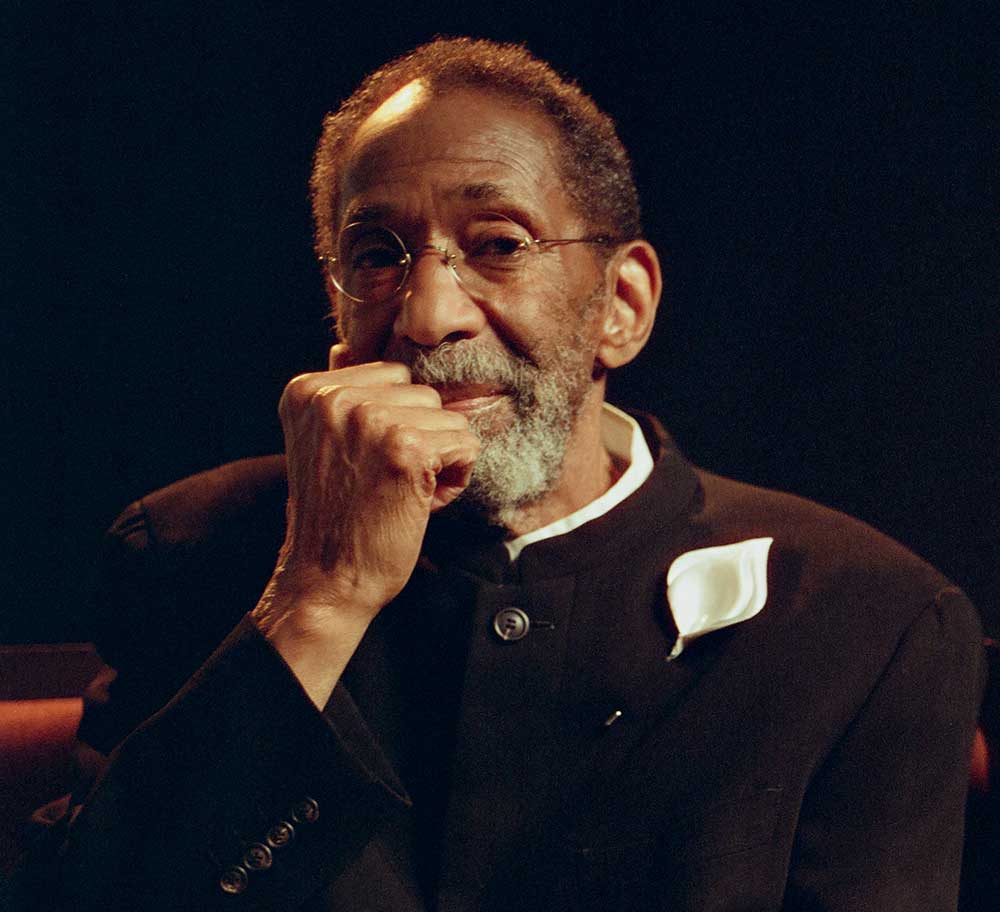
Legendary Bassist Ron Carter on His Career, Miles Davis, and his Blue Note Recordings
Bassist Ron Carter is a true elder statesman of Jazz. Everything Jazz caught up with him to discuss his life in music before looking at some of the seminal Blue Note recordings he played on.
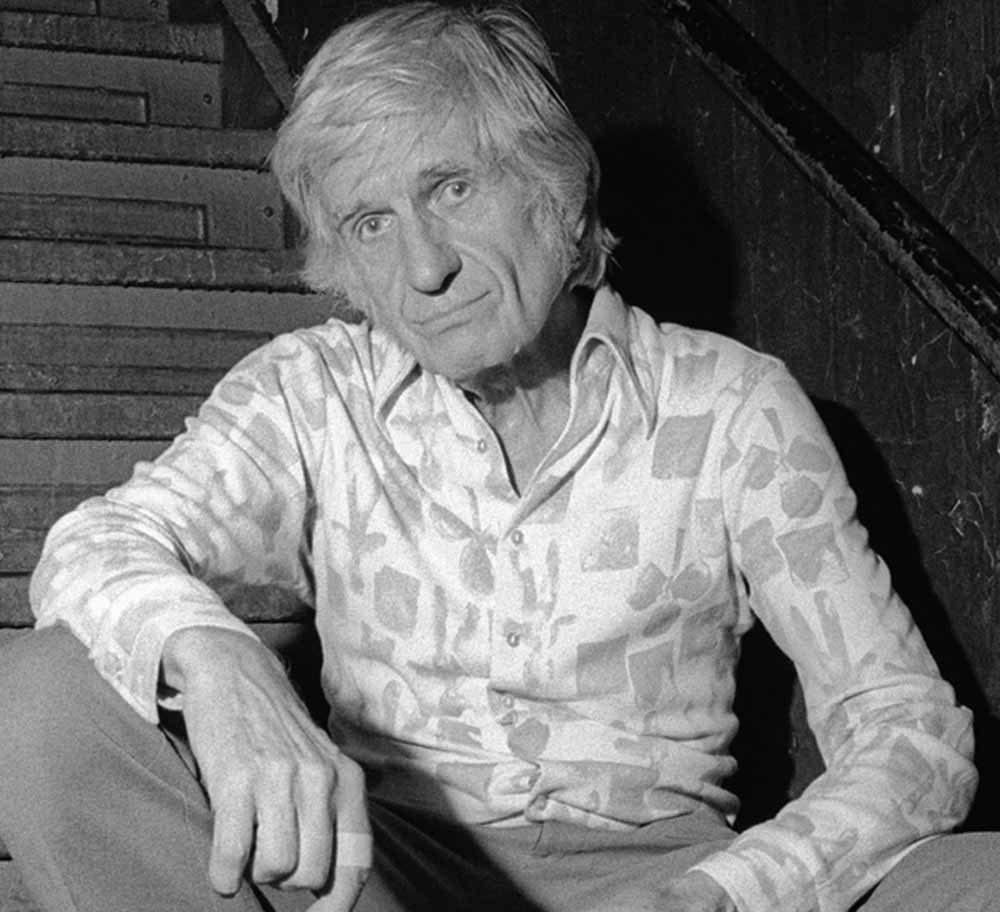
Gil Evans – Miles Davis’ Master Arranger
Whilst trumpeter Miles Davis put the cool in jazz, it was an enduring partnership with composer and arranger Gil Evans that defined the sound of enduring albums such as “Sketches of Spain”. Read our round up of the best of Gil Evans’ discography.
Forging a Legacy and a Legend
By the time of his death in 1991, Miles Davis was a music, cultural and economic force to be reckoned with. But in the 21st century, his legacy as a player, composer and innovator lives on in jazz, fashion, and artistry.
Jazz Stories on Film – Digging the Getty Images Archive
Join us for a tour of an incredible photographic archive of jazz history
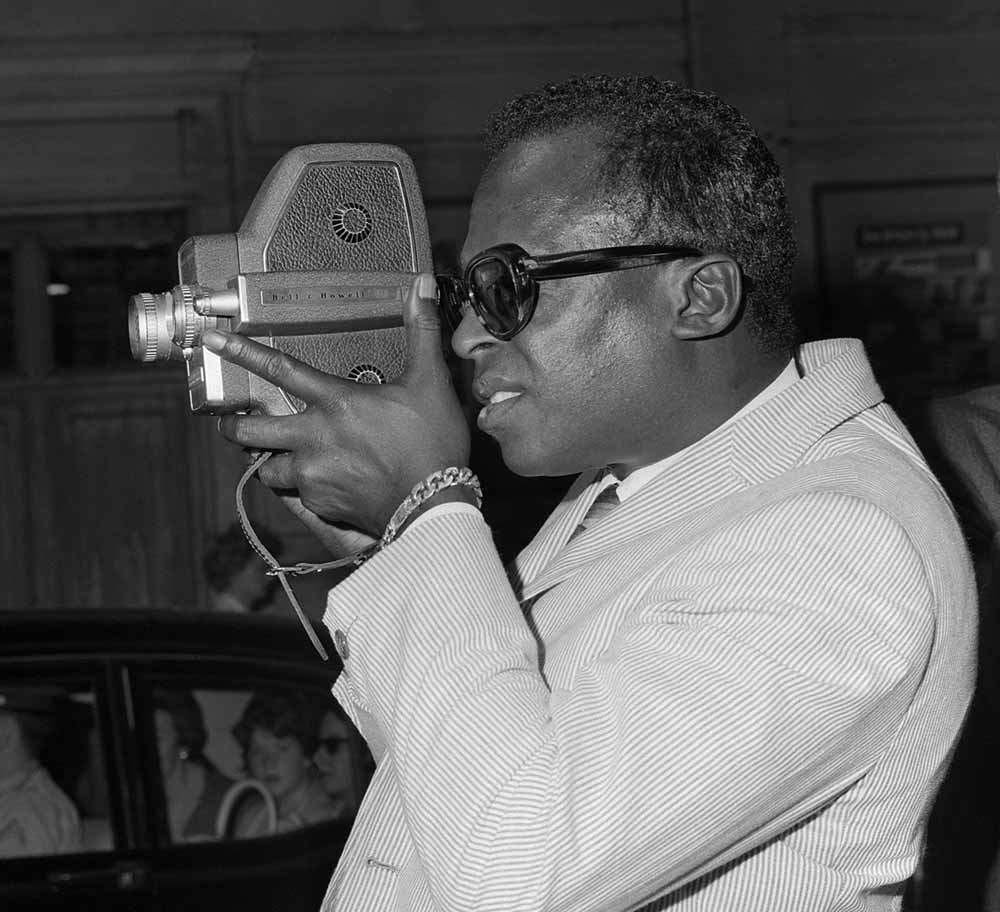
Miles Davis – His Best Moments on Screen
Whether crafting a noirish score, appearing in concert films and live footage – from 1950s French TV to later performances – or stepping in front of the camera as an actor or interviewee, Miles Davis always seemed made for the moving image.
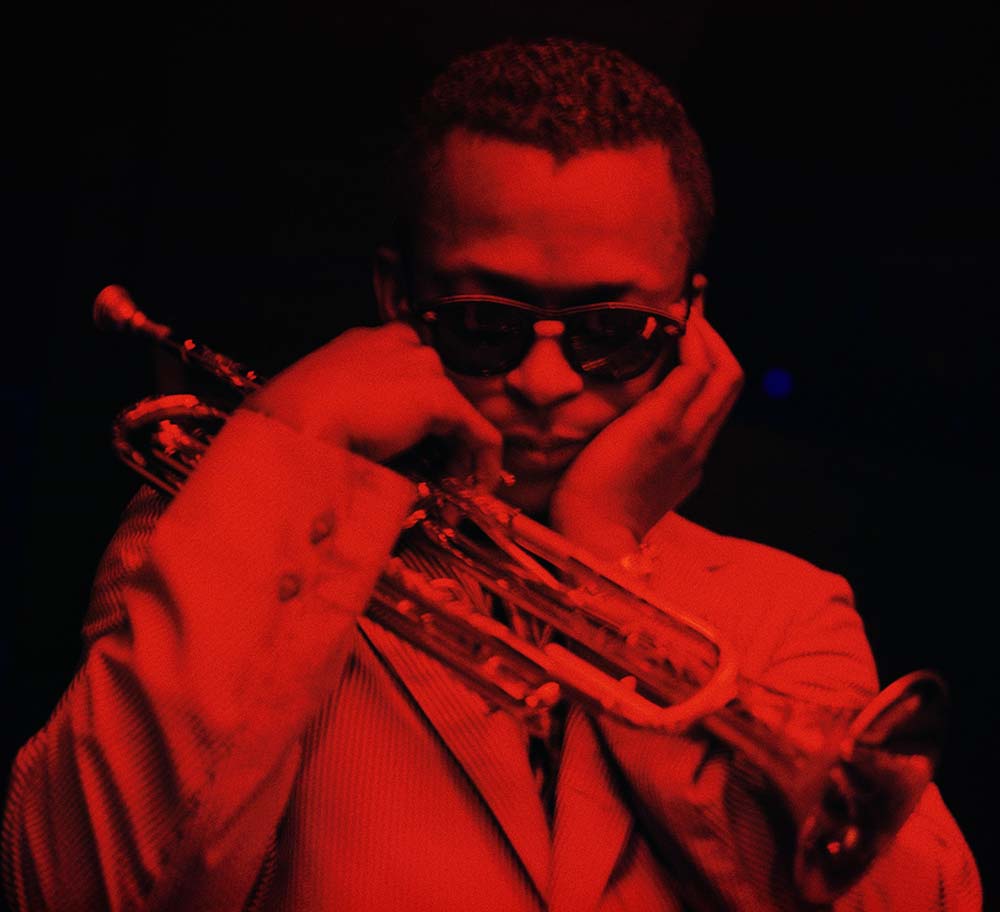
Beyond Miles Davis – His Legacy Through the Trumpeters at Blue Note
While Miles Davis recorded his most groundbreaking albums for Columbia, he retained a close connection to Blue Note, inspiring the label’s trumpeters in their own innovations.
Joinin’ The Bops – Hard Bop
Jazz fans new and old are often puzzled by the difference between bebop and post bop, but with careful listening – and the right records, it gets much easier.

With a trajectory spanning from be-bop to hip-hop, Miles Davis is perhaps the quintessential 20th century artist, constantly forging ahead, never looking back, always in pursuit of the next sound, the next innovation.
Daniel Spicer
REDISCOVER JAZZ
Sign up for your free online course in jazz history & culture.
KEEP IN TOUCH
To find out more about our stories, music and Everything Jazz, email us at
info@everythingjazz.com. We’d love to hear from you!
Alternatively, follow us on socials at the links below.