
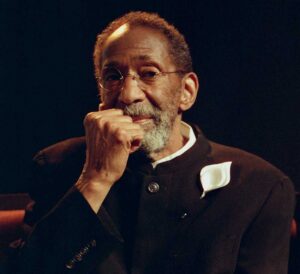
Appearing on more than 2,200 recording sessions over six decades, bassist Ron Carter has left an indelible mark on the history of jazz. First turning heads as a member of Miles Davis’ second great Quintet (Columbia 1963-68), he played on some of the most famous jazz albums ever recorded for Blue Note and other iconic labels including Prestige, Riverside, Atlantic, CTI and Milestone.
As a hugely prolific and in demand sideman, he’s responded to the different rhythmic and harmonic advancements of many of the greats at Blue Note. While he has been a constantly versatile musician on the recordings of others, he has also released more than 60 albums under his own name.
Breaking new ground with his playing in varied musical settings – from post bop and modal jazz to fusion and classical, he has recorded in formats ranging from chamber jazz nonets and intimate trios to progressive quartets and expansive big bands.
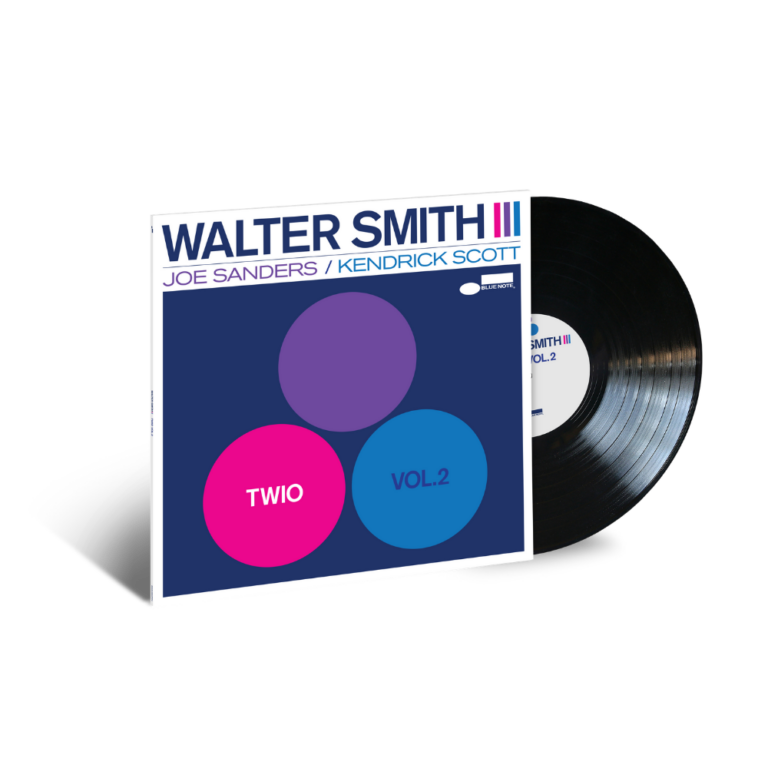
Rather than looking back though, Ron Carter is very much about the present and the future with recent releases ranging from a guest spot on Walter Smith III “Twio, Vol. 2” and a new jazz gospel album for Blue Note “Sweet, Sweet Spirit” with singer Ricky Dillard
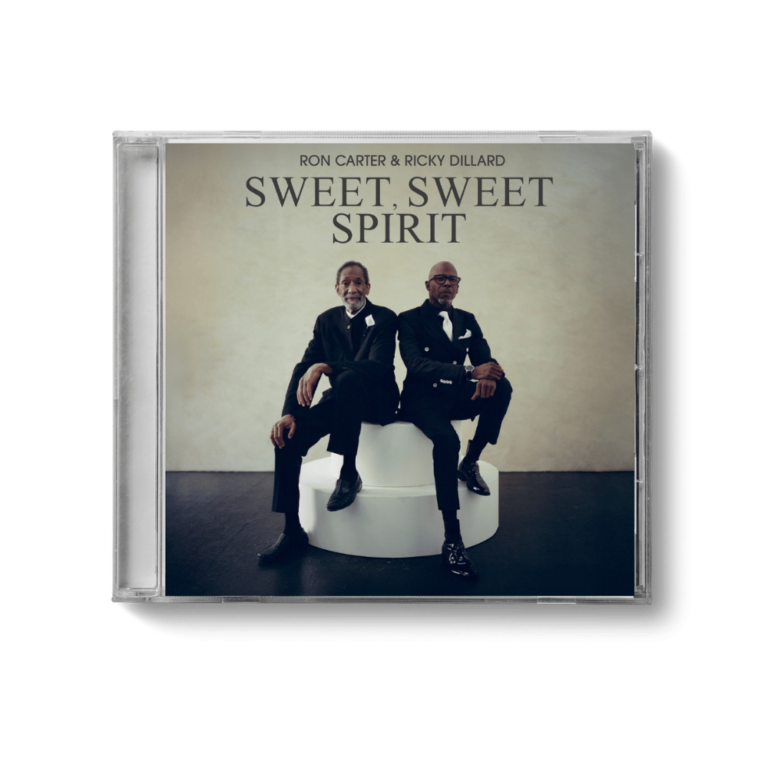
A tribute to Carter’s late mother, “Sweet, Sweet Spirit” is a collection of her favourite hymns he wrote on his bass during her final days. “We put in a lot of work with arrangements, personnel, schedules, and studio,” Carter tells me a few days before his 69th birthday shows with his Foursight Quartet at The Blue Note in Manhattan. “It was just as big a deal to find a studio in New York that was still standing as it was to record there. That was one of the many challenges presented to us that we were able to overcome in order to make this record what it is.”
Growing up in the Detroit suburb of Ferndale, the church taught him the power of music in the community. “Every church had a choir and they would sing these hymns as a need to cry out for help. It wasn’t just a social gathering or a place to exchange recipes,” he says. “Singing was how they communicated through their sermons and through their lyrics. That was their way of protesting and to get relief from what they were going through.”
Eighty years later Carter is making arrangements to songs he grew up hearing, not really knowing what the words meant at 10 years old. “I had to find the right kind of bass notes and the right placement, so they would not interfere with the fierceness in the lyrics,” he says. “But to still have the bass as the nail that holds the pieces of wood together.”
Carter started out in music at the age of 10 when his mother encouraged him to join a school music programme. The instrument he chose was the cello and it was only during his studies at the famous Cass Technical High School that he took up the bass when fellow student Paul Chambers left for New York. “There was a space in the school orchestra so I was like “I’m going to do that. So I talked my parents into getting me a string bass: sold my cello and got a bass teacher,” he recalls.
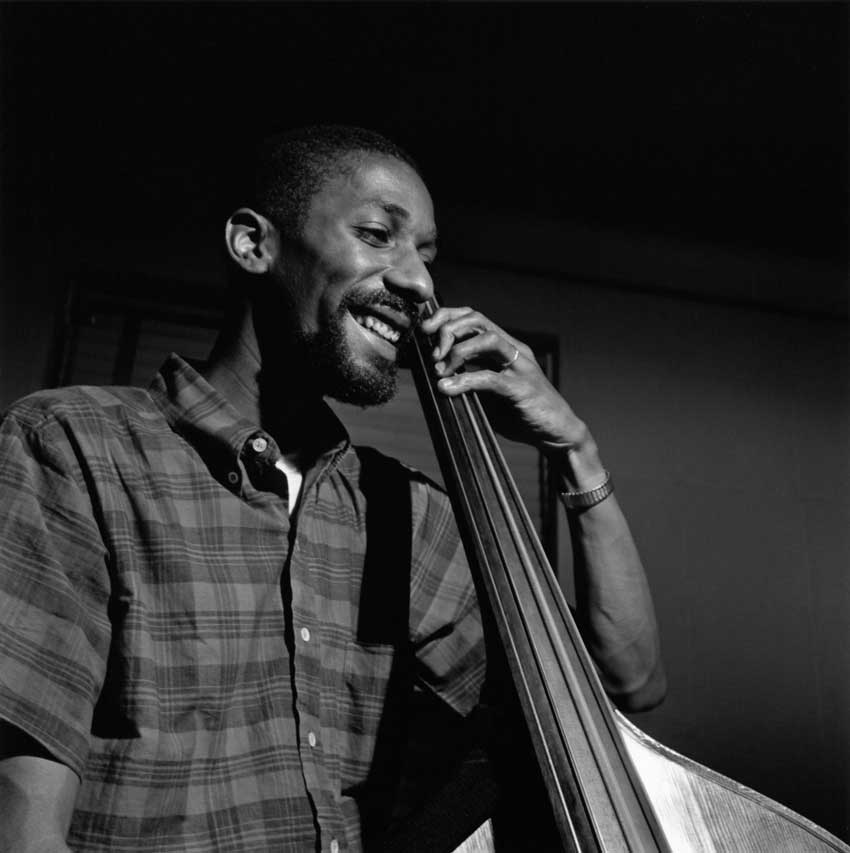
These foundations in classical music would have a profound influence on his future as a jazz musician. “The concept of assembling a song was very important later on for me when I wrote for jazz. That allowed me to see what might be wrong with a song, if the structure wasn’t right or the chord order was ill conceived and wasn’t working,” he says. “It also taught me how to focus my practice. The competition level at Eastman was so high so I had to practice especially as the classical organisations were not really being interested in musicians of colour.”
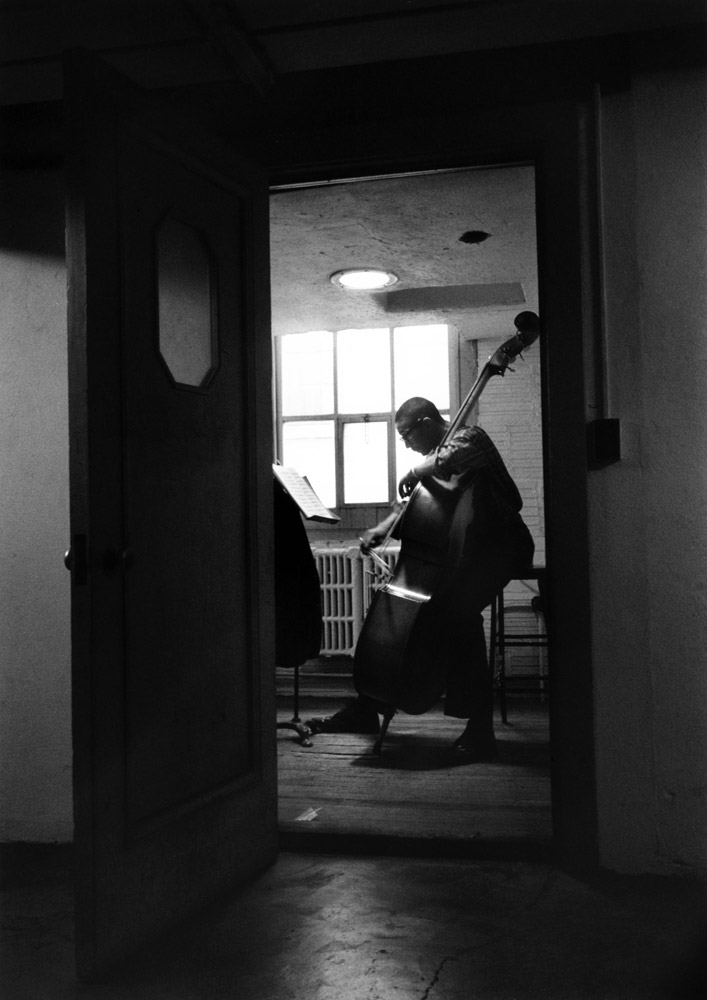
While at Eastman, Carter played his first jazz gigs at the Pythodd Club in a group with Pee Wee Ellis. Then in 1959 Carter got his big break in the Quintet of drummer Chico Hamilton. “I had met Chico at a concert in Rochester and he told me the cello player in his band was going to retire when they got to New York so I was like ‘I can do that man’. So after I graduated I moved to New York in August 1959,” he recalls. “When I got there Chico told me the bass player was leaving so he said to me the gig is still available but you’ve got to stand up now. So I got the chair playing with Chico and Eric Dolphy. That was my first big gig in New York.”
It would be the start of a fruitful partnership. In 1961 Carter joined Dolphy at Van Gelder Studio for what would become the 1961 album for New Jazz (soon to be renamed Prestige) “Out There” with Carter rising to the challenge of the new avant-garde music on cello with George Duvivier on bass duties. “My influence from Eric Dolphy was his dedication to practice, he was always playing somewhere even with the birds in his back yard,” says Carter. “He also helped me get a vocabulary of what I was trying to do in my head that allowed me to find what I was looking for.”
“All the saxophonists had their own sound with the same instrument and it seemed to be that I should be able to do the same thing on bass,” he adds. “I didn’t know what that was going to take…but I understood the harmony changes because I had studied that at Eastman and knew how to analyse chords. So I understood the power of a bass note and I was determined that I was going to make these guys I’m playing with hear the power of my bass note.”
A year after the “Out There” sessions, Carter (on bass and cello) invited Dolphy and Duvivier back to Van Gelder Studio with pianist Mal Waldron and drummer Charles Persip for the first album under his own name, “Where?” also released on New Jazz. It was during a two week residency with a quartet of trumpeter Art Farmer at New York’s Half Note club in 1963 that he was approached by Miles Davis. “He told me the band was disbanding because Jimmy Cobb and Paul Chambers were leaving to join the Wes Montgomery Quartet and he wanted me as his next bassist,” says Carter.
Joining Miles’ second Quintet with drummer Tony Williams, pianist Herbie Hancock and saxophonist Wayne Shorter, Carter helped redefine modern jazz through six groundbreaking albums recorded for Columbia between 1963-8: “ESP”, “Miles Smiles”, “Sorcerer”, “Nefertiti”, “Miles in the Sky” and “Filles de Kilimanjaro” (on which the played electric bass). “There was a lot of stuff going on at that time but in the small groups format that was the band,” says Carter.
The five years Carter spent with Miles taught him much about being a bandleader. “Miles’ comments were not in the form of orders,” he says. “He never said ‘hey man you have to play this’. They were always suggestions, never commands… But he was always hearing stuff man. My job at the time was whatever notes I was playing, if I could have his attention I could lead him somewhere. But I needed to have his attention.”
What Carter would bring to Miles’ sessions during this pivotal era would range from the walking bass lines that propelled “E.S.P” to the complex harmonics of “Nefertiti” as the Quintet moved the borders of post bop towards the fusion of Miles’ electric era. “At the time the focus really wasn’t really on bass players in jazz groups. I wanted to get up front because I had something to say,” says Carter.
As Blue Note’s most prolific bass player of the sixties he appeared on such legendary sessions as Herbie Hancock “Maiden Voyage”, Wayne Shorter “Speak No Evil”; Donald Byrd “Kofi”, McCoy Tyner “The Real McCoy”, “Bobby Hutcherson” “Components” and Joe Henderson “Mode for Joe”. “The first thing that comes into my head about those albums is we seldom had rehearsals,” says Carter. “By and large we had no time together before going into Rudy’s (Van Gelder Studio) as we were all working our own gigs and musical situations. So the personnel on those albums was really happenstance as much as anything else. But Alfred Lion trusted the bandleaders to make the right decisions. And they also all accepted his sense of salesmanship as a record label owner.”
Through the mid seventies Carter featured on a series of groundbreaking fusion and jazz funk records for Creed Taylor’s CTI label (before joining Milestone) with sessions for artists such as Freddie Hubbard, George Benson, and Hubert Laws as well as five albums under his own name. This included “Blues Farm” where he began to explore the melodic possibilities of the higher pitched piccolo bass. “My friend the bassist Richard Davis knew a bass maker in Jersey he introduced me to and I said I wanted a smaller bass that I could play in a higher register,” he says.
In more recent years his output for Blue Note has ranged from the baroque jazz of “Carter Meets Bach” from 1992 and post bop of the “Bass and I” from 1997 to “Jazz & Bossa” from 2008 through to his current jazz gospel album with Ricky Dillard. “On this gospel record you can hear what I learned man from going to school with those guys for 65 years,” he says. “All my lessons from playing with Miles, Randy Weston, Herbie Mann, Bobby Hebb, and Sam Rivers – all those records where I was a sideman you can hear in the culmination of, in this last project.”
Here we look at some of the contributions Carter brought to some of those classic Blue Note albums he appeared on.
Herbie Hancock – Maiden Voyage
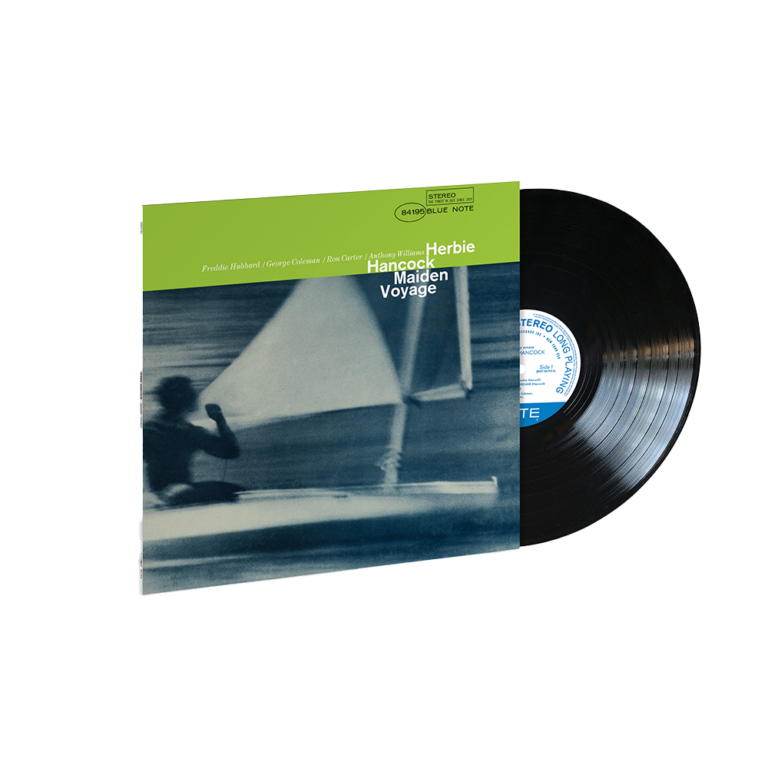
On March 17, 1965, Ron Carter joined leader Herbie Hancock and fellow bandmate from Miles’ quintet, drummer Tony Williams along with trumpeter Freddie Hubbard and tenor saxophonist George Coleman at Van Gelder Studio for this milestone in modal jazz. It would be the second of three albums Carter recorded with Hancock for Blue Note – between “Empyrean Isles” (1964) and “Speak Like a Child” (1968) with the bassist at his most lyrical and sophisticated.
Joe Henderson – Mode For Joe
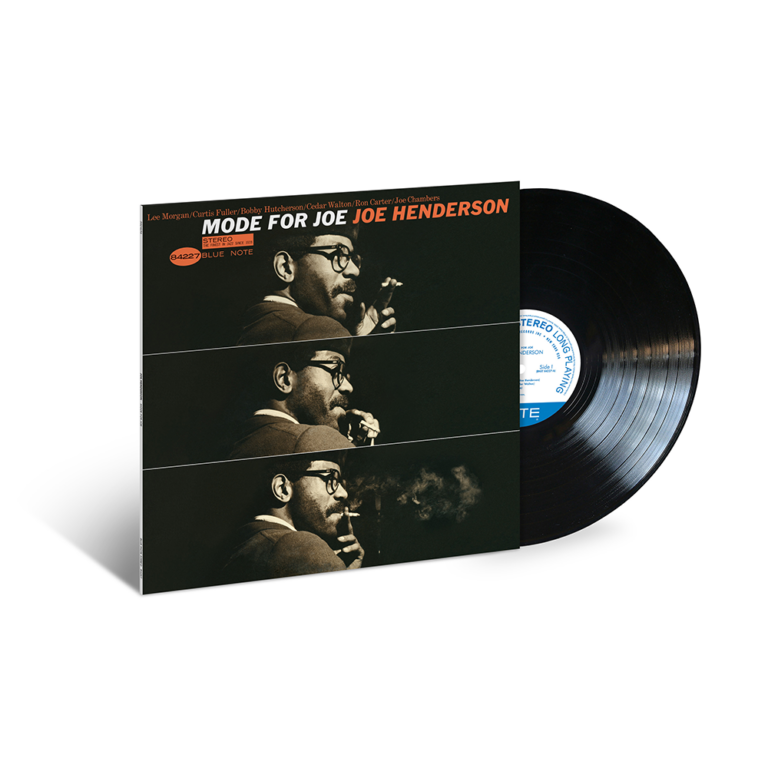
Joe Henderson Mode For Joe LP (Blue Note Classic Vinyl Series)
Joe Henderson’s final album of the sixties as a leader and his only with a septet for Blue Note, “Mode For Joe” featured Carter alongside Lee Morgan on trumpet, Bobby Hutcherson on vibes, Curtis Fuller on trombone, Cedar Walton on piano, and Joe Chambers on drums. One of the signatures of Ron Carter’s playing are his walking bass-lines and “Mode For Joe” is a great place to hear them, driving the septet forward on one of the great modal jazz albums. Carter would continue his partnership with Henderson on the tenor saxophonist’s subsequent albums for Milestone.
Wayne Shorter – Odyssey of Iska
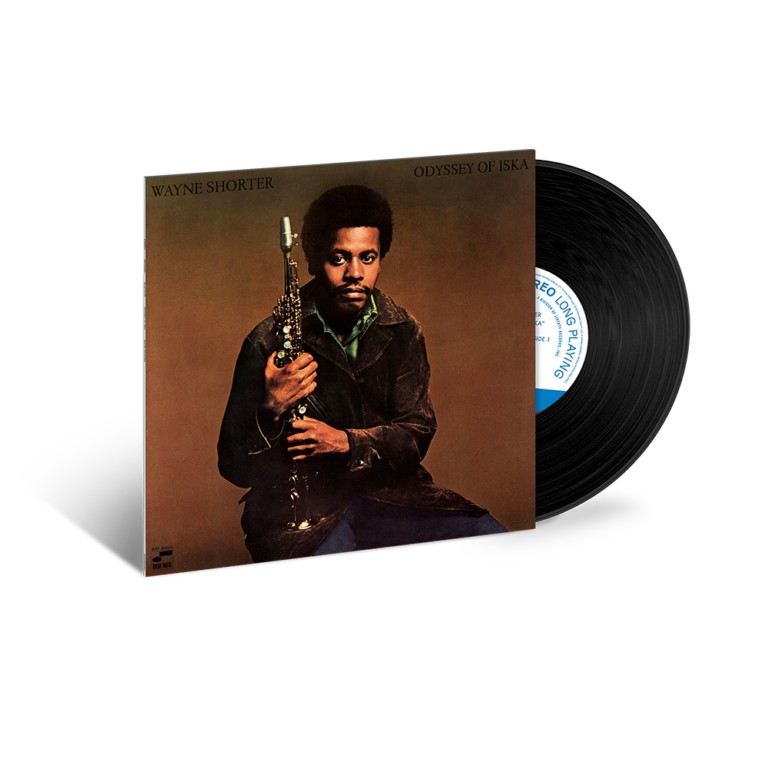
Wayne Shorter Odyssey of Iska LP (Blue Note Tone Poet Series)
Next to those made with Horace Silver, Carter recorded the most Blue Note albums with Wayne Shorter, his fellow band member in Miles’ second quintet, The run of six albums that started in 1964 with “Speak No Evil” ended in 1970 with the prescient fusion of “Odyssey of Iska” recorded just prior to Shorter’s tenure with Weather Report. Joining Dave Friedman on vibes and marimba, Gene Bertoncini on guitar, and three drummers with Shorter on both tenor and soprano saxophones, Carter and fellow bassist Cecil McBee’s playing veered between the foreboding arco lines of “Wind” to the advanced pizzicato of “Joy”.
McCoy Tyner – Extensions
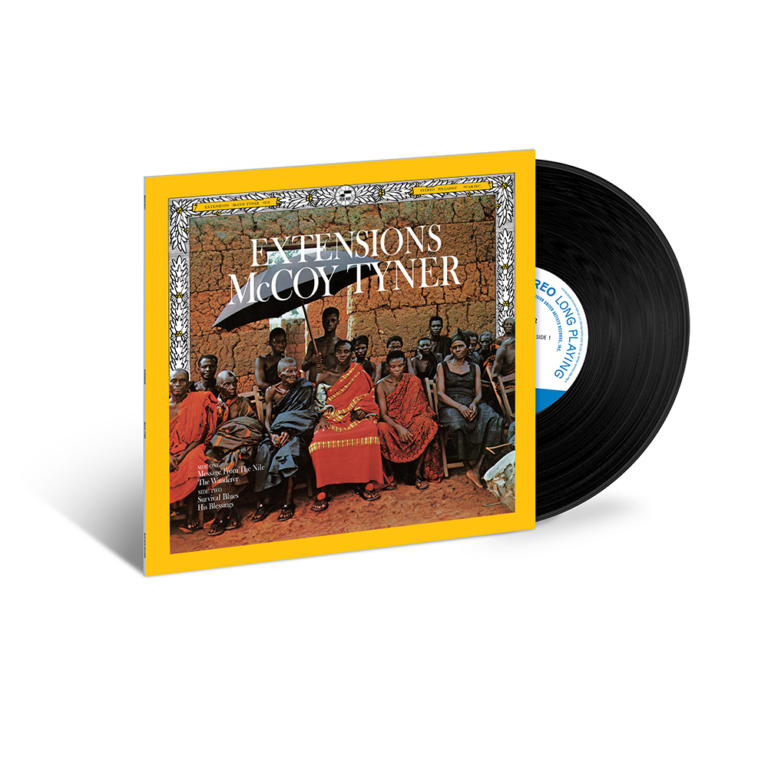
Beyond Miles, the artist Ron Carter recorded most albums with was pianist McCoy Tyner – including three for Blue Note and six for Milestone. From 1970, “Extensions” was Carter’s final outing with Tyner for Blue Note after “The Real McCoy (1967) and “Expansions” (1970). It saw the bassist join one of Tyner’s greatest line ups: Gary Bartz an alto saxophone, Wayne Shorter on tenor and soprano, Elvin Jones on drums and Alice Coltrane on harp. A bridge between Tyner’s post bop albums for Blue Note and the global modal jazz explorations for Milestone which Carter was very much a part of as he continued his explorations under his own name.
READ ON…
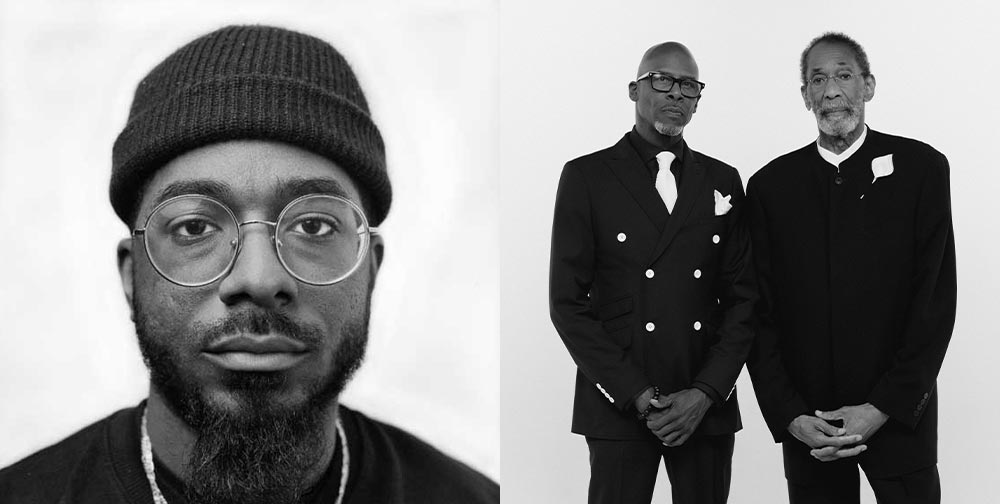
Sweet, Sweet Spirit: Ron Carter, Joel Ross, and the New Gospel Jazz
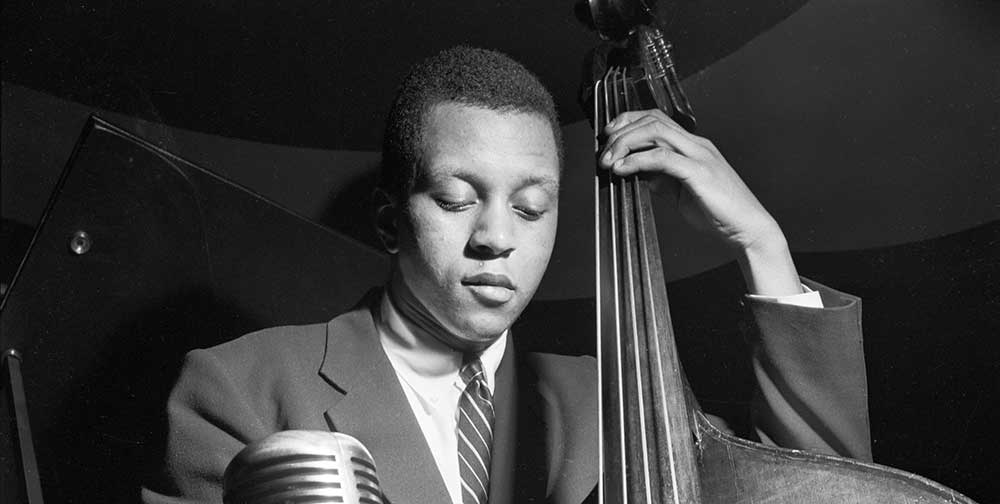
Doug Watkins – The Forgotten Detroit Bassist & Original Jazz Messenger
Andy Thomas is a London based writer who has contributed regularly to Straight No Chaser, Wax Poetics, We Jazz, Red Bull Music Academy, and Bandcamp Daily. He has also written liner notes for Strut, Soul Jazz and Brownswood Recordings.
Header image: Ron Carter. Photo: Paul C. Rivera.