
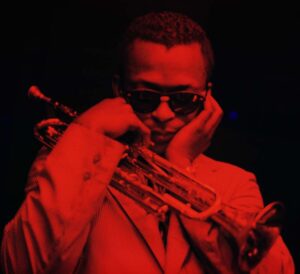
With the musical advancements and single-mindedness of Miles Davis, it’s tempting to think that this most restless of musicians stood ahead and apart from other trumpeters, isolated in some way by his creative genius and mercurial personality.
Similarly, apart from appearing on Cannonball Adderley’s “Somethin’ Else”, his absence from Blue Note during its golden era, might suggest a disconnect from the label he joined in 1952 for its Modern Jazz series. The truth is, Miles Davis was deeply attached to the legacy of the trumpet in jazz and those who went before and after him.
“I’ve come close to matching the feeling of that night, but I’ve never quite got there. I’m always looking for it, trying to always feel it in and through the music I play,” he wrote in his autobiography of first hearing Dizzy Gillespie alongside Charlie Parker in St Louis in 1944. As well as his deep love and reverence for Dizzy, Miles would display a warm admiration for some of the many trumpeters who were inspired by him, despite his often fierce critiquing of many jazz musicians.
In an interview in 1962 with Alex Haley (who went on to write Roots and The Autobiography of Malcolm X) for a famous feature for Playboy, Miles praised Blue Note players, Kenny Dorham, Freddie Hubbard, and Lee Morgan. “Trumpet players, like anybody else, are individualised by their different ideas and styles. The thing to judge in any jazz artist is does the man project, and does he have ideas,” he said.
It wasn’t just ideas that defined a great trumpeter in his eyes. “They have to get their own sound. Then, notes to go with your sound,” he told Down Beat magazine in 1984. “If you have a tone, you play notes to match your sound, your tone, if you’re gonna make it pleasin’ to yourself — and then you can please somebody else with it.”
Here we look at some of those trumpet giants at Blue Note who followed in the path of Miles Davis while becoming pioneers in their own right, building on his foundations – from bop to fusion.
Freddie Hubbard – Open Sesame (1960)
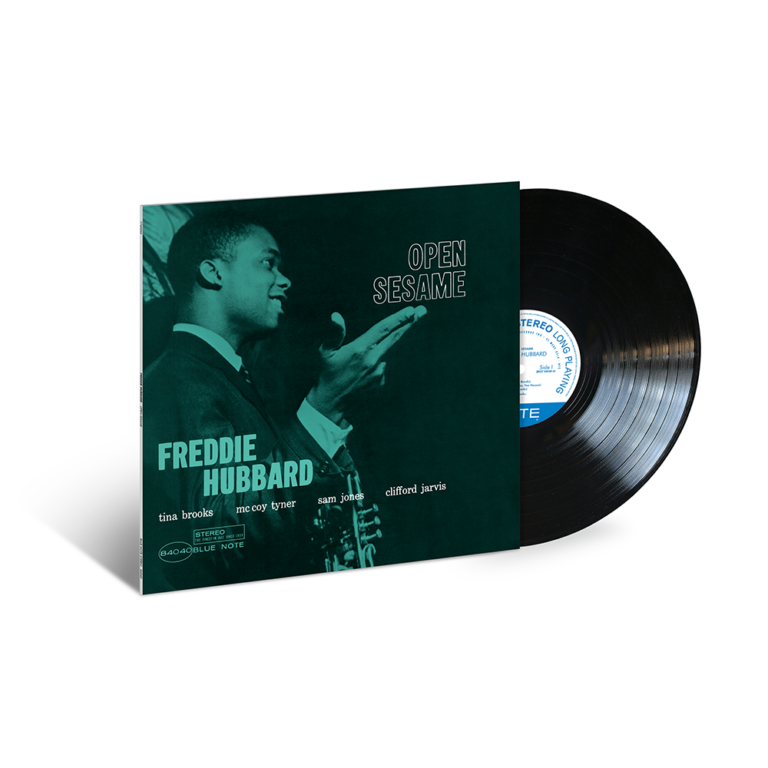
Freddie Hubbard Open Sesame (Blue Note Classic Vinyl Edition) LP
As a teenager in Indianapolis, Freddie Hubbard imitated Miles’ solos after hearing his 1955 album for Prestige “The Musings with Miles”. Arriving in New York in 1958, the 20 year old quickly became a fixture on the scene. One night while playing at Birdland with John Coltrane, he noticed his hero in the audience. “Miles was sitting in the front of the stage and I was copying his solo off of one of his records,” he told NPR in a 2001 interview.
“And so when I saw him, I said, ‘Oh my God. I’ve got to make up something else very quick.’ So I came up with something pretty good.” It must have been good because it was Miles who recommended Hubbard to Alfred Lion leading to his Blue Note debut “Open Sesame”, the first of eight studio albums for the label between 1960-65.
Lee Morgan – The Cooker (1968)
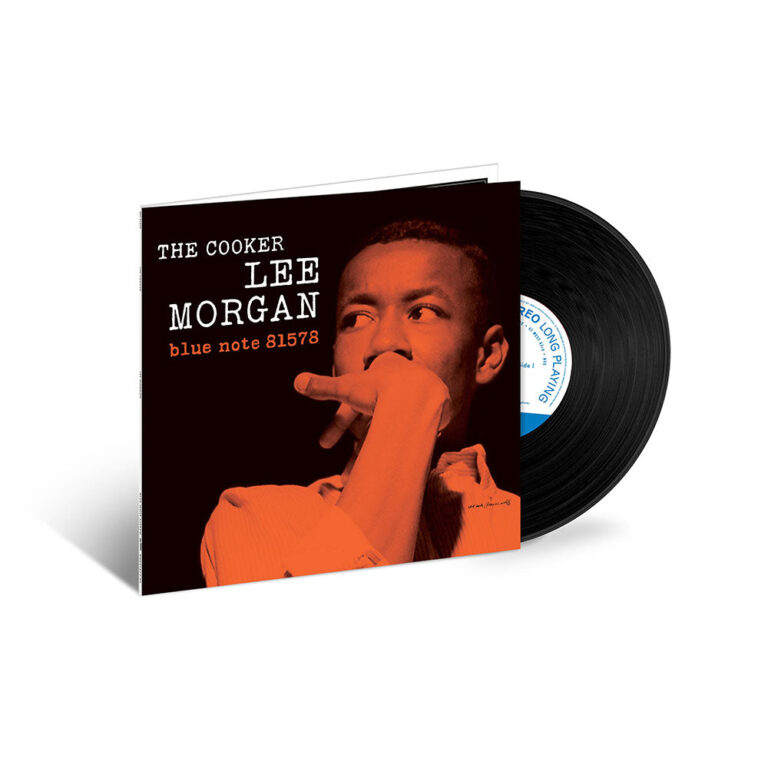
While Lee Morgan credited Clifford Brown as his main influence, he also grew up studying the work of Miles Davis and by the age of 15, was attending workshops in Philly with both Miles and Brown while co-leading his first group. Although their music went in different directions, they had a deep mutual respect for each other.
“Miles really liked Lee Morgan of all the young people”, Wayne Shorter told All about Jazz in 2002. “Dizzy was crazy about Lee and Miles was crazy about Dizzy. He knew that Lee was coming through the foundation..and not really playing the trumpet book, so to speak. Lee, actually, he was the most original.” Morgan also often worked with musicians from Miles Davis’s groups, such as drummer Philly Joe Jones and bassist Paul Chambers on his hard bop album from 1968 “The Cooker”.
Dizzy Reece – Blues in Trinity (1959)

Dizzy Reece Blues In Trinity LP (Blue Note Tone Poet Series)
“About two years ago, I sent some records of Dizzy Reece to Miles Davis. Miles must have been impressed. Because he took the trouble the next day to phone critic Nat Hentoff and say ‘there’s a great trumpeter over in England: a guy who’s got soul and originality and, above all, who’s not afraid to blow with fire”. So wrote “Blues in Trinity” producer Tony Hall in his liner notes to the Jamaican trumpeter’s first Blue Note album.
Recorded in August 1958 at Decca Studios, London, rather than Van Gelder Studios, New Jersey, the album featured British tenor titan Tubby Hayes on his only Blue Note appearance with Reece joined by fellow trumpeter Donald Byrd. Encouraged by Miles to move to New York in October ’59, Reece recorded another two hard bop albums for Blue Note.
Eddie Henderson
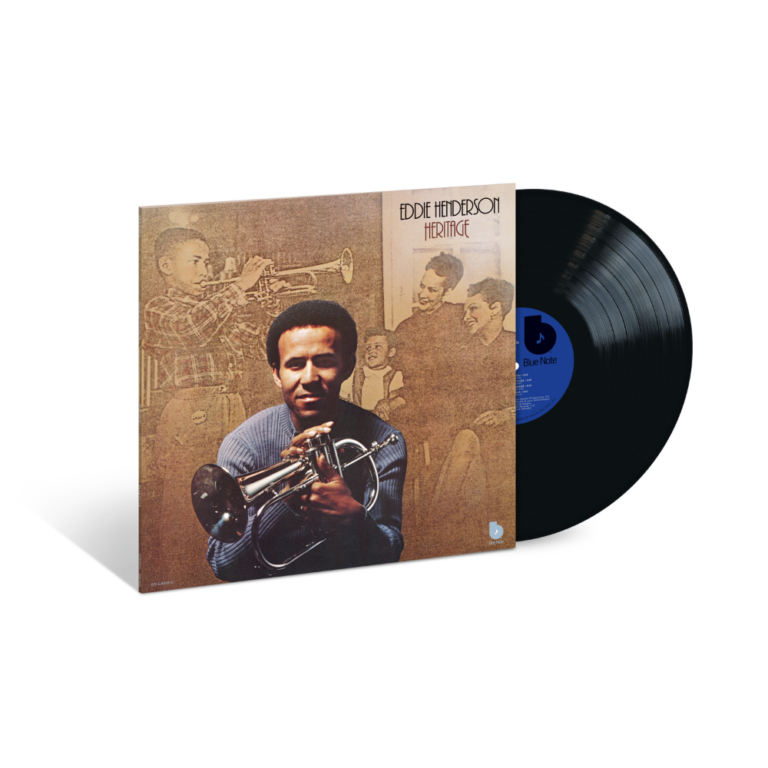
Eddie Henderson Heritage (Blue Note Classic Vinyl Series) 1LP
A close family friend, who often stayed at Eddie Henderson parents’ house in San Francisco when touring, Miles Davis guided him through his early years as a trumpeter. “Miles came to hear me play with Art Blakey and he said, ‘Eddie, you sound good. But why don’t you stop trying to play the trumpet and play music?” he told Downbeat in 2020.
“That lesson has always been on my mind: Stop trying to exhibit your technique…the whole purpose of the instrument is to play music.” As well as taking on Miles’ ethos of “less is more”, Henderson followed his mentor into fusion as a member of Herbie Hancock’s Mwandishi leading to his two classics for Blue Note: “Sunburst” (1975) and “Heritage” (1976).
Donald Byrd – Ethiopian Knights (1972)
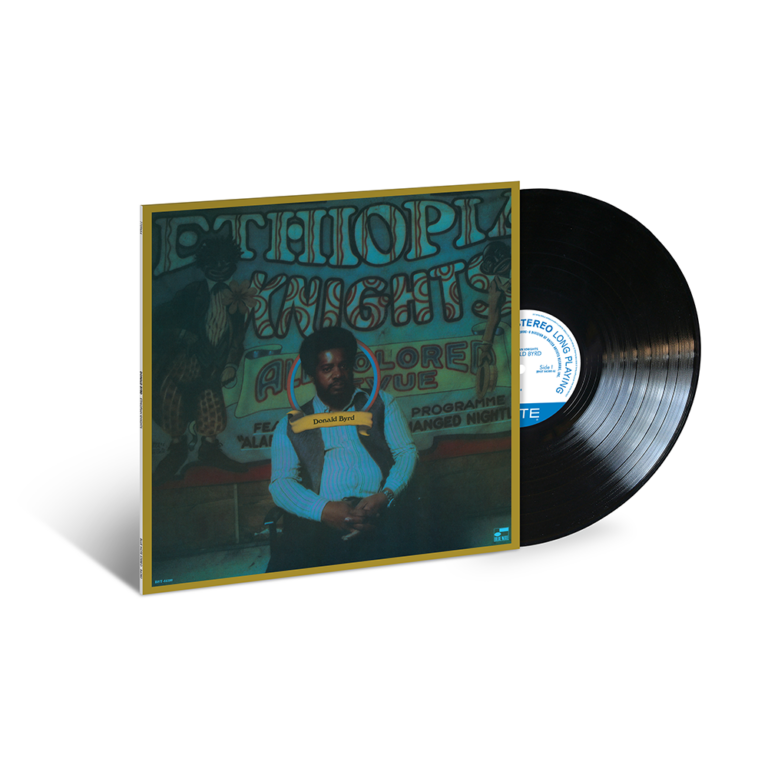
Donald Byrd Ethiopian Knights LP (Blue Note Classic Vinyl Edition)
“With just three songs at 37 minutes, “Ethiopian Knights” feels more like a statement of intent than an album,” wrote Max Cole in his Donald Byrd: The Roots of Rare Groove feature for EJ. A bridge into the jazz funk of Byrd’s Mizell Brothers classics of 1973 “Black Byrd” and “Street Lady”, the album continued the forward thrust of both “Electric Byrd” (1970) and “Kofi” (recorded in 1968-70 but released in 1995), mirroring where Miles was taking music on stretched out numbers like ‘Elmina’. In the liner notes to “Kofi” Byrd is quoted as saying: “We were already experimenting in so-called fusion before anyone else. If it didn’t get out there ahead of the others, you can blame that on the record company.”
READ ON…
Miles Davis’ Best Albums: His Six-Decade Career in 8 Essential Albums
John Coltrane – Architect of Modal Jazz
Andy Thomas is a London based writer who has contributed regularly to Straight No Chaser, Wax Poetics, We Jazz, Red Bull Music Academy, and Bandcamp Daily. He has also written liner notes for Strut, Soul Jazz and Brownswood Recordings.
Header image: Miles Davis. Photo: Marvin Koner/Corbis via Getty Images.