Hip-hop’s roots are rightly associated with New York City’s African-American community, but, many of its pioneers were of Latin American and Caribbean descent, and their role in shaping the culture shouldn’t be understated. Throughout the 1970s, kids from marginalised communities all over the Bronx, Harlem, Queens and Brooklyn were actively engaging in the elements of breakdancing, graffiti, DJing and rapping – that of course included youths of Puerto Rican, Cuban, Dominican, Mexican and Colombian descent. It’s only natural that these kids brought their musical roots and influences – as well as their parents’ record collections – into the culture.
They didn’t just play an important role in the grassroots hip-hop movement; Latino artists were part of recorded rap music from day one as well. In the early days, it would be MC Ruby Dee from the seminal group Fantastic Five (as seen in Henry Chalfant’s legendary 1983 film “Wild Style”) or DJ Disco Wiz. In the 1980s, you’d have Mellow Man Ace and Kid Frost from California pioneering Latin hip-hop, and in the 1990s, you’d see artists of Latino descent like Cypress Hill, Big Pun or Noreaga shape the genre. Latin music samples also spawned some of the biggest anthems in hip-hop history – just try not to jump around when the beat of the Delinquent Habits’ “Tres Delinquentes” (built on a riff by Herb Alpert & The Tijuana brass) comes in, or the prominent brass riff of The Beatnuts’ “Se Acabo” (lifted from a tune by Marco Antonio Muñiz) starts.
Here are three more of the most memorable Latin jazz samples in hip-hop history and the iconic albums that you can find the original tunes on.
–
01 Stan Getz and Luis Bonfá – “Saudade Vem Correndo” (Verve, 1963)
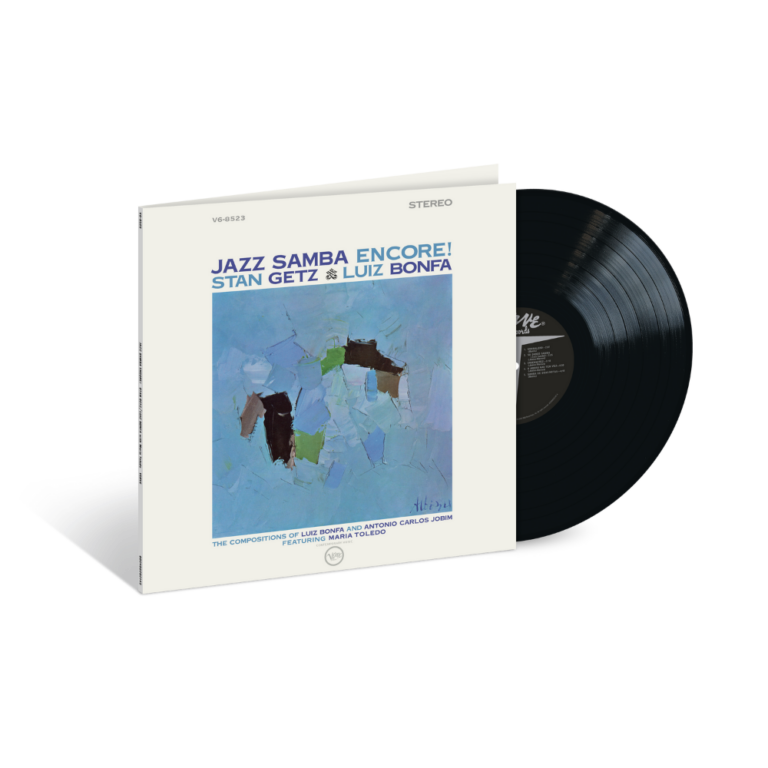
Stan Getz, Luiz Bonfá Jazz Samba Encore! (Verve Acoustic Sounds Series) 1LP
A young and then virtually unknown Detroit producer by the name of Jay Dee shook up the hip-hop world when he produced the beat for “Runnin’”, a 1995 single by L.A.-based ‘alt-rap’ group The Pharcyde. The beatsmith would soon change his artist name to J Dilla (as there was already a JD in the hip-hop production world, namely Jermaine Dupri from Atlanta). Dilla would embark on an impeccable run over the next decade until passing away much too early from health complications in 2006, at just 32 years of age.
“Runnin’” was based on a masterfully chopped guitar sample from the mid-section of a 1963 bossa nova tune by Stan Getz and Luis Bonfá. Dilla found it buried deep in the B-side of “Jazz Samba Encore”, a lesser-known follow-up to Getz’ iconic “Jazz Samba” with Charlie Byrd. Produced by the legendary Creed Taylor, this album is made up of Antonio Carlos Jobim standards and Bonfá-penned originals – together with “Jazz Samba” and “Getz/Gilberto”, it cemented Stan Getz’ role as the pioneer that brought Latin jazz to the masses in the United States in the early 1960s.
–
02 Bobby Hutcherson – “Montara” (Blue Note, 1975)
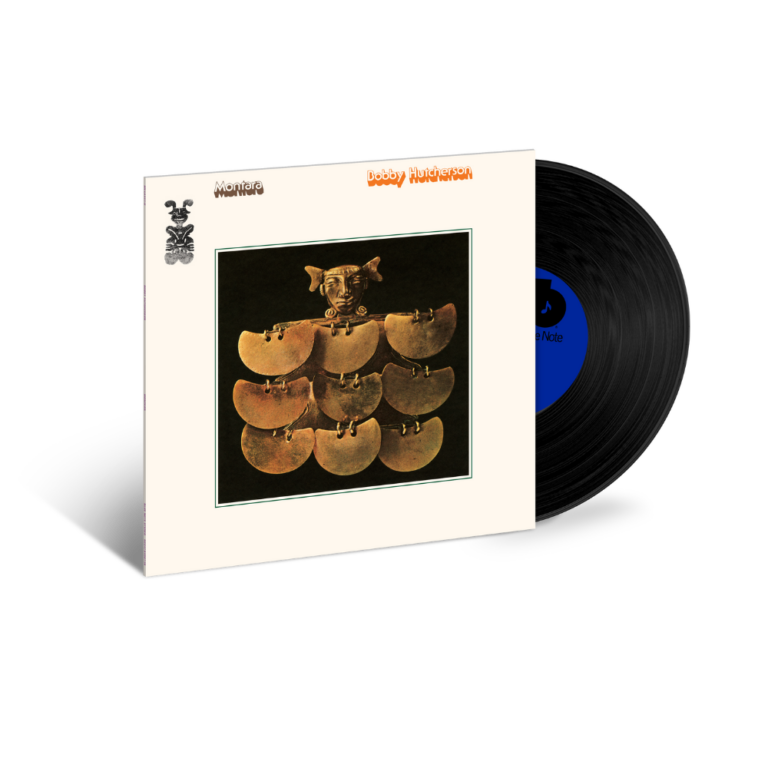
Bobby Hutcherson Montara (Blue Note Tone Poet Series) 1LP
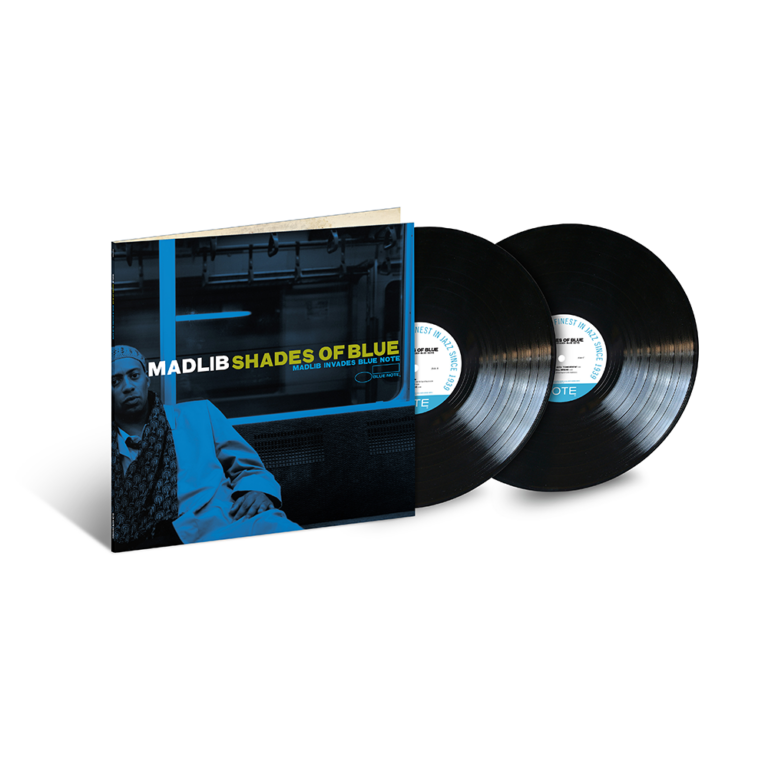
Madlib Shades of Blue (Blue Note Classic Vinyl Series) 2LP
An overlooked Blue Note classic, this is jazz fusion vibraphonist Bobby Hutcherson at his most catchy and creative. The whole album is a gorgeous, sun-drenched, Latin-flavoured affair. Recorded in Los Angeles, it features the Nuyorican percussionist Willie Bobo among an all-star lineup, and a stunning cover of Tito Puente’s mambo smash “Oye Como Va”. What’s not to love?
In hip-hop circles, the title tune “Montara” was first sampled by Buckwild, a Bronx producer who worked for the likes of The Notorious B.I.G. and was a member of New York City’s legendary Diggin’ In The Crates crew during the 1990s heydays of sample-based hip-hop production. But it was actually Madlib who immortalised “Montara” by covering it for his massive crossover album “Shades of Blue” in 2003. The track would be revisited by other hip-hop producers such as J Rawls and DJ Cam; much later, the Swedish producer HNNY created a dusty, nostalgic lo-fi beats version that dominated relevant streaming playlists throughout the pandemic years.
–
03 Cal Tjader – “Aquarius” (Verve, 1968)
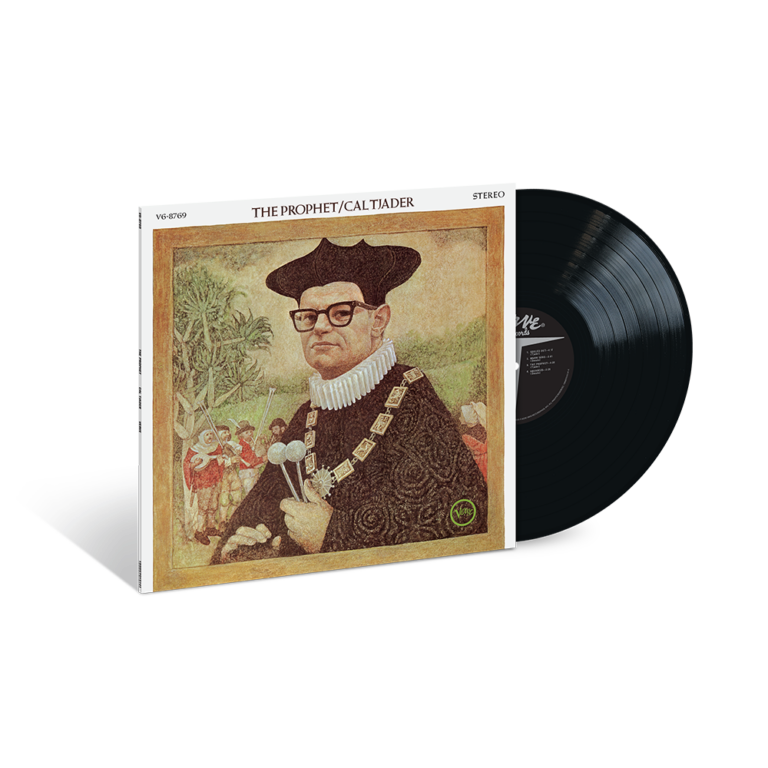
Released in 1993, “Midnight Marauders” by A Tribe Called Quest remains one of the undeniable, style-defining albums of East coast hip-hop’s golden era. It features a “tour guide” leading the listener through the program, “enhancing your cassettes and CDs with certain facts that you may find beneficial”. Throughout an intro and a bunch of skits sprinkled all over the album’s tracklisting, a robotic female voice keeps giving the listener vague instructions over a sampled passage from vibraphonist Cal Tjader’s tune “Aquarius”.
Taken on its own, that loop might sound like a semi-ironic nod to bossa nova-tinged elevator jazz, but the album that Q-Tip, the group’s producer, lifted it from, is actually a rich, sophisticated recording, a landmark of late-1960s pre-fusion – “The Prophet” blends Tjader’s authentic Latin jazz roots with Don Sebesky’s orchestral arrangements and was recorded with an all-star line-up including the Brazilian bossa nova master João Donato on organ (who also contributed several compositions), Red Mitchell on bass, Ed Thigpen on drums, and Hubert Laws on flute. Keep bouncing!
READ ON…
The Best Jazz Samples in Hip-Hop – part 1: Breaks and Basslines
The Best Jazz Samples in Hip-Hop – part 2: Hooks & Riffs
Stephan Kunze is a music and culture writer and book author based in Berlin. He publishes zensounds, a newsletter on ambient and experimental music.
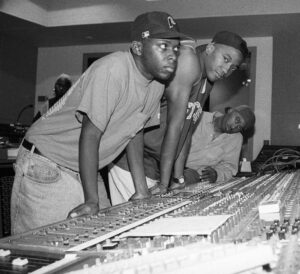
Header image: A Tribe Called Quest in the Studio, New York, 1991. Photo By Al Pereira/Getty Images/Michael Ochs Archives