
After looking at drum breaks and bass lines in Part 1 of this series focusing on the best jazz samples in hip-hop, we’re now going to dive deep into the hooks and riffs. This is an area where we have significantly more choices, as hip-hop producers have been plundering chord changes and melody lines from their parents’ record collections since the so-called first “golden era” of rap, the late 1980s and early 1990s.
The best historical period to find good samples for rap tracks is the late 1960s and the early to mid-1970s – a time when hard-bop turned into soul-jazz, and the fusion of funk, rock, R&B and jazz resulted in catchy, dance floor-oriented albums packed with underground hits. Beatmakers were specifically looking for songs with strong lines from lead instruments like saxophone, flute, guitar or piano. Classic jazz tunes often provide just the right elements to isolate, sample, loop and manipulate as the foundation of a catchy hip-hop track.
Here’s a handful of our favourites.
01 Grant Green – “Maybe Tomorrow” (Blue Note, 1971)
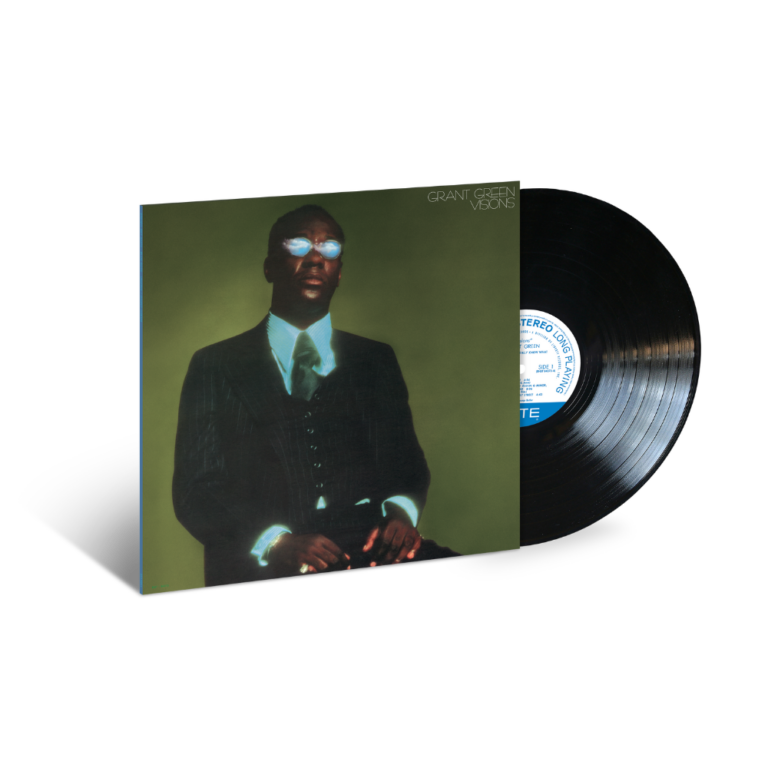
Grant Green Visions LP (Blue Note Classic Vinyl Series)
Hidden in the last third of Kendrick Lamar’s legendary debut album “Good Kid, m.A.A.d. City” (2012), there’s a brilliant tune called “Sing About Me, I’m Dying Of Thirst”, an impressive example of the gifted MC’s vivid storytelling skills. It’s not one of his big radio or club hits, but true fans cherish these album cuts with less commercial ambition and a more artistic approach.
This seven-and-a-half-minute song consists of two parts with a beat switch in the middle, and the first half’s main melody riff comes from a Grant Green tune off the “Visions” album on Blue Note. Many of Green’s songs have been sampled over time, but this is the hip-hop generation immortalising his idiosyncratic guitar tone.
02 Jimmy Smith – “Root Down (And Get It)” (Verve, 1972)
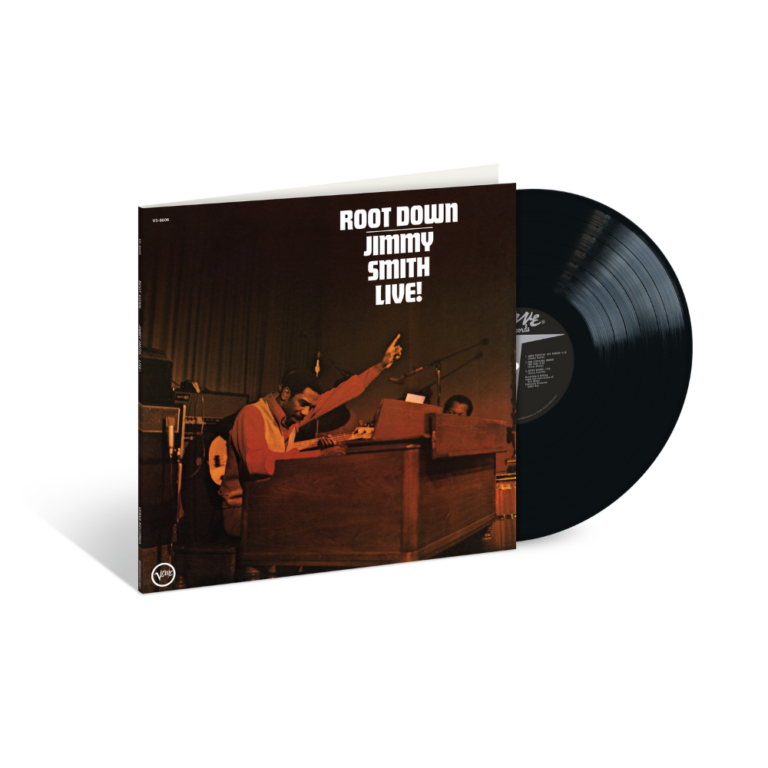
Jimmy Smith Root Down LP (Verve Acoustic Sounds Series)
In 1994, the Beastie Boys lifted a huge portion from soul-jazz organist Jimmy Smith’s live version of “Root Down”, rapped over a multi-bar loop of the intro and even used a full breakdown part from the 1:45 minute mark. It only made sense that they gave their own track the same name as the song that provided its melodic and rhythmic foundation.
The album that their version of “Root Down” appeared on, “Ill Communication”, sold over three and a half million copies, was critically acclaimed and contributed much to the global growth of hip-hop culture. Rarely did a rap record wear its jazz roots more openly on its sleeve.
03 Ronnie Foster – “Mystic Brew” (Blue Note, 1972)
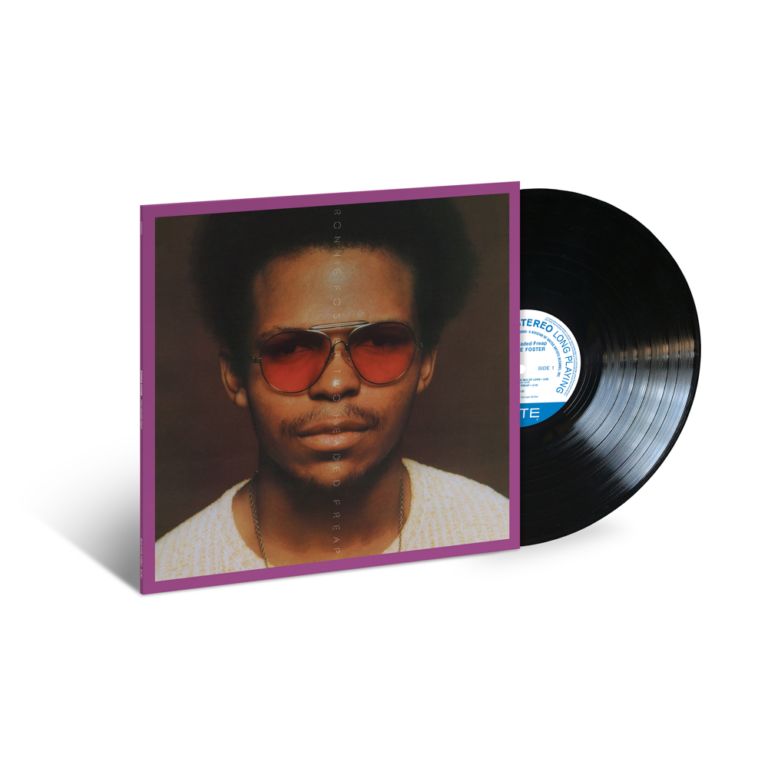
Ronnie Foster Two Headed Freap (Blue Note Classic Vinyl Series) LP
Q-Tip of A Tribe Called Quest was the first hip-hop producer to find this deep cut on a relatively obscure record by the organist Ronnie Foster, produced by the one and only George Butler. Tip used multiple elements – bass, guitar, vibes, percussion – for his all-time classic beat for “Electric Relaxation” (1993), and years later Madlib, Just Blaze, Tae Beast from the TDE camp and J. Cole would all return to this sample and flip it differently. That Ronnie Foster album has since become a cult classic; it will appeal to anyone who’s into 1970s Mizell Brothers-style jazz-funk.
04 Quincy Jones – ”Summer In The City (feat. Valerie Simpson)” (A&M, 1973)
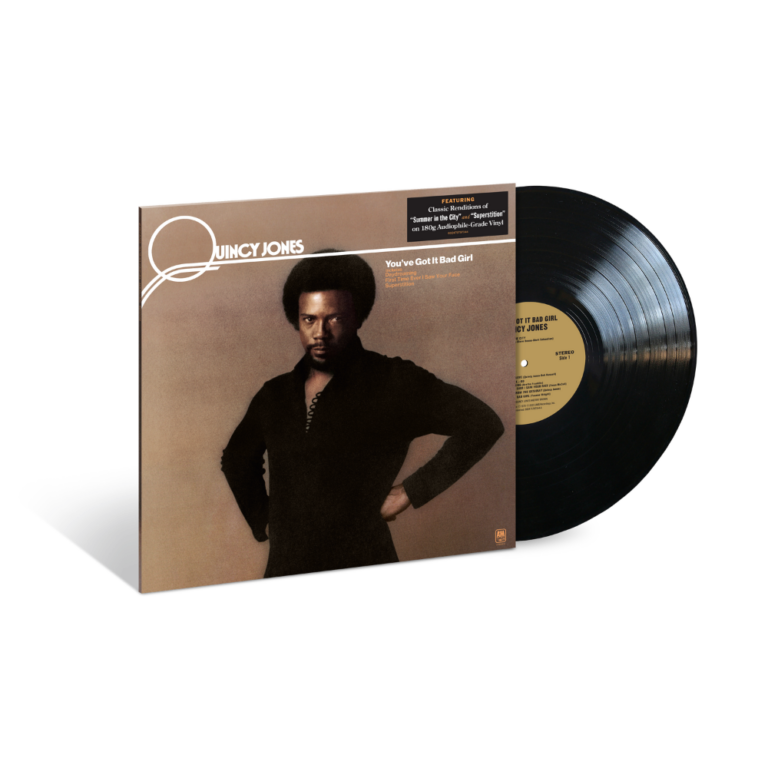
This song might have won Quincy one of his many Grammys back in 1973 (for “Best Instrumental Arrangement”), but its lasting fame results from the usage of its main riff in The Pharcyde’s 1992 backpack-rap anthem “Passin’ Me By”, and its reprise in Nightmares On Wax’s late-1990s downbeat/trip-hop staple “Les Nuits”.
Elements of the song would also show up on records by The Roots, Outkast, Black Moon, Big Sean, Massive Attack, Action Bronson and LL Cool J. Jones’ version itself is actually a cover of a mildly successful song by the American folk-rock band The Lovin’ Spoonful, but it was Quincy who turned it into an infectuous jazzy R&B hit and The Pharcyde’s producer J-Swift who then flipped it for a true golden era hip-hop anthem.
READ ON…

The Best Jazz Samples in Hip-Hop – part 1: Breaks and Basslines
5 Blue Note Classics that Madlib Flipped
Stephan Kunze is a music and culture writer and book author based in Berlin. He publishes zensounds, a newsletter on ambient and experimental music.
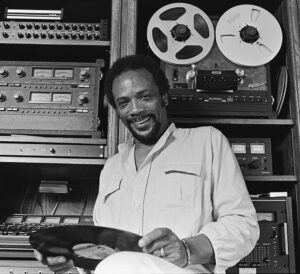
Header image: Quincy Jones in his home studio, Los Angeles Times Photographic Archive, UCLA Library Special Collections.