

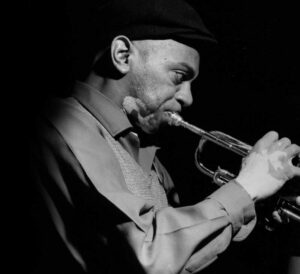
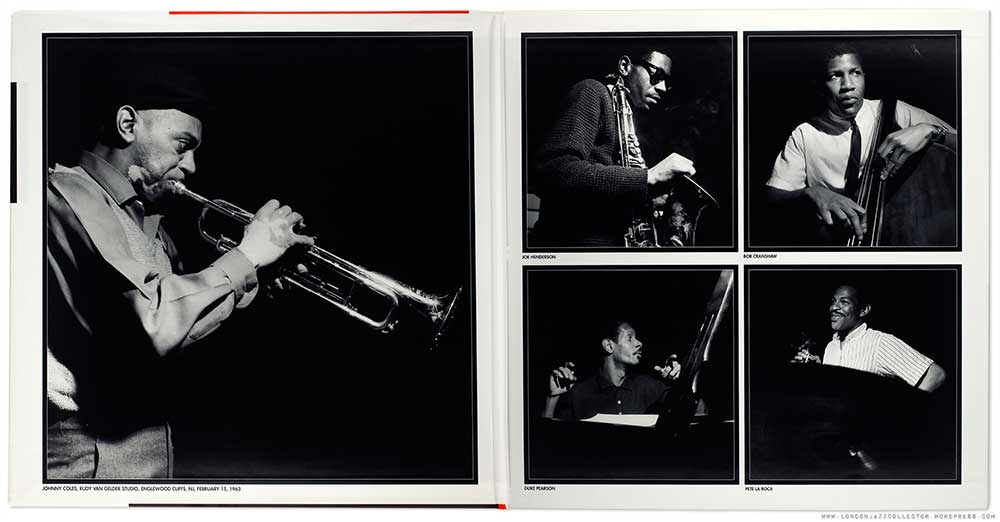
Recorded at Van Gelder Studio in July 1963 “Little Johnny C” consisted of six numbers composed and arranged by the album’s pianist Duke Pearson who penned the liner notes. In them he wrote: “Johnny Coles is a warm individual with a personal approach to each note of phrase he plays. A painter of very beautiful patterns. And after listening to him here, you’ll be able to distinguish his style from any of his contemporaries.”

Johnny Coles Little Johnny C (Blue Note Classic Vinyl Series) LP
Born in Trenton, New Jersey, in 1926 Coles actually started out playing R&B in the late 1940s with alto saxophonist Eddie Vinson. By the mid 1950s he’d moved into jazz as a regular sideman with James Moody and in the big bands of Jimmy Heath and Gil Evans with whom he would record eight albums.
It was at a concert with Evans in 1959 that Duke Pearson first experienced the beauty of Coles’ horn. “I went to Birdland to hear the sounds of the modern pure jazz,” he recalled. “I was greeted by the sound of Gil Evans Orchestra but attracted more by the warm sound of the trumpeter soloist. I paused on the bottom step staring in wide eyed amazement…This little man I learned was John Coles.”
In 1961, the year after Coles appeared in the large orchestra on Miles Davis’ “Sketches of Spain”, he recorded his first album as a leader, “The Warm Sound” with the Johnny Coles Quartet for Epic. With his star rising, in the March of 1961 Coles featured on his first Blue Note album, saxophonist Tina Brooks’ “The Waiting Game”. But like Horace Parlan’s “Happy Frame of Mind” from February 1963, that Coles also played on, it was unreleased at the time.
The Horace Parlan session was followed in the May of 1963 by Cole’s appearance on Grant Green’s Blue Note album “Am I Blue” (released in 1964) in what was proving to be a busy few months. “Earlier this year, I worked a Monday night gig with Johnny at Birdland,” Duke Pearson recalled. “Blue Note’s Alfred Lion happened to be there and heard us play “Little Johnny C”. He liked it very much and thought it would be a good number to record. Mr. Lion and I talked this over, and eventually I was given the green light to prepare the session.”
For what turned out to be two sessions at Van Gelder Studio recorded on July 18 and August 9 Duke Pearson and Johnny Coles called on Blue Note lions Joe Henderson on tenor sax, Bob Cranshaw on bass, Pete La Roca on drums and the lesser known players alto saxophonist Leo Wright and drummer Walter Perkins.
The opening number ‘Little Johnny C’ displays the range of Coles’ playing that caught the attention of Alfred Lion, with the trumpeter trading fierce and joyous solos with Henderson over Pearson’s strolling piano and the rock solid rhythm section.
The only non Pearson composition follows, the Henderson penned “Hobo Joe”, a blues driven cool swinger with Coles soloing with both Henderson and Leo Wright. Then comes “Jano” a nine bar blues that to the ears of Pearson was Coles at his best. Pearson wrote that “his knowledge of what to do with chords is amazing.”
Blue Note artists recorded many a jazz waltz through the sixties and “My Secret Passion” is up there with the best with Pearson flying over the keys with incredible speed and precision. Also, displaying the tone and energy of Coles’ horn that first impressed Pearson (“here he sounds like he did when I heard him with Gil Evans”) “Heavy Legs” moves the album to its sublime conclusion.

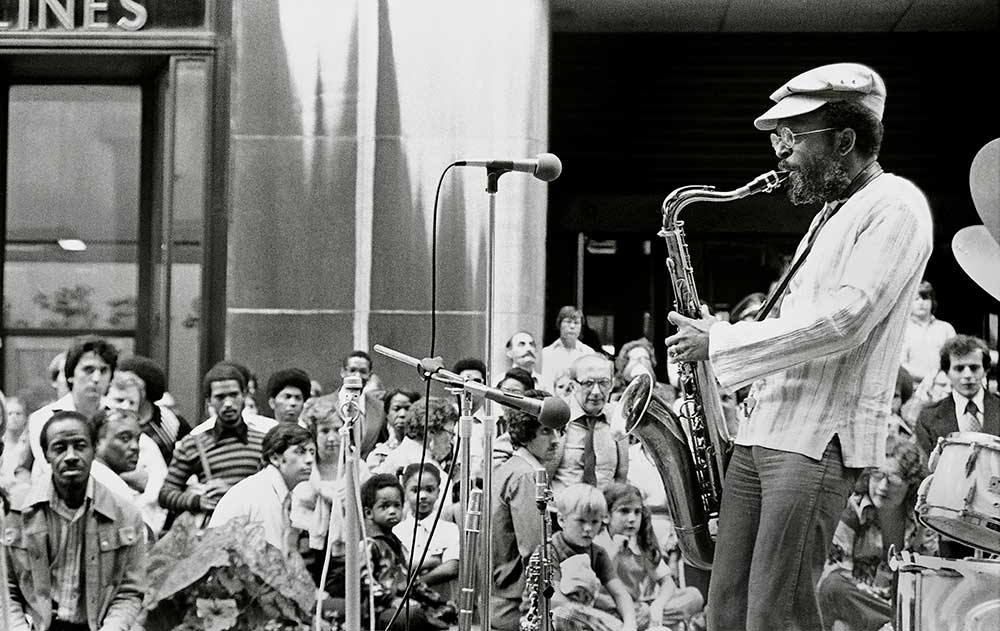
Widely considered as much a Pearson album as a Coles project due to the five out of six numbers he penned, “Little Johnny C” closes with one of the pianist’s finest compositions “So Sweet My Little Girl”. Dedicated to his daughter Cynthia, the beautifully tender ballad is built around the mournful cry of Cole’s trumpet that became one of his signatures.
In 1964, Johnny Coles earned a Downbeat New Star award as trumpeter for Charles Mingus’ sextet alongside Eric Dolphy, Clifford Jordan, Jaki Byard and Dannie Richmond. The trumpeter’s time with Mingus was cut short though when he was hospitalised with a perforated stomach ulcer after collapsing on stage in Paris in April 1964.
Coles was soon back in the studio though with Duke Pearson playing on his Atlantic albums “Honeybuns” (1965) and “Prairie Dog” (1966). While Johnny Coles would never record another album as a leader for Blue Note he came back as a sideman with Herbie Hancock’s sextet appearing on his 1969 album “The Prisoner” before recording the third of five albums under his own name, “Katumbo (Dance)” for Mainstream in 1972.
Until he passed away in 1997, Johnny Coles would remain something of an unsung hero of jazz, despite the plaudits and sideman appearances. So this remarkable Blue Note album leaves the listener wondering what might have been.
Johnny Coles Little Johnny C (Blue Note Classic Vinyl Series) LP
READ ON…
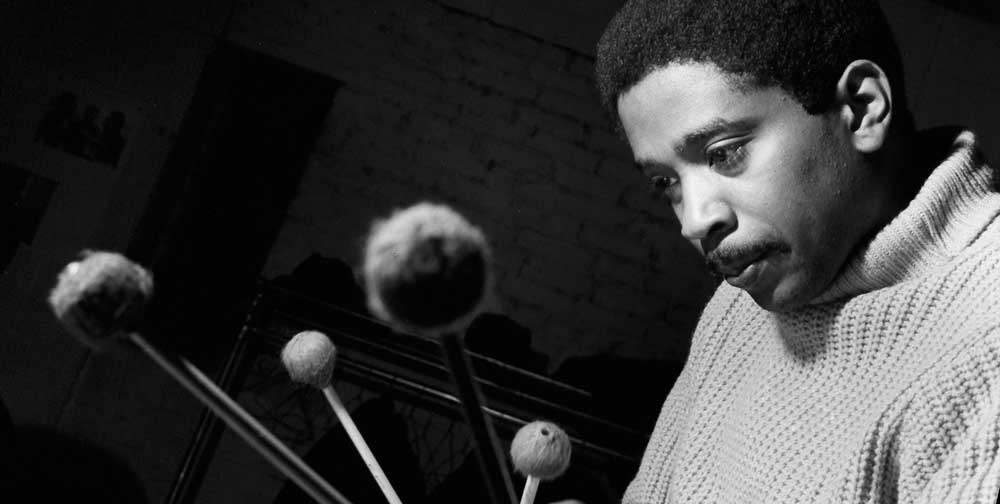
The Latin Vibes of Bobby Hutcherson’s “Montara”
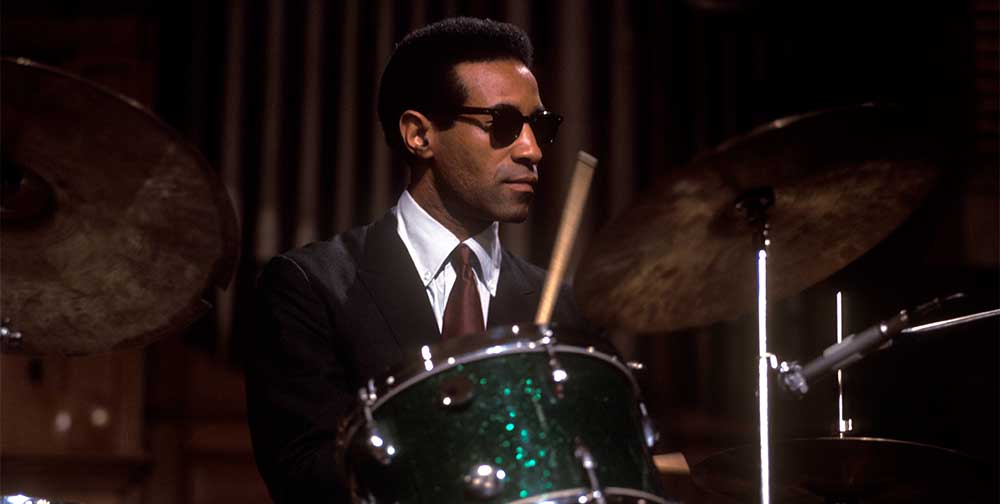
Max Roach – The Most Melodious Drummer in Jazz
Header Image: Johnny Coles I Francis Wolff Collection © Blue Note Records
Andy Thomas is a London based writer who has contributed regularly to Straight No Chaser, Wax Poetics, We Jazz, Red Bull Music Academy, and Bandcamp Daily. He has also written liner notes for Strut, Soul Jazz and Brownswood Recordings.