Our experts have decided: whether brand new recordings or lovingly remastered, reissued and rediscovered treasures – these are our jazz albums of the year. Go directly to each write-up by clicking on the covers below or scroll down to read them all via the drop-down menu.
Jumoké Fashola’s Pick
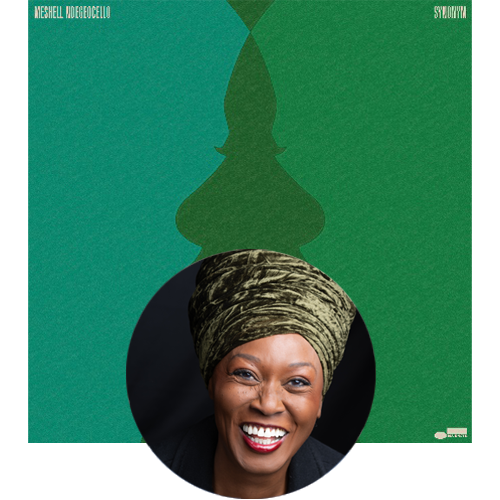
MESHELL NDEGEOCELLO – SYNONYM
(Blue Note)
Phil Freeman’s Pick
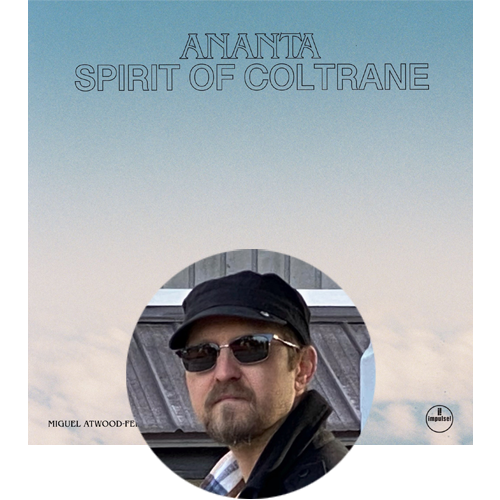
MIGUEL ATWOOD-FERGUSON –
ANATA SPIRIT OF COLTRANE
(Impulse!)
Andy Thomas’s Pick
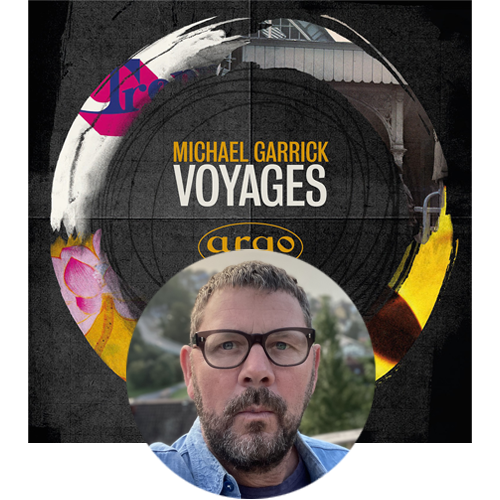
MICHAEL GARRICK – VOYAGES – THE ARGO STUDIO ALBUM VOL.1
(Fontana)
Matt Philips’s Pick
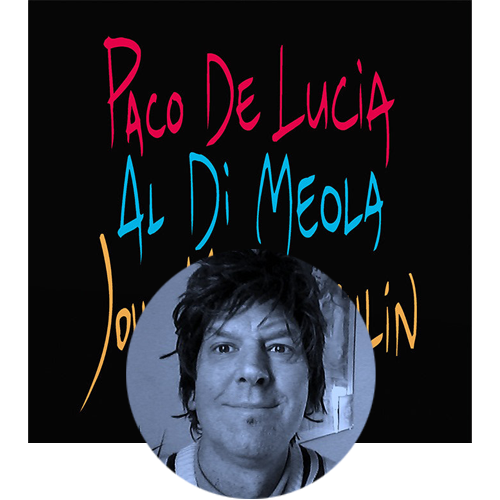
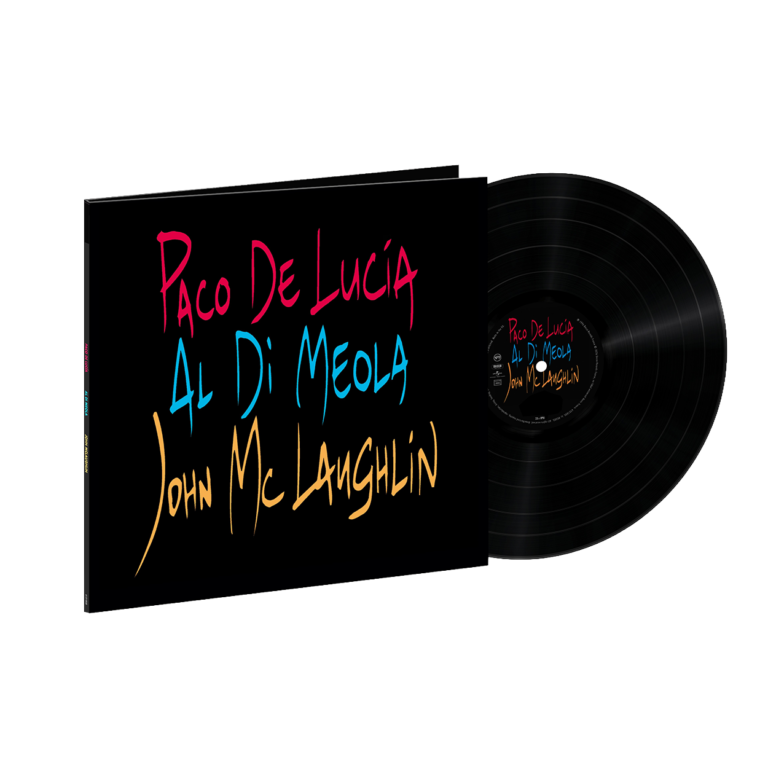
PACO DE LUCíA,
AL DI MEOLA,
JOHN MCLAUGHLIN –
THE GUITAR TRIO
(Verve)
Stephan Kunze’s Pick
LIANA FLORES –
AND SO IT GOES
(Verve)
Tina Edwards’ Pick

EZRA COLLECTIVE- HERE BECAUSE OF HOPE
(Partisan Records)
Jane Cornwell’s Pick
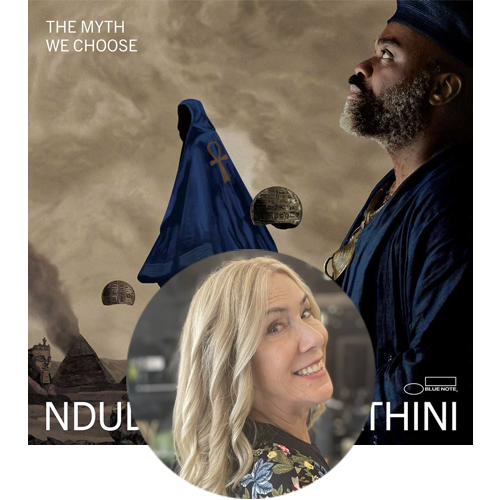
NDUDUZO MAKHATHINI –
THE MYTH WE CHOOSE
(Blue Note)
Ammar Kalia’s Pick
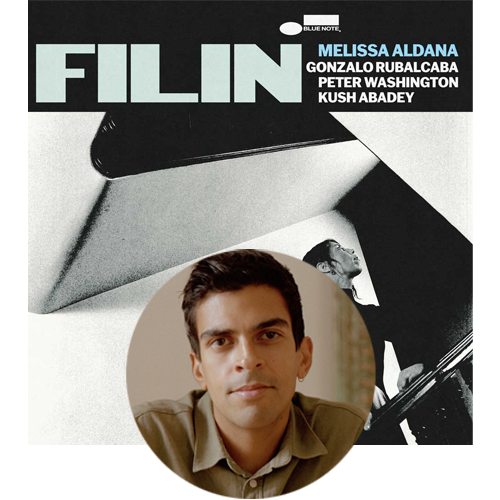
MELISSA ALDANA – FILIN
(Blue Note)
Freya Hellier’s Pick
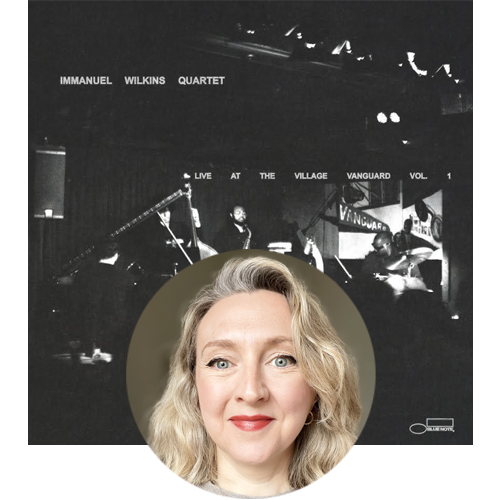
IMMANUEL WILKINS – LIVE AT THE VILLAGE VANGUARD VOL. 1
(Blue Note)
Les Back’s Pick
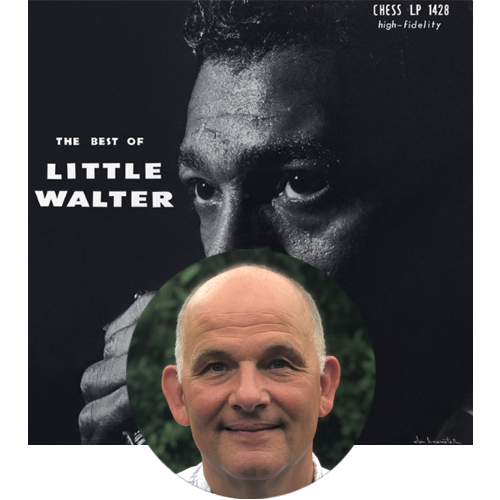
THE BEST OF
LITTLE WALTER
(Verve Acoustic Sounds)
Daniel Spicer’s Pick
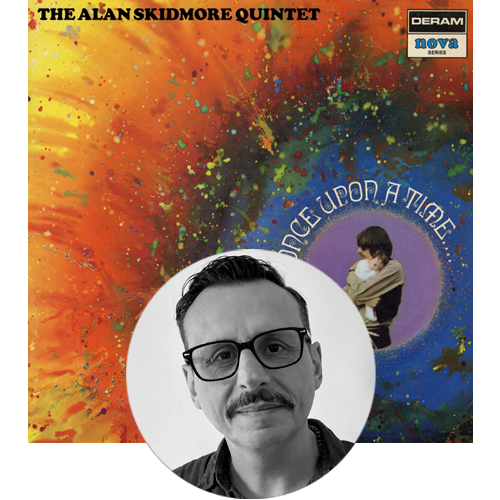
ALAN SKIDMORE –
ONCE UPON A TIME
(Fontana)
Andy Beta’s Pick
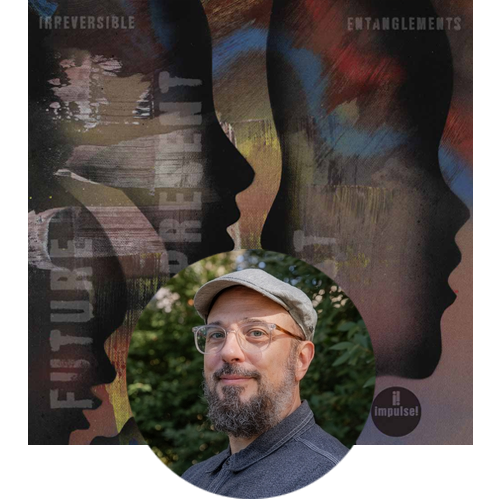
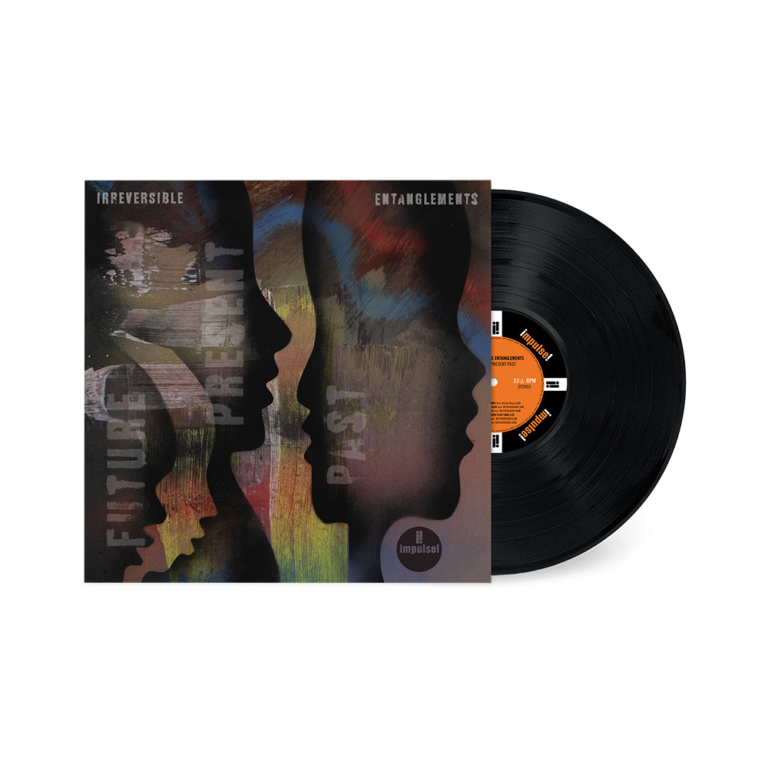
IRREVERSIBLE ENTANGLEMENTS – FUTURE PRESENT PAST
(Impulse!)
Shannon Ali’s (Shannon J. Effinger) Pick
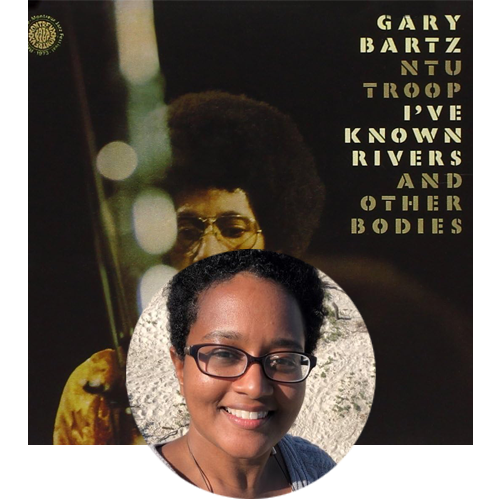
GARY BARTZ
NTU TROOP –
I’VE KNOWN RIVERS
(Jazz Dispensary Top Shelf / Prestige)
READ THE REVIEWS
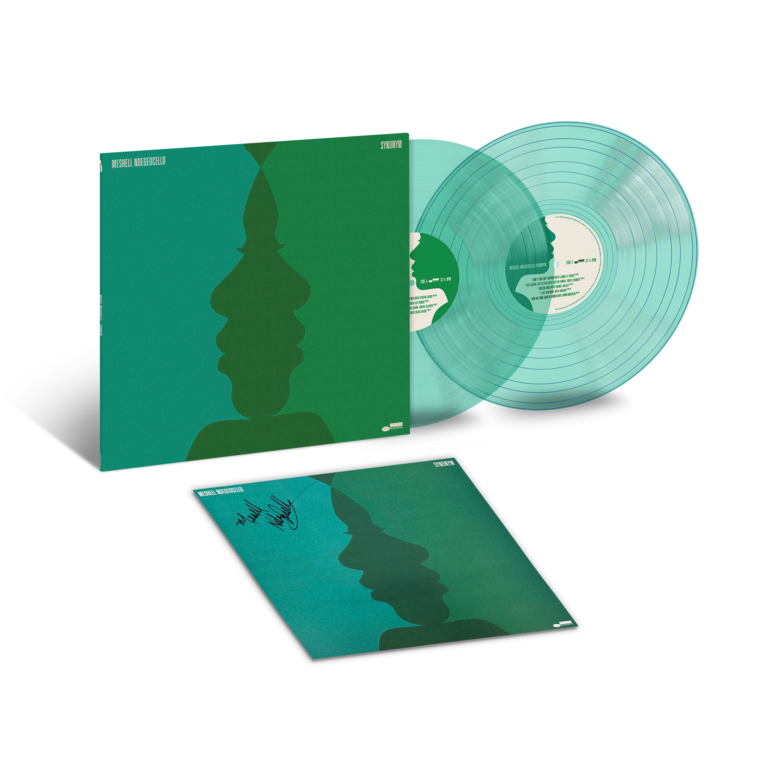
Meshell Ndegeocello’s album “Synonym” is an adventurous and emotional journey, and listening to it reminded me why I fell in love with music in the first place. In a year full of excellent releases, I found myself listening to this record on repeat, not because it was easy listening, but because it consistently reveals something new.
These are songs I thought I knew. Songs that carry decades of memory and familiarity; songs we’ve danced to, cried to and fallen in love to. Through “Synonym”, Meshell invites us to hear them afresh, not as nostalgia but as living, breathing works of art. Listening to the album felt like a journey. At times it is sonically challenging, but in the best possible way. It asks us to lean in, listen more carefully and let go of our assumptions about how these songs should sound.
What stayed with me most was its generosity. This is a record built on collaboration, curiosity and trust. Whether it’s Cynthia Erivo, Moses Sumney, Emily King, Chaka Khan, Lizz Wright, or Meshell herself, nobody competes for attention. There is no sense of ego. Every artist serves the song.
I interviewed Meshell around the album’s release, and one observation from that conversation stayed with me. I told her that when I saw her perform live in London a few years earlier, what captivated me was that she wasn’t standing apart from the music. She was in the band, locked in and fully immersed in the collective experience of making music. To me, that felt magical. During our conversation, it became clear that Synonym shares that same philosophy.
Time and again, she spoke about collaboration, melody, purpose and connection. Whether discussing her collaborators, her long-time musical partner Abe Rounds, Afrobeat legend Fela Kuti, songwriting or arrangements, she kept returning to the same idea: the purpose isn’t about you. It’s about the music.
One thing that stayed with me from our conversation was her love of melody and her description of it. “Melody is forever,” she reflected ebulliently. As she reimagined songs such as “Islands in the Stream”, “Be Real Black For Me”, and the brilliant version of “I Got You Babe” featuring ANOHNI, it wasn’t just about creating new arrangements. It was about revealing what makes a song endure. Listening to “Synonym”, you can hear the respect she brought to the task throughout. The arrangements are adventurous and often unexpected, yet they never lose sight of the music’s emotional heart.
Perhaps that’s why “Synonym” has stayed with me. For me, it’s a musical onion that can move you to tears one moment and fill you with joy the next. In a year of remarkable releases, I kept returning to it. With each listen, something new revealed itself. For me, that’s the mark of a truly great record.
Jumoké Fashola is a journalist, broadcaster and vocalist who currently presents a range of Arts & Culture programmes on BBC Radio 3, BBC Radio 4 & BBC London.
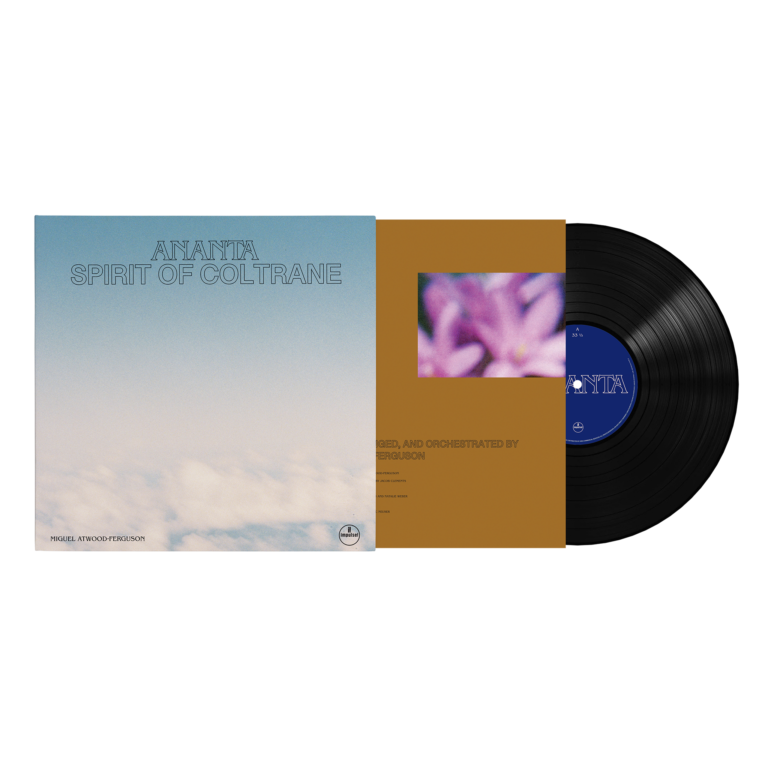
Five years after John Coltrane’s passing, in 1972, his widow, Alice Coltrane, released “Infinity”, an album on which she took previously unheard recordings by his band and added strings and additional instrumentation, including bass performances by Charlie Haden. Fans reacted with shock and even fury, considering it almost sacrilegious, but “Infinity” was a fantastic album, because Alice Coltrane was a brilliant arranger. The strings and harp that opened the album, adapting the melody of “Peace On Earth” into a horizon-spanning vista of sound, gave the piece an extraordinary majesty, and when Coltrane began to solo, the orchestra created a truly glorious context for his passionate exhortations. On “Leo,” John Coltrane’s and Rashied Ali’s playing came from one session, while Alice Coltrane’s and Charlie Haden’s were from another and the strings came from a third. But it all worked. “Infinity” is simply a terrific musical work, sweeping and glorious—a major piece of the Coltrane (John and Alice) corpus—and it deserves reassessment.
In John Coltrane’s centennial year of 2026, there have been plenty of archival releases and tributes, but producer, composer, and multi-instrumentalist Miguel Atwood-Ferguson’s “Ananta: Spirit Of Coltrane” is one of the most adventurous and surprising, and the one that comes closest to “Infinity”.
Atwood-Ferguson assembled a cast of nearly twenty musicians, including alto saxophonists Immanuel Wilkins and Devin Daniels; soprano saxophonist Azar Lawrence; Morgan Guerin on bass clarinet; Shabaka Hutchings on alto flute and bass clarinet; Elena Pinderhughes on flute; Joel Ross on vibraphone; Jeff Parker on guitar; Brandee Younger and Liza Wallace on harp; Javier Santiago and David Virelles on piano; Karl McComas-Reichl and Ryoma Takenaga on bass; cellist Peter Jacobson; Justin Brown and Marcus Gilmore on drums; Andres Renteria on percussion; Flying Lotus (Alice Coltrane’s nephew) on synthesizer and sound design; and poet Aja Monet. With some joining him in the studio and others contributing recordings from afar, and adding violin, viola and percussion himself, he created a suite of sometimes radical reinterpretations of Coltrane’s music.
Likely the most surprising track is a version of “Giant Steps,” a piece traditionally taken at speed by saxophonists looking to prove their discipline and dexterity. Atwood-Ferguson turns it into a ballad, allowing Hutchings and Ross to hold the melody up to the light like a jewel, as Wallace, Santiago, McComas-Reichl, Brown, and Renteria create a shimmering cloud of harmonies around them. The version of “After The Rain,” with Parker and Pinderhughes playing the gentle melody in near-unison as harp, strings, and subtle percussion surround them, serves as a gorgeous interlude between a passionate “My Favorite Things” showcasing Azar Lawrence and a version of “Resolution,” from “A Love Supreme”, that opens with a thunderous drum solo from Justin Brown.
Atwood-Ferguson has honoured one of the 20th century’s most singular musicians with an album every bit as singular. It has all the grandeur of John Coltrane’s music, but extends that sound brilliantly into more expansive realms, just as his widow did almost 45 years earlier.
Phil Freeman s a regular contributor to DownBeat, Stereogum, and The Wire, and a co-founder of Burning Ambulance. He lives in Montana.
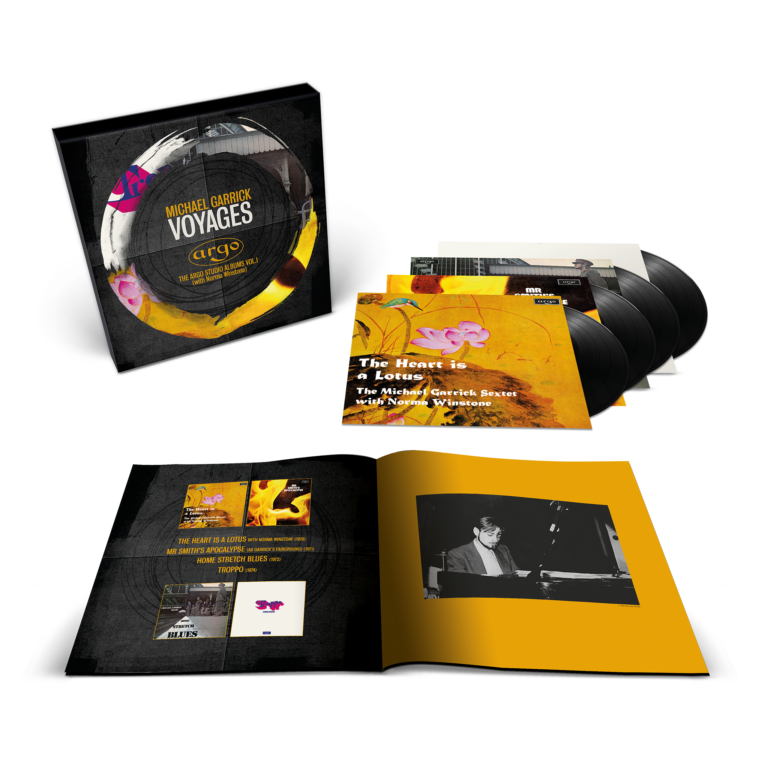
“Anything that is good will be fresh forever, if you can have an instinct for tapping into that kind of stream which is durable and which evokes human emotions and experience,’” says Michael Garrick thoughtfully beside his grand piano in his home in the outer suburbs of London.
It was the Spring of 2006 and I was talking with the pianist and composer for Straight No Chaser magazine in the wake of the BBC series Jazz Britannia and the subsequent show at The Barbican. Back in 2002 Gilles Peterson and Tony Higgins had worked together with Michael Garrick on the “Impressed” compilation for Universal. “Whereas the various jazz labels and artists of mainland Europe and, of course, the USA have long been plundered for booty, the UK has for too long been overlooked,” wrote Peterson in the liner notes. “British jazz from the 1960’s is deep, dark and dangerous.”
Jazz Britannia did much to shine a light on the quiet legends of British jazz but many of their records remained elusive with eye watering prices of original copies. With Tony Higgins acting as Executive Director these holy grails are now being made available on 180g vinyl, direct from the original stereo master tapes, through the British Jazz Explosion series.
“By the early to mid-sixties, British based composers and musicians realised that simply copying the stars of American jazz wasn’t enough. They had to bring their own identity and flavour to it,” Higgins told EJ when the series launched in 2021. And nobody encapsulated that homegrown identity more than Michael Garrick. Whether combining poetry and jazz in the early sixties, setting jazz to choral music at St Paul’s Cathedral or creating pastoral modal jazz epics in the early ‘70s, Garrick created innovative jazz with a distinctly English voice.
The latest addition to the series, Michael Garrick’s Argo Studio albums opens with “The Heart is a Lotus” recorded for the Decca subsidiary in 1970 with his sextet (Don Rendell, Ian Carr, Art Themen, Jim Philip, Coleridge Goode, Dave Green, Trevor Tomkins) and long-time singer Norma Winstone. Garrick’s modal jazz masterpiece contained two of his greatest compositions, “The Heart is a Lotus” featuring Garrick on piano and harpsichord with Winstone’s voice rising like a flower and “Temple Dancer” that continued his exploration of Eastern modes that began with “Black Marigolds” recorded with the Don Rendell Ian Carr Quintet in 1965.
The next of the four albums is “Mr Smith’s Apocalypse”, released as Garrick’s Fairground in 1971. Once again featuring Brit Jazz’s finest players, the album paired Norma Winstone with an 11-piece choir. With words by English poet John Smith, who had worked with Garrick on his Poetry and Jazz Concert, the two-piece suite was right up there with the best in choral jazz coming out of America.
With Garrick on harpsichord and piano and most of the same players who had joined him for his previous Kevin Daly produced albums for Argo, “Home Stretch Blues” is the most straight ahead and possibly the least essential in this box set. But that is only because of the strength of the other four albums here.
The run at Argo ended with “Troppo” an incredible record that brought out the best in the individual players while showcasing Garrick’s genius both as a pianist and composer. While “Troppo” was warmly received by critics at home, like Steve Voce at Jazz Journal who compared Garrick to Gil Evans, the 1975 album would be his last for Argo. “Their parent company Decca finally cast an eye over our sales. So that was it really it just ended,” Garrick told me. Pouring a final cup of tea after our long and poignant afternoon together he ended by reflecting: “I am just interested in opening people’s ears. To bring jazz to people and to show them what it is about. That’s what I’ve always done. To spread the word.”
An important chapter in the ongoing re-appreciation of Michael Garrick and the British jazz movement, these four albums are as essential to any jazz collection as those Blue Note and Impulse! classics.
Andy Thomas is a London based writer who has contributed regularly to Straight No Chaser, Wax Poetics, We Jazz, Red Bull Music Academy, and Bandcamp Daily. He has also written liner notes for Strut, Soul Jazz and Brownswood Recordings.
One of the most welcome and unexpected treats thrown up by the YouTube algorithm recently was John McLaughlin’s heartwarming performance at Eric Clapton’s Crossroads Festival in Austin, Texas. Its 382,000 views at the time of writing is a reminder of the esteem in which the British guitar hero is held (though weirdly and lamentably he continues to be almost completely ignored by the media of his homeland…).
And this year saw the 30th anniversary vinyl reissue – with sumptuous gatefold – of “The Guitar Trio”, his 1996 reunion with fellow guitar legends Al Di Meola and Paco De Lucia, their second and final studio project before the latter’s death in 2014.
Of course their debut album – 1981’s million-selling live recording “Friday Night In San Francisco” – showcased a new kind of all-acoustic “fusion” music, mixing flamenco, jazz, R’n’B and Latin.
But “The Guitar Trio” was a very different kettle of fish, a very original, underrated recording which caught all three players at fascinating periods in their careers. McLaughlin was returning to the acoustic guitar after his mainly-electric, all-star album “The Promise”, Di Meola was receiving great critical plaudits with his World Sinfonia project and De Lucia was arguably at the absolute peak of his playing abilities.
“The Guitar Trio” was recorded in the Big Room at Peter Gabriel’s residential Real World Studios in Bath, south-west England. All three played mostly nylon-string acoustic instruments, and they move around the stereo spectrum from tune to tune – maybe an attempt to ease the much-rumoured tensions between the trio.
De Lucia’s opener “La Estiba” is a brilliant introduction to the album, featuring terrific solos from all players. McLaughlin provides three new compositions: the cheerful “Midsummer Night” starts with some vocal clowning including John’s (very good) Miles Davis impression: “You can do it!”.
De Lucia apparently loved “Letter From India”, saying “Nice, eh?” at the end. Meanwhile “Le Monastère dans les Montagnes” was inspired by McLaughlin’s stay in a Trappist monastery during summer 1995.
McLaughlin and Di Meola duet memorably – and relatively simply – on “Manhã de Carnaval”, while Di Meola’s “Behind The Mirage” is currently the most-listened-to track on Spotify by some margin. It features some beautiful chord textures from all three players.
“The Guitar Trio” was a big hit, making #1 on the Billboard Jazz chart in the US. McLaughlin, De Lucia and Di Meola embarked on a world tour lasting from September to November 1996 but reportedly it was not always a happy affair: a famous photo printed in The Guardian newspaper from the London gig emphasised the distance between the performers onstage. But happily it seems relations between McLaughlin and Di Meola have warmed since 2022, when the live album “Saturday Night In San Francisco” was released.
Pianist Kenny Werner’s wonderful book “Effortless Mastery” came out at around the same time as “The Guitar Trio”. It could have been named for the playing of Messrs McLaughlin, De Lucia and Di Meola. Don’t miss.
Matt Phillips is a London-based writer and musician whose work has appeared in Jazzwise, Classic Pop, Record Collector and The Oldie. He’s the author of “John McLaughlin: From Miles & Mahavishnu to the 4th Dimension” and “Level 42: Every Album, Every Song”.
Did you know that in Japanese there’s a specific word for sunlight filtering through the foliage? It’s called “komorebi”, and that’s exactly how Liana Flores’ music feels to me. The British-Brazilian singer-songwriter’s latest EP was released at the end of the summer, in early September to be exact. Every day for the following weeks, I took my dog to one of our favourite spots near the house, an open field with two huge, old trees, through whose branches and leaves the sun shines at midday at this time of year. I wasn’t wearing headphones, but I could hear Liana’s voice in my head: “Sem você, vou sonhar e vou me mover,” she sang, “Without you, I’ll dream and I’ll move … all through this lonely world.”
Liana’s gorgeous voice reminds me of Gal Costa, with a hint of Astrud Gilberto’s raspy tone. Having grown up in a small town in South Norfolk, she began writing songs as a sad teenager, inspired by her Brazilian mother’s bossa nova records, Latin jazz, indie pop and English psych folk (Nick Drake, Vashti Bunyan). In her late teens, she independently released two EPs; her song “rises the moon” went viral on Tik Tok in 2021, which led to a record contract with Verve. She wrote her debut album “Flowers of the Soul” whilst studying zoology at University of St Andrews in Scotland, releasing it in 2024 to critical acclaim. For the last two years, she’s been touring Europe and America; now in her mid-20s, Liana looks set to be around for the long haul.
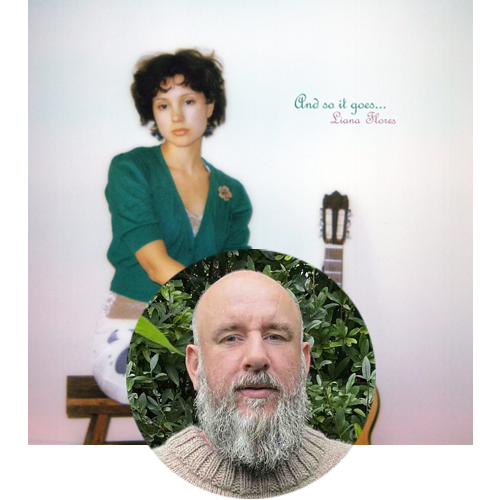
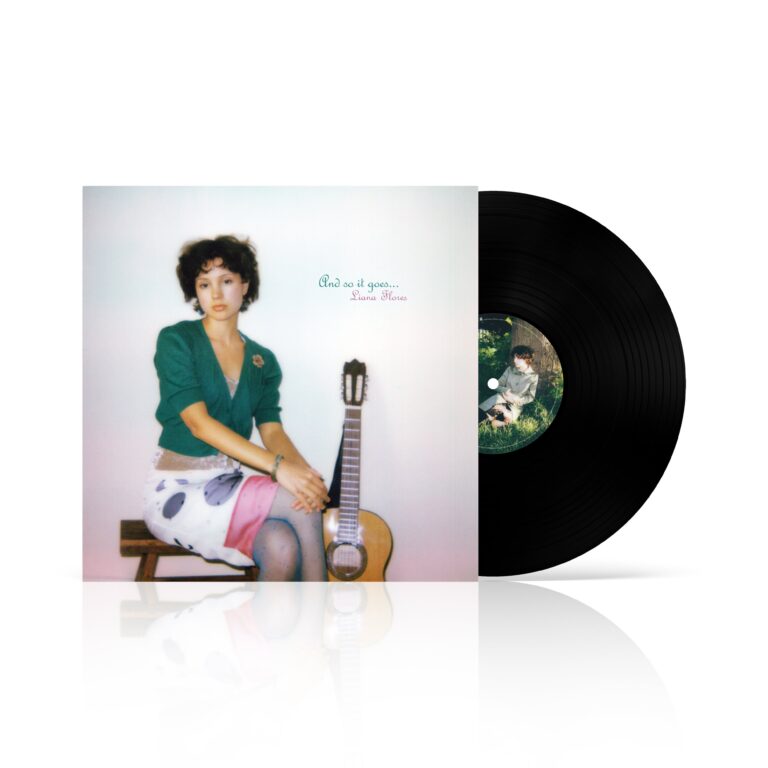
“And so it goes…” is a collection of six new songs, mostly brief snapshots of seemingly unremarkable everyday situations – Liana crying on the phone, Liana trying to cook, Liana in the front seat of a bus to Oxford Street, thinking of a mysterious lover. The cover image shows the now grown-up singer through a retro-style blur filter, but the production sounds crisp and raw, and the instrumentation feels decidedly minimalist: there’s acoustic guitar, acoustic and electric piano, double bass, drums, a little percussion and Liana’s voice. Actually, she seems to be playing and singing much more freely here, without the pressure of having to produce a ‘big’ album. The songs are timeless, yet come across as spontaneous and light – by no means contrived or overproduced.
Liana has dialled back on the folk and indie pop influences here; her main modus operandi is the mid-tempo Bossa Nova tune as established by Tom Jobim and Luiz Bonfá, but in her hands, the form somehow feels fresh and rejuvenated. The songs manage to sound life-affirming but at the same time express a deep, melancholic longing for something not clearly defined; like missing a time you never experienced or a place you never visited, or trying to conjure up a memory that doesn’t actually exist. The Portuguese call it ‘saudade’, the Germans ‘Weltschmerz’, and the Welsh ‘hiraeth’ – of course, all these words have slightly different nuances of meaning, but Liana in fact conveys many shades of this emotion masterfully through her husky voice and her poetic, matter-of-fact lyrics. “You liked my long hair / I’m going to cut it off,” she sings in the aptly called “Here to Stay”. “Gone is the dream that once we shared / ways that we cared / when this long year was new.”
Stephan Kunze is a writer, book author and a commissioning editor for Everything Jazz. He writes the zensounds newsletter on experimental music and culture.
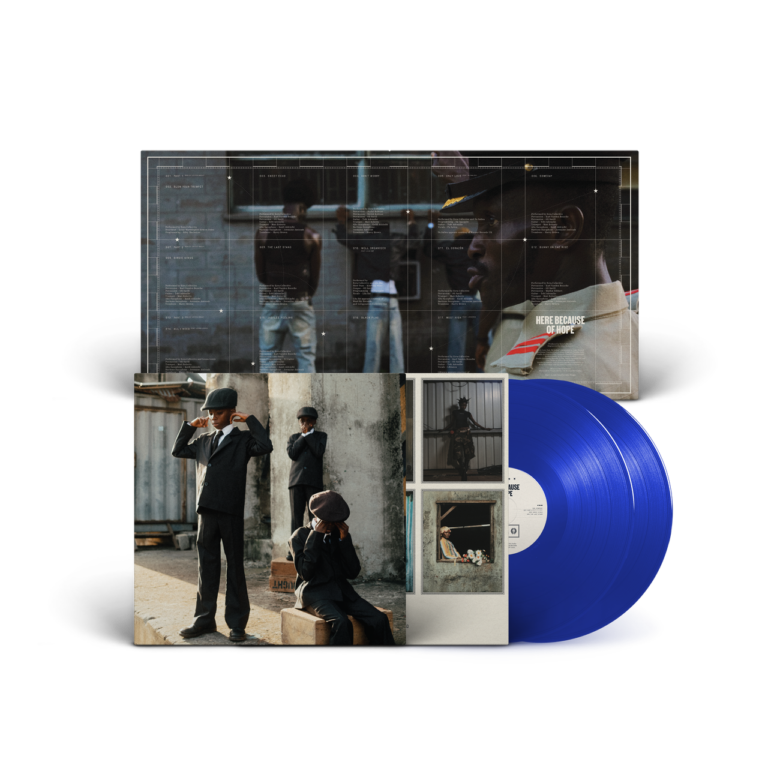
Here Because of Hope Transparent Ocean Blue Vinyl 2LP
In the rocket fumes of stadium performances, National TV appearances and prestigious awards, Ezra Collective deliver “Here Because of Hope”, their fourth studio album. Naturally adept in balancing humility with celebration, the five piece double down on what they’ve developed during their journey since their debut, “Chapter 7”.
“Here Because of Hope” delivers what any Ezra fan would expect; vast diasporic influences rooted in the UK Jazz scene which they’ve become such a synonymous part of; the ability to whip up tension and deliver a release within the space of four minutes or less, and an unmistakable aura of positivity and possibility.
Three spoken word tracks performed by BAFTA-winning actor Letitia Wright provide thought-provoking touchstones with themes of resilience, inner-strength, belonging and of course, hope. On and off stage, Ezra Collective are passionately vocal about the importance of community, supporting young people, and holding out a hand to those who are behind us in their journeys. It’s possible to interpret “Here Because of Hope” through these various lenses; moments of calypso, garage, dub and of course jazz demonstrate the anthropological nature of their creativity, in a continuous celebration of Black Music.
As the Ezra Collective fanbase grows—featuring everyday music heads and fellow musicians—so does the ability to invite a broader repertoire of artists to collaborate with. British rapper and singer Pa Salieu, Jamaican singer Lila Iké, Cameroonian singer Libianca and previous X-Factor winner and soul-pop vocalist Leona Lewis all contribute to Ezra Collective’s vision. Success in collaboration is something that Femi Koleoso (drums / bandleader), TJ Koleoso (bass), Joe Armon-Jones (keyboards), Ife Ogunjobi (trumpet) and James Mollison (tenor Saxophone) are no strangers to. Their ability to build music with a vocalist—not around a vocal—ensures that the band doesn’t exchange their melodic hooks and dance-enducing grooves in replacement of a guest’s topline.
Each Ezra Collective album has had its standout dancefloor favourites, and this time around, it’s “Only Love” featuring Pa Salieu. Gambian-inspired drum patterns and bass lines, orchestrated by sibling rhythm section Femi and TJ, create a bed for Pa Salieu’s lyrics about serving time—and the life-opening epiphanies that came from it. The album as a whole is an uplifting, celebratory body of work; “Only Love” is the opportunity within that for deeper reflection.
Meanwhile, “Don’t Worry” thrumbs with the sunshine of Trinidad and Tobago, lilting a melancholic melody in contrast to the dancefloor pace. “Someday” bounces with subtle afrobeat charm that sounds in perfect company with scene mates KOKOROKO, whilst “Bunny on the Rise” is a pelting, gut-stirring heater that can generate memorable live moments akin to the anthemic “Victory Dance” (Where I’m Meant to Be, 2022) or the “The Herald” (Dance, No One’s Watching, 2024).
“Here Because Of Hope” is a document of a band ten years into their recording journey, and Ezra Collective have marked this milestone by releasing an album that could only come from them.
Tina Edwards is a broadcaster, DJ, music journalist and curator. She’s the host of Bandcamp Selects (with new shows every Monday), and is the co-founder of live night Queer Jazz. She also co-runs re:sonate with Tim Garcia which aims to democratize information in the music industry.
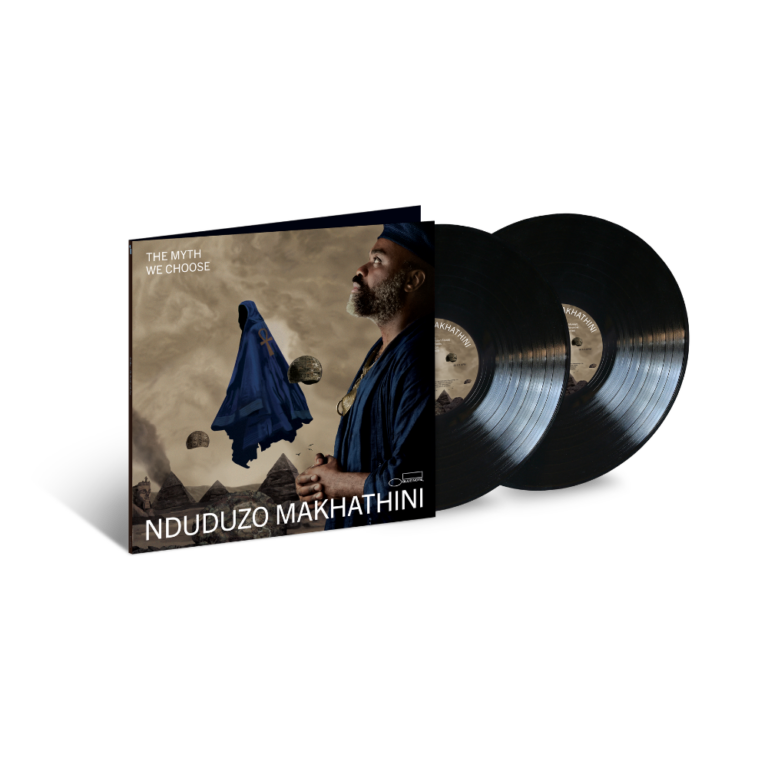
There’s a quietly radical vibe to Nduduzo Makhathini’s vision of jazz. For the acclaimed South African pianist and composer, music is not simply an art form but a means of understanding the world, of connecting with ancestors, and imagining figures of the future. “The Myth We Choose”, his fourth album for Blue Note, takes that philosophy further, creating music both deeply rooted and restlessly contemporary. It’s jazz reaching beyond itself.
Having grown up, the son of musicians, in rural, hilly KwaZulu-Natal, before taking up formal jazz studies in Durban, Makhathini’s language draws on Zulu cosmology, gospel, classical music and jazz freedoms. Co-produced with his teenaged son Thingo, the album expands this sonic palette, introducing electronic textures and contemporary grooves that lend edge but never dilute the music’s spiritual intensity. For Makhathini, songs carry the knowledge, values and aspirations through which one generation speaks to another. His practice as a sangoma, or traditional healer, informs an aesthetic in which the physical and metaphysical are inseparable. Where improvisation becomes a means of engaging with the unknown.
Opening track “Kuzodlula”, featuring trumpeter Robin Fassie, sets a reflective, searching mood before “Imvunge KaNtu” gathers energy, its rugged post-bop interplay set against chants and syncopated handclaps. “Unembeza” draws on the gospel-inflected lyricism of South African jazz. “Liyoze Line Nangakithi”, featuring Shabaka Hutchings on flute, is a hymn to rain, its modal blues giving Hutchings room to improvise alongside piano and bass. On “What People Say”, vocalist Omagugu – who happens to be his wife – joins Makhathini in a warm, blues-inflected exchange.
Bassist Dalisu Ndlazi and drummer Lukmil Perez provide a supple foundation for these shifting moods, while collaborators including vocalists Thando Zide and Muneyi extend the music across different worlds. “Ekuqaleni” is an album highlight: a reimagining of a Zulu creation myth in which post-bop meets liturgical music, electronic keyboards and vocoder. “Ḽiṅwalo ḽa Mubebi”, featuring Muneyi, explores fatherly love through a tender vocal set against resonant bass and gently swinging piano. The range is remarkable, yet the album still feels winningly organic.
Black Coffee, the South African DJ and producer celebrated for his Afro-house and deep-house sound, appears on “What People Say (reprise)”, bringing his electronic sensibility into Makhathini’s hemisphere, extending the conversation between jazz and contemporary electronic music. It’s a deliberate ploy: Makhathini understands that traditions survive by remaining meaningful to successive generations.
“If I really believe that sound is a healing space,” Makhathini previously told me, “Then I should open the doors even more for access for people to come in.”
“We are not the authors,” he added. “We are the messengers.”
On “The Myth We Choose”, tradition is neither fixed nor fenced off, but continually reshaped through collaboration, improvisation and the meeting of generations. Makhathini is one of the most vital musicians in jazz today, and here he makes the case for a music that can honour its inheritance while remaining gloriously open to change.
Jane Cornwell is an Australian-born, London-based writer on arts, travel and music for publications and platforms in the UK and Australia, including Songlines and Jazzwise. She’s the former jazz critic of the London Evening Standard.

The art of the ballads album is a difficult one. Downtempo, largely unadorned and typically sparse, a jazz ballad requires its lead instrument to convey a depth of emotion within its soft, slow-moving tone. Through wordless notation, these players need to storytell and sing to the listener. Genre pioneers like John Coltrane and Wayne Shorter both mastered the art of the saxophone ballad, communicating genuine, honest intent through the often breathy and plaintive notes of their horns, and on Chilean American tenor player Melissa Aldana’s outstanding 2026 release “Filin”, she now adds her name to this pantheon of balladic virtuosos.
Taking its inspiration from the 1940s and ‘50s Cuban tradition of filin, where instrumentalists would produce romantic, crooning music in the style of American singers like Nat King Cole or Sarah Vaughan, Aldana’s record of the same name seeks to reinterpret this filin music through the prism of modern jazz balladry. Backed by an all-star band featuring Cuban pianist Gonzalo Rubalcaba, bassist Peter Washington and drummer Kush Abadey, the album’s eight compositions produce a quiet intensity centered on Aldana’s stirring saxophone melodies.
Opener “La Sentencia” sets the tone for the record to come, featuring Rubalcaba’s agile interplay with Aldana’s lyrical melodic lines to create a luscious and wistful soundbed that Abadey and Washington gently anchor in their slow swing and cymbal textures. It’s a tender start that sounds effortless but that belies the immense skill required to perform Ela O’Farrill’s composition with such restraint as to only allow glimmers of virtuosity that elevate dynamics without overcrowding the song’s laid-back, languorous tone.
This artful restraint continues on Cesar Portillo de la Luz’s “Dime Si Eres Tú”, with Aldana entering the frame through a gorgeously breathy ascending trill before settling into a series of keening, long-held notes that soar atop Rubalcaba’s subtle chord changes. Frank Domínguez’s “Imágenes,” meanwhile, sees Aldana fill her horn with a more full-throated bluesy tone that slips and sways through Abadey’s masterful brushwork and on album highlight “Little Church,” Aldana and Rubalcaba strip Hermeto Pascoal’s original of its piercing uncanniness and instead recontextualise the tune into a sensuous exploration of swing.
Closing instrumentals “Ocaso” and “No Pidas Imposibles” see Aldana’s saxophone taking on the melismatic vocal stylings of the original versions, which were sung by filin stalwarts José Antonio Méndez and Frank Domínguez respectively, but it’s in the two features by contemporary vocalist Cécile McLorin Salvant that this ensemble gets closest to its source material and truly dazzles in its rearrangements. Salvant is yearning and heartrendingly forlorn on “No Te Empeñes Más,” while “Las Rosas No Hablan” sees her take on a whisperingly soft sense of intimacy, with Aldana’s horn doubling each emotive mood in her choice of longing solo.
At turns subtle and gossamer fine, as well as explosively powerful in brief moments of expressive dynamism, “Filin” sees Aldana cementing her status not only as one of our finest tenorists but one capable of embodying the full emotive range of her instrument. In our current era of increasing brashness and attention-stealing braggadocio, sometimes it’s the quiet moments that have the most to convey.
Ammar Kalia is a writer and musician. He is The Guardian’s Global Music Critic and writes for The Observer, Downbeat, Jazzwise and others. His debut novel, “A Person Is A Prayer”, is out now.
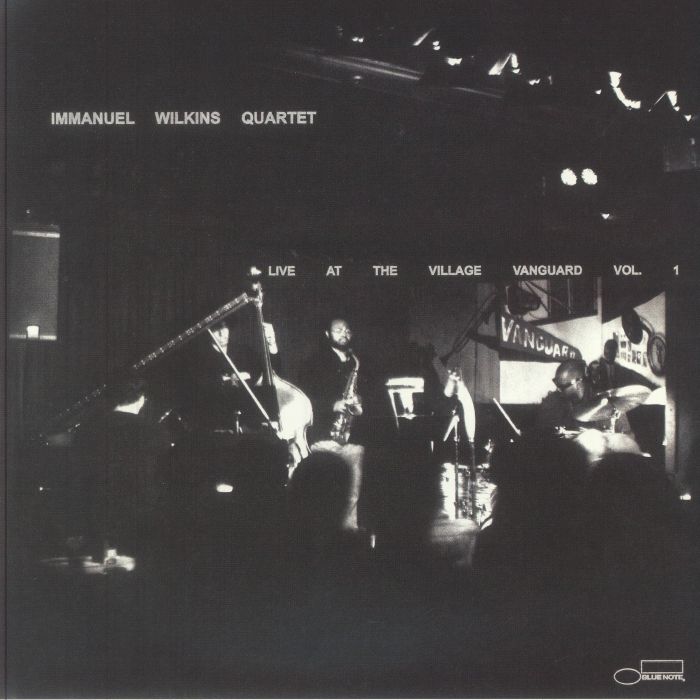
IMMANUEL WILKINS QUARTET Live at the Village Vanguard Vol. 1
Available to purchase from our US store.Sometimes my job is difficult for wonderful reasons, and my album of the year pick has been bugging me for weeks – it’s been so hard to choose just one title. It was a relief when I started to see so many of my favourite titles selected by the EJ writers – the sensual ease of Melissa Aldana’s “Filin” is utterly seductive; I’m always fascinated by anything Meshell Ndegeocello does and “Synonym” is no exception. Gary Bartz NTU Troop’s “I’ve Known Rivers & Other Bodies” sounds as essential today as it did in 1973; Nduduzo Makhathini’s vision for spiritual jazz feels both singular and generous in “The Myth We Choose”; and Miguel Atwood-Ferguson treaded sacred ground with reverence and style on “Anata – Spirit of Coltrane”.
In the year that we’ve marked the centenaries of Miles Davis and John Coltrane, it would be tempting to get caught up in looking back, but the diversity, quality and quantity of new albums shows us what rude health jazz is in. So I was committed to selecting new music, and it doesn’t get much more spontaneous than a live album, recorded in a legendary jazz club.
Immanuel Wilkins’ “Live at the Village Vanguard Vol. 1” is the first of a 3 volume project recorded over two nights on that storied stage. The quartet comprises Ryoma Takenaga (bass), Micah Thomas (piano) Kweku Sumbry (drums) and Wilkins (alto saxophone) who has celebrated another major milestone this year – when he became the recipient of a MacArthur Fellowship “Genius Grant”.
Note the ethos of the award: “The fellowship is not a reward for past accomplishments but rather an investment in a person’s originality, insight, and potential”. That’s what’s captured in this album – Wilkins and his band take the listener down uncharted musical paths together. We don’t know the destination, but we trust this visionary, agile navigator.
Much of Wilkins’ music deals with generational grief, the Black experience, injustice, and spirituality, and his concepts extend beyond music into other expressive mediums: art, dance, and cooking. At 29 years old his creative mind is still loaded with possibility and that’s what makes this record so thrilling.
Rather than a spread of bitesize tracks, an hour of music, split across four tracks adds to the sense of event and congragation. The resulting suite allows for deep exploration of musical ideas, shared emotion, tension and release.
You can practically feel the ancestors alongside Wilkins and his band – John Coltrane and Sonny Rollins are amongst the many names who made standout records at the Vanguard – but you can also feel the urgent energy of a hyped up crowd caught in the moment. Here is a musician looking both into the future and back through history.
The result is a band let loose, and free to soar.
I want to say a huge thank you to all of the writers for EJ who pour so much knowledge, care and love for their music into their stories. It’s so important that we keep writing about, discussing, buying, listening to and loving jazz. It’s been a great year for great music.
Freya Hellier is the commissioning editor for Everything Jazz. She has spent many years making programmes about all genres of music for BBC Radio 3, Radio 4 and beyond.
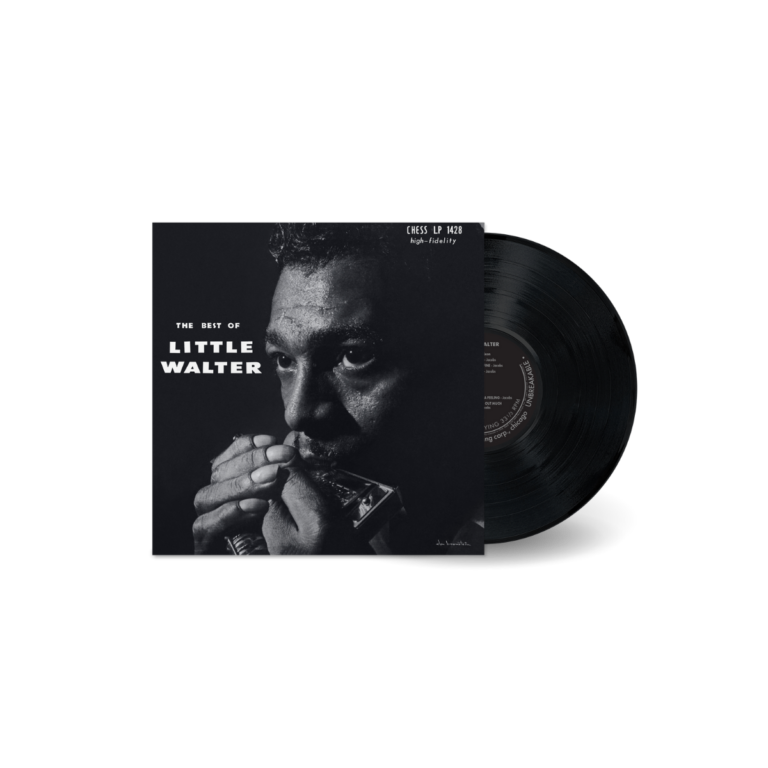
The Best of Little Walter (Chess/Acoustic Sounds) Vinyl
I like to champion new music, but this year is an exception: my album of the year is the reissue of The Best of Little Walter (Chess/Acoustic Sounds). Chad Kassem’s team at Acoustic Sounds and the alchemy of remastering have given these classic electric blues recordings new life. Recorded at Chess Studios in Chicago, the original master tapes miraculously survived the 2008 Universal Studios fire, which destroyed half a million recordings. Mastered by Matt Lutthans at The Mastering Lab, the raw power of Walter’s amplified harp leaps off the 180-gram vinyl, as if
you’re sitting in the control room at 2120 South Michigan Avenue in the summer of 1952.
Marion ‘Little Walter’ Jacobs transformed the sound of the electric Chicago blues through the invention of a new harmonica sound. As African Americans moved north during the twentieth century, the city reforged and electrified the acoustic sound of the blues. Like many of his contemporaries, Walter had tough beginnings. He was
born in 1930 in Marksville, Louisiana and pitched up in Chicago in the forties, still a teenager. Oral historian Studs Terkel writes in the original liner notes that he made his name playing on the street corners of Chicago’s famed Maxwell Street Market.
Guitarist Jimmy Rogers brought Walter to Muddy Waters’ attention, who featured him on his landmark 50s recordings like I’m You Hoochie Coochie Man and I’ve Got My Mojo Working. The electrified style of Chicago blues played in the city’s South Side clubs was too loud for the acoustic harmonica. To cut through, Walter cupped a
bullet microphone in front of the harmonica and plugged it into a small, cranked-up Fender tweed amplifier. This marked the birth of a revolutionary new sound; the amplifiers’ saturation produced an overdriven sound with the quality of a human voice. It was like Louis Jordan or Charlie Parker on steroids.
It was in the downtime before a Muddy Walters’ recording session that Walter’s first hit was cut in the hot summer of 1952. Once it was committed to tape, the studio owner, Leonard Chess, opened all the doors and windows because of the heatwave. He blasted the music out and filled the street, and his son Marshall remembered:
“Someone at the front noticed these women all dancing around by the bus stop. And that inspired them to rush that right out.” The instrumental “Duke” remains the only harmonica feature to top the Rhythm and Blues charts.
Originally released on Chess Records in 1958, this compilation is stacked with Walter Jacobs’ most iconic sides: in addition to “Juke” (the only harmonica instrumental to ever top the Billboard R&B chart), “My Babe” (a Willie Dixon-penned classic), “Blues With a Feeling,” “Off the Wall,” and more. These records were hits as 45s, but by the time this album was released, blues sales in the Black community were declining and eclipsed by rock’n’roll and rhythm and blues.
White record buyers bought this album in large numbers, influencing everyone from Paul Butterfield to Mick Jagger and beyond. Guitarists Jimi Hendrix and slide players Duane Allman and Derek Trucks emulated Walter’s distorted voice-like harmonica tone and adapted it. If you only have room for one blues album in your collection, buy this one.
Les Back is a sociologist at the University of Glasgow. He has authored books on music, racism, football and culture, and is a guitarist.
British tenor saxophonist Alan Skidmore’s album, “Once Upon A Time”, is the sound of young musicians brimming with confidence and youthful exuberance, exploding with energy yet tempered by a thoughtful consideration of the evolving possibilities of jazz.
In 1969, Skidmore – then a 27-year-old, up-and-coming name on the London scene – was asked by the BBC to put together a band to represent Britain in a Eurovision-style competition at the Montreux Jazz Festival. The group he assembled drew on the talents of other young musicians he’d been playing with in places like Ronnie Scot’s jazz club in Soho – Kenny Wheeler on flugelhorn, John Taylor on piano, Harry Miller on bass and Tony Oxley on drums – and their performance of all-original numbers at Montreux was a runaway success. Of the six prizes up for grabs, the group scooped three: Skidmore won best musician, Oxley best drummer, and the ensemble was named best group. Skidmore was suddenly a jazz star and, later that same year, was invited to cut his debut as a leader.
Released in 1970, “Once Upon A Time” captured the ebullience and verve of that prize-winning Montreux performance, setting down a suite of six powerful original compositions that still sound as fresh and challenging as the day they were recorded. Stylistically, the music owes a clear debt to the kind of questing, progressive post-bop recorded for Blue Note in the mid-to-late 1960s by the likes of Wayne Shorter, Andrew Hill and Joe Henderson – and, in fact, at Skidmore’s suggestion the album’s back cover was designed to closely resemble the classic Blue Note style. Yet it’s also easy to hear how these young musicians were finding a distinctly British voice, leading the way in a movement to emerge from the shadows of the music’s American origins.
At the heart of the group sound is a constant tension between form and freedom. “It’s influenced by be-bop and free playing,” Skidmore told me. “’Inside-out’ we used to call it. It was in time and then free, but we would do it without any signals or anything like that. It was quite magical.” Indeed, the tunes surf a wave of hurtling energy, constantly on the edge of unravelling into pure freedom, yet always determinedly remaining in service to the composition.
The opening title track – written by Skidmore’s friend and associate, fellow saxophonist John Surman – is a masterclass in dynamic control, sliding from a loose, metre-less ballad to a mid-tempo strut and back again with deceptive ease. Oxley’s “Majaera” is an avant-garde puzzle of angular horn stabs and fizzing drums that achieves a compelling forward momentum without ever seeming to cohere into a formal structure. Taylor’s “The Yolk” bursts out of the gate with irrepressible brio – a raging, up-tempo sprint with Skidmore’s tenor burning but, again, with a subtle handling of dynamics, the energy rising and falling in waves reminiscent of the textural innovations of Miles Davis’s mid-60s quintet.
Starting the LP’s second side, “Old San Juan” – written by Canadian saxophonist John Warren – employs a languorously loping riff with cinematic horns as a springboard to more high-octane playing and daring dynamic control, ending with a drum solo from Oxley that segues straight into a brash and fiery tenor/drums work-out credited to Skidmore and aptly titled “Free For Al.” This, in turn, moves directly into the finale – Surman’s “Image” – which begins as tentative free improv, boils over into wild turbulence and finally settles into a sustained simmer with Skidmore’s tenor reaching for wild upper registers while masterfully maintaining an underlying lyricism born of the blues.
By turns powerfully swinging, fearlessly radical and deeply felt, “Once Upon A Time” remains a stone-cold classic from a golden period of British jazz.
Daniel Spicer is a Brighton-based writer, broadcaster and poet with bylines in The Wire, Jazzwise, Songlines and The Quietus. He’s the author of books on German free jazz legend Peter Brötzmann and Turkish psychedelic music.
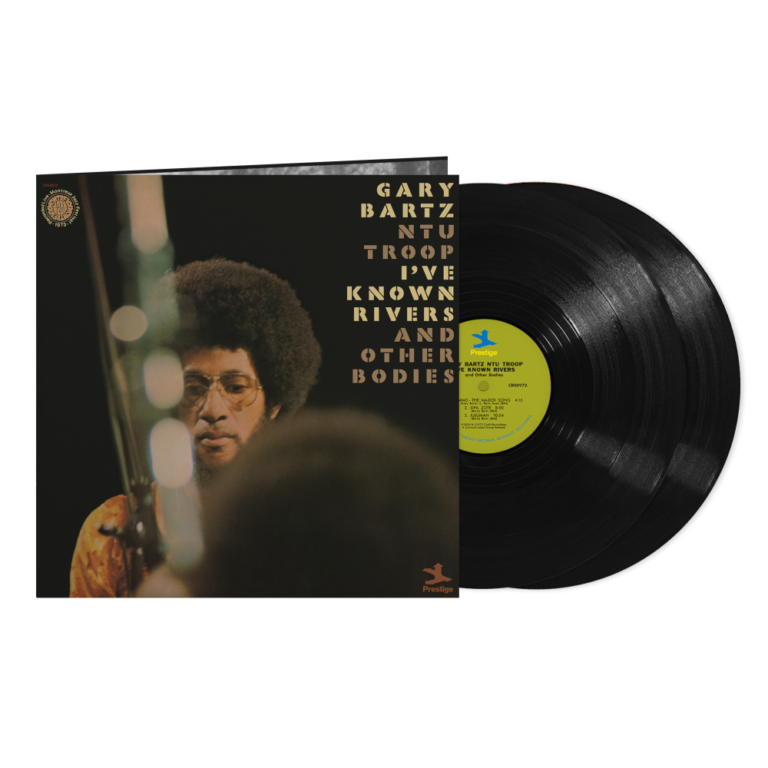
My connection to “I’ve Known Rivers” is deeply personal.
Eight years ago, I was a newly hired grant writer at the Bronx Museum of the Arts. Most of the grant proposals I had written sought funding for music and arts education. Until then, I had never tackled anything in the visual arts, and frankly, I never thought I would be able to.
It was a fateful convergence of firsts: my first-ever proposal to the Henry Luce Foundation; visual artist Sanford Biggers’ first solo exhibition at the Museum, Codeswitch, a collection of original quilts inspired by the long-held belief that enslaved Black people shared coded messages through tapestries displayed at safe houses along the Underground Railroad; and my first encounter with “I’ve Known Rivers” by Gary Bartz and NTU Troop.
I secured not only the Luce grant but also an NEA grant for the exhibition. But as I delved into the photographs and uncovered the histories behind Biggers’ quilts, the gravitas and palpable emotional pull of the music made the experience feel like much more than a mere grant proposal.
Recorded live at the 1973 Montreux Jazz Festival and originally released on Prestige Records, “I’ve Known Rivers and Other Bodies” returns to vinyl for the first time in over 50 years. Part of Jazz Dispensary’s Top Shelf series, the newly remastered, all-analogue double LP captures more than 70 minutes of music that is equally improvisatory, spiritual, and deeply soulful.
Alongside Bartz on saxophone and vocals, the set features pianist Hubert Eaves, drummer Howard King, and bassist Stafford James. The album is as much a masterclass in ensemble playing as it is a political manifesto — “Uhuru Sasa,” Swahili for “freedom now” and Bartz’s call to end the Vietnam War; “The Warriors’ Song,” dedicated to Coltrane and Malcolm X; and “Nommo – The Majick Song” and “Jujuman,” showcasing the players’ collective improvisation.
On the title track, Bartz explains how the song is inspired by Langston Hughes’ poem, “The Negro Speaks of Rivers.” It was as though each musician was fully aware that the music was bigger than themselves, adding intensity, conviction, and power to their sound.
Stafford James’ plucking on double bass anchors the tune masterfully, followed by sparse notes from Hubert Eaves on piano and light cymbal drumming from Howard King. The soulful samba sets up Bartz’s introduction to the Montreux crowd (you almost forget there’s an audience).
There’s an intentional power behind the rhythm section, a grounding for Bartz to soar both in vocals and on his saxophone. There seems to be a feeling that, “We are here, but not for you. We are showing up for us, ourselves…our people.”
Its brilliance lies less in performance than in conveying a message bigger than themselves, a history greater than themselves. The wealth and abundance of Black history that we almost forget or discount: Bartz inspired by Hughes, Hughes inspired by his travels, and Biggers inspired by signposts of enslaved Black people. A convergence of mediums that made history palpable for me.
Shannon Ali (Shannon J. Effinger) is a freelance arts journalist and cultural critic. Her writing on jazz and music regularly appears in The New York Times, The Washington Post, The Guardian, NPR Music and Pitchfork, among others.
Andy Beta is the author of “Cosmic Music: The Life, Art, and Transcendence of Alice Coltrane”. He is based in New York City.
SHOP THE ALBUMS
JAZZ ALBUMS OF THE YEAR
Our experts have decided: whether brand new recordings or lovingly remastered, reissued and rediscovered treasures – these are our jazz albums of the year.
READ ON…

Gift Ideas for Jazz Collectors