

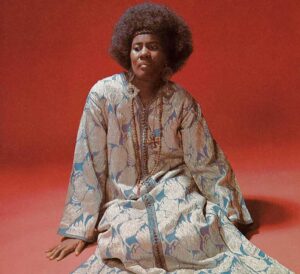
Pianist, harpist, organist, tympanist, orchestral arranger, engineer, vocalist, Alice Coltrane bore many credits in her recording career. Though for most of the jazz world, all of those roles paled in comparison to one, as the wife of the late John Coltrane. Who she married eclipsed who she was for much of her life and it’s only in the 21st century that such a narrow perception has dilated, and the true range of Alice’s talents have begun to be properly assessed.
Born Alice McLeod in Detroit on August 27, 1937, Alice was surrounded by a musical family. Her mother sang in the local church choir, her youngest sister would go on to be a Motown songwriter, while her older half-brother, Ernest Farrow, was an in-demand bassist on the city’s bustling jazz scene. McLeod herself was a prodigy at her church, playing piano and organ and leading multiple choirs from the age of 11. Her brother exhibited the kind of open-minded collaborative spirit that would inspire his younger sister in the years ahead, working alongside bandleader Yusef Lateef and branching out to play on instruments from around the globe, most famously the Syrian rabab on albums like “Eastern Sounds”
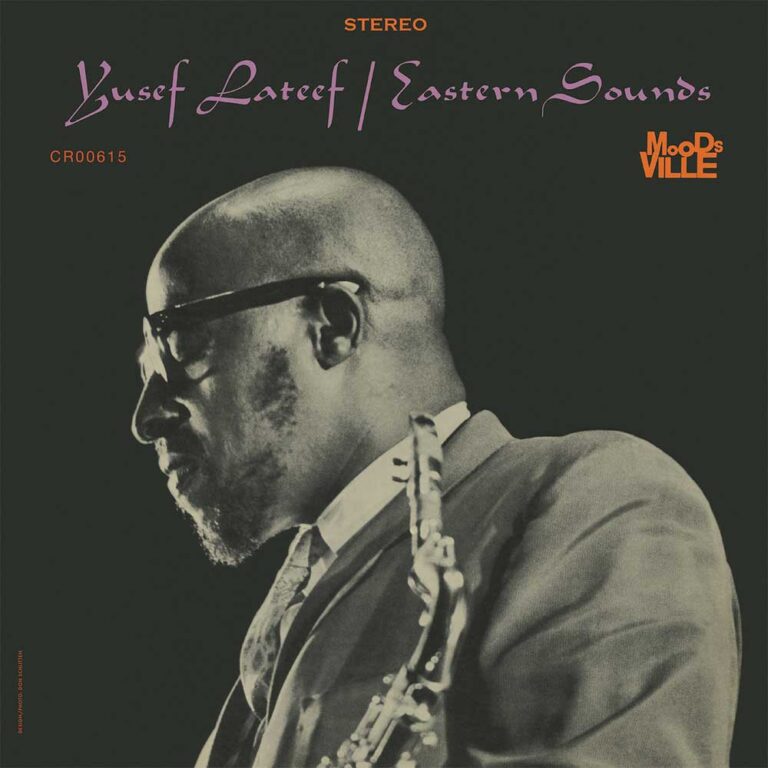
YUSEF LATEEF Eastern Sounds
Available to purchase from our US store.“He was a big inspiration for me,” she recalled. “Had he not been in the house, I don’t know.” Soon after high school, Alice McLeod worked as pianist for the likes of Sonny Stitt, Kenny Burrell, Lucky Thompson, and at one point in Paris, she also absorbed lessons from bop legend, Bud Powell.
It was while working in vibraphonist Terry Gibbs’ popular act at Birdland that she first encountered John Coltrane in July of 1963, the start of a whirlwind romance that not only transformed their own lives, but the future of jazz itself. Within a year of their courtship, John Coltrane was a new father. In that heady time of new love, he also composed “A Love Supreme”. Coltrane’s music began to explore spiritual new realms no longer beholden to jazz’s familiar structures, seeking inspiration in places like Africa and India, favouring the suspended time of rubato. And when his longtime pianist McCoy Tyner left the band, Alice Coltrane accompanied her husband on “Live at the Village Vanguard Again”.
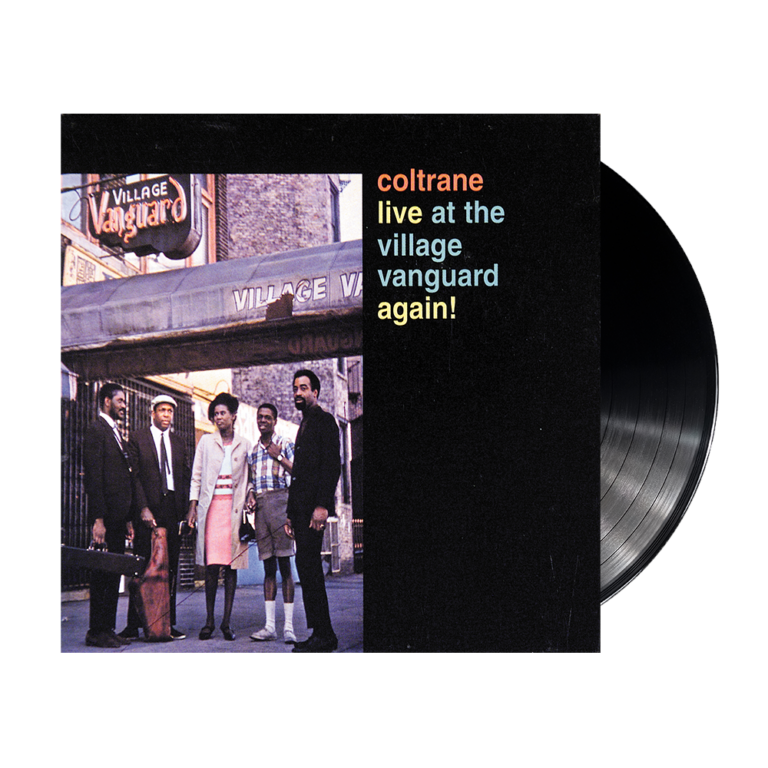
John Coltrane Live At The Village Vanguard Again! LP
John Coltrane tragically died in 1967 and if his grief-stricken widow was looking for a sign to see if she should carry on, a message seemed to be transmitted from the Great Beyond. A few months after John’s passing, a gilded concert harp arrived at Alice’s front doorstep. It was a sign. Alice Coltrane would carry forward her late husband’s quest for a universal sound, what the couple often referred to as “Cosmic Music,” something that moved beyond the parameters of jazz to brave new worlds.
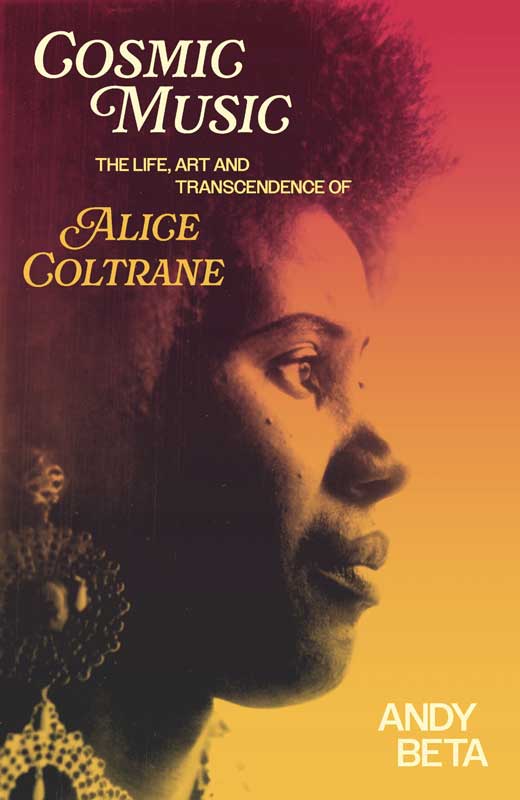
New Book:
Cosmic Music
/ THE LIFE, ART AND TRANSCENDENCE OF ALICE COLTRANE
Gallery
A selection of photographs of Alice Coltrane at home and abroad
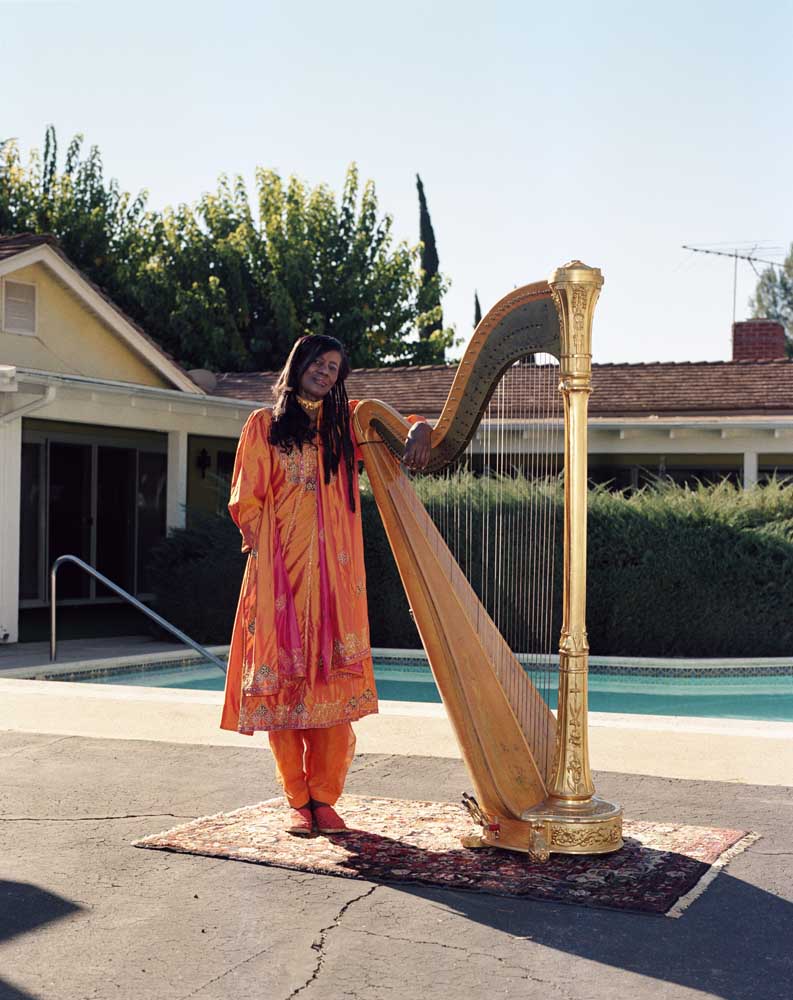
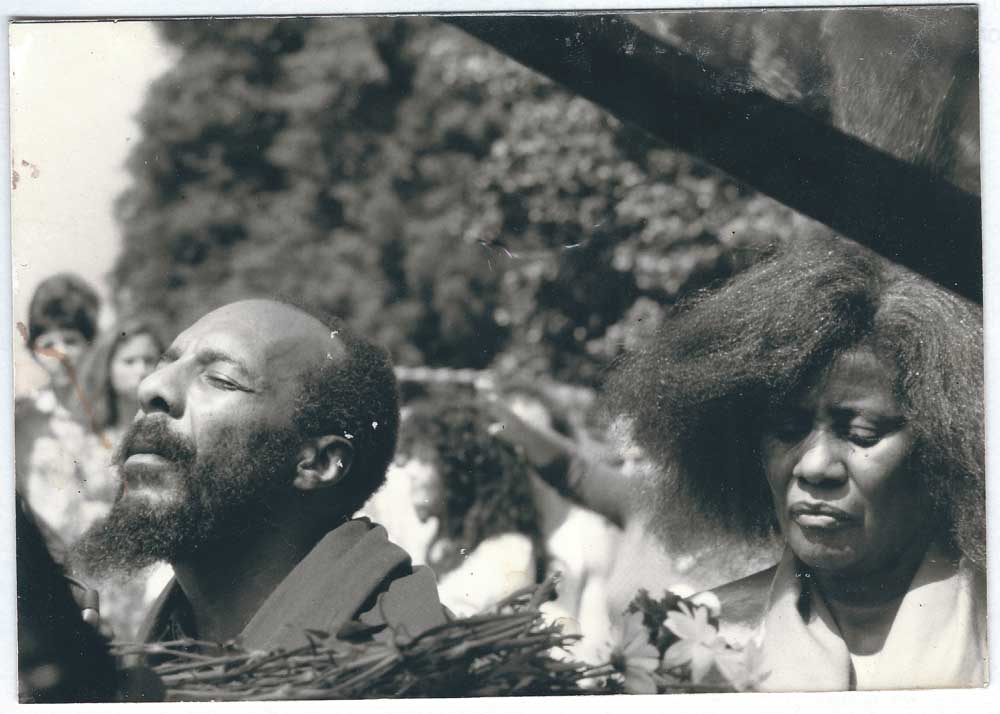
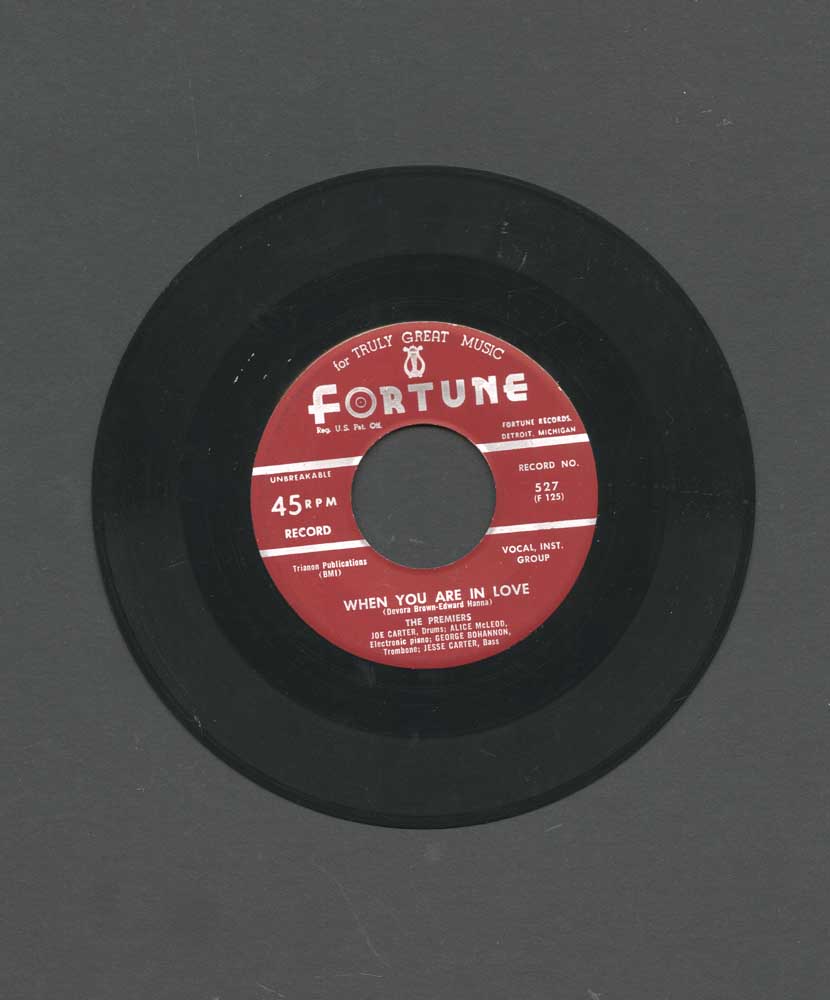
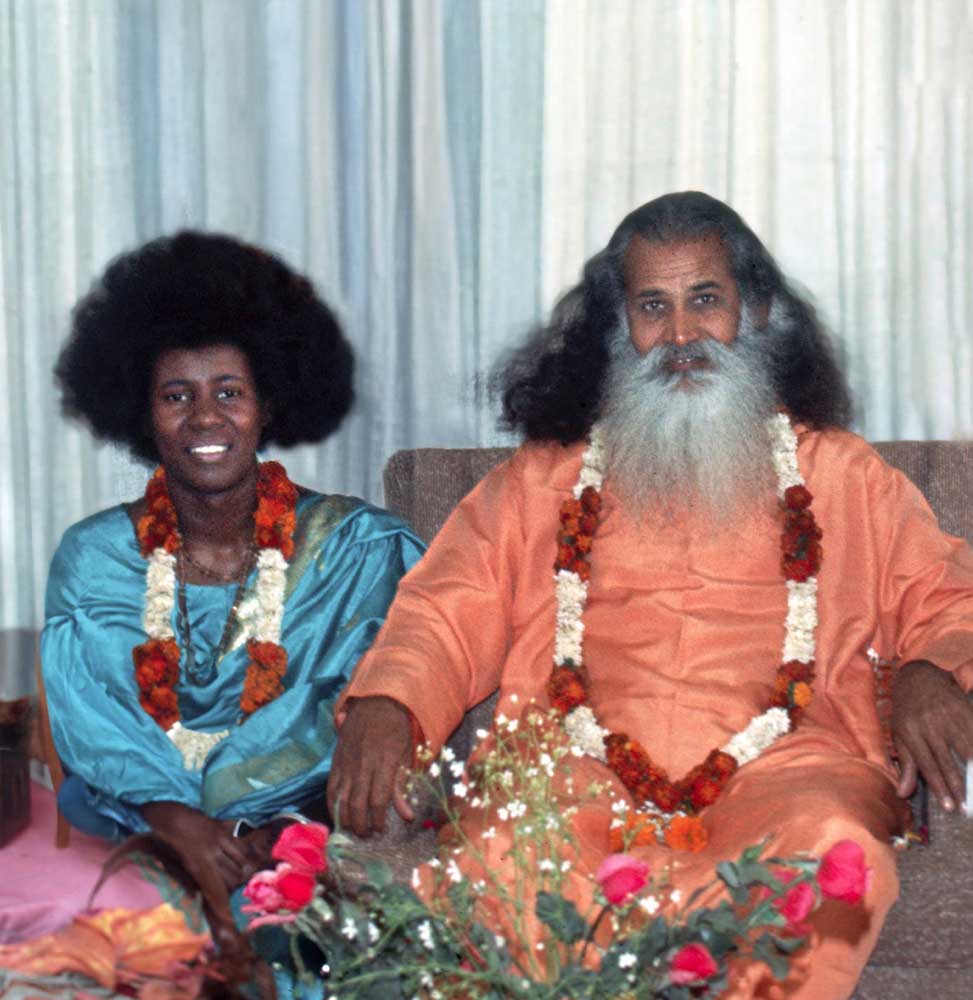
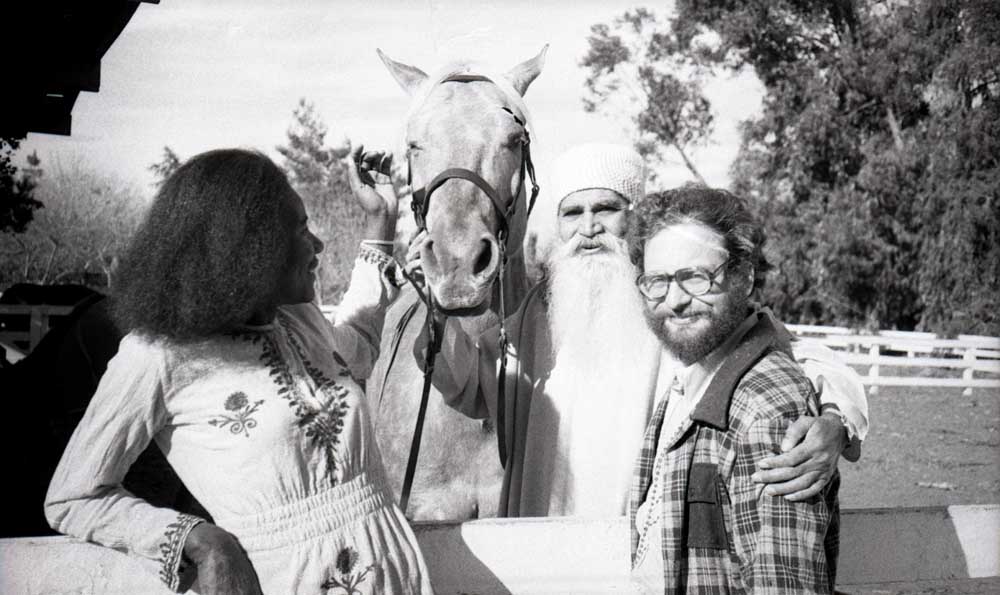
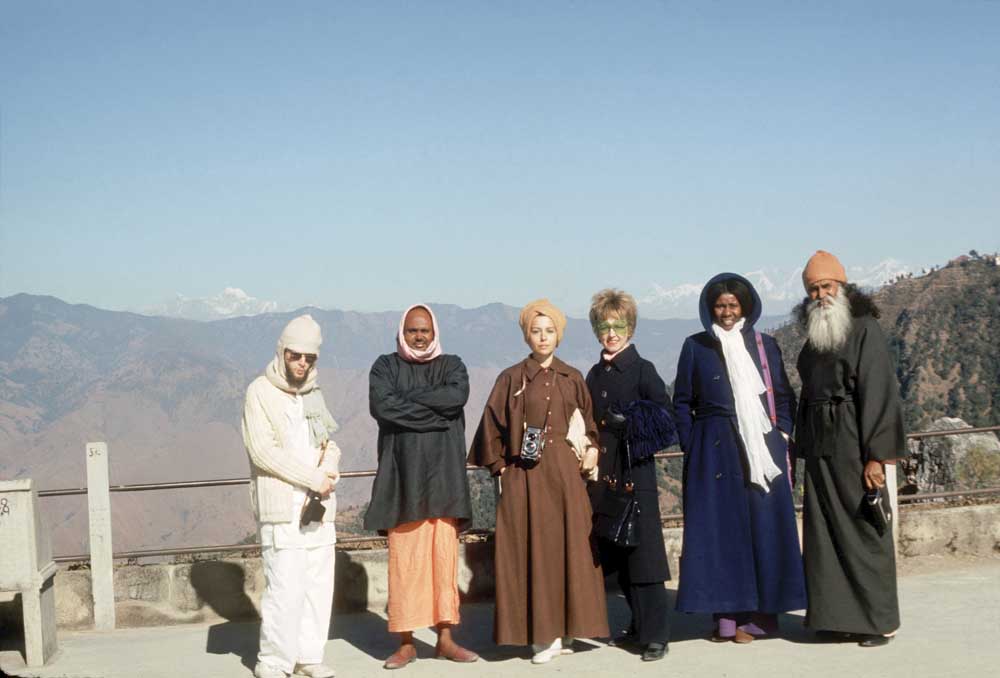
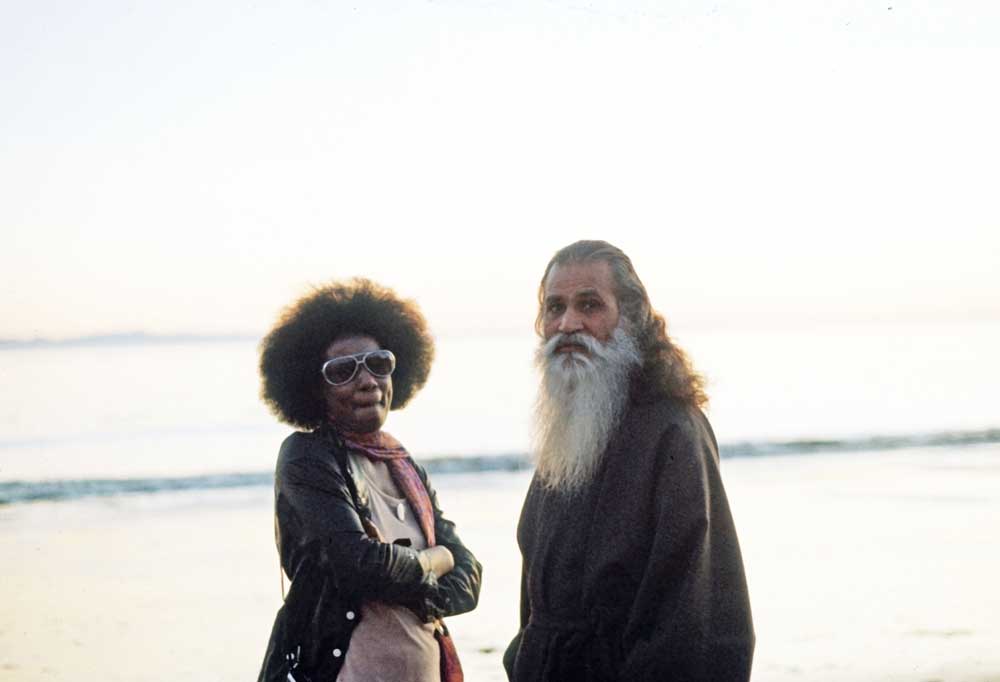
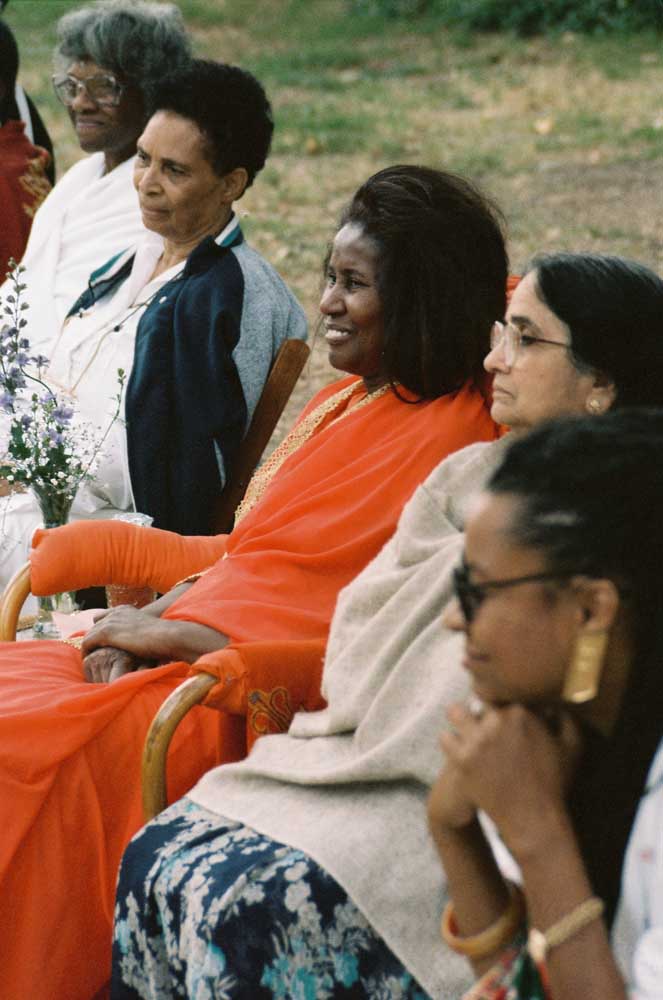
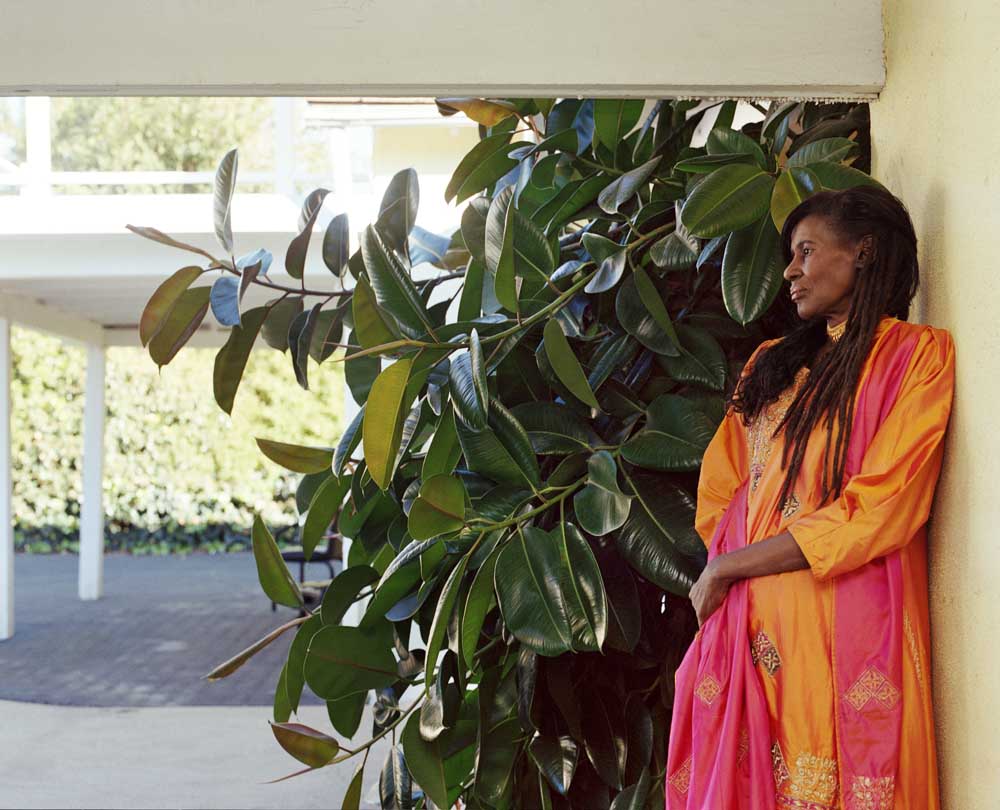
Click images to enlarge.
“A Monastic Trio” announced her artistic arrival in full, utilising the classical trio setting to highlight her voice. Alice’s piano playing evokes blues and bebop history, but she abandons 12-bar forms and standard structures, pushing her keys into more impressionistic realms. And her harp pieces unfold like luminous dreams.
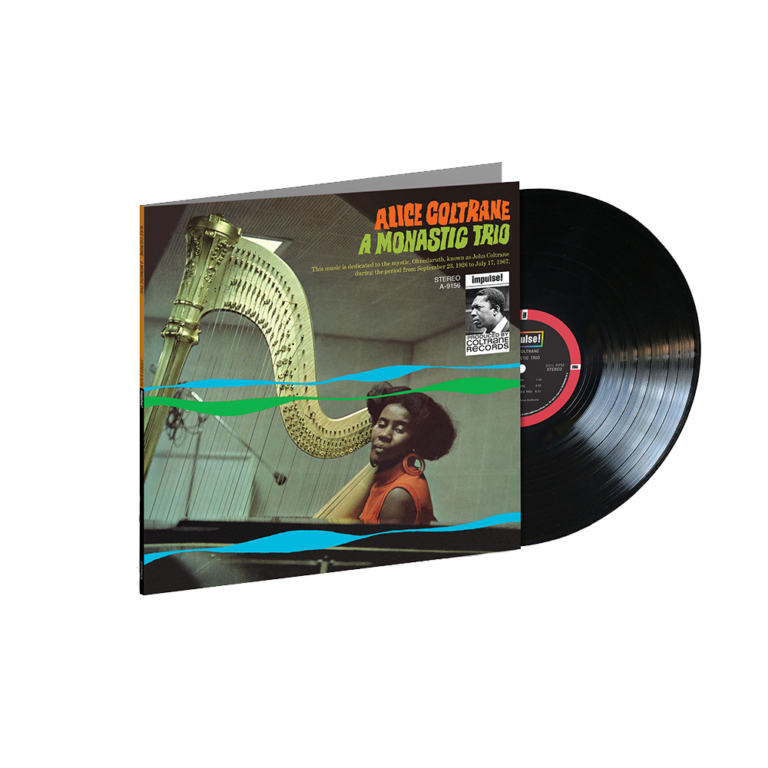
Alice Coltrane A Monastic Trio LP (Verve By Request Series)
Gentle, lyrical, and diaphanous as “A Monastic Trio” may be, Ms. Coltrane’s 1970 album “Ptah, the El Daoud” revealed that her piano and harp work had a fiery edge as well. The blueprints for “spiritual jazz” are all here. Guiding a band with the likes of Joe Henderson and Pharoah Sanders on the frontline, Alice proves herself every bit their equal, while also capable of crafting longform compositions as well as achingly beautiful numbers like “Turiya and Ramakrishna” and “Blue Nile.” Within mere months after “Ptah”, Alice Coltrane’s spiritual transformation came into view.
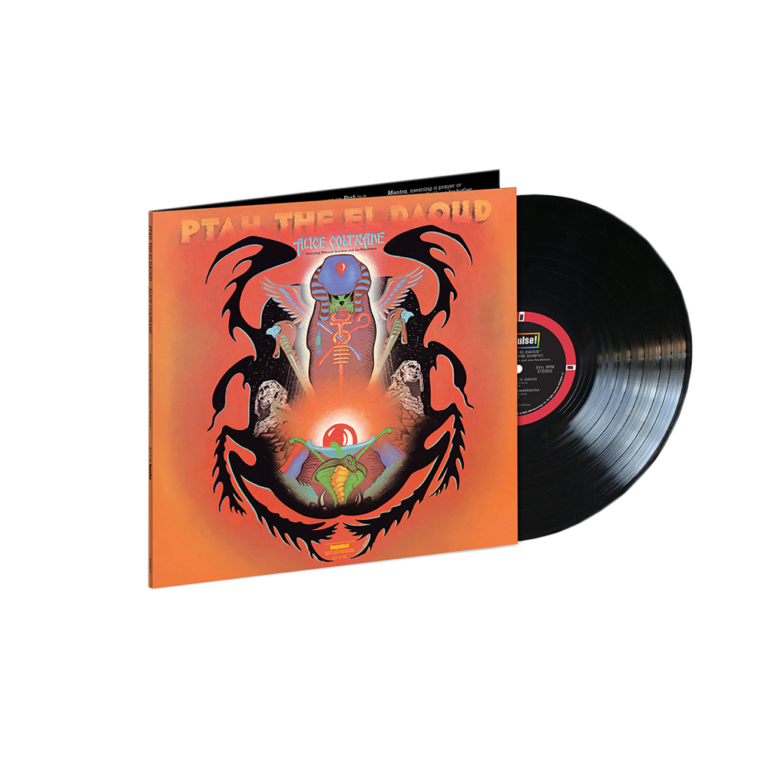
Alice Coltrane Ptah, The El Daoud (Verve By Request Series) LP
Months of study with the radiant Indian guru Swami Satchidananda inspired her to dedicate her next album to him, and Alice would emerge like a butterfly from a chrysalis on “Journey in Satchidananda”. Newcomers wondering what the appeal of spiritual jazz can be should begin here, as Alice’s playing conveys all the pain of loss and grief and also the beauty of divine realisation, an example of spiritual music at its highest form of expression.
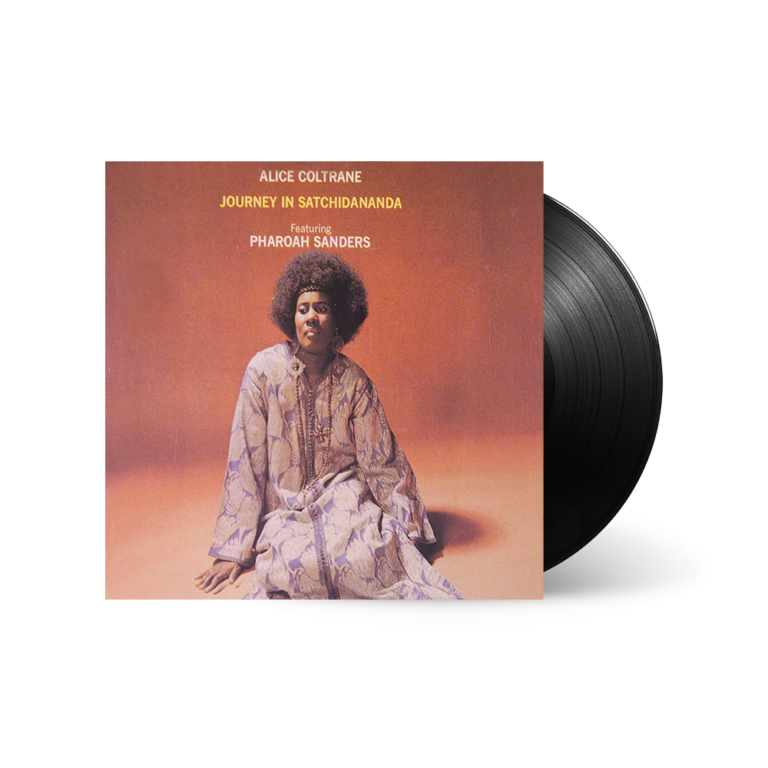
Recorded soon after her travels to India with Satchidananda (yet unreleased for over fifty years), Alice’s “Carnegie Hall Concert again reveals multifaceted sides of Alice’s music. Now helming a double quartet with the likes of Sanders (by then a spiritual jazz star in his own right) and Archie Shepp on the frontline, she’s full of ethereal grace on the first half of the concert, her harp gliding across sublime, expanded versions of “Journey in Satchidananda.” But her piano playing is full of fire on her late husband’s compositions, including “Africa” and “Leo.”
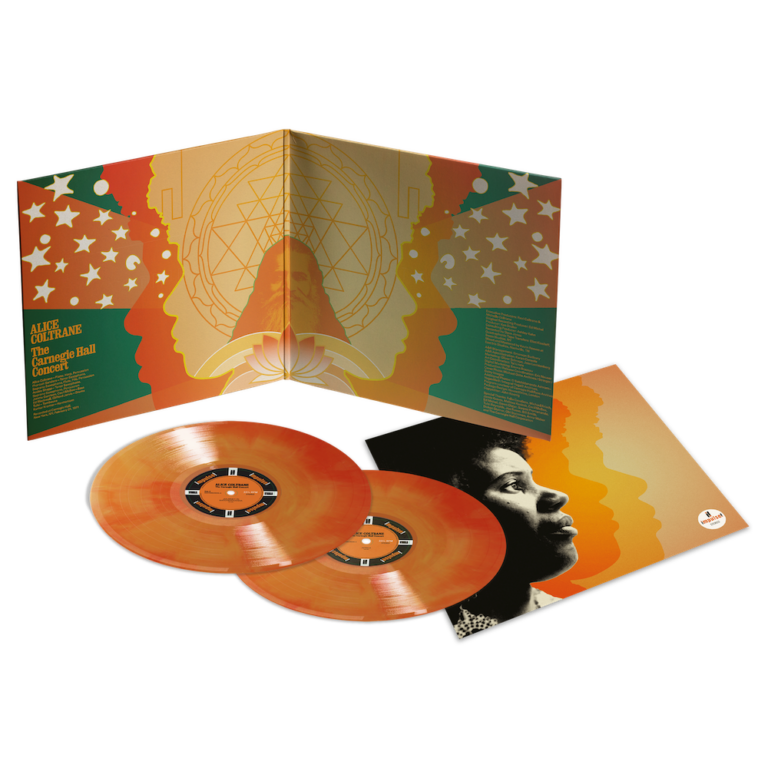
Within a few years, Alice’s spiritual practice became her central focus. A divine message led her to California, where she established the Sai Anantam Ashram in Agoura Hills in California. Steeped in the Indian Vedic tradition like her former guru, she was now known as Swamini Turiyasangitananda, guru to her own community of followers. And while she may have stepped away from her public recording career, Swamini still played music every Sunday at her ashram and made cassettes of them.
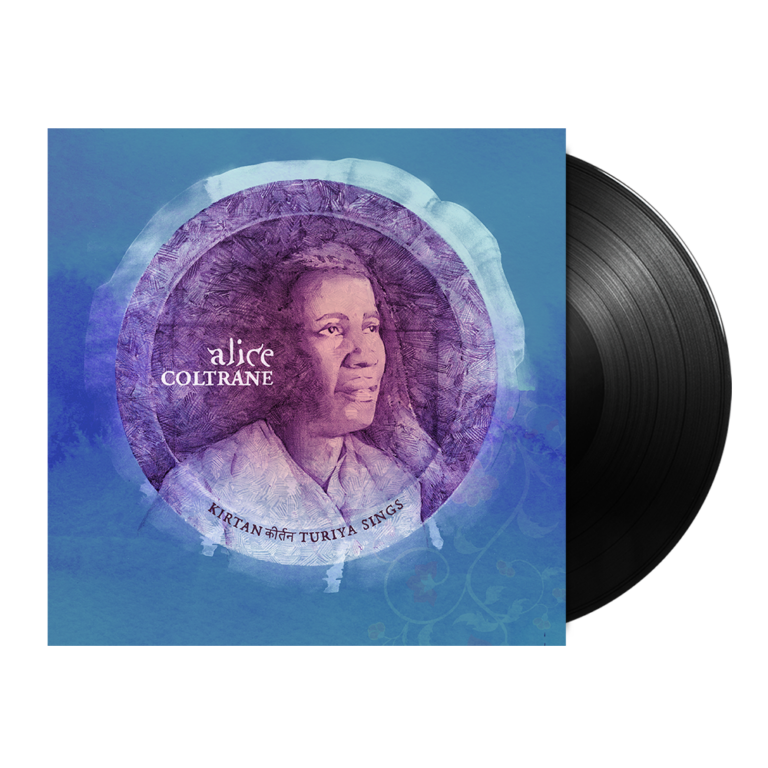
First heard on that fateful journey to India in late 1970, she now played the traditional bhajans for her congregation. Intimate and reverent, “Turiya Sings: Kirtan” was the first time that these private recordings she made featuring just herself and organ were finally able to be heard by a public audience, spreading Alice Coltrane’s spiritual message and music even wider.
READ ON…
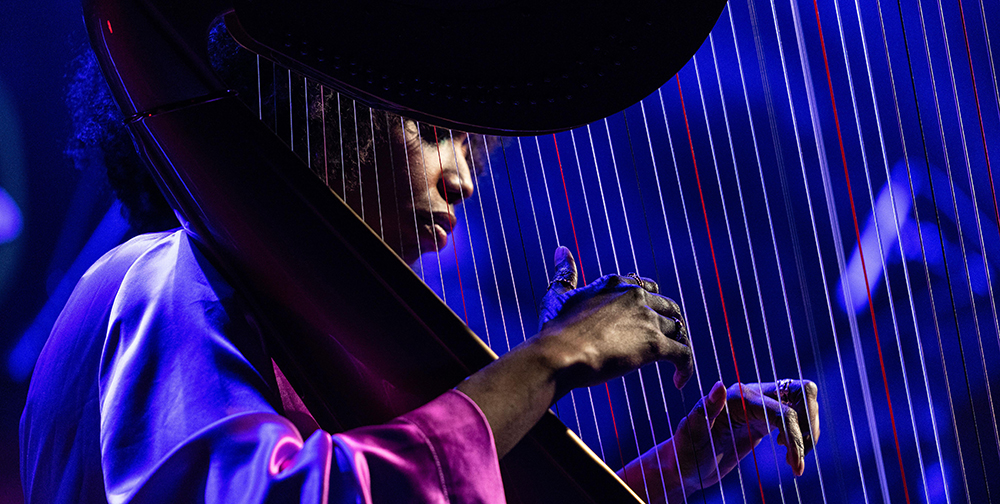
The Art of Jazz Harp
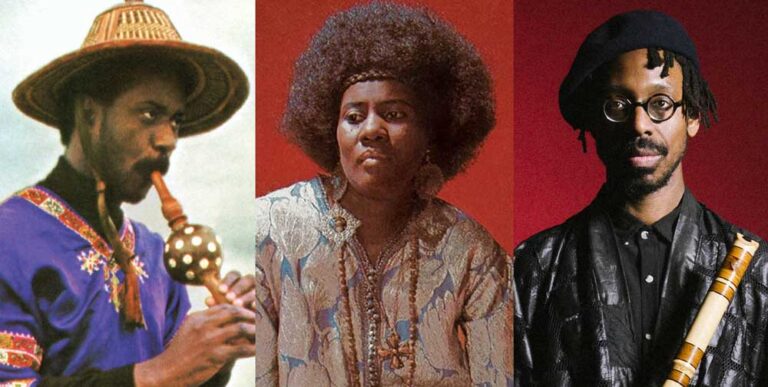
What is Spiritual Jazz?
Andy Beta is the author of “Cosmic Music: The Life, Art, and Transcendence of Alice Coltrane”. He is based in New York City.