

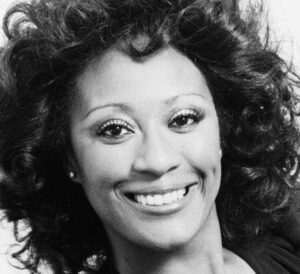
Back in 1996 DJs across the UK carried a secret weapon in their boxes; a deep and bluesy jazz house record with one of the greatest scats to ever move a dancefloor. But where did this captivating “ging, gi-gi-gi-gi-ging” sample come from and what was this new record?
Questions asked in the right record shops revealed the mystery. It turned out the track was taken from a compilation on the OM label out of San Francisco called “Mushroom Jazz” by an artist by the name of Blue Boy. And the record he had sampled on “Remember Me” was Marlena Shaw’s “Woman of the Ghetto” that opened her 1969 album for the Cadet label “The Spice of Life”.
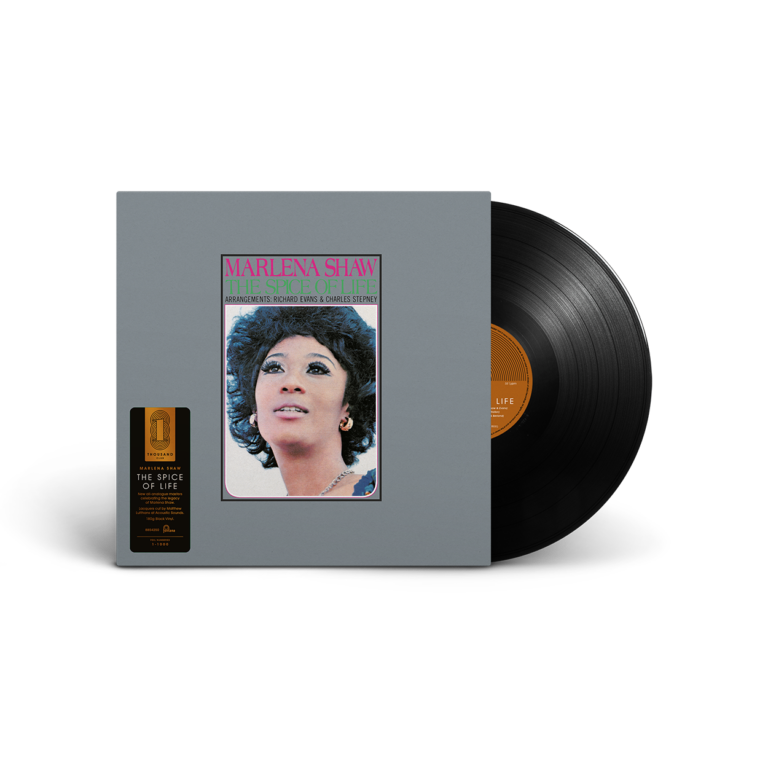
The fact that we later discovered Scottish DJ Alexis “Lex” Blackmore (AKA Blue Boy) had actually sampled the version from the little known Blue Note album from 1973 “Marlena Shaw – Live At Montreux” was a sign of his deep digging. But at the time it was “The Spice of Life” that was added to the wants lists scribbled next to other Cadet albums by Rotary Connection, Dorothy Ashby and Soulful Strings.
Marshall Chess—son of label owner Leonard Chess—had founded Cadet Concept as a progressive subsidiary of the Cadet label in 1967 to release Rotary Connection’s debut album. The group was the brainchild of Marshall, who had the idea of bringing together a little-known white rock group called The Proper Strangers with the voices of black singers Sidney Barnes and Minnie Riperton.
To achieve the sound he was after, he brought in his Chicago friend Charles Stepney, a master of drama whose symphonic orchestral arrangements were a result of his boyhood classical training. The sonic architect of Cadet’s baroque soul and psychedelic jazz would prove the perfect match for the label’s second female vocalist signing after Minnie Riperton.
Born Marlina Burgess in September 1939, New Rochelle, New York, the gospel raised Marlena Shaw was introduced to jazz by her Uncle Jimmy Burgess, a trumpet player who she appeared with at the Apollo Theatre in Harlem. But it was in Chicago where she got her break after being spotted by Marshall Chess singing at the Playboy Club.
She debuted for Cadet in 1967 with the Charles Stepney arranged 7” “Mercy Mercy Mercy” (written by Joe Zawinul for Cannonball Adderley). It was backed by a version of Goffin/King’s “Go Away Little Boy” arranged by Richard Evans, Stepney’s regular co-producer and arranger who shared credits for the first of two albums Marlena Shaw made for Cadet.
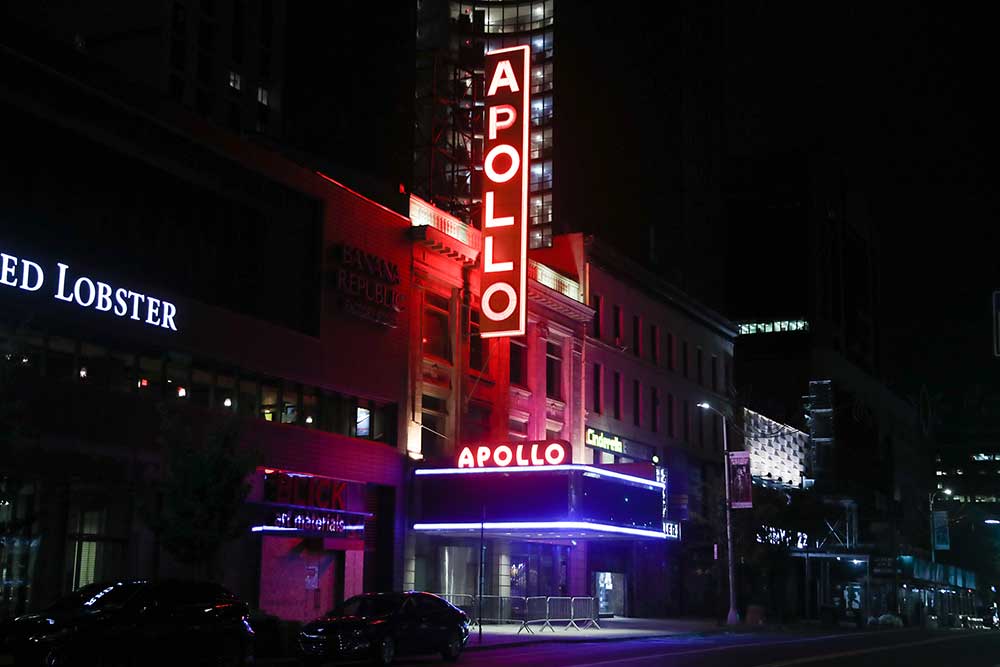
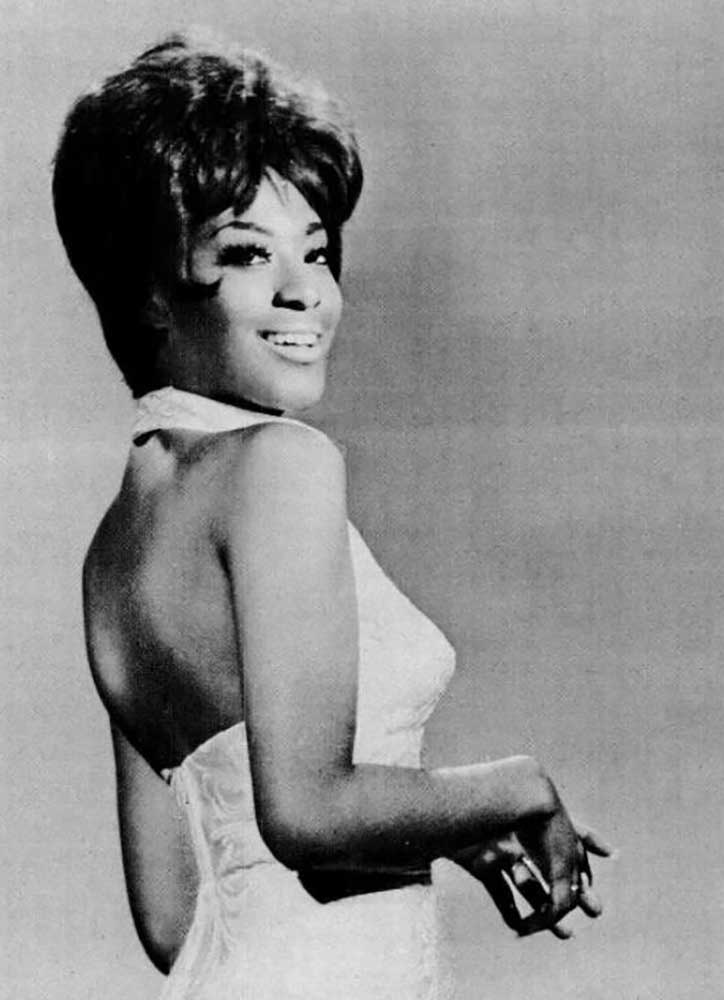
Photo: Cadet Records
African American History and Culture
“The Spice of Life” was recorded in February and July 1969 at Chess’s Ter Mar Studios where Charles Stepney had recently worked his magic on Cadet albums like Ramsey Lewis’ “Mother Nature’s Son” and Dorothy Ashby’s “Dorothy’s Harp”.
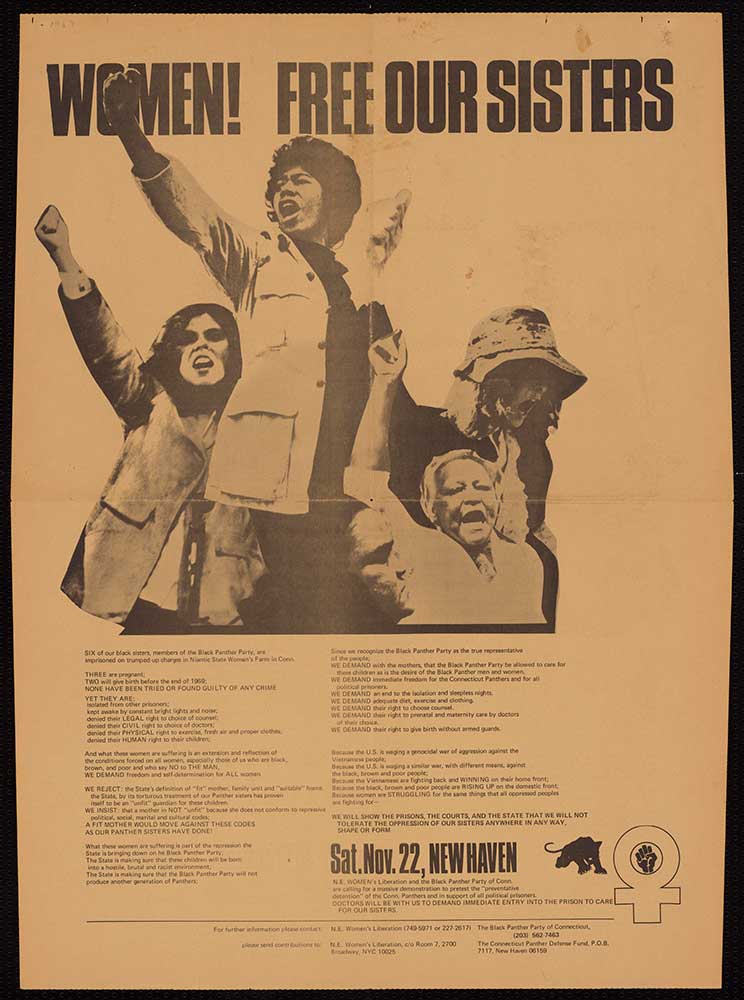
Co-written by Marlena Shaw, Richard Evans and album supervisor Bobby Miller, “Woman of the Ghetto” was one of the most powerful socially conscious critiques ever committed to vinyl. Turning the shame of poverty and race that was being laid on them by white legislators in their ivory towers “sixty stories tall” into a cry of black pride and female empowerment, it’s lost none of its power nearly 60 years on. Pairing a loose and funky rhythm section with intricate orchestration and inventive use of a recurring kalimba, Stepney and Evans allow Shaw to fly free in her dedication to her people and that uniquely rhythmic scatting, sampled so famously by Blue Boy.
Following versions of T-Bone Walker’s twelve bar blues “Call it Stormy Monday” and Leo Fuld and Sonny Miller’s standard “Where Can I Go”, Shaw launches into the soaring gospel soul of “I Wish I Knew (How It Would Feel To Be Free)” that reached back to her roots in the church. But it’s on the Shaw and Miller penned conscious soul of “Liberation Conversation” that she is really let loose, returning again to the scatting gymnastics of “Woman of the Ghetto”.
One of those DJs to bring “Woman of the Ghetto” and “Liberation Conversation” to a bigger audience was Norman Jay through his Original Rare Groove show on Kiss FM and warehouse parties like Shake n Finger Pop. He will also forever be associated with the best known track on “The Spice of Life” the Ashford and Simpson penned “California Soul”. A bona fide classic at his Good Times sound system at Notting Hill Carnival it was also heavily sampled by the likes of Gang Starr on “Check the Technique” (1990) and “Brainfreeze” by DJ Shadow and Cut Chemist (1999).
But it was the Mann And Weil penned Northern Soul floater “Looking Through The Eyes of Love” (the A side to the 7” release of ‘California Soul) that really captured the combined genius of Marlena Shaw with the sublime string arrangements and Bacharach & David style orchestration of Charles Stepney and Richard Evans (with an uncredited multi octave cameo by Minnie Riperton).
With her contractual album agreement with Cadet ending, Shaw returned to her jazz roots signing to Blue Note in 1972 as only the third female vocalist on the label (after Dodo Greene and Sheila Jordan). Five albums for Blue Note followed between 1972-76 before she moved to Columbia during the disco era with similarly great results. As for “Woman of the Ghetto it would go on to be repeatedly sampled most famously by St. Germain on his 2000 hit “Rose Rouge”.
READ ON…
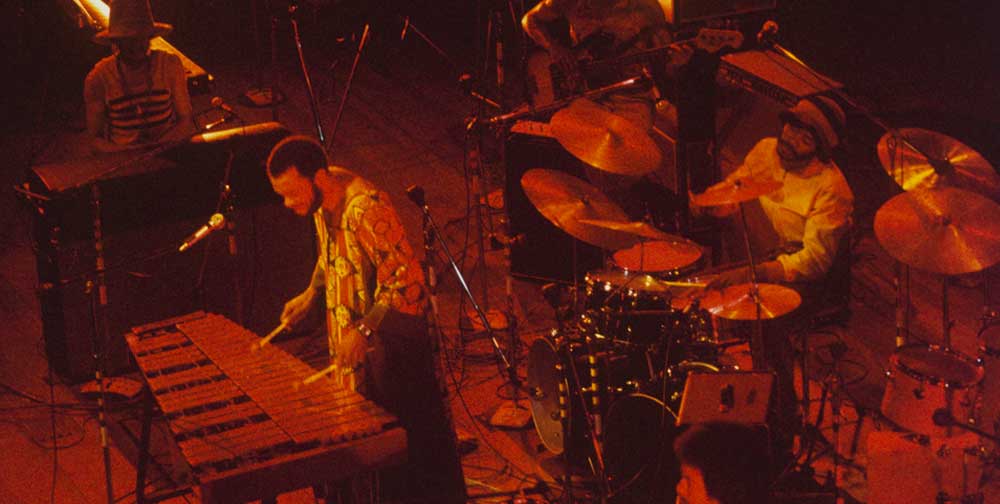
Roy Ayers Ubiquity – “He’s Coming”
Best Samples In Hip Hop – Hooks and Riffs
Andy Thomas is a London based writer who has contributed regularly to Straight No Chaser, Wax Poetics, We Jazz, Red Bull Music Academy, and Bandcamp Daily. He has also written liner notes for Strut, Soul Jazz and Brownswood Recordings.