“As that decade faded, Roy made another major move signing to Polydor and deciding to leave the more conventional Roy Ayers Quartet name behind by baptising his group Ubiquity as a better descriptor of the fluidity, openness and universality he was exploring,” wrote Gilles Peterson in his tribute to Roy Ayers when he passed away in March 2025. “From here an utterly mesmerising sequence of 13 stone cold classic albums ensued that could easily constitute a life’s work for most.”
By the time Ayers came up with the name Ubiquity, the vibraphone player had already released three pivotal albums for Atlantic between 1967-69 “Virgo Vibes”, “Stoned Soul Picnic” and “Daddy Bug”.
We Live in Brooklyn, Baby

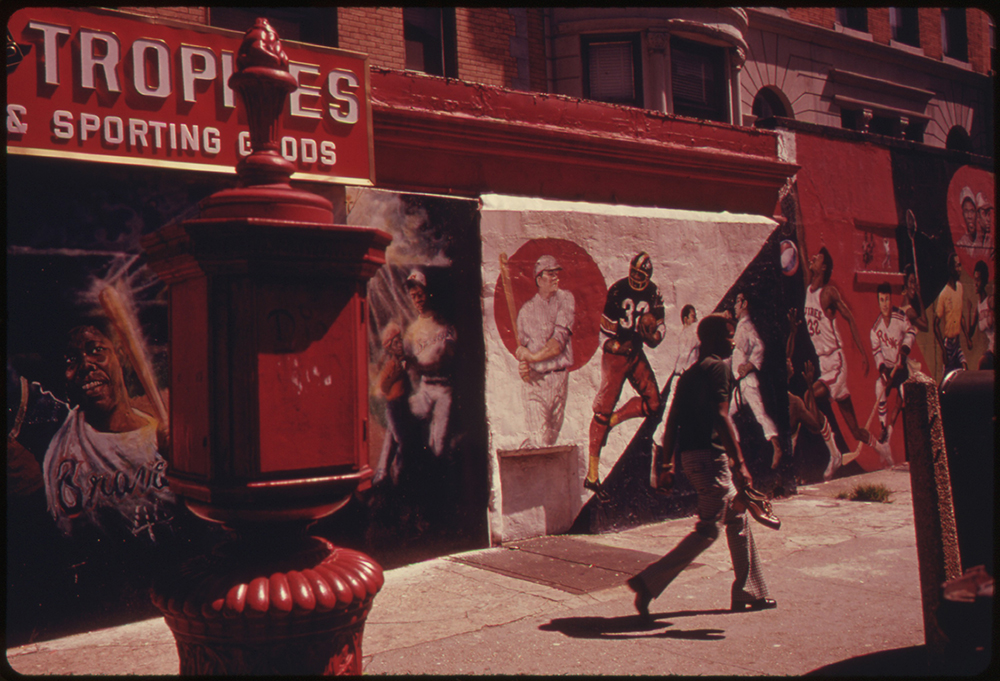
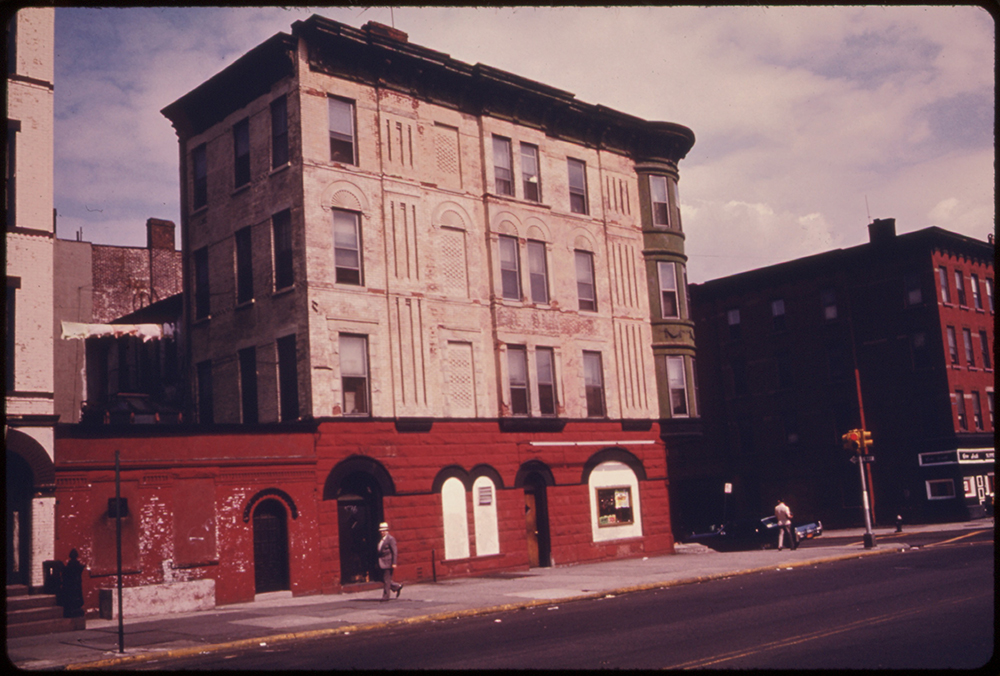

Recorded with post bop heavyweights Joe Henderson, Harold Land, Ron Carter, and Gary Bartz, with fusion pioneers Herbie Hancock, Hubert Laws and Miroslav Vitous, the Herbie Mann produced albums were a result of Ayers’ move from LA to New York at a pivotal time for jazz. “He travelled east where his chilled elegance, fused with New York’s urban grit, helped define the core components of his musical DNA,” wrote Gilles Peterson. “To my ears this is one of the most important and exciting inflection points in the history of jazz and for Roy to be in the thick of it is a testament to his journey.”
Roy Ayers had first used the name “Ubiquity” as the title for his 1970 album that featured him on vocals for the first time. Like fellow vibes player Bobby Hutcherson’s “San Francisco” and Donald Byrd’s “Electric Byrd” from 1970, “Ubiquity” was a bridge into the jazz funk and fusion of the early ‘70s when musicians sought creative liberation through experimentation and collaboration.
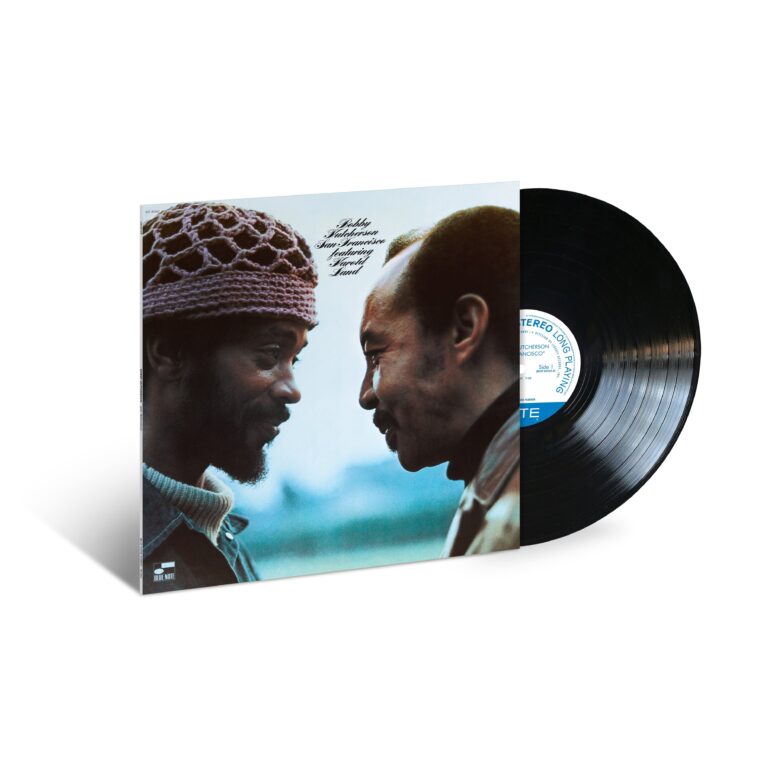
Bobby Hutcherson San Francisco (Blue Note Classic Vinyl Series) LP
Future member of Roy Ayers Ubiquity as a performer, writer, arranger, and producer Edwin Birdsong would have a profound effect on his old LA high school friend who connected with Ayers again when they both relocated to New York. “I think my main influence on Roy at that time was getting him to move from being a purely jazz musician to become more bluesy. I also took him from just playing jazz into singing more,” Birdsong told me for a feature for Wax Poetics in 2007.
Co-arranged by Birdsong, the “Ubiquity” album tracks “Hummin’” (sampled in 2009 by Kendrick Lamar on “Celebration”) and “Pretty Brown Skin”, co-written by Edwin’s wife Michelle Birdsong, worked like a template for Ayer’s future explorations into cosmic jazz funk.
Another key member of Roy Ayers Ubiquity was pianist Harry Whitaker. After appearing on the “Ubiquity” album he composed and played electronic keyboards on the first three Ubiquity albums before releasing the spiritual soul jazz masterpiece “Body, Mind And Spirit” under the name Black Renaissance.
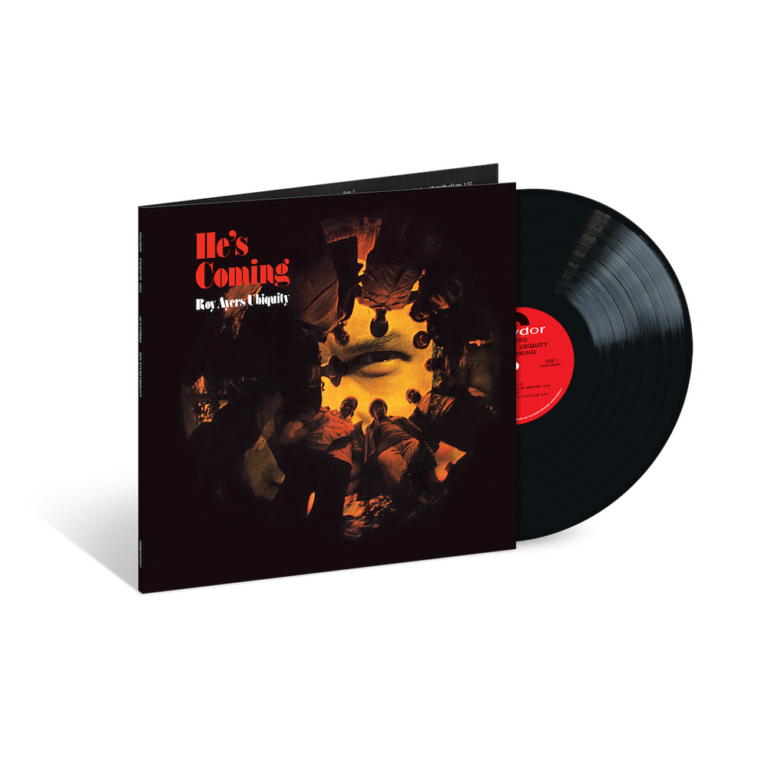
Joining Ayers on vibes, organ and vocals and Whitaker on electric piano, organ and vocals at Van Gelder Studio, Englewood Cliffs, New Jersey in 1971 to record “He’s Coming” was a serious line of musicians, including Billy Cobham on drums and percussion, saxophonist Sonny Fortune, bassists Ron Carter and John Williams, guitarists Sam Brown and Bob Fusco, and conga player Juma Santos. The session also featured female vocalists (including Gloria Jones) whose deep harmonies would become an important feature in Ubiquity’s ensemble sound.
The “Ubiquity” album had been produced by another female associate of Roy Ayers, Myrnaleah Williams who was at the helm for “He’s Coming”. It’s her co-composition with Ayers “He’s a Superstar” that opens the album, a heavy slab of conscious jazz funk that was sampled by everyone from DJ Shadow (“Hindsight” – which also quotes “We Live in Brooklyn, Baby) to Digable Planets (“Three Slim’s Dynamite”) as Ayers’ Ubiquity albums became deeply mined by hip hop producers in the 1990s.
Even more heavily sampled (by everyone from Kendrick Lamar to Mos Def) was the Harry Whitaker penned and arranged “We Live in Brooklyn, Baby” where the composer’s mesmerising keyboard hooks mixed with the soaring string arrangements of Selwart Clarke to create a psychedelic jazz funk backdrop for a tail of urban resilience and black empowerment.
It wasn’t just hip hop producers who sought inspiration from their well worn copies of “He’s Coming”, whose sleeve by Japanese jazz photographer and designer K. Abe only added to the allure. When Masters at Work were planning their Nuyorican soul album for Gilles Peterson’s Talkin’ Loud label in 1997, at the top of their list of possible contributors, next to heroes like Tito Puente and Eddie Palmieri, was Roy Ayers who created a new version of “Sweet Tears”, one of his greatest vocal tracks.
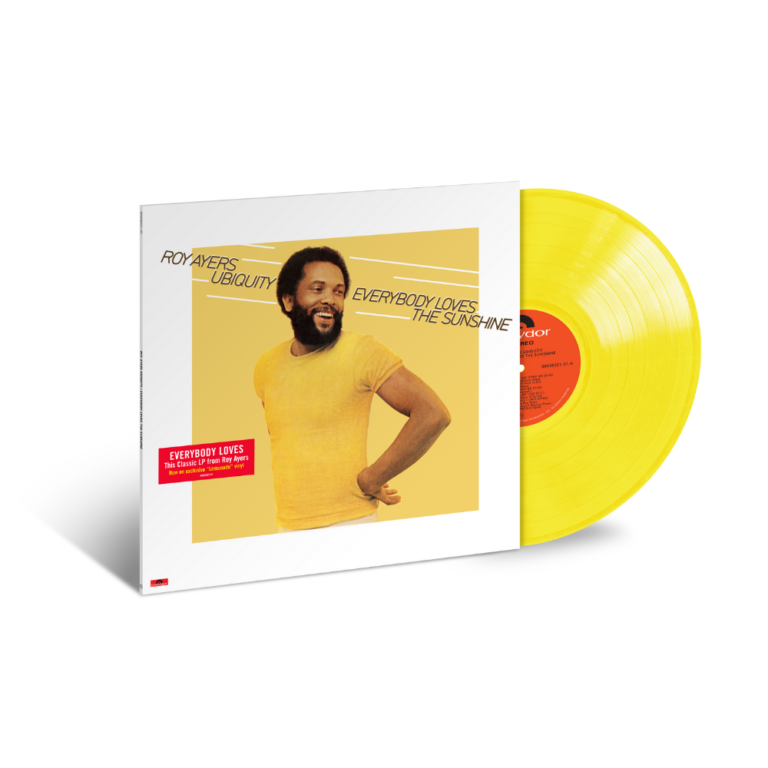
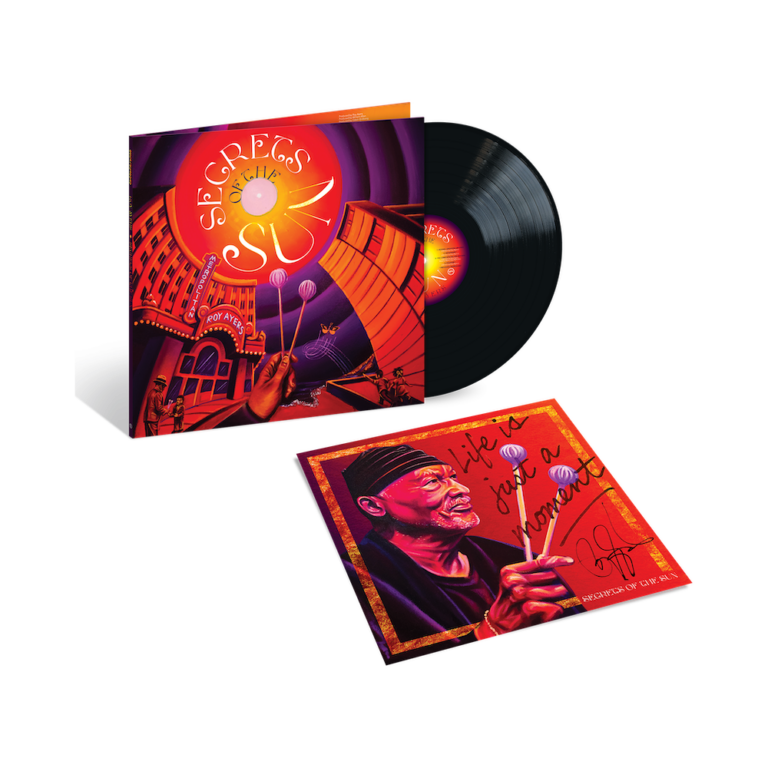
Roy Ayers Secrets Of The Sun - Exclusive Limited Edition 1LP
Thanks to hits like “Everybody Loves the Sunshine” and “Running Away”, Roy Ayers by his own admission received more recognition for his voice than his instrument. But he remained a seriously inventive vibraphone player during the jazz funk era, drawing on his post bop roots on tracks like “Fire Weaver” that closes this essential entry point to the catalogue of Roy Ayers Ubiquity.
READ ON…
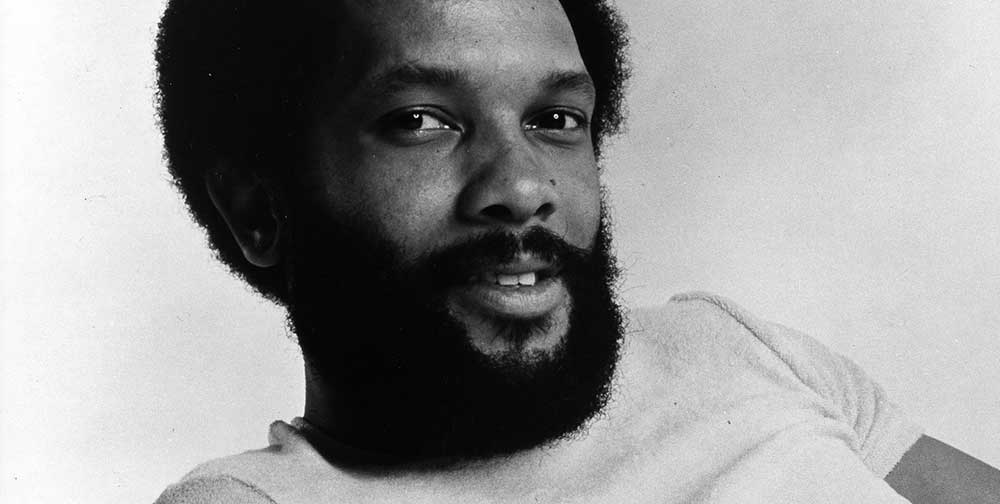
Roy Ayers – Everybody Loves the Sunshine

The Best Samples in Hip-Hop – Breaks and Bass
Andy Thomas is a London based writer who has contributed regularly to Straight No Chaser, Wax Poetics, We Jazz, Red Bull Music Academy, and Bandcamp Daily. He has also written liner notes for Strut, Soul Jazz and Brownswood Recordings.
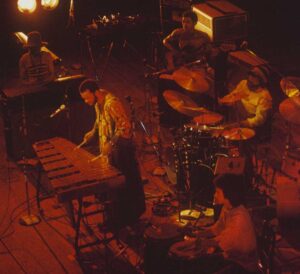
Header Image: Roy Ayers performs on stage with his group Ubiquity circa 1975. (Photo by David Redfern/Redferns)