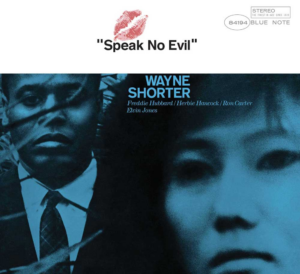
1964 was a pivotal year for jazz master Wayne Shorter. After a fruitful, formative five years with Art Blakey’s Jazz Messengers, he was finally lured away by Miles Davis to join the trumpeter’s fabled Second Great Quintet and also found time to record not one but three classic Blue Note albums: “Night Dreamer” “Juju” and “Speak No Evil”.
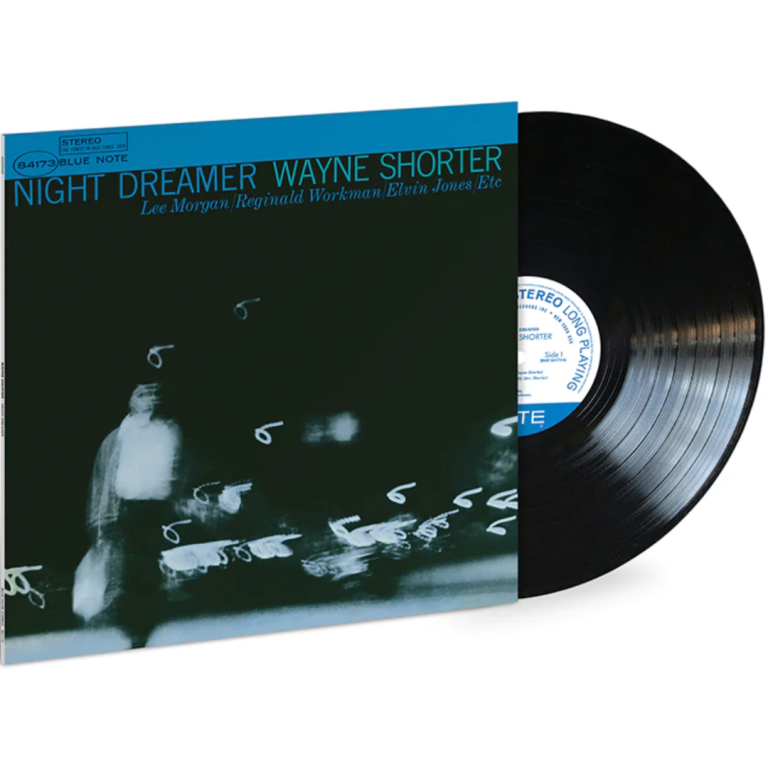
WAYNE SHORTER Night Dreamer
Available to purchase from our US store.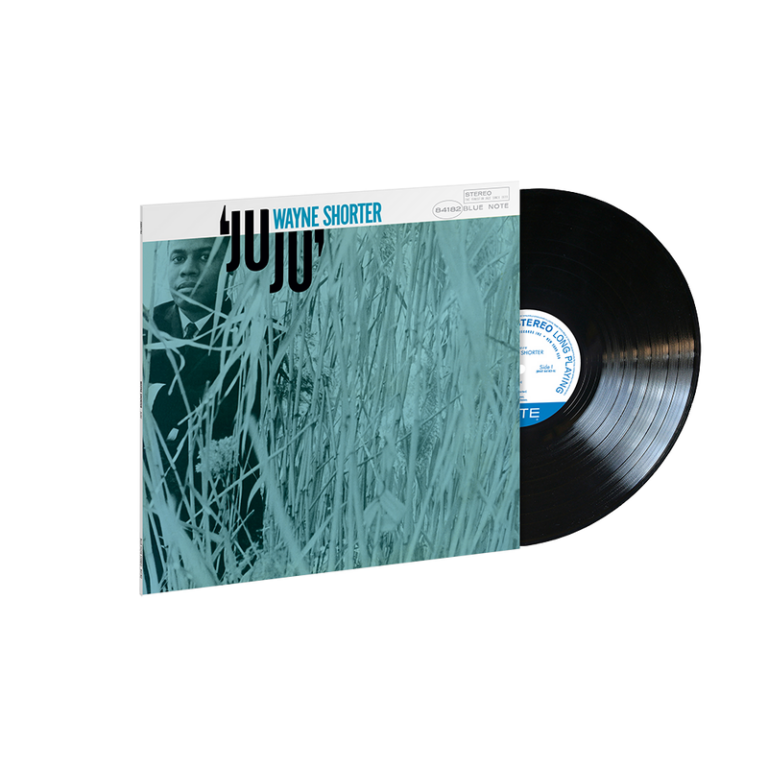
Wayne Shorter JuJu
Available to purchase from our US store.And it’s the latter, recorded at Rudy Van Gelder’s studio on Christmas Eve 1964, that is now seen as one of jazz’s totems, a brilliant piece of work that straddled both the hard-bop and avant-garde eras and confirmed Blue Note’s status as a friend to bold, progressive composers.
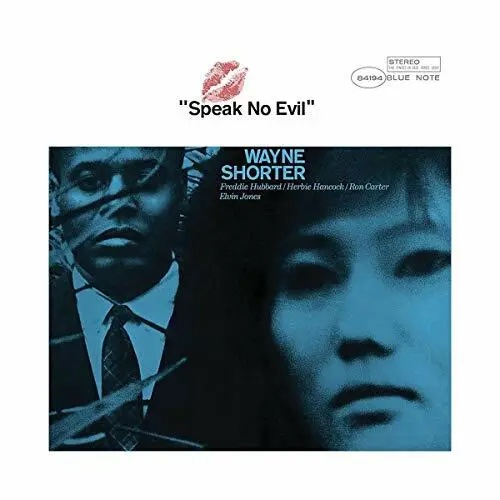
WAYNE SHORTER Speak No Evil
Available to purchase from our US store.“Speak” is also a favourite of Blue Note president Don Was. At 19 years old, while studying at the University of Michigan, he heard the album and had his mind blown. Especially the drumming of Elvin Jones. And he described Wayne’s conversational sax playing as “giving me advice, like a big brother.”
For the “Speak” session, alongside Jones, Wayne brought in his old Blakey bandmate Freddie Hubbard on trumpet and flugelhorn, plus new Miles compadres Herbie Hancock on piano and Ron Carter on bass. He was particularly impressed with Jones’ work ethic: “He would never fool around in the studio. He didn’t touch the drums until it was time to play,” he once told Modern Drummer magazine.
Shorter outlined the inspiration for the memorable compositions on “Speak” in the album’s liner notes: “I was thinking of misty landscapes with wild flowers and strange, dimly-seen shapes – the kinds of places where folklore and legends are born. Now I’m trying to fan out, to concern myself with the universe instead of just my small corner of it. I want to abandon everything that I have done before.”
This new thinking spawned some complex tunes with intricate musical construction. Hubbard in particular reported to Wayne biographer Michelle Mercer that he had to work hard on them: “I had to take that music home and practice it. I played with Sonny and Trane, the heavy guys, but Wayne wrote the ones that got you.” Hubbard’s hot playing contrasts beautifully with Wayne’s more elliptical approach (Hubbard would hook up with Hancock, Shorter and Carter again in the VSOP Quartet during the late 1970s).
“Witch Hunt” starts with a famous “fanfare”, which may relate to Wayne’s inspiration for the song: “It’s more or less about the Salem witch burnings. I was also thinking about McCarthyism and all that”, he explained in his official songbook. His solo is a masterpiece of space and dramatic note choices. Elements of “Witch Hunt” later appeared in some string arrangements on Shorter’s “Emanon” album of 2019.
“Fee-Fi-Fo-Fum” by contrast is almost soothing and the bluesiest tune of the album. Hubbard responds with a percussive approach while Wayne’s solo at times nods to his friend John Coltrane. Meanwhile, according to the liner notes, the elegant waltz “Dance Cadaverous” is musically inspired by Jean Sibelius’s “Valse Triste”, though Shorter also hints at darker inspirations.
In 1964, he was nine years off making a commitment to Buddhism but cause and effect were very much on his mind, as the title track demonstrates: “The music is supposed to give the signal of caution…almost like Shakespeare’s Beware The Ides Of March. Beware, be on your toes and when you see smoke, get it out before it becomes a fire.”
Listen out too for Elvin’s audible delight at Shorter’s ingenious solo.
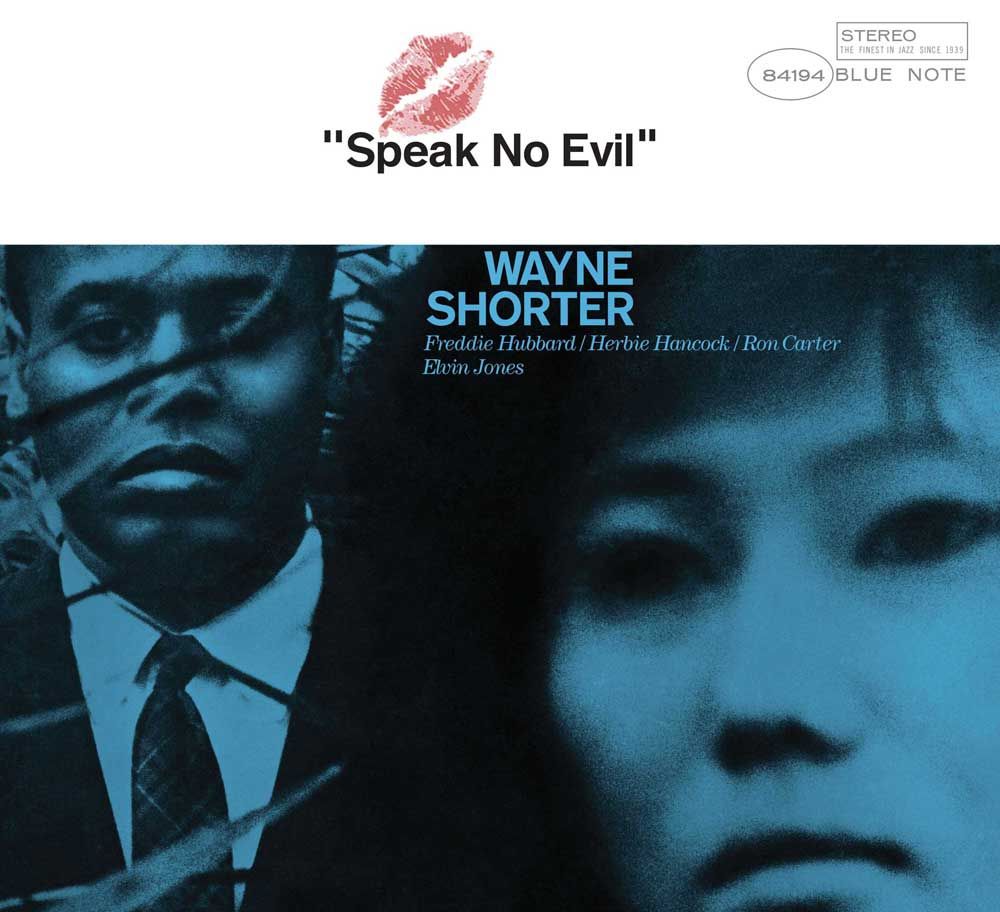
Wayne had married his first wife Irene (later renamed Teruko) Nakagami, who graces the album cover, on 28 July 1961. Their first daughter Miyako was born just over a week later. The beautiful “Infant Eyes” was his reaction to her birth – “I saw all infancy in Miyako’s eyes, everyone who’s ever been an infant,” he later told Michelle Mercer.
Guitarist Steve Khan recorded a notable cover version in 1980.
WAYNE SHORTER Speak No Evil
Available to purchase from our US store.“Speak No Evil” was released to great acclaim in summer 1966 during a terrible time in Wayne’s life. He and Teruko had divorced and his father had died suddenly in a car crash. Shorter reports that he and Miles would often drown their sorrows together. But he would soon lessen his alcohol intake, and by the autumn of 1966 another remarkably fruitful period of music was about to take root.
READ ON…
The Heart & Soul of Wayne Shorter’s “Night Dreamer”
A Guide to Charles Lloyd on Blue Note
Matt Phillips is a London-based writer and musician whose work has appeared in Jazzwise, Classic Pop, Record Collector and The Oldie. He’s the author of “John McLaughlin: From Miles & Mahavishnu To The 4th Dimension”.