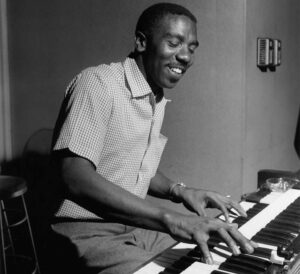
Though players such as Count Basie and Fats Waller were exploring the jazz organ before him, you might say that James Oscar Smith was to the Hammond B-3 what Charlie Parker was to the alto sax, Charlie Christian to the guitar or Jaco Pastorius to the electric bass.
And if the organ has never quite achieved the status of the saxophone or trumpet in jazz, it’s certainly not the fault of Jimmy. During his peak, he arguably did more than anyone to turn the instrument into a viable, exciting mode of expression.
He brought high-speed, bebop-and-blues-tinged, single-line improvisation to the Hammond and was a pivotal figure as jazz dovetailed with blues, R’n’B and gospel to create a popular music in the late 1950s. He’s also one of the most sampled artists in jazz history, everyone from Nas to Beastie Boys enjoying his bright, exalted Hammond ‘attack’, as we shall see later in more detail.
Smith’s prowess on the Hammond is one of the treasures of jazz, a marvel of limbic independence. It’s the only instrument which features foot pedals by which the player can perform basslines to accompany his or herself (often negating the need for a bassist), though most jazz players prefer to play bass lines with the left hand whilst soloing with the right. Jimmy combined both approaches to devastating effect.
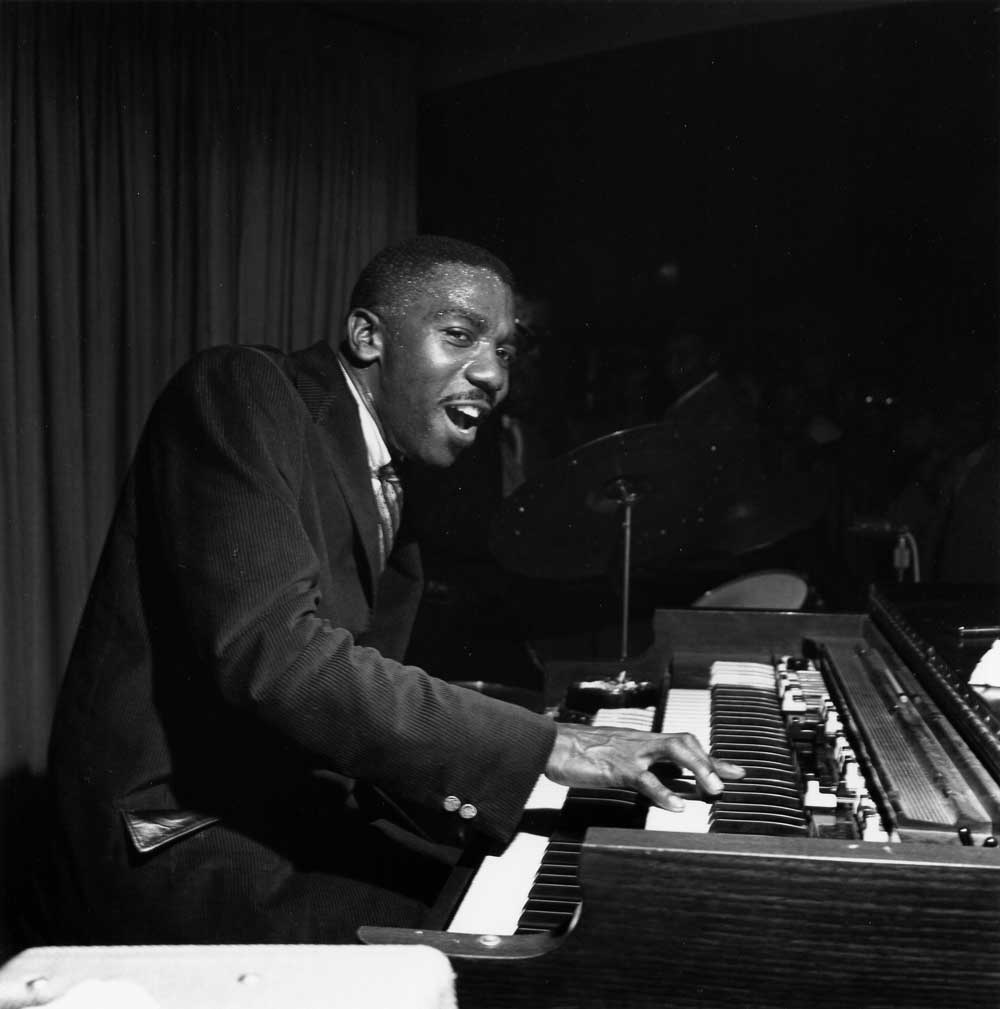
He was born in Norristown, Pennsylvania on 8 December 1925, beginning his musical career at six years old when he accompanied his father in song-and-dance routines around Philadelphia, whilst teaching himself the piano. After a spell in the US Navy, he studied music more formally at both the Royal Hamilton and Leo Ornstein music schools in Philly between 1948 and 1949. He prioritised the piano in the early 1950s, playing with many local jazz and R’n’B artists, but then moved exclusively to the organ in 1954.
Blue Note co-owner Alfred Lion was a huge fan and endeavoured to record Jimmy as much as possible during his tenure on the label between 1957 and 1961. He moved over to Verve in 1962, recording six powerful albums there until 1973. Smith’s final release was “Dot Com Blues” in 2000 and he was made an NEA Jazz Master by the United States National Endowment of the Arts in 2005, just before his death on 8 February of that year.
But what are some of the highlights of Jimmy Smith’s rich, illustrious catalogue? Here are five performances that have stood the test of time.
“Root Down: Jimmy Smith Live!” (1972)
“On the stage, we are playing the truth – no gimmicks,” Smith said in a 1965 German TV film, and here’s the proof, a classic live album and rare-groove blueprint featuring Wilton Felder on bass and Arthur Adams on wah-wah guitar. Don’t miss the gospel/pop of “For Everybody Under The Sun” and the funky title track, later sampled by Beastie Boys and Jurassic 5, featuring a dynamite groove from
drummer Paul Humphrey. Meanwhile Smith excels on classic barroom blues “After Hours” and neat cover of Al Green’s “Let’s Stay Together”.
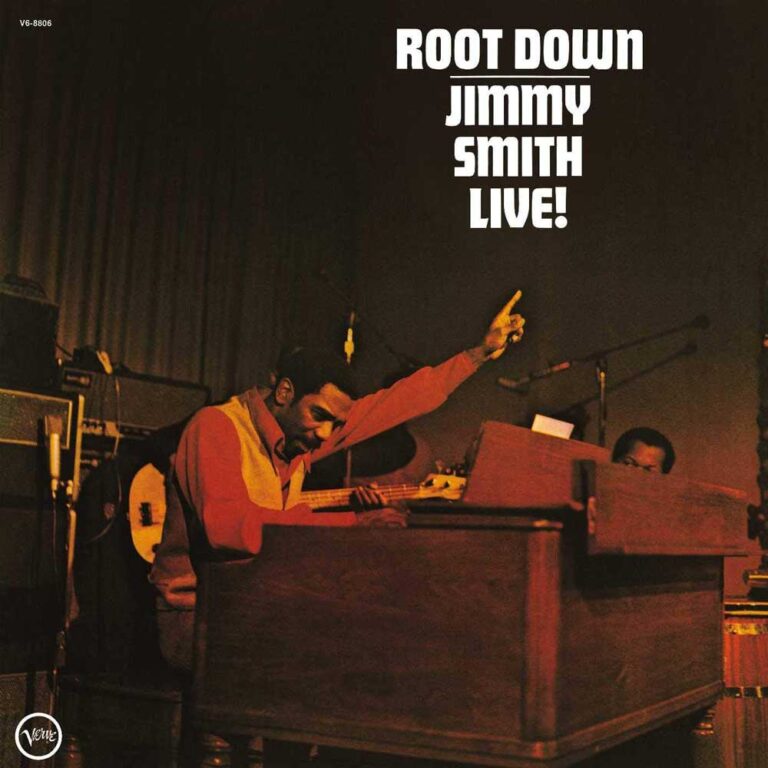
Jimmy Smith / Root Down
Available to purchase from our US store.“The Cat” (1964)
Simply one of the great jazz albums, a must for every collection, helped by Lalo Schifrin’s immediately recognisable arrangements. The title track was sampled by The Orb and remains a key 1960s instrumental, as is “Theme From ‘The Carpetbaggers’”. Meanwhile “Delon’s Blues” is a slinky tribute to one of Smith’s favourite French actors. “The Cat” got as high as #12 in the Billboard album chart, confirming the peak of Jimmy’s popularity.
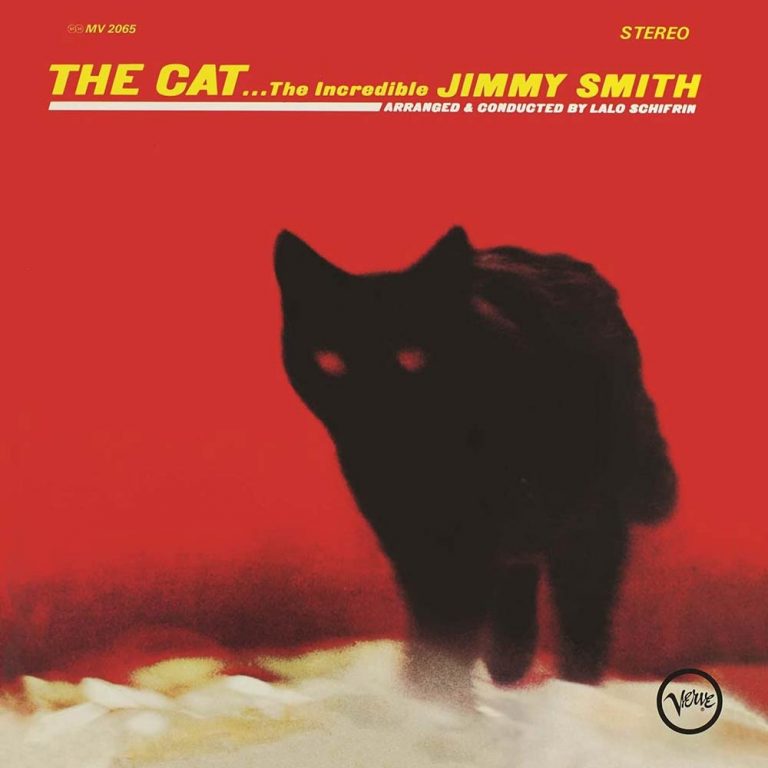
JIMMY SMITH The Cat
Available to purchase from our US store.“Jimmy And Wes: The Dynamic Duo” (1966)
Beautifully produced and recorded, featuring Oliver Nelson’s pithy arrangements, this Verve classic features a vital version of Jimmy Forrest’s “Night Train”, the delectable “James And Wes”, plus two tracks -“Baby It’s Cold Outside” and “13 (Death March)” – later sampled by hip-hop pioneers De La Soul. Jimmy had found a perfect musical soulmate in Wes Montgomery.
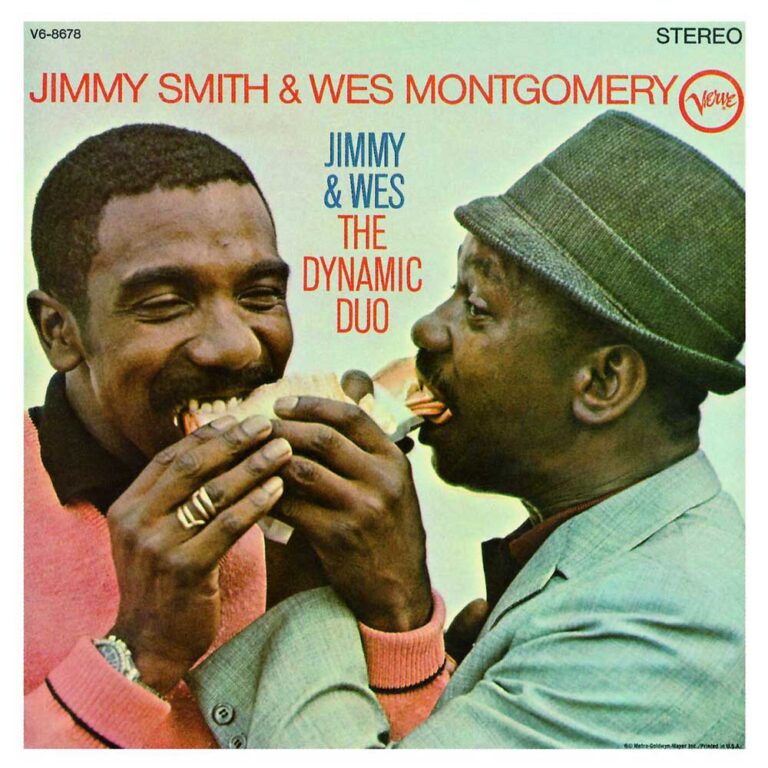
JIMMY SMITH & WES MONTGOMERY The Dynamic Duo
Available to purchase from our US store.“Midnight Special” (1960)
This warm, soulful album also featured saxophonist Stanley Turrentine, guitarist Kenny Burrell and drummer Donald Bailey. “Jumpin’ The Blues” comes close to the quintessential Blue Note jazz organ sound with its relentless swing and Jimmy’s endlessly inventive lines, while “Why Was I Born?” is pure late-night-ballad heaven. Meanwhile the gently humorous “One O’Clock Jump” may be Smith’s most uplifting piece on record.
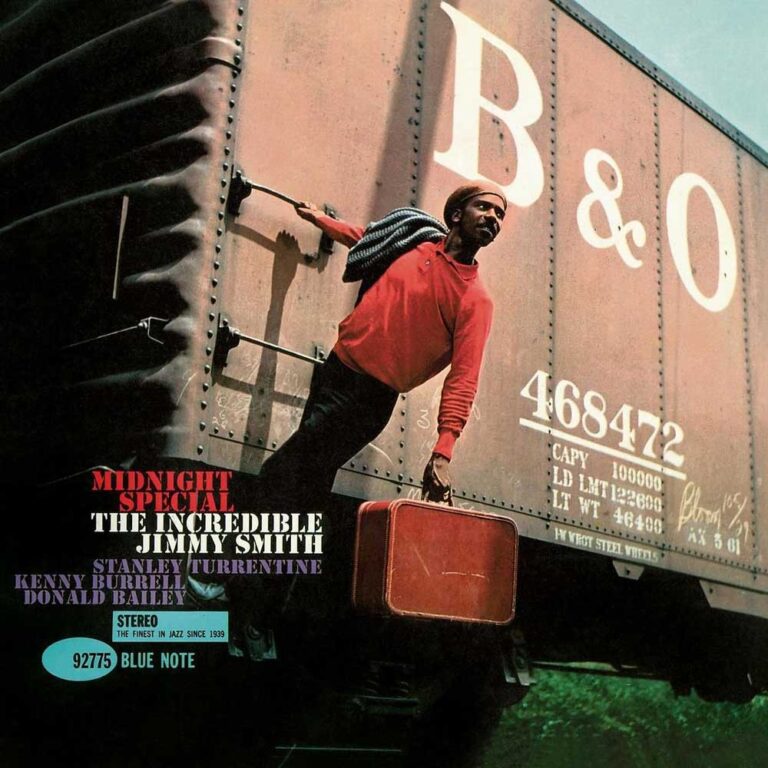
JIMMY SMITH Midnight Special
Available to purchase from our US store.“Prayer Meetin’” (1964)
Featuring the same line-up as “Midnight Special”, Smith continued his purple patch on Verve. “Stone Cold Dead In The Market” is a cool little calypso while “Red Top” and Smith’s own “Picnickin’” are hard-bop classics.
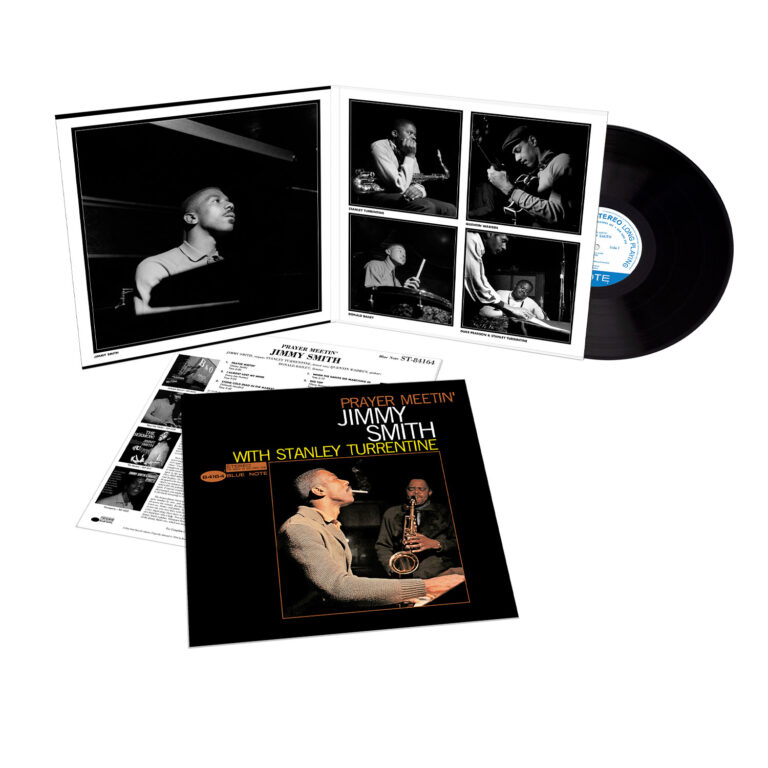
JIMMY SMITH Prayer Meetin'
Available to purchase from our US store.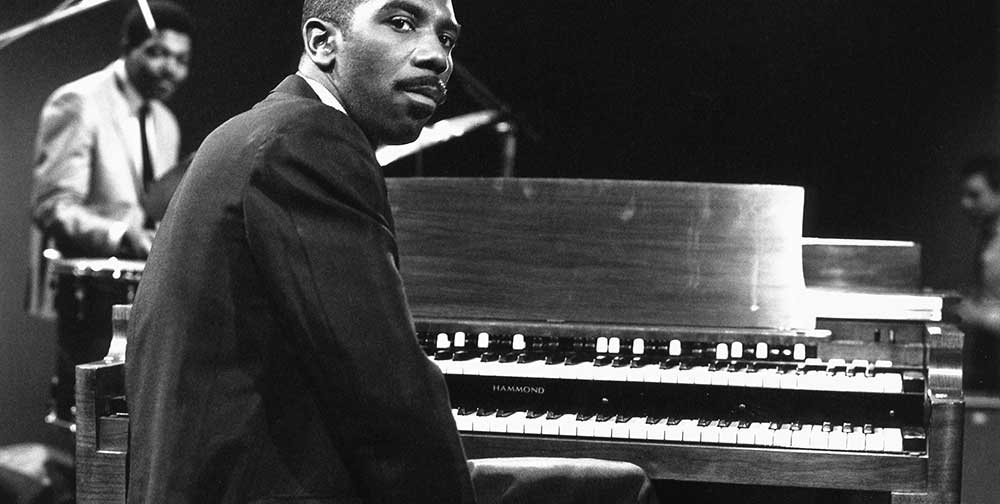
The Hammond B-3 at Blue Note
Blue Note: Classic Vinyl Releases 2026
Matt Phillips is a London-based writer and musician whose work has appeared in Jazzwise, Classic Pop, Record Collector and The Oldie. He’s the author of “John McLaughlin: From Miles & Mahavishnu to the 4th Dimension” and “Level 42: Every Album, Every Song”.
Header image: Jimmy Smith. Photo: Francis Wolff / Blue Note Records.