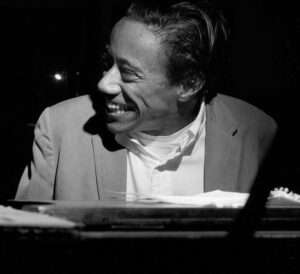
Saying Horace Silver invented hard bop is only a slight exaggeration. The Connecticut-born son of a Cape Verdean immigrant and a mixed-race American mother, he started out as a tenor saxophonist before switching to piano, and made his name as a serious bebop player, playing and recording with Stan Getz, Lester Young, Miles Davis and others before achieving success as a member of the Jazz Messengers, a group he co-founded with drummer Art Blakey.
Silver very quickly developed a reputation as a composer. His pieces worked in familiar modes — he was never an avant-gardist – but had huge hooks that audiences, radio DJs, and record buyers all responded to. And he was a terrific arranger, working in a group format that became industry standard (trumpet, tenor sax, piano, bass, and drums) but always finding a way to put a fresh spin on things.
Silver was not only popular with audiences, touring around the world and recording for Blue Note for nearly 30 years, he was also a highly respected figure within the jazz community. Cecil Taylor, of all people, once said, “There are two cats, two pianists, that they never talk about in relation to myself which I think is unfortunate, the two being Bud Powell and Horace Silver.” The two men were friends for decades, and would attend one another’s performances if they were both in the same city. In 2016, Taylor praised Silver’s technique more vividly, saying, “Nobody comped like Horace Silver. Both hands. That shit was amazing.”
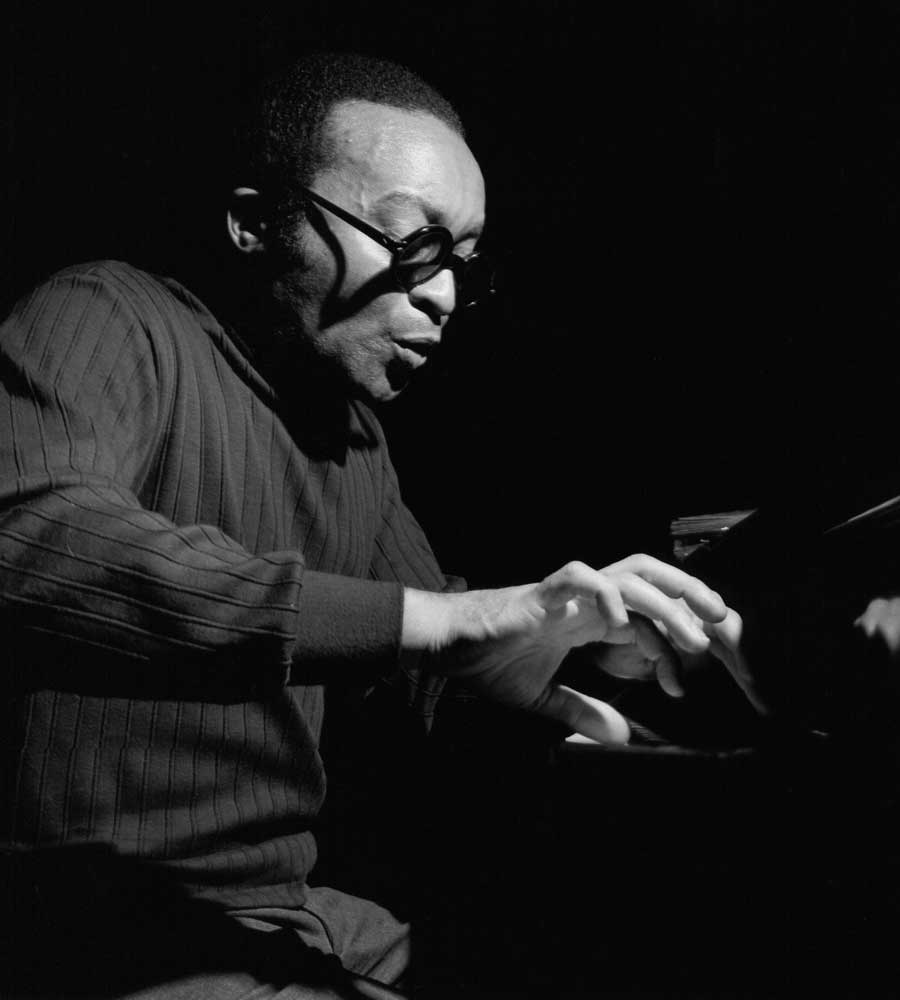
South African pianist Nduduzo Makhathini recently said, “Silver is an important part of jazz pianism without a doubt. Part of the [repertoire] I had to learn when I stepped into this music, very early in my career, was ‘Song for My Father’ — that tune brought so much joy to our ensemble as students. I am forever grateful.”
Silver’s 2006 autobiography, Let’s Get To The Nitty Gritty, is a fascinating document of his thoughts on life, love, race, religion, and music. Instead of going album by album through his large catalog, he talks about his career in broad strokes, sharing vivid stories of fellow jazz legends and providing some insights into his creative philosophy. He writes, “I learned much in my formative years by listening to records and analyzing what I heard and using it in my playing. It’s good ear training. You don’t have to use it exactly as you got it from the record. You can turn it around to fit your style and your concept.”
Later, he says, while downplaying the importance of being a showboating soloist, “When I was a teenager, the guys I hung out with who played jazz were all into chord changes. We practiced improvising on standard tunes every day. We could read music, although we weren’t good sight readers. Our emphasis was on chord changes and improvising. Let’s face it, jazz is about ten percent arrangement and ninety percent improvisation… Without good solos within the context of the arrangement, the total performance is sadly lacking.”
Here are five albums that will turn you into a Horace Silver fan.
Song For My Father
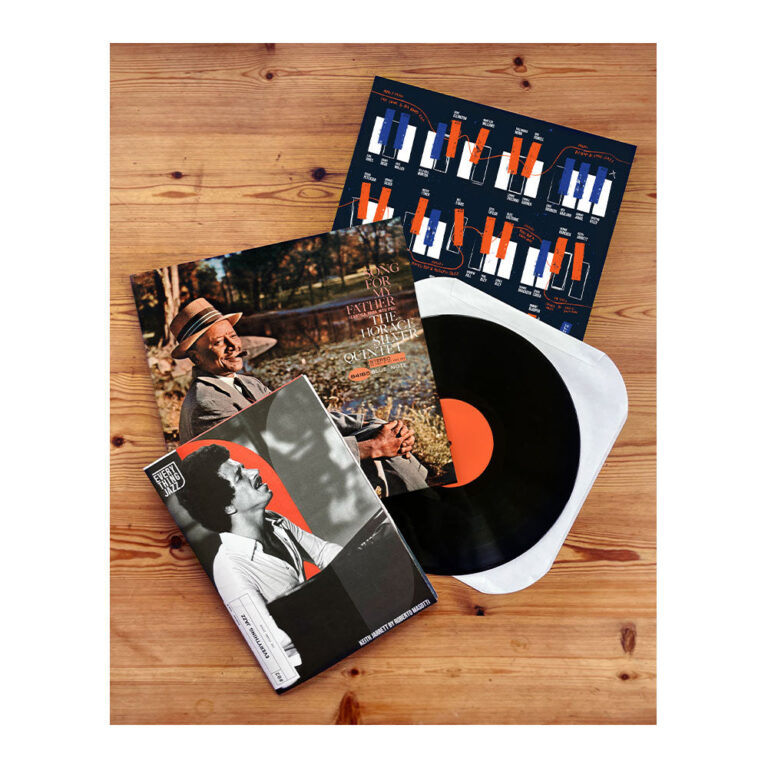
Exclusive Bundle Horace Silver: Song For My Father LP + Posterzine®: The Piano Issue + Limited Edition 12” x 12” print
Silver’s best-known album was a transitional release, featuring two different bands recorded nearly a year apart. A Halloween 1963 session with trumpeter Blue Mitchell, tenor saxophonist Junior Cook, bassist Gene Taylor and drummer Roy Brooks yielded four tunes, including two trio pieces. In January 1964, they laid down two more. Then, in October 1964, Silver took his new band into the studio: Carmell Jones on trumpet, Joe Henderson on tenor, Teddy Smith on bass and Roger Humphries on drums.
That group recorded the immortal title piece, which Steely Dan famously borrowed for “Rikki Don’t Lose That Number.” In his autobiography, Silver wrote, “Dad had always wanted me to take some of the old Cape Verdean songs and do jazz interpretations of them. This idea didn’t appeal to me, but when I realized I had written a new song with a Brazilian rhythmic concept and a Cape Verdean melodic concept, I immediately thought about dedicating the song to Dad. So I titled it ‘Song for My Father.’ We had him pose for the cover of the LP…”
Six Pieces Of Silver
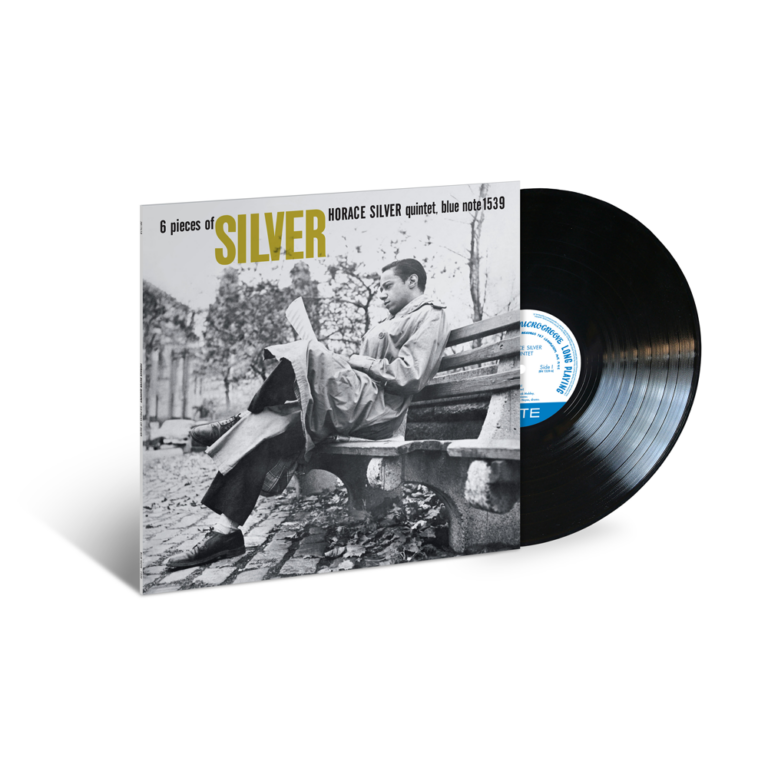
Horace Silver 6 Pieces Of Silver LP (Blue Note Classic Vinyl Series)
Silver’s first album to use his classic quintet lineup was basically a Jazz Messengers date with Donald Byrd on trumpet, Hank Mobley on tenor sax, and Doug Watkins on bass, but with Louis Hayes subbing in for Art Blakey on drums. The compositions – all by the pianist, as the album title indicates – mix blues riffs and gospel chords with high-flying, bebop-rooted solos. One of Silver’s most famous and well-loved pieces, “Señor Blues,” kicks off the LP’s second side.
Blowin’ The Blues Away
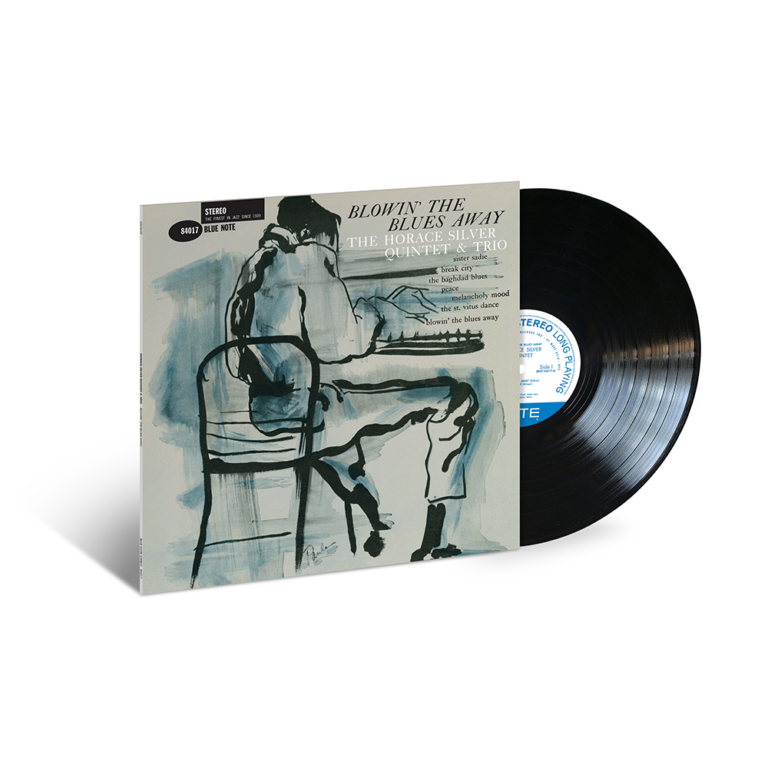
Horace Silver Blowin' The Blues Away LP (Blue Note Classic Vinyl Series)
Most of this album was recorded over a hot weekend in August 1959 with Blue Mitchell on trumpet, Junior Cook on tenor sax, Gene Taylor on bass, and Louis Hayes on drums; two weeks later, Silver and the rhythm section returned to the studio and added two trio pieces. The title track, “Break City,” and “Sister Sadie” are house-rocking hard bop burners, while “Peace” is a beautiful ballad showcase for Mitchell.
The Tokyo Blues
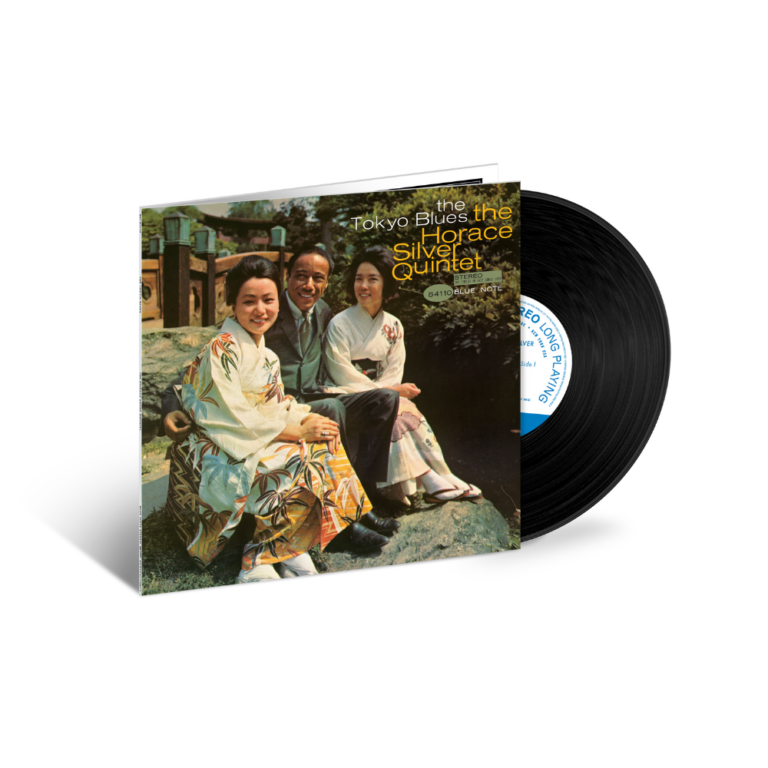
Horace Silver The Tokyo Blues (Blue Note Tone Poet Series) 1LP
Recorded in 1962, after Silver’s group had returned from a wildly successful tour of Japan, this album’s track titles (“Too Much Sake,” “The Tokyo Blues”) are its most Asian quality. Don’t come in expecting Japanese melodies, because this is “just” a highly infectious set of hard bop tunes (performed by Mitchell, Cook, Silver, Taylor and drummer Joe Harris) that mix Latin grooves with relaxed arrangements that give all the players plenty of room to dance.
Silver In Seattle: Live At The Penthouse
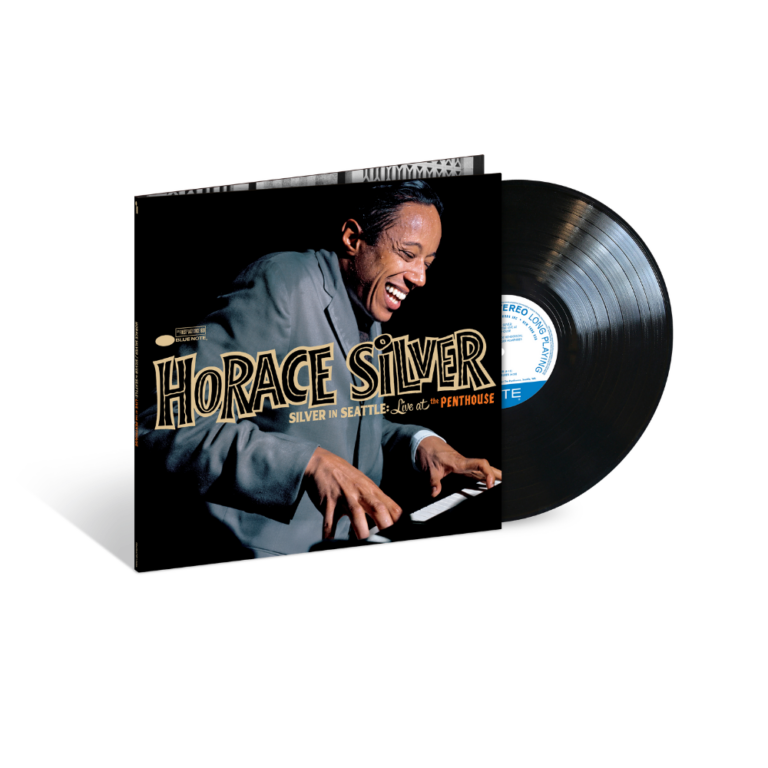
Horace Silver Silver in Seattle Live at The Penthouse
This 2025 collection of previously unreleased live recordings features the band from “Song For My Father” – tenor saxophonist Joe Henderson, bassist Teddy Smith, and drummer Roger Humphries – with one exception: trumpeter Carmell Jones has been replaced by a 21-year-old Woody Shaw. Everyone is on fire on five extended workouts, the longest and possibly most intense being an 18-minute version of “Sayonara Blues.”
READ ON…
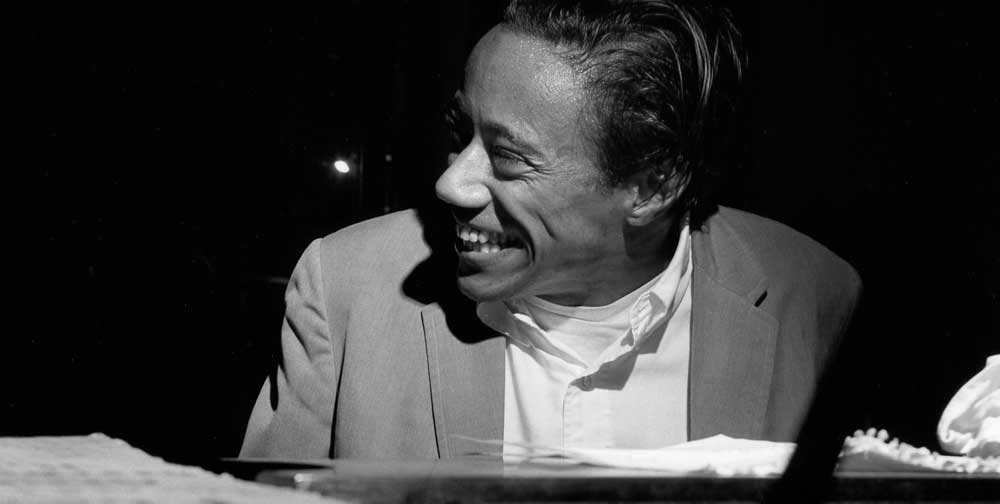
Horace Silver in Seattle – Live at the Penthouse
The 25 Greatest Piano Albums of All Time
Phil Freeman is a regular contributor to DownBeat, Stereogum, and The Wire, and a co-founder of Burning Ambulance. He lives in Montana.
Header image: Horace Silver. Photo: Francis Wolff / Blue Note Records.