
Sometime in the mid-1960s, the jazz guitarist Wes Montgomery asked trumpeter Herb Alpert, “Say, have you heard of this kid George Benson?” Alpert was a new star in the industry, at the time planning to start his own label, partly financed by his mainstream pop-jazz success with Tijuana Brass. Herb replied, “No.” Wes replied “You will!”
Later, Benson would sign with Alpert’s newly formed A&M Records, which would serve as a gateway for his mainstream success. Born on March 22, 1943, in Pittsburgh, Pennsylvania, George Benson got his start playing guitar for jazz organist Brother Jack McDuff in 1963. He was signed by John Hammond for Columbia, where he recorded “New Boss Guitar” in 1964; a homage to his mentor and friend Wes Montgomery, who released his “Boss Guitar” album on Riverside a year earlier.
George reflected on this time in a 2024 interview with Rick Beato: “John Hammond says to me in the beginning: ‘I can see you do a lot of things, and you do them well, but if you become known as a jazz man first, you’ll have longevity.’ He wasn’t lying.”
Often dismissed as an exponent of smooth jazz, Benson became a superstar, fusing jazz, R&B, and pop with hits like “Breezin’” (1977), “Give Me The Night” (1980) and “Turn Your Love Around” (1981). But it was his fourth album, “Giblet Gravy”, released in 1968, that consolidated his status as a preeminent jazz guitarist at the tender age of 25.
In his autobiography, he described the decision to leave Hammond and Columbia as “heartbreaking.” He felt Verve offered the possibility of reaching a larger audience. Creed Taylor, producer of Wes Montgomery’s “Movin Wes” album (1964), played a vital role in bringing George to Verve.
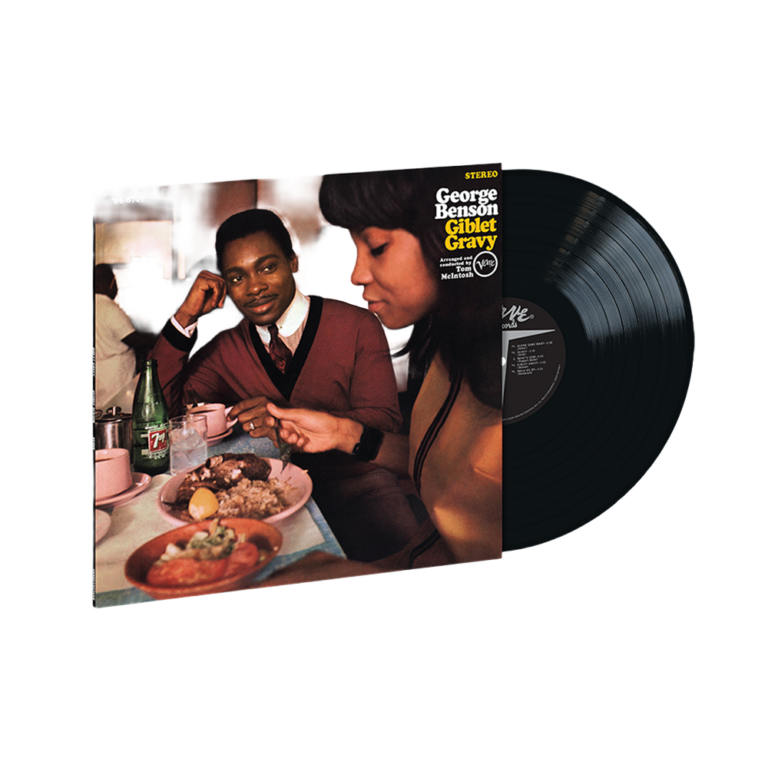
“Giblet Gravy” was his first statement on Verve and is the most underrated record in Benson’s long career, and in this new reissue it is restored to its full sonic vitality. Benson reflected in his autobiography: “I didn’t want to be the next Wes Montgomery. I wanted to be the first George Benson.” With “Giblet Gravy”, he said: “I’d never done anything like it… Those were some of the heaviest cats I’d ever played with.”
It was an extraordinary band that included Herbie Hancock on piano, who by this point had recorded with Miles Davis on “ESP”, “Miles Smiles” and “The Sorcerer”. Ron Carter, also in Miles Davis’s band, and Bob Cranshaw shared bass duties. Drummer Billy Cobham, was just 23 years old at the time and the power and subtlety of his playing on these recordings was an early sign that he was destined to become one of jazz’s finest drummers.
The album is entirely instrumental, comprising standards and jazz versions of pop classics, including the Young Rascals’ hit “Groovin,” as well as two original compositions: the title track and a gut-bucket slow blues called “Low Down and Dirty” featuring an extended Herbie Hancock solo in which you can hear his muted wails behind the piano phrases.
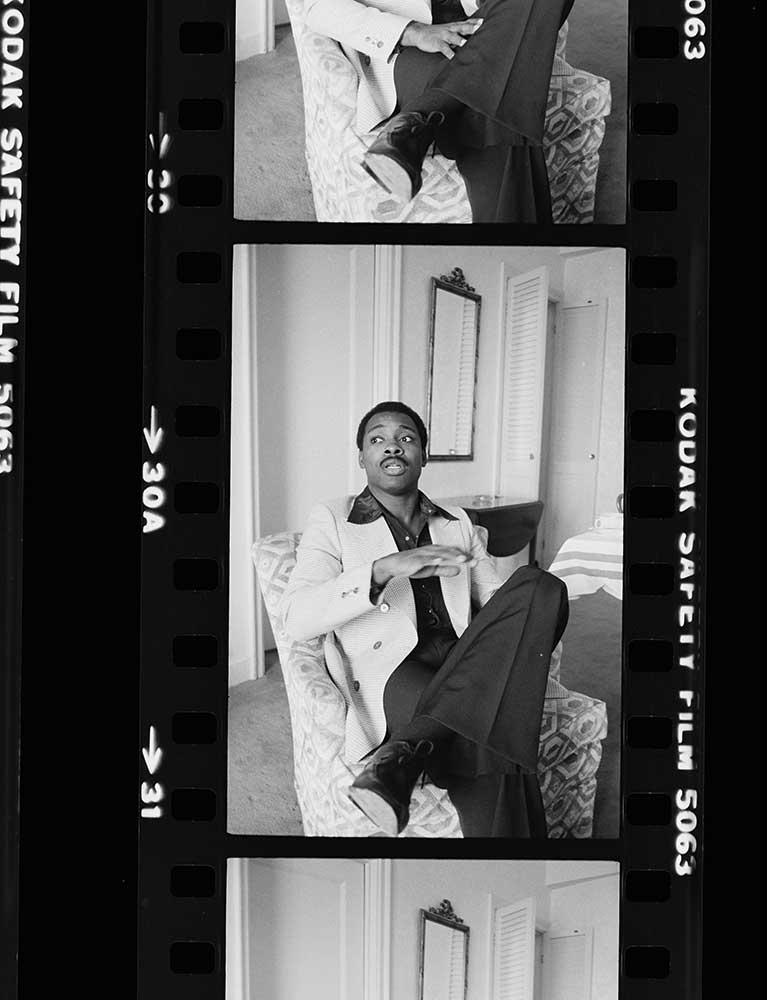
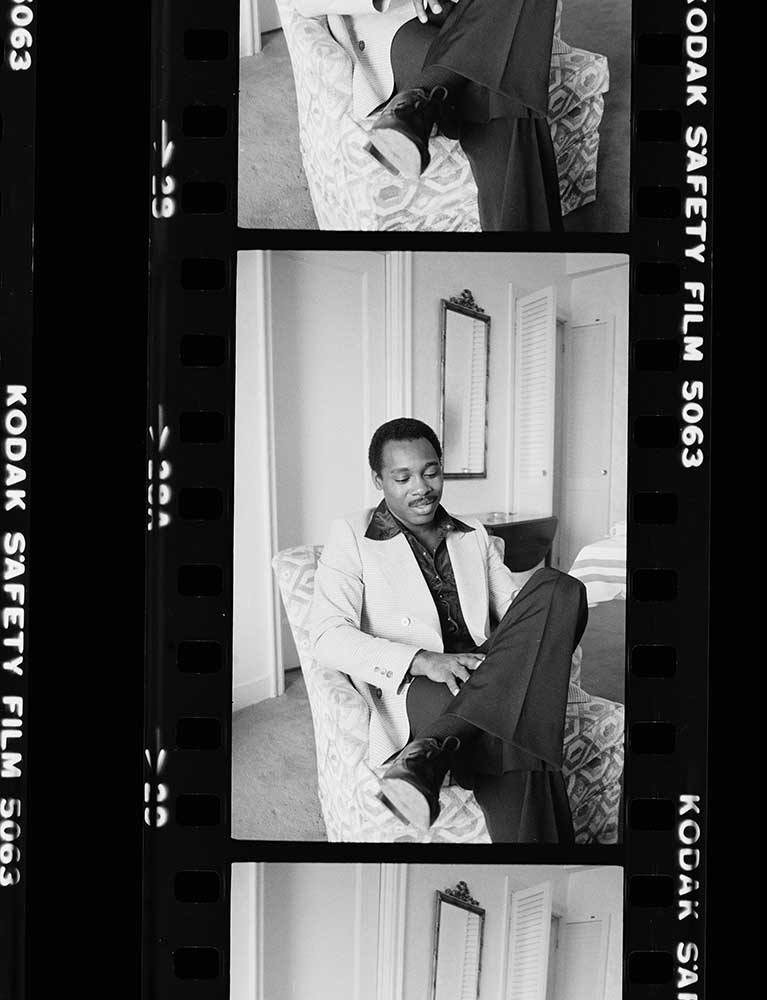
George remembered his struggle to read the chord changes for a ballad they were recording called “What’s New”. A young man in the room offered to help him, took George’s guitar, and demonstrated the chord voicing. George, always humble said, “Hey, man, thank you! What’s your name?” It was New Yorker Eric Gale, who played second guitar on the album, who appeared on over 500 albums, including Roberta Flack and Donny Hathaway’s “Where Is the Love”.
The album features astonishing ensemble playing combined with swinging, intelligent arrangements by Tom McIntosh, who coincidentally served with George’s father in the US Army. In the standout title track, composed by Benson, McIntosh’s arrangement provides a perfect backdrop for George’s rich trademark bluesy guitar tone. He combines the use of double stops – two notes played in unison an octave apart – reminiscent of Wes Montgomery, with his unique approach to chordal melodies phrased with fast three-note phrases or triple stops. This technique is featured heavily on his version of “Groovin”.
George recounted to Rick Beato a conversation that shaped him: “Jack McDuff says, ‘Man, when you are playing, show some technique, show some class, play some pretty chords, some funky chords – be sure to play some blues licks. That’s down, that’s earth, you are hitting the heart of where they live. So put some blues in your music… That’s what the world is, man.’” Those words echo through the music of “Giblet Gravy”. George’s unique guitar style combines lush jazz chords and bebop phrasing with blues and R&B melodies.
During the sessions, the band recorded a version of Charlie Parker’s “Billie’s Bounce”, which was left off the original album. You can hear it as a bonus track on this new reissue. George, Herbie Hancock and Billy Cobham are “trading fours”, in which each takes a four-bar solo in turn like a dramatic musical conversation. It was this track that led Miles Davis to try to recruit Benson to his band. The attempt was unsuccessful but resulted in George’s guitar playing being featured on “Paraphernalia”, released on the 1968 Columbia album “Miles in the Sky”.
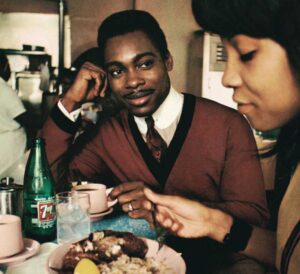
Soul food is a staple metaphor in African American music – think about “Memphis Soul Stew” or “Pass the Peas”. These alimentary references anchor the music symbolically in black life. The cover of this album does something similar, with George staring admiringly at his date eating a pre-gig festive meal. Giblet gravy is a staple in African American holiday celebrations, particularly Thanksgiving and Christmas. The album marks the arrival of a new jazz flavour cooked up from the ingredients of his guitar influences: a half a pound of Grant Green, a tablespoon of Tal Farlow, a teacup of Hank Garland and, of course, a pinch of Wes Montgomery. Recalling Wes’s prophecy to Herb Alpert, today everyone has heard of George Benson, a multi-award-winning giant of jazz, but this was the beginning, a feast for your ears.
READ ON…
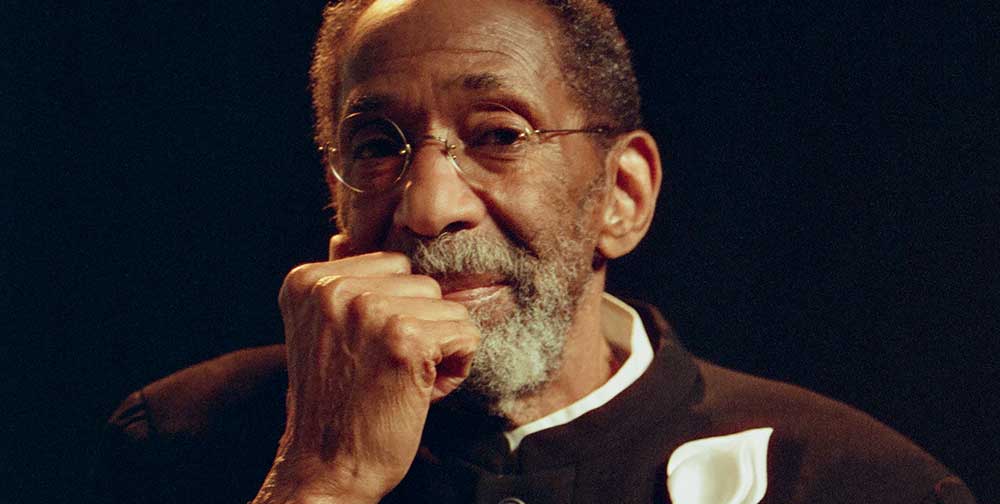
Ron Carter on His Enduring Career
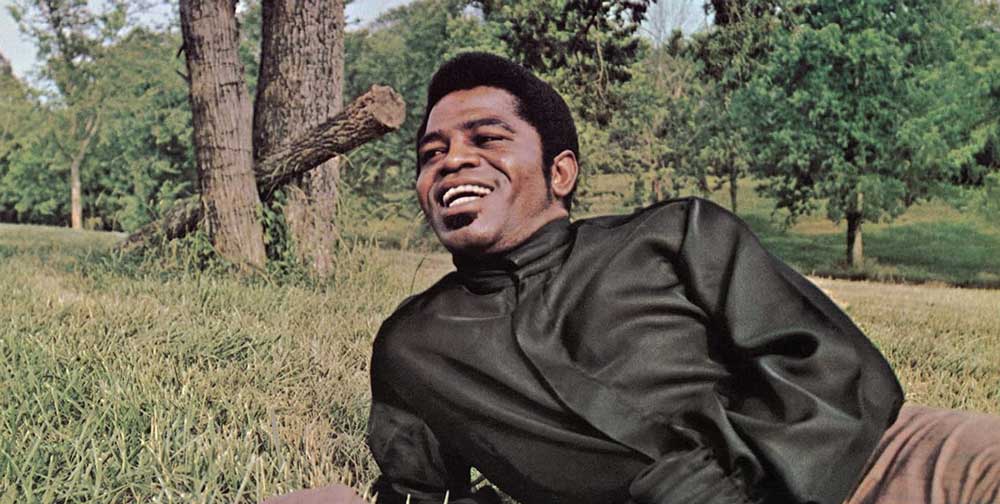
James Brown – Soul on Top
Les Back is a sociologist at the University of Glasgow. He has authored books on music, racism, football and culture, and is a guitarist.