

“I consider music to be a spiritual experience,” trumpeter Freddie Hubbard told writer Nat Hentoff in 1966, “because you can get at your deepest feeling in music.” Hubbard would become one of the most successful mainstream jazz artists of his generation – his career spanning five decades – effortlessly moving from his hard bop heritage to the early sounds of fusion and then enjoying mainstream jazz-funk stardom, but the sound of his horn always seeks to convey at that deep level.

Growing up in Indianapolis, Indiana, Hubbard gravitated towards music, studying the French horn, tuba, and mellophone, before finally landing on his true calling, the trumpet. Not yet drinking age, the young Hubbard was a sensation upon his arrival in New York City in 1958, gigging with the likes of Sonny Rollins, Eric Dolphy, Quincy Jones, and Philly Joe Jones.
Open Sesame (Blue Note, 1960)
Barely 22, Hubbard cut a stone classic with his first Blue Note date. “Open Sesame” announced the arrival of not just a major new talent on trumpet, but also one on piano, as it’s also one of McCoy Tyner’s earliest recording dates. Though the real star of the set is tenor saxophonist Tina Brooks, whose poignant way with a phrase is always heart-stirring (and lamentably all too rare to hear on album).
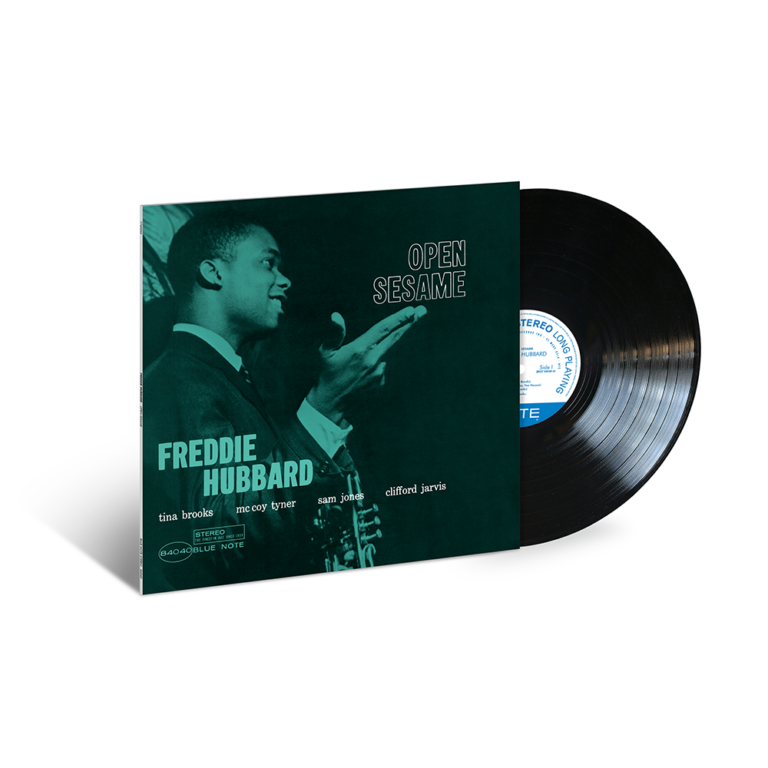
Freddie Hubbard Open Sesame (Blue Note Classic Vinyl Edition) LP
Goin’ Up (Blue Note, 1960)
Five months later, Hubbard returned to Van Gelder’s studio with Tyner, Hank Mobley on tenor, and a formidable rhythm section in Paul Chambers and Philly Joe Jones to cut “Goin’ Up”. Drawing from the songbooks of Mobley and fellow trumpeter Kenny Dorham for four of the six tunes, the tunes offer up plenty of space for Hubbard to shine and the propulsion of Jones leads Hubbard to soar.

Freddie Hubbard Goin’ Up (Blue Note Classic Vinyl Series) 1LP
Hub Cap (Blue Note,1961)
“Hub Cap” found Hubbard pushing boundaries in the midst of another hard bop session. It’s his first time recording with a sextet, his trumpet now slotting in alongside the likes of tenor saxophonist Jimmy Heath and Sun Ra trombonist Julian Priester. With Philly Joe again driving the proceedings and the addition of Priester roving in the lower register, Hubbard now has plenty of space to explore and his solos have a daredevil quality to them, as he aims higher than ever and delivers crisp, agile, lyrical runs.

Freddie Hubbard Hub Cap (Blue Note Tone Poet Series) 1LP
The Artistry of Freddie Hubbard (Impulse! 1963)
In 1963, Hubbard jumped from Blue Note to Impulse to cut “The Artistry of Freddie Hubbard” and “The Body & The Soul”. The former album showcased another sextet (this time utilising fellow Jazz Messenger alum trombonist Curtis Fuller and another Sun Ra horn in John Gilmore on the front line) tackling standards from Duke Ellington and George Gershwin, while also highlighting Hubbard’s own growth as a composer, contributing four originals.

Freddie Hubbard The Artistry of Freddie Hubbard (Verve Acoustic Sounds Series) 1LP
The Body & The Soul (Impulse! 1963)
The latter Impulse album was Hubbard’s most ambitious and mature album statement to date. “The Body & The Soul” drew on the arrangement skills of another Jazz Messenger veteran in Wayne Shorter, the two toggling between a septet, a 16-piece big band, and an orchestra replete with string section. The wider canvases on the big band and orchestra selections are breathtaking, the arrangements recalling masters like Duke and Gil Evans. But the tighter septet numbers offer just as many thrills. It’s also one of the lone instances of hearing Shorter blowing with fellow reedman Eric Dolphy.

Freddie Hubbard The Body & The Soul LP (Verve By Request Series)


Photo: Finnish Heritage Agency

Photo: Finnish Heritage Agency
Breaking Point (Blue Note, 1964)
Hubbard served as foil when Dolphy assembled his own forward-looking group on the legendary “Out to Lunch“. Less than three months later, Hubbard made his own bold statement with “Breaking Point”. From its broken glass cover art to the opening run of the title track, it’s clear that Hubbard is pushing well beyond the harmonic and rhythmic confines of hard bop. If anything, Hubbard strikes the perfect balance between astringent “out” blasts and daredevil melodic leaps, establishing his avant bona fides that also help power classics like “Free Jazz” and “Ascension“.
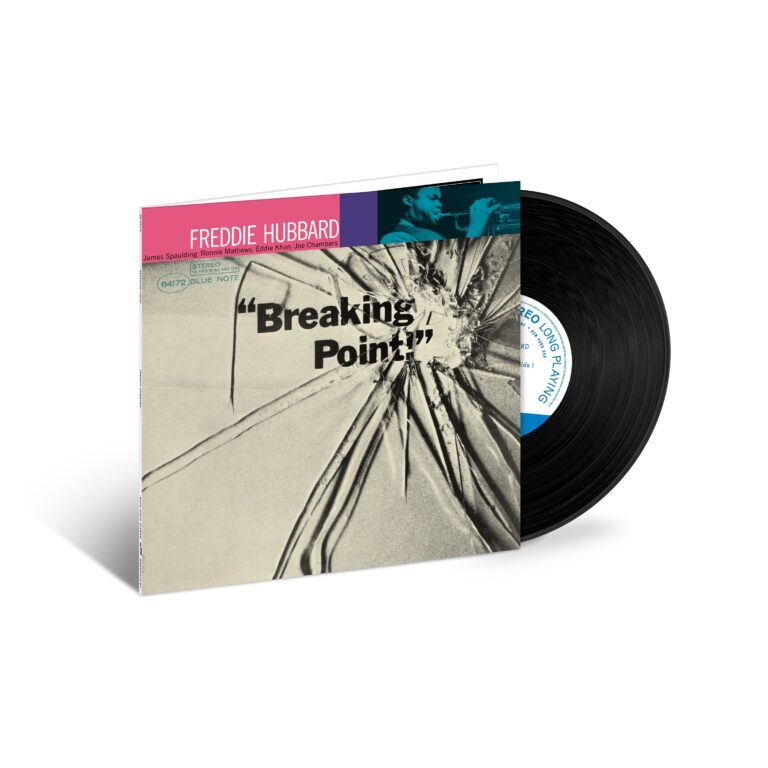
Freddie Hubbard Breaking Point! (Blue Note Tone Poet Series) LP
Blue Spirits (Blue Note, 1967)
“Blue Spirits” marked Hubbard’s last Blue Note album of the decade, but it’s a beauty. There’s a thrilling edge to his trumpet as he plays off of a frontline including tenors Joe Henderson and Hank Mobley, altoist James Spaulding, and the euphonium of Kiane Zawadi, while the congas of Big Black add a joyous polyrhythmic foundation. “Blue Spirits” captures the true artistic trajectory of Hubbard as both an improviser and a composer and showcases just how far he had come in a few short years. The five originals reveal how much Hubbard had matured as a composer, pairing his adventurous sense of harmony to a spiritual rhythmic drive. And as always, Hubbard’s horn conveys the deepest feeling.

Freddie Hubbard Blue Spirits LP (Blue Note Tone Poet Series)
Freddie Hubbard I Photo: The Francis Wolff Collection ©Blue Note Records
READ ON…
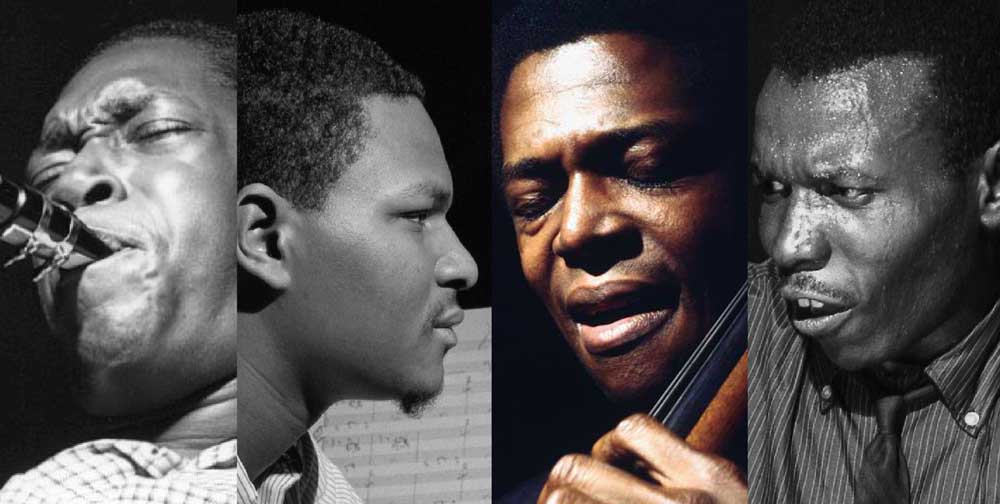
The John Coltrane Quartet – The Iconic Incarnation
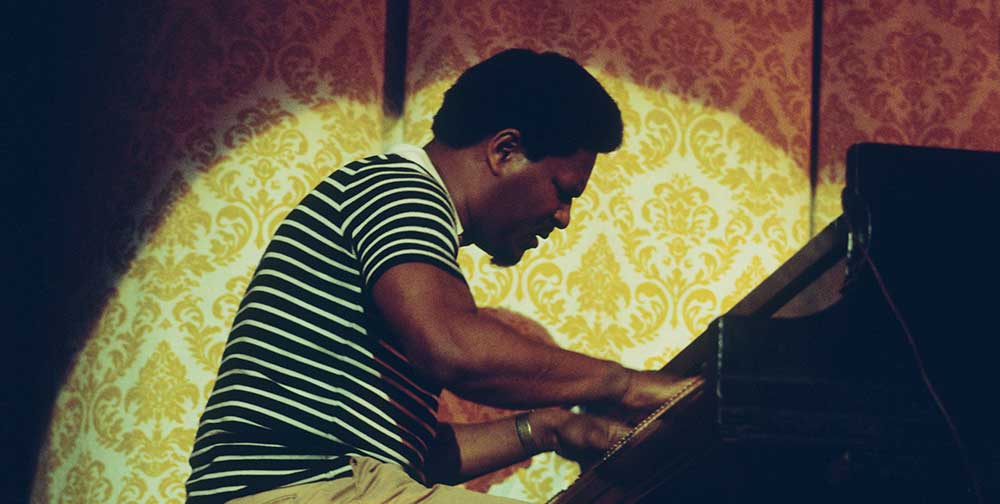
McCoy Tyner – Expanding, then Extending
Andy Beta is the author of “Cosmic Music: The Life, Art, and Transcendence of Alice Coltrane”. He is based in New York City.
Header Image: Freddie Hubbard, Art Blakey & Jazz Messengers Concert, Helsinki 1962 I Photo: Finnish Heritage Agency