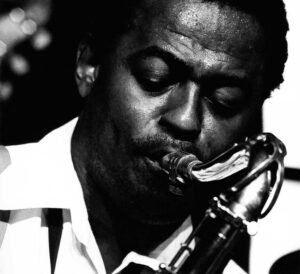
Archie Shepp’s grandma had bought him his first saxophone for the unimaginable sum of $500, to be paid in instalments. Having grown up in Philly, he came to New York City in the early 1960s, hoping to find work as a theatre writer and actor. He got his first recording gig playing saxophone in Cecil Taylor’s group of all things – a baptism by fire.
New York’s young jazz scene at the time was under the spell of Taylor’s and Ornette Coleman’s new directions. Shepp was also deeply influenced by his idol, John Coltrane. He became a strong improviser with an instantly recognisable hard-attack style, shaped by slurred glissando tones. Reviewing one of his early recordings, Bill Mathieu wrote laconically in Down Beat magazine:
“Listening to Shepp play is experiencing the essence of the ‘New Thing’, and it is very exciting.”
In the first half of the 1960s, Shepp formed two short-lived groups: a piano-less quartet with trumpeter Bill Dixon, and the New York Contemporary Five (NYCF), together with other leaders of the new school like Don Cherry and John Tchicai. In the original liner notes to the self-titled 1963 album by the Archie Shepp-Bill Dixon Quartet, Shepp emphasises the role of jazz and blues as a force to push for societal change: “We know today that the lyrics of the spiritual sometimes served as an alarm, a call to arms, or an angry cry to be done with suffering and rid of the oppressor.”
Between 1964 and 1966, he would record five studio albums for the Impulse! label – a deal reportedly brokered by Coltrane, who recommended Shepp to producer Bob Thiele. The young saxophonist used these records to position himself as a “defiant, outspoken penseur” (Kevin Le Gendre), taking on a radical Afro-centric stance in interviews he gave and essays he wrote. As a composer, he skillfully referenced Duke Ellington and Charles Mingus, bridging the gap between the New Thing and the blues.
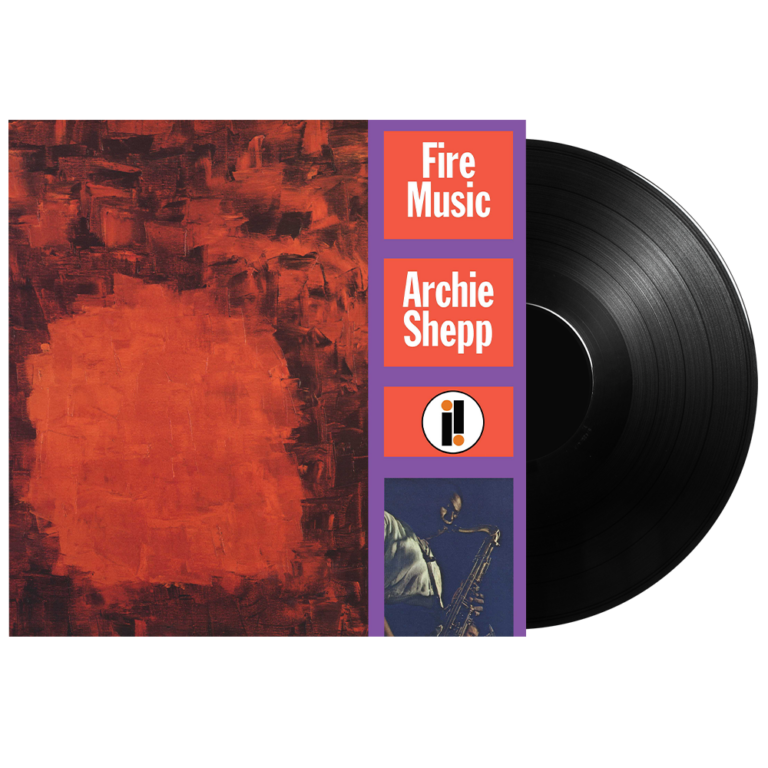
Shepp wasn’t the shy, introverted artist type but an outspoken intellectual, involved with the Marxist arm of the Black liberation movement. A perfect example of his innovative combination of jazz and poetry in the service of activism is the song “Malcolm, Malcolm – Semper Malcolm” on his outstanding 1965 album “Fire Music”.
Shepp had already recorded four tunes for the record on February 16th of that year, but when Malcolm X was murdered just five days later, he secured a second studio date on March 9th to record a dedication to the late Civil Rights revolutionary.
For Shepp, jazz and poetry were close relatives; his “spoken poetry” often became part of the music, inspiring the proto-hip-hop that Gil Scott-Heron and his Last Poets would flesh out just a couple of years later. Shepp would include passionate performances of his poetry into live concerts as well, turning them into fiery incantations of Black liberation, calling for freedom from all oppression.
After contributing to Coltrane’s big band free jazz milestone “Ascension” in 1966, Shepp reshuffled his own group and moved on into even newer directions, experimenting with influences from European avant-garde art music. From 1968 onwards, he would collaborate with a diverse set of musicians from various stylistic and ethnic backgrounds. He’d play with bop veterans and young free jazzers, African percussionists and neo-blues musicians.
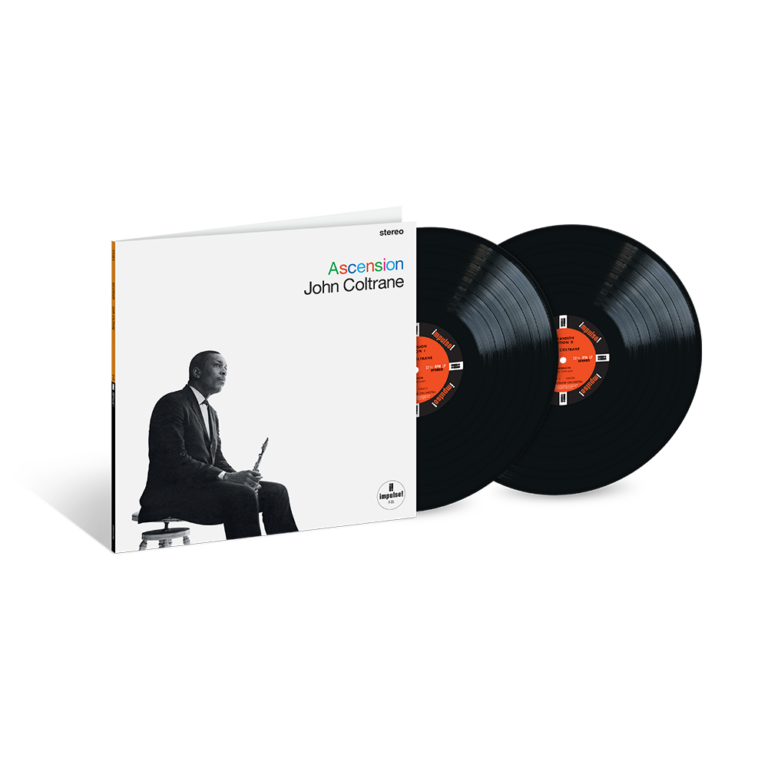
John Coltrane Ascension (Edition I & II) (Verve Vault Series) 2LP
Throughout his lifetime, he’d just constantly seek new musical experiences and tear down further barriers, never getting stuck in a cycle of repetition out of commercial necessity. “Both as men and artists in a complex, often-times grievously unjust world we accept the challenge this society poses, and we project an answer through our music, one which sings a New America”, Shepp had written in those 1963 liner notes quoted earlier. “We take our place beside those poets of the field. Only the nuances of language have changed. The same essential longing for dignity over despair is still with us.”
READ ON…
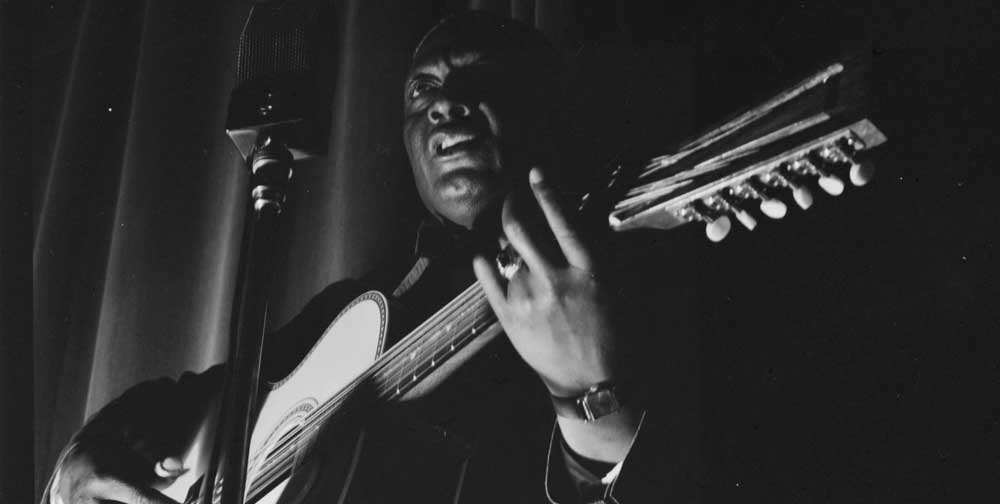
Radical Roots – How Race, Gender, and the Fight for Justice Shaped Jazz
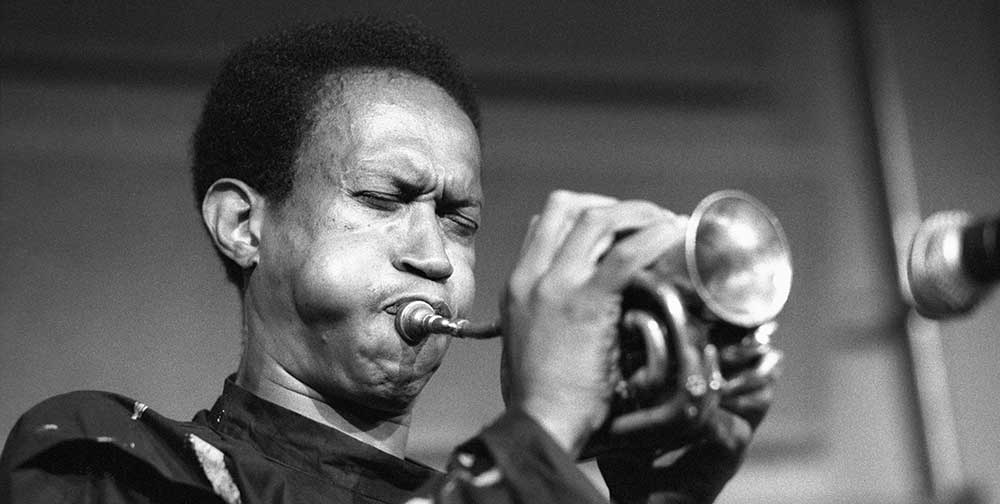
Don Cherry’s Groundbreaking Debut
Stephan Kunze is a music and culture writer and book author based in Berlin. He publishes zensounds, a newsletter on ambient and experimental music.
Header image: Archie Shepp, Montreux Jazz Festival, July 18, 1975. Photo: Andrew Putler/Redferns.