
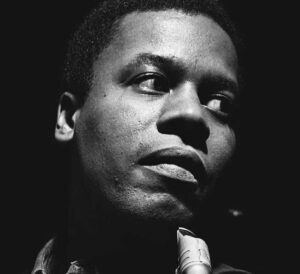
It’s hard to think of another jazz musician who came of age during the early 1960s who now enjoys such a cast-iron reputation as Wayne Shorter. As a composer, his body of work matches Ellington, Mingus and Monk, and his reputation as a saxophonist only increases year by year.
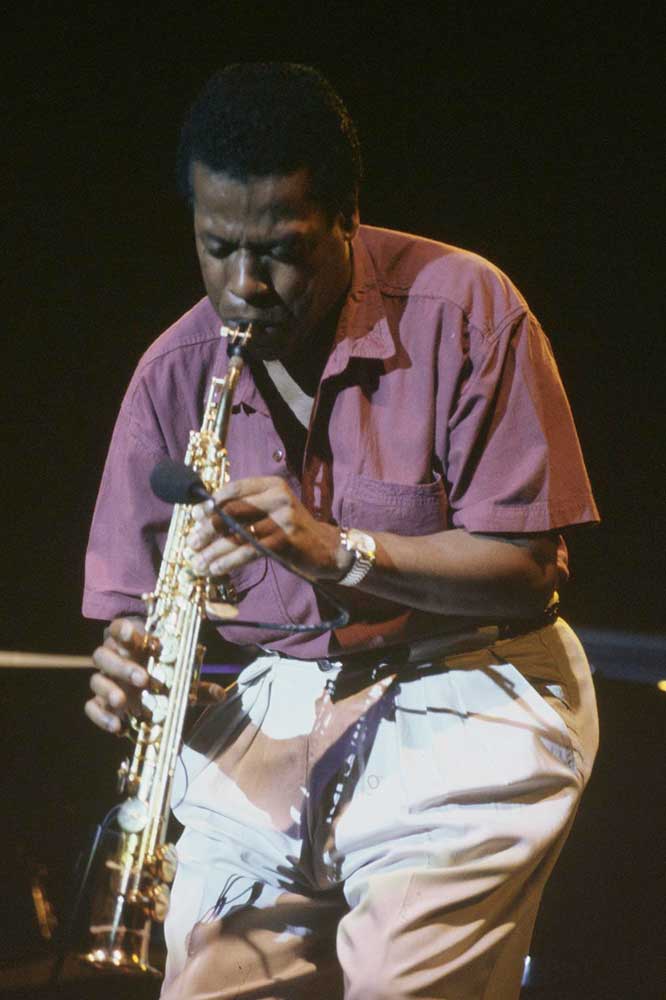
There are no embarrassing skeletons in his closet – even his rare “pop” guest appearances (Joni Mitchell, Steely Dan, Milton Nascimento, Carlos Santana) were perfectly judged, whilst his forays into fusion as the co-founder of Weather Report remain almost critic-proof.
But, above everything else, Shorter was always a deep thinker. Born in that great jazz city of Newark, New Jersey, on 25 August 1933, he was a creative child, drawing comic books and writing stories from a very young age. Gravitating towards music and inspired by an understanding teacher, he studied theory and composition for four years at New York University, also developing his saxophone playing via influences from Lester Young, Stan Getz and Sonny Rollins.
Shorter was then drafted into the US Army between 1956 and 1958, during which he found time to play occasionally with pianist Horace Silver. After being discharged, he freelanced in NYC and played with trumpeter Maynard Ferguson before being headhunted for Art Blakey’s Jazz Messengers in July 1959. During his five years with the master drummer, Shorter developed into one of the most original tenor players in jazz whilst his compositions stood out from the crowd.
Miles Davis had been trying to lure Wayne into his band for a few years before the trumpeter finally got his man in 1965. Throughout their epochal five years together, Shorter was also recording his own highly original solo albums for Blue Note. He then joined keyboard player Joe Zawinul to form Weather Report in 1970, enjoying 16 years of friendship and pioneering jazz/rock.


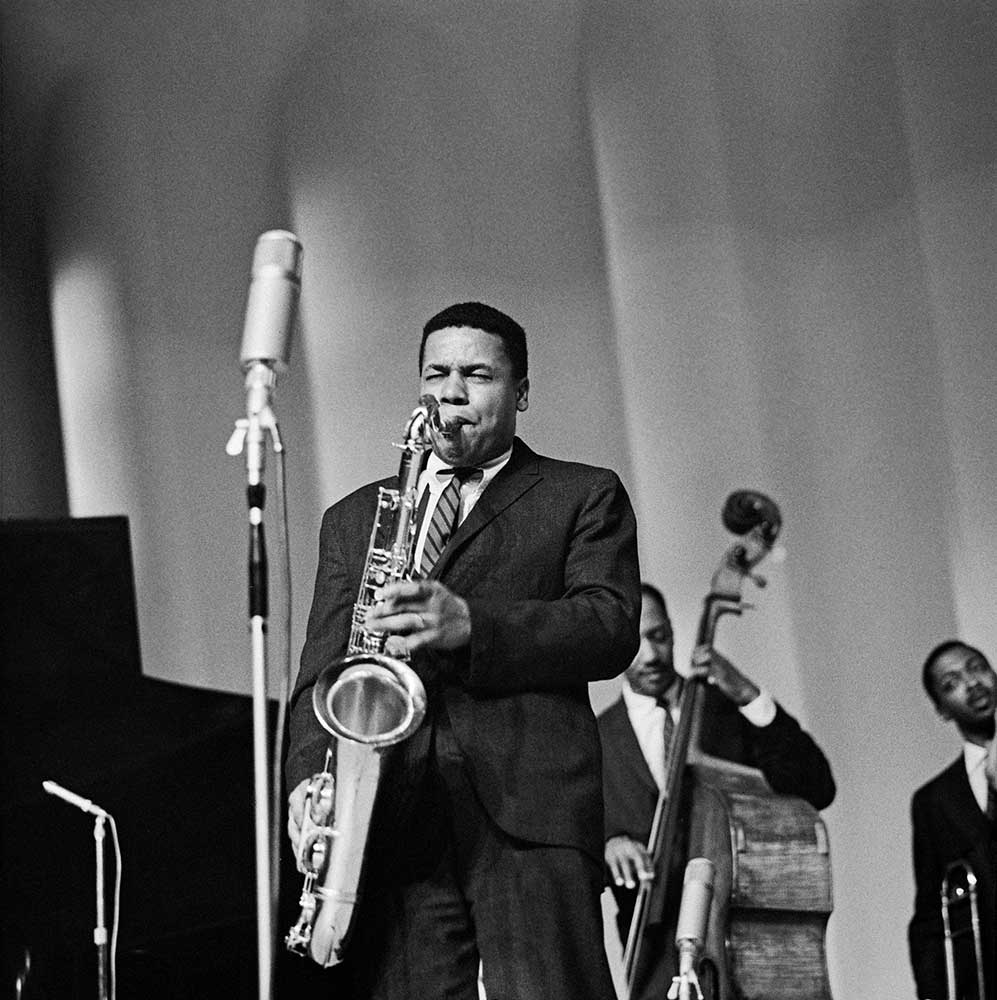
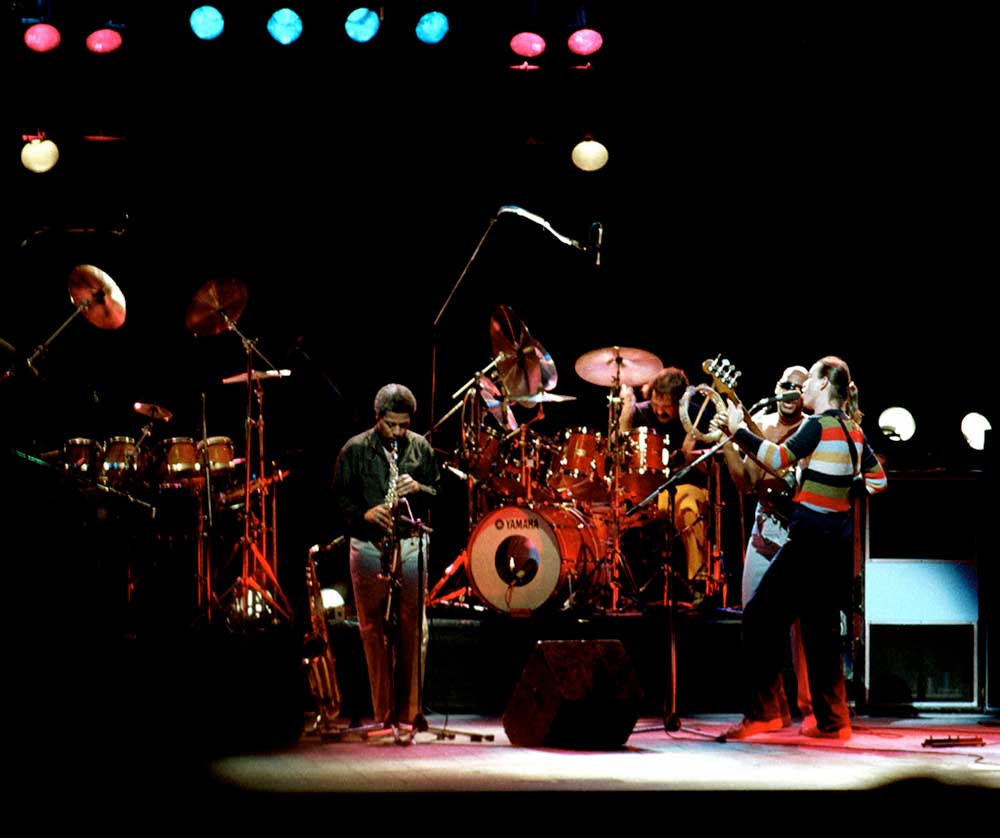
Between 1986 and Shorter’s death in 2023, he embarked on a remarkably sure-footed, if intermittent solo career, playing symphonic jazz/rock with an electric band in the 1980s, touring a lot in the 1990s and finally creating one of the most beloved acoustic quartets in jazz history in 2001, all the while continuing to record for Verve and Blue Note.
Here are six of his most treasured recordings.
“JuJu” (Blue Note, 1965)
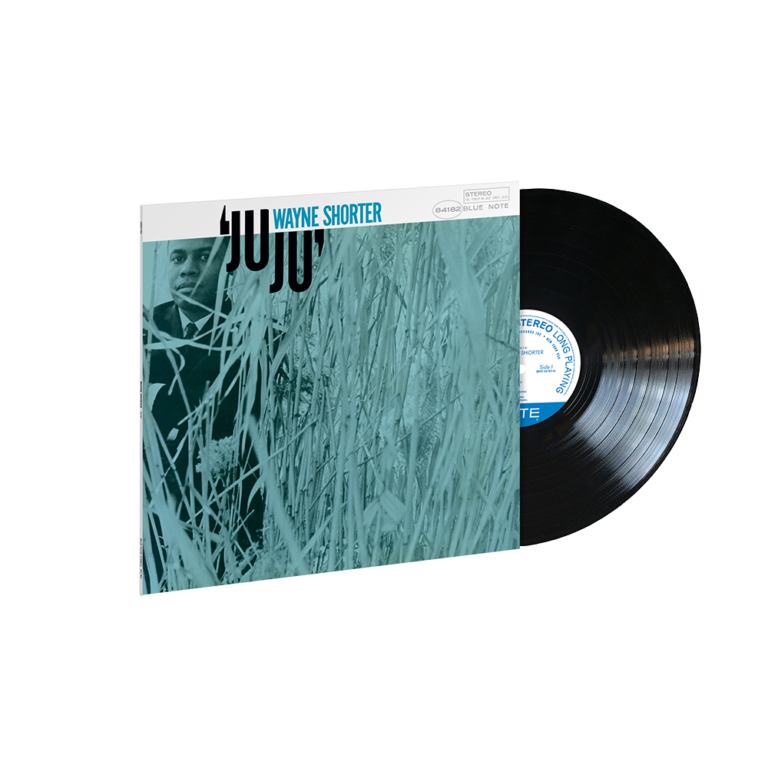
Wayne Shorter JuJu LP (Blue Note Classic Vinyl Series)
Shorter hooked up with two key players from John Coltrane’s famous quartet (Elvin Jones on drums and McCoy Tyner on piano) to lay down some fascinating modal improvisations and memorable themes. The title track ingeniously incorporates elements of the whole-tone scale, while “Yes Or No” has become nothing less than a post-bop classic with over 3.5 million streams on Spotify. Meanwhile “House Of Jade” and “Deluge” remain enigmatic classics.
“Speak No Evil” (Blue Note,1966)
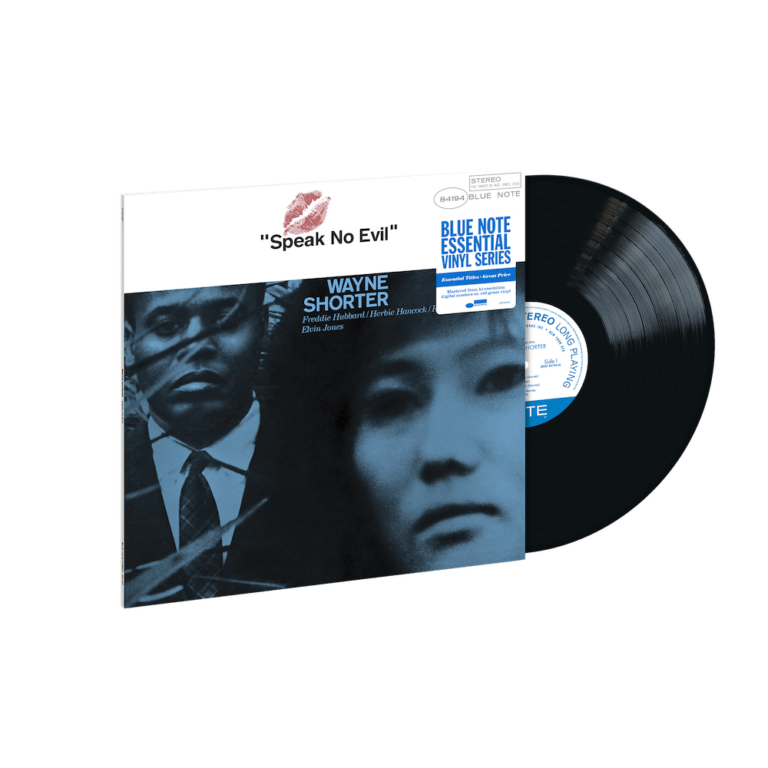
Wayne Shorter Speak No Evil (Blue Note Essentials Vinyl Series) 1LP
No jazz collection should be without this all-time classic album, featuring such tunes as the title track, “Witch Hunt”, Fe-Fi-Fo-Fum” and “Infant Eyes”, inspired by the birth of Shorter’s daughter Miyako.
“The Soothsayer” (Blue Note,1966)
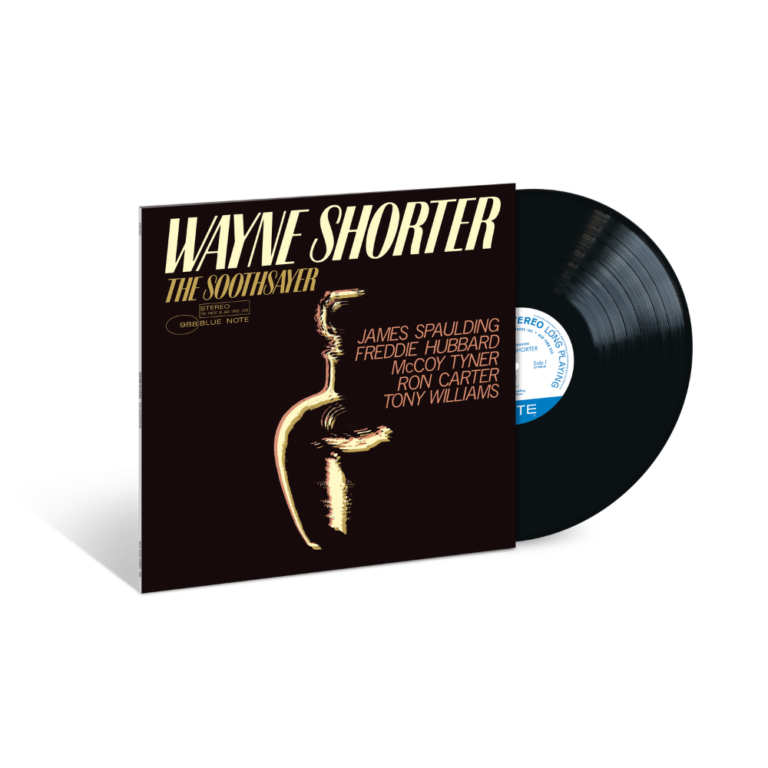
Wayne Shorter The Soothsayer LP (Blue Note Classic Vinyl Series)
Shorter broadened his tonal palette to include a fire-breathing alto saxist (James Spaulding) and a strikingly brilliant take on Jean Sibelius’s elegant classical piece “Valse Triste”, so much in Shorter’s wheelhouse that he could have written it. Elsewhere the album features “Lady Day”, Shorter’s moving ballad for Billie Holiday, the mysterious “Lost” and “Angola”, which even shows influences from Afro-Cuban jazz.
“Atlantis” (Columbia,1985)
There’s nothing quite like this in Shorter’s catalogue, let alone any other “jazz” musician’s. An interesting band including Joni’s husband Larry Klein on bass and ex-Weather Report man Alex Acuna on drums play Wayne’s precise, sometimes through-composed pieces, also featuring some of his most expressive soprano sax on record.
“High Life” (Verve,1995)
Wayne enlisted one of Miles’s trusted collaborators – Marcus Miller – to produce this complex, beguiling song cycle which fuses ‘90s R’n’B production values with ambitious orchestral writing. Featuring members of the Los Angeles Philharmonic, keyboardist Rachel Z and Living Colour drummer Will Calhoun, it showcased Wayne’s writing between 1988 and 1994. The effervescent “On The Milky Way Express” started life as “Oh Americanos!”, first played on his 1991 tour with Herbie Hancock and Stanley Clarke, while “Virgo Rising” had originally been premiered on the “Manhattan Project” Blue Note album of 1990. “High Life” won Shorter his first solo Grammy, edging out Pat Metheny, Fourplay, Miller, Lee Ritenour and Larry Carlton for the Best Contemporary Jazz Album award.
“Footprints Live!” (Verve, 2002)
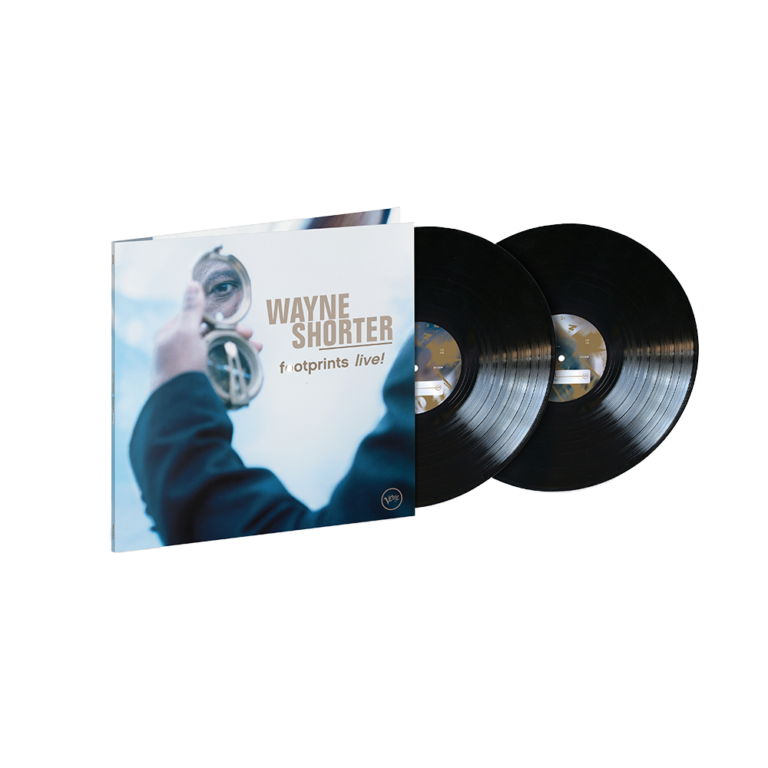
Wayne Shorter Footprints Live! 2LP (Verve By Request Series)
Shorter’s return to acoustic music in 2001 was one of jazz’s biggest events of the last 25 years. He handpicked an all-star supporting cast (Danilo Perez on piano, John Patitucci on bass, Brian Blade on drums), citing them all as “family people”, and toured to ecstatic crowds during that summer. The result was this engaging double live album covering a huge variety of moods and eras. He dips into the 1980s with beguiling tango “Atlantis” and the ‘90s with memorable “Aung San Suu Kyi”, while Miles-era “Masquelaro” and “Footprints” take the listener for a fascinating game of hide and seek.
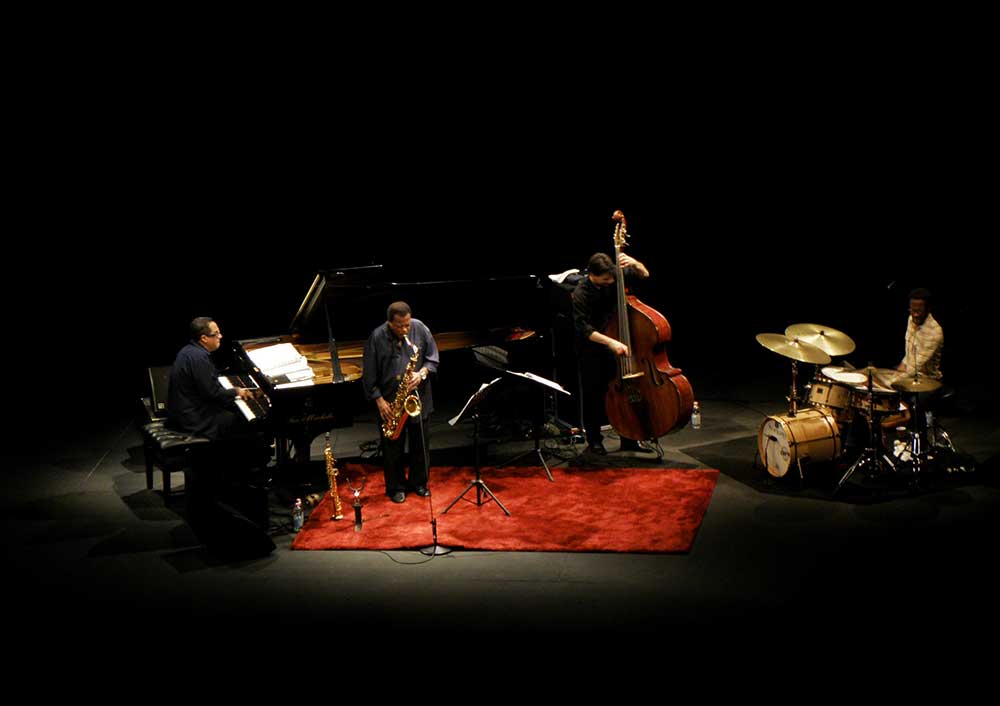
Wayne Shorter I Photo: The Francis Wolff Collection ©Blue Note Records
READ ON…
Miles Davis Mini Site
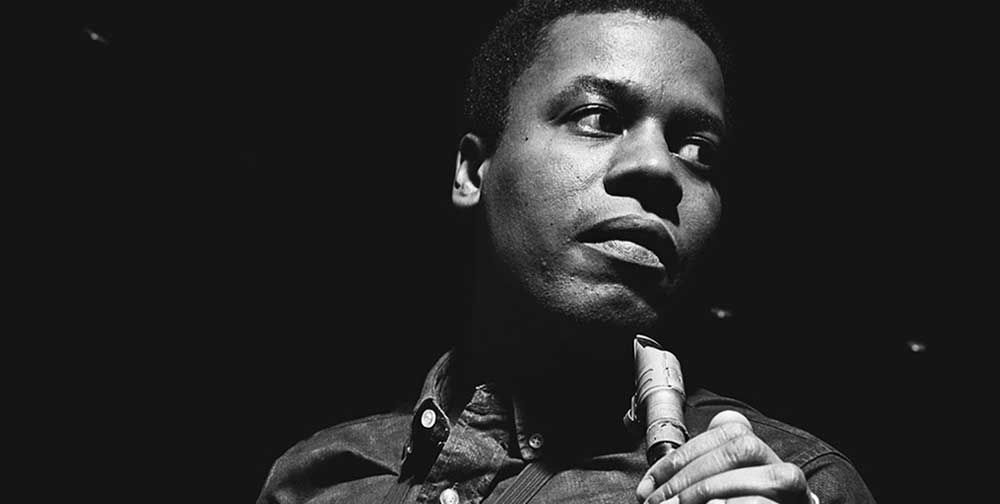
The Heart and Soul of Wayne Shorter’s “Night Dreamer”
Matt Phillips is a London-based writer and musician whose work has appeared in Jazzwise, Classic Pop, Record Collector and The Oldie. He’s the author of “John McLaughlin: From Miles & Mahavishnu to the 4th Dimension” and “Level 42: Every Album, Every Song”.
Header Image: Freddie Hubbard, Art Blakey & Jazz Messengers Concert, Helsinki 1962 I Photo: Finnish Heritage Agency