Jazz history isn’t an account of what happened; it’s an account of what’s been documented.
Did you know that many women of the blues were members of the LGBTQ+ community, including all of the “big three?”. I’m talking about Ma Rainey who sang about lesbianism whilst dressed in a “collar and tie” in the song, “Prove It On Me Blues”:
“Went out last night with a crowd of my friends… they must’ve been women, ’cause I don’t like no men”.
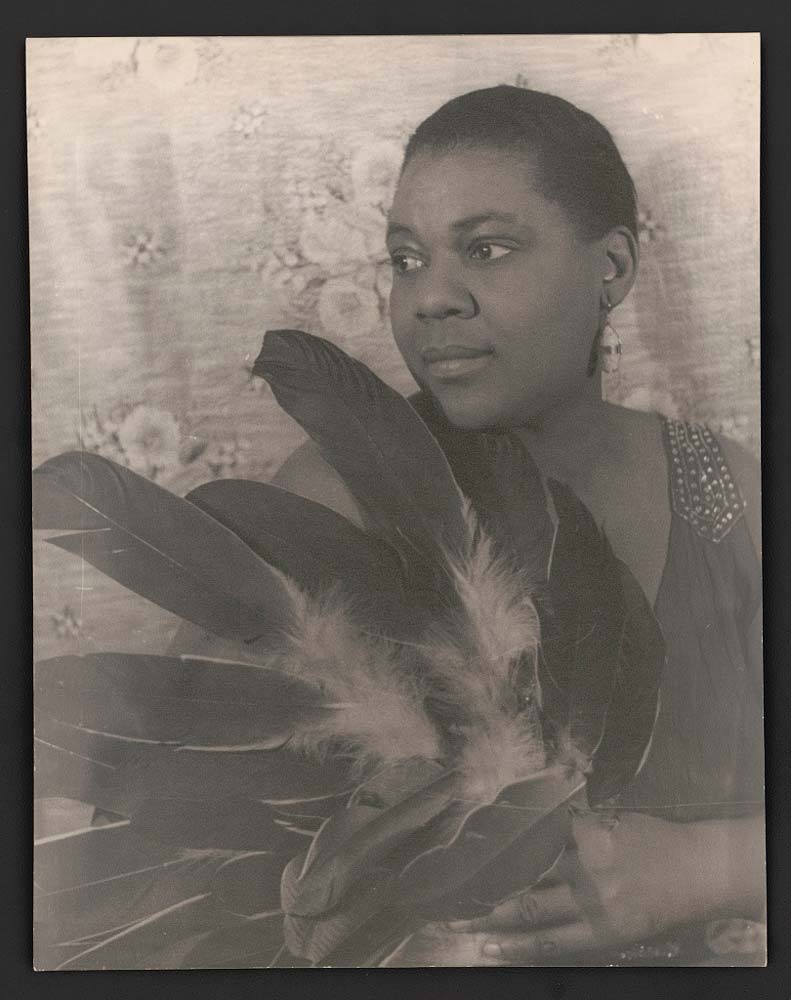
In the ‘30s, bisexual vocalist Bessie Smith sang of female attraction in the song “The Boy In The Boat”. In 1935, Lucille Bogan recorded the queer anthem “B.D. Woman Blues”, with ‘B.D’ believed to stand for “Bull Dyke” – a term that was then used to describe a masculine lesbian.
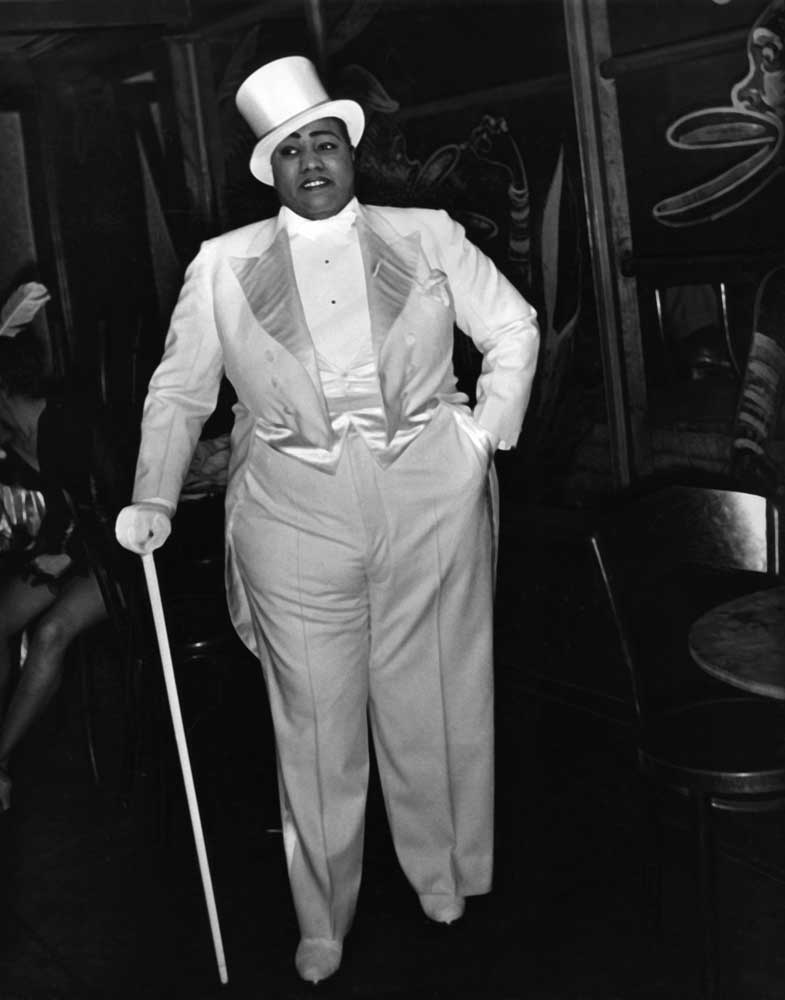
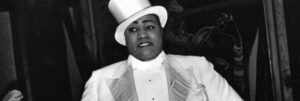
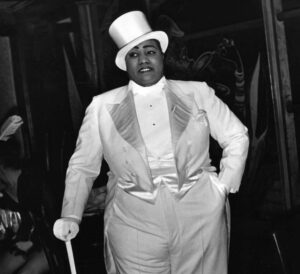
Pianist and singer Gladys Bentley presented in masculine dress and had open love affairs with women, and singer Alberta Hunter had several relationships with women behind closed doors. Many of you reading this won’t know that Billie Holiday was bisexual, and that she had a love affair with actress Tallulah Bankhead. The pioneers of the blues were queer, and the vaudeville and Chitlin’ Circuits provided safe havens where people could feel liberated in their sexuality to the sometimes heady, sensual soundtrack of the blues.
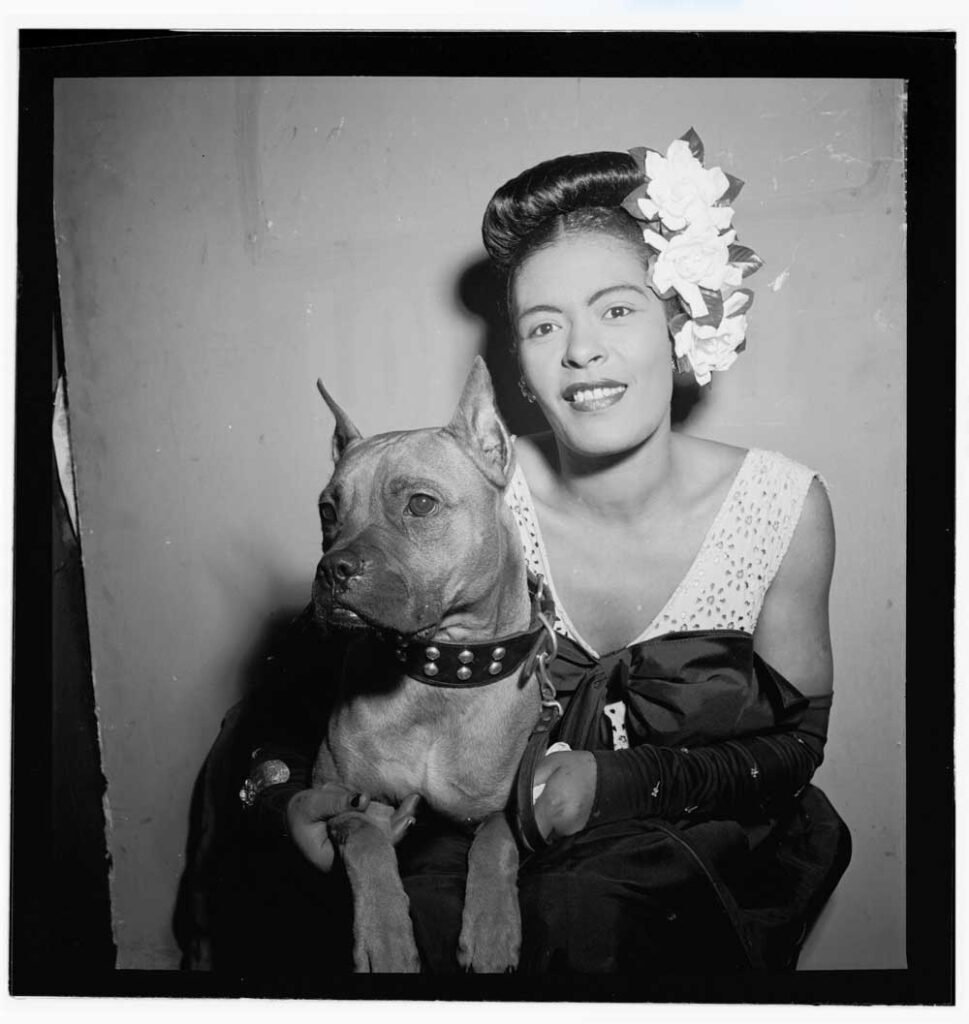
Historically, jazz has been documented by an overwhelmingly male, white and heteronormative lens; indeed, a version of “his-story”. In pointing this out, it’s not about trying to disarm the talented writers and photographers out there who fit this description; it’s about widening the lens and handing over the camera to someone that may not look like you. Those holding the tools hold more power than they may realise.
In this digital age, articles and photos communicate who is doing and saying what to anyone willing to look or listen. The lack of diverse mouthpieces in twentieth century jazz media has heavily affected how we reflect on Black music and queerness in history; a documentarian, albeit a photographer or journalist, will often be limited to telling a story through the lens of their own understanding. Concurrently, if we look at two musicians from the early twentieth century and compare the number of recordings, interviews, reviews, films and photographs attributed to each of them, wouldn’t we assume that the musician whose career has amassed the most scrapbooking is deemed the more impactful or significant artist?
This chronicling informs curriculums; whose work is studied, remembered, and kept alive for another generation to discover.
Shannon J. Effinger is a freelance arts journalist and cultural critic. “With the blues women, the record reveals more about the limits of the archive than the limits of their lives. Ma Rainey, Bessie Smith, Moms Mabley – these weren’t marginal figures moving in secrecy. They were central, visible, shaping entire worlds of sound and social life where queerness wasn’t an aside; it was part of the fabric. But the people tasked with preserving that history flattened it. They kept what fit and let the rest fall away”, explains Effinger. “So what we inherit isn’t a clean narrative – it’s a partial one, shaped as much by omission as by inclusion”.
By the middle of the 20th century, a culture of homophobia prevailed in America, and had intercepted jazz, too. “I can’t stand the faggot-type jazz – the jazz with no guts”, pianist Horace Silver once said in reference to West Coast jazz of the fifties. “I don’t even know a jazz musician who’s a homosexual – not a real jazz musician,” trumpeter Dizzy Gillespie once said. It was from this abrasive landscape that brazen black, female or queer media voices emerged; ironic given that blues, the mother of jazz, was pioneered by black, female, queer women.
But times change slowly. London-born Val Wimer – a member of the LGBTQ community – began her legendary career in the 1950s, around the time that Silver and Gillespie made their comments. She built a trailblazing career photographing and interviewing some of the most significant musicians from the post-war period including Duke Ellington, Muddy Waters, Miles Davis, Jimi Hendrix, Bob Dylan and Aretha Franklin.
In a 2024 interview with Ben Thomas at Tribune, the straight-talking Brit reflected on the societal dynamics at play in her work: “as a woman, you were not seen as a threat, so obviously that helped. But then at the same time there was so much racism around, and white men – even some English men who would’ve thought of themselves as very progressive – didn’t like there to be contact of any kind between black men and white women. The depth of some of my colleagues’ feelings on the matter suggested that some of them would rather like to go to bed with those musicians themselves, but if you said that to them directly, they would die”.
In 2018, Wilmer released Black Music and the Free Jazz Revolution, 1957-1977, which is considered to be one of the most important books ever published on jazz of this time period.
Today, the storytellers are becoming more diverse. Photographer, filmmaker and author Carol Friedman is chief photographer and art director for Blue Note Records amongst many other accolades. Women In Jazz Media is a platform that unites female, non-binary and trans voices who document jazz, aiming to increase the diversity of voices that are making records of the jazz scene. British based platform Women In Jazz aims to amplify female jazz musicians, working in tandem with broadcasters, writers, curators and more. However when it comes to LGBTQIA+ representation in the jazz scene, it’s possible that the most visible progress, particularly in London, can be found in the live space.
Since the pandemic, a conscious effort to illuminate queer talent has unfolded over the capital; Orii Jam, FYE Cypher, Bloom Collective, Peng Femme Jam, Jelly’s Jams and Queer Jazz have all welcomed artists to the stage with a heavy emphasis on making space for LGBTQIA+ and BIPOC talent. Pianist and composer Bel Comeau is a familiar face on the queer jazz jams scene: “There’s a collective sense amongst a lot of people in London that it’s time to make jazz political again; about liberation again. Queerness is just one facet of that”.
There’s a broadening awareness and celebration of queer voices in jazz over the last few years, but as with any levelling up for marginalised voices, how do we avoid tokenism? The answer is simple; if you have the ability to create space, then offer it to those who wish to hold it. That goes for editors of magazines and online platforms who can configure the diversity of their writing team, and therefore the diversity of its stories. It goes for the photographer who may catch that candid moment because their subject knows that they’re understood on a level that needs no explaining. It may be the live music promoter who welcomes the queer jam on realising that their audience to date has only represented a portion of society. It’s remembering that the white, male, heteronormative voice is not and should not be the only voice that can contribute to herstory.
I remember speaking to Scottish, London-based musician Lulu Manning a few years ago, when I first started to ponder the intersection between jazz and queerness. “I recognise my queerness as a waterfall source of creativity” Lulu told me. “But in this I also recognise my multiplicity, that I am more than any one thing”.
READ ON…
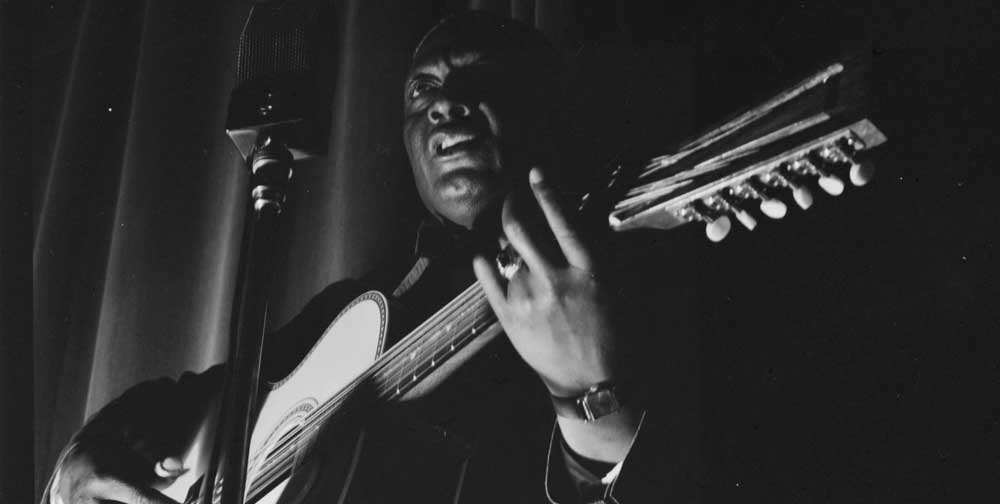
Radical Roots – How Race, Gender and the Fight for Justice Shaped Jazz
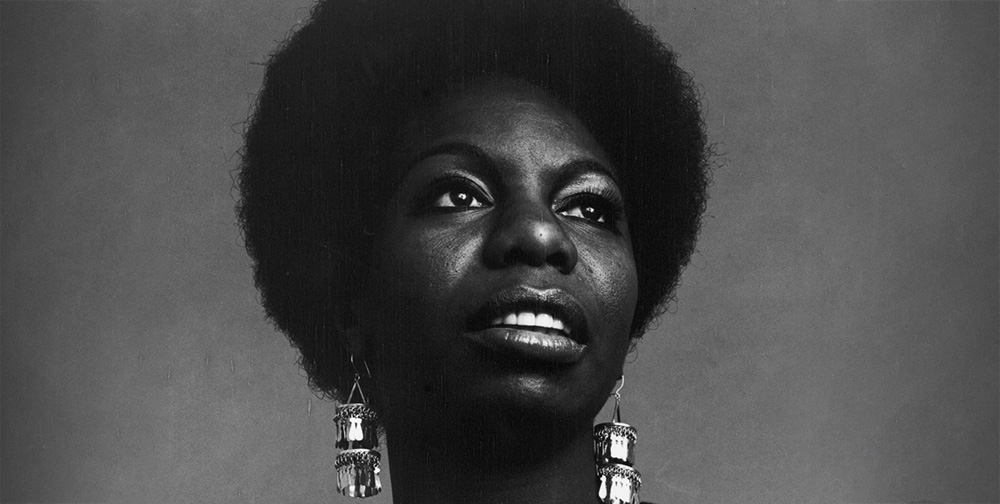
The Soul of Miss Simone
Tina Edwards is a music journalist, DJ and broadcaster. She’s the co-founder of curatorial platforms re:sonate and Queer Jazz, and hosts her own Bandcamp Club called Jazz-ish Jazz Club.