
Jazz and the blues are inherently political, rooted in the lived realities of the Black experience. Emerging from the afterlives of the transatlantic slave trade, spirituals functioned as both resistance and refuge – encoding grief, endurance, survival, and the hope for freedom within an unspeakable system of oppression. In the decades that followed, that coded musical language gave way to pointed commentary – a direct indictment of Jim Crow, lynching, and the pervasive brutality of racial terror.
Blues and jazz artists became, in effect, some of our pioneering activists and freedom fighters, speaking directly to the dehumanisation of Black life – yet their pivotal role remains widely underrecognised.
One early example of this shift can be heard in “Black and Blue”, written by Fats Waller and Harry Brooks with lyrics by Andy Razaf. Debuting in the 1929 Broadway musical Hot Chocolates, the song’s lyrics – reportedly shaped under duress by the show’s financier, the notorious mobster Dutch Schultz – give voice to the anguish of a dark-skinned woman confronting colourism and exclusion. Rather than delivering the comic relief ostensibly demanded of him, Razaf subverts expectation, crafting a lyric that is both a lament and an indictment.
Later recorded by Louis Armstrong that same year, the song’s double entendre captures the existential pain of being brutalised for simply being born Black: How will it end? / Ain’t got a friend. / My only sin / Is in my skin. / What did I do / To be so black and blue?
Nearly a decade later, as jazz and blues reached wider audiences at home and abroad, that interior anguish gave way to direct confrontation, as the music began to reckon openly with the systemic discrimination and racial violence Black artists faced daily.
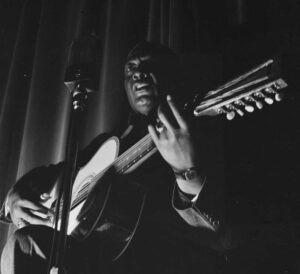
One striking example is “The Bourgeois Blues”, reportedly written in just a few hours in June 1937 by Lead Belly in response to being denied hotel accommodations and restaurant service while visiting Washington, D.C., to record for folklorist Alan Lomax at the Library of Congress. Just months earlier, Abel Meeropol – a Jewish high school teacher whose students included James Baldwin – had written the poem “Bitter Fruit”, later published in the union magazine The New York Teacher. After being set to music and retitled “Strange Fruit”, the song was introduced to Billie Holiday in 1939 at the legendary Café Society, where she performed it as the closing number of her live sets.
While the poem starkly juxtaposes the verdant beauty of the South with the horrors of an unending open season on Black people, it is in Holiday’s voice – its timbre, restraint, and tonal gravity – that the full emotional weight of those images is realised: Pastoral scene of the gallant South, / The bulging eyes and twisted mouths, / Scent of magnolias, sweet and fresh, / Then the sudden smell of burning flesh.
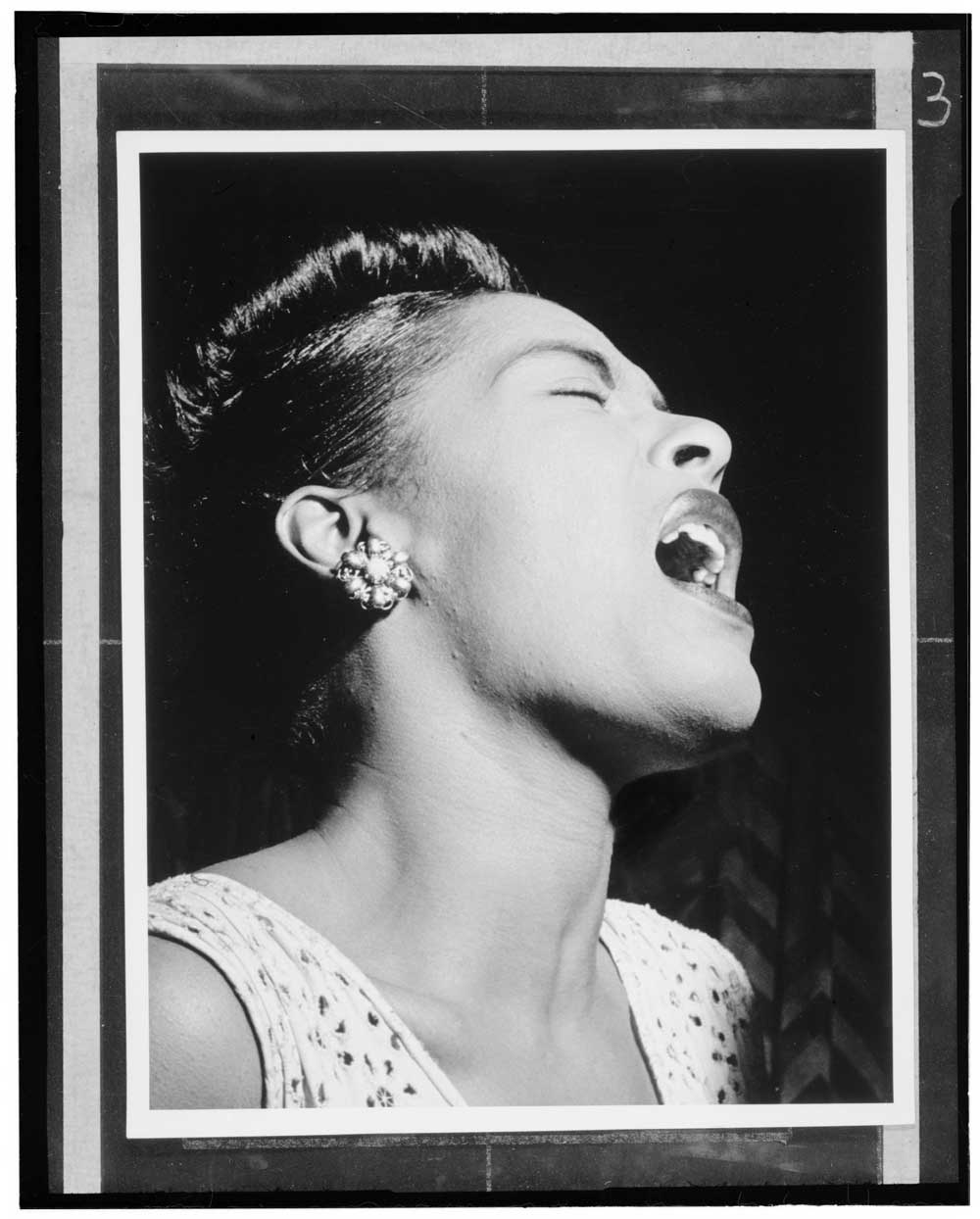
“Strange Fruit” became an unflinching act of witness – one that reverberated across generations and redefined what was possible for protest in jazz. What followed was not a single lineage but a series of reinventions, as artists across eras reshaped the genre to confront the injustices of their time.
The Black Saint and the Sinner Lady – Charles Mingus (Impulse! 1963)
Comprising a continuous composition of nearly 40 minutes, “The Black Saint and the Sinner Lady” is divided into four tracks and six movements. Partially conceived as a ballet, the work is quintessential Mingus—blurring the lines between classical and jazz, composition and collective improvisation.
Recorded in early 1963 with an eleven-piece ensemble, Mingus creates a sprawling opus layered with dissonance, abrupt shifts, and rhythmic volatility. Overtly political, the music resists passive listening; it compels the listener to sit with its discomfort and, if only momentarily, inhabit the instability of the Black American experience.
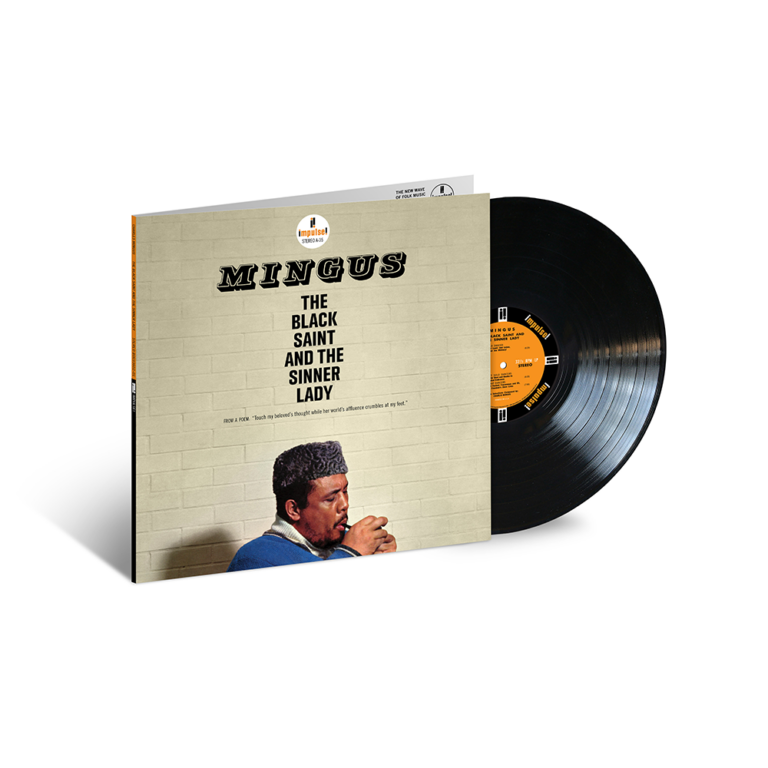
Charles Mingus The Black Saint And The Sinner Lady (Verve Acoustic Sounds Series) LP
A New Perspective – Donald Byrd (Blue Note, 1964)
Drawing on his upbringing in Detroit as the son of a Methodist preacher, Byrd positions protest as community – one rooted in the Black church and a collective voice – reminding listeners that liberation is both a spiritual and a political act. Byrd’s trumpet does not overpower the choir but moves in tandem with it, rendering moments of affirmation, atonement, and mourning with equal emotional gravitas.
“A New Perspective” broke new ground by incorporating gospel idioms into a hard bop context. Byrd himself described the project as a “modern hymnal”, cultivating a sound that is at once defiant and devotional. In tracks such as “Cristo Redentor” and “The Black Disciple,” jazz and spirituals converge, situating both within a broader Black tradition in which resistance and faith are inseparable.
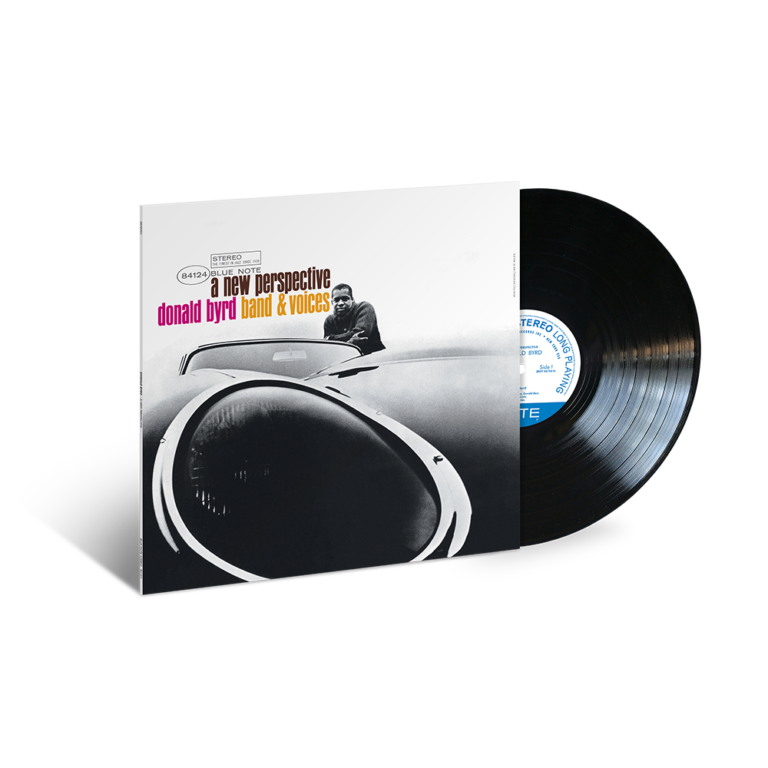
Donald Byrd A New Perspective LP (Blue Note Classic Vinyl Series)
on the tender spot of every calloused moment – Ambrose Akinmusire (Blue Note, 2020)
With “on the tender spot of every calloused moment”, Akinmusire boldly names and recalls the plights of Black life today, while resisting the urge to revisit the past as a means of framing them. Tracks like “hooded procession (read the names out loud)” immediately conjure the image of Trayvon Martin, an unarmed 17-year-old Black teenager who was shot and killed by his neighbour, George Zimmerman, in Florida in 2012, who was later acquitted.
The song titles keep each act of violence at the foreground for the listener, while the music itself oscillates between fragility and eruption. A suspended tension runs throughout: melodies fracture, rhythms destabilise, and phrases trail off. Like his predecessors, Akinmusire resists closure, instead imploring listeners to sit with grief and numbness, as he recreates a world in which justice remains deferred.
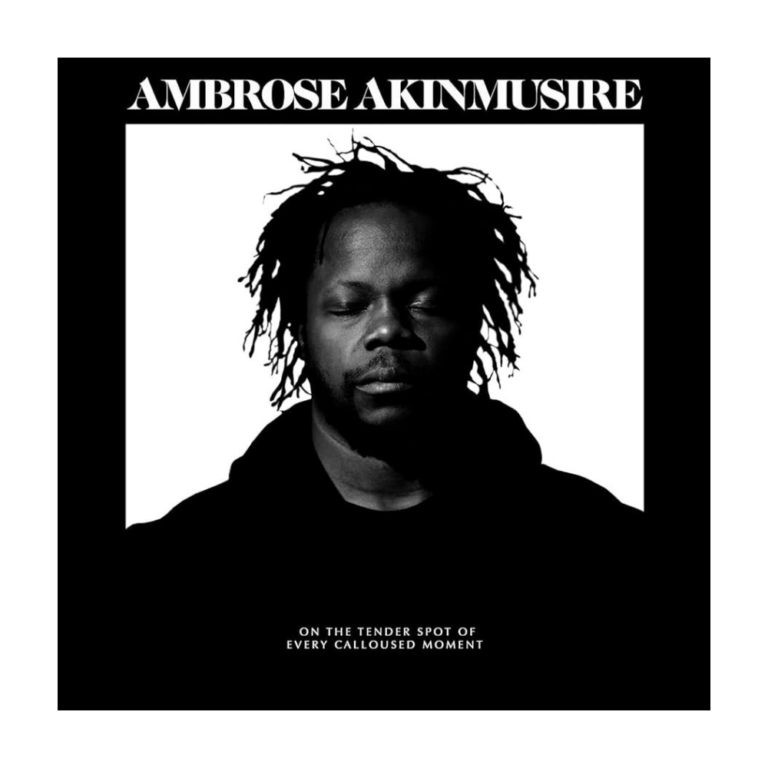
Ambrose Akinmusire On The Tender Spot Of Every Calloused Moment CD
Y’all Don’t (Really) Care About Black Women – Melanie Charles (Verve, 2021)
With “Y’all Don’t (Really) Care About Black Women”, Charles makes her intent abundantly clear, proudly standing on the shoulders of her female antecedents in Black music. In this feminist manifesto, the Brooklyn-born flautist and singer posits her thesis without apology, using each selection to build a multifaceted case for how Black women have long been discounted.
Drawing on works such as Marlena Shaw’s “Woman of the Ghetto”, Sarah Vaughan’s “Detour Ahead”, and Betty Carter’s “Jazz (Ain’t Nothing But Soul)”, Charles revels in the improvisational spirit of jazz while foregrounding its inherent soul – underscoring not only the contributions of Black women within the genre, but also the broader stakes of racial and gender equity.
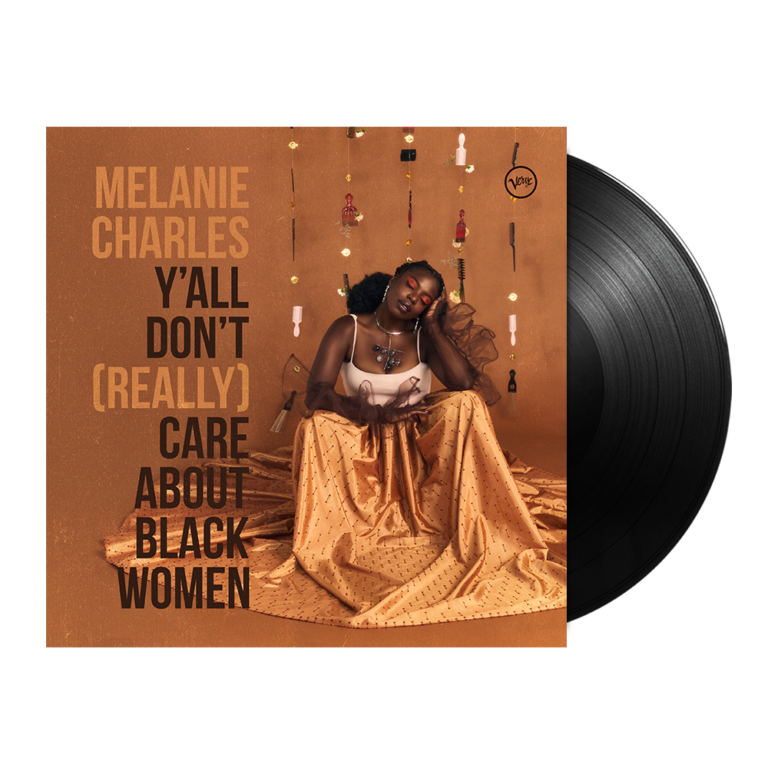
Melanie Charles Y’all Don’t (Really) Care About Black Women
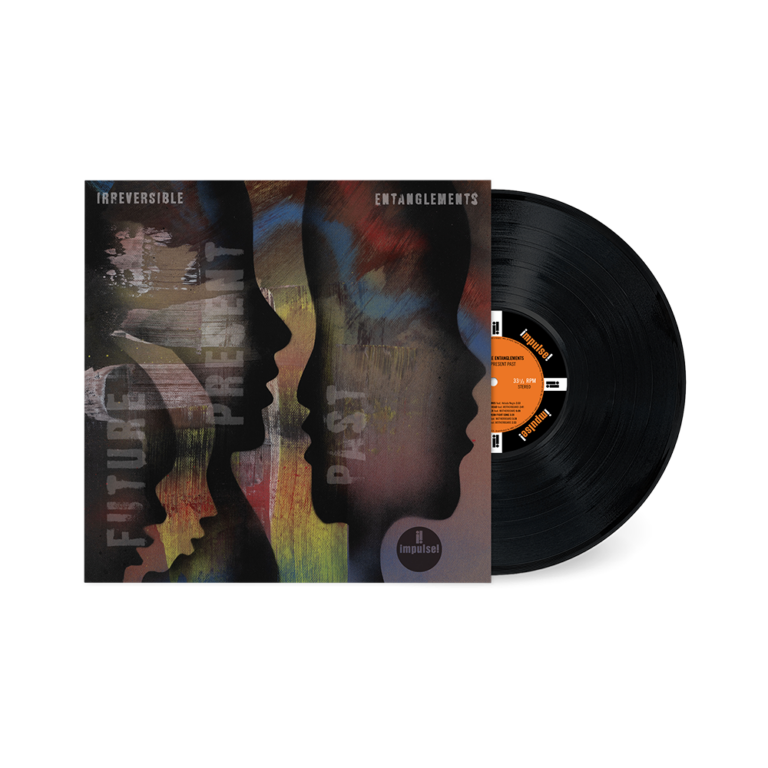
Future Present Past – Irreversible Entanglements, 2026
Anchored by poet and vocalist Moor Mother (Camae Ayewa), Irreversible Entanglements draws from the rich lineage of free jazz, where improvisation shapes both approach and message, and collective expression becomes central to the form.
With their aptly titled latest release, “Future Present Past”, protest returns to a sense of collective urgency and response. Irreversible Entanglements is a chorus in motion – the band’s interplay inseparable from its politics: listening, responding, building, disrupting. Protest here is not fixed but unfolding, shaped in real time by the conditions of the present moment.
READ ON…
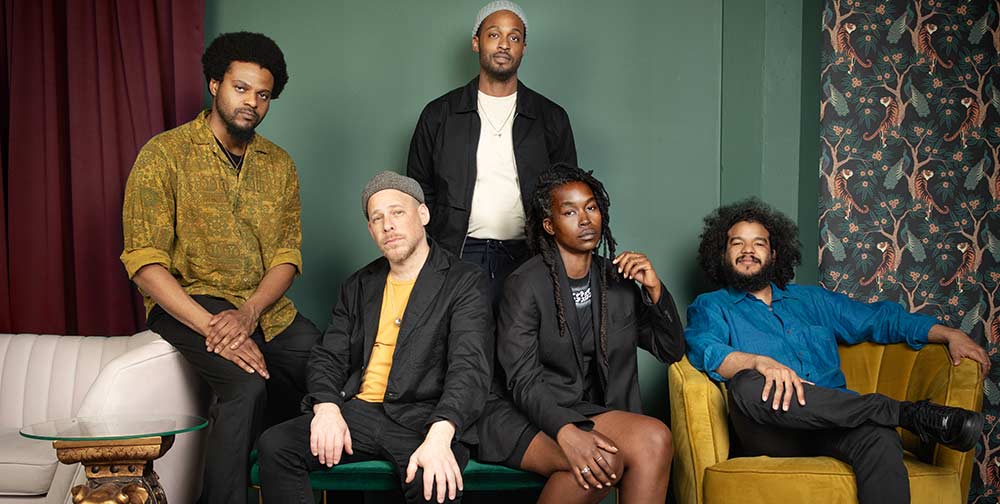
Irreversible Entanglements – Creating Statements of Magic
(Re)Discover Jazz – A Free Course
Shannon Ali (Shannon J. Effinger) is a freelance arts journalist and cultural critic. Her writing on jazz and music regularly appears in The New York Times, The Washington Post, The Guardian, NPR Music and Pitchfork, among others.
Header image: Lead Belly, National Press Club, Washington, D.C., between 1938 and 1948. Photo: William P. Gottlieb / Library of Congress.