
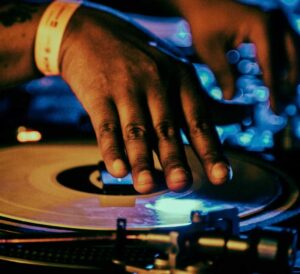
In 1973, a young DJ from New York City’s South Bronx named Kool Herc was the first to create a loop between two copies of the same record on his turntables at his sisters’ homecoming party. It’s fascinating to note that more than 50 years later, hip-hop music is still shaped by that technique at its very core.
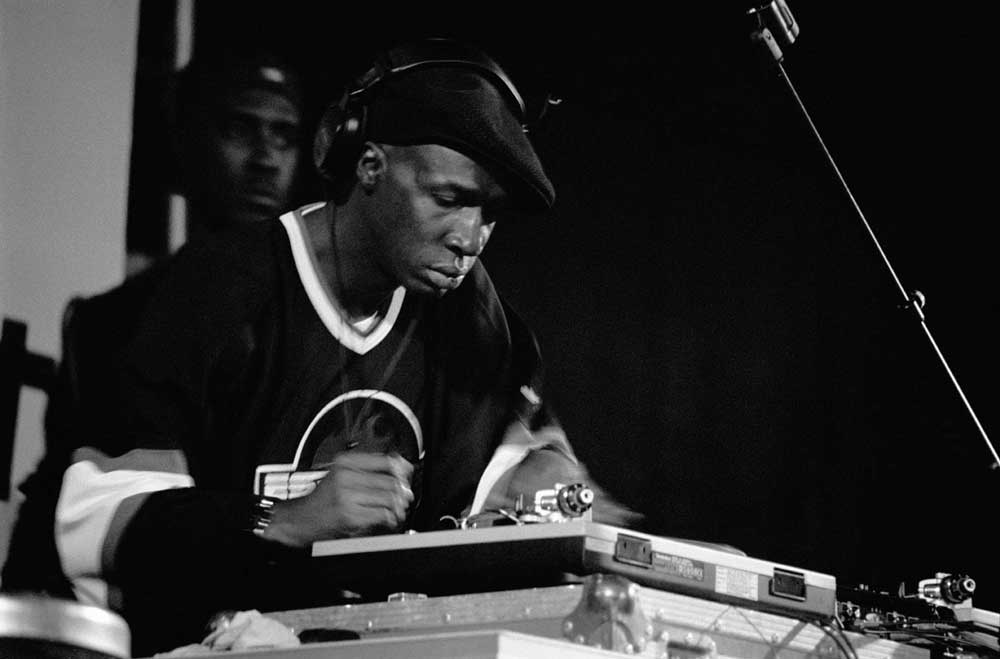
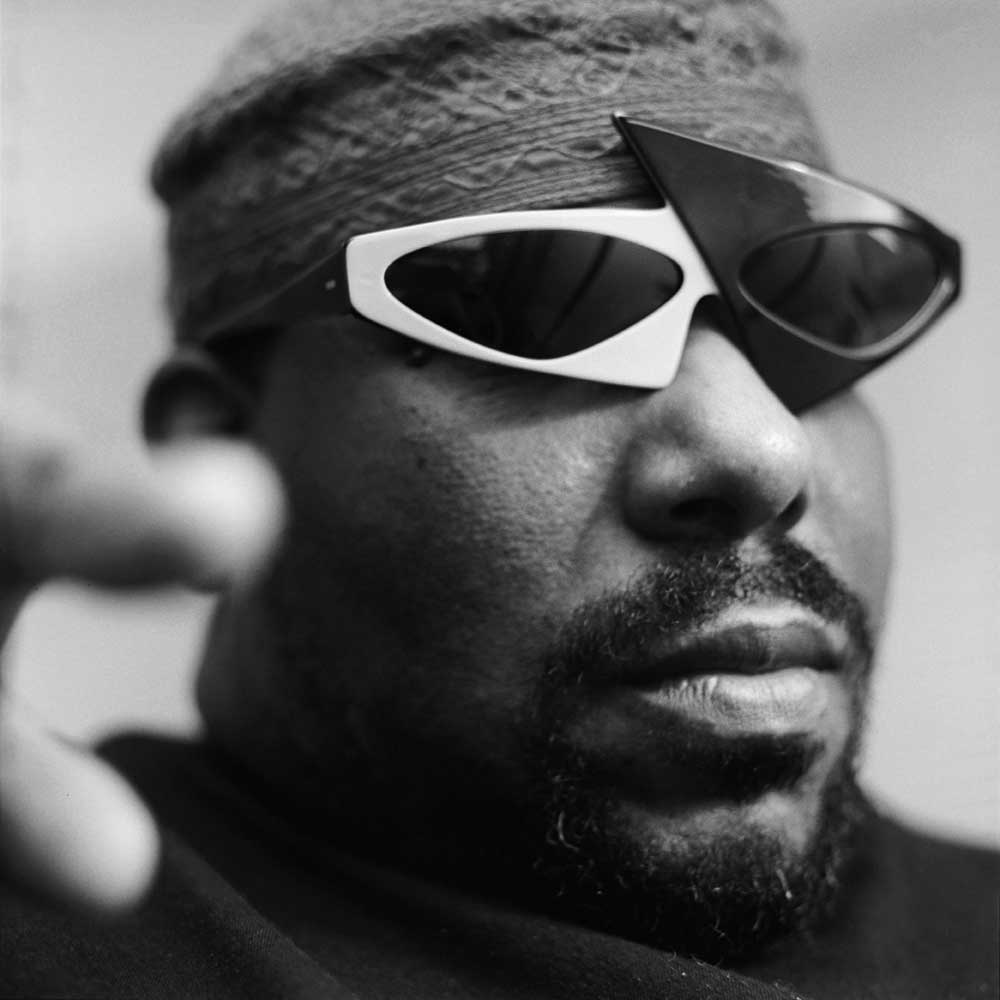
Hip-hop wasn’t just building on the past’s musical innovations through abstract influences. The spirit of older music was incorporated in the music by sampling and looping bits and pieces from actual recordings. When hip-hop producers started recreating the music they heard at the blockparties of their youth in the studio, they gravitated towards the record collections of their parents, specifically the tracks that had proven “breakbeats” – danceable and percussive, mostly instrumental parts that had been looped at park jams by early DJs like Herc, Grandmaster Flash and Afrika Bambaataa.
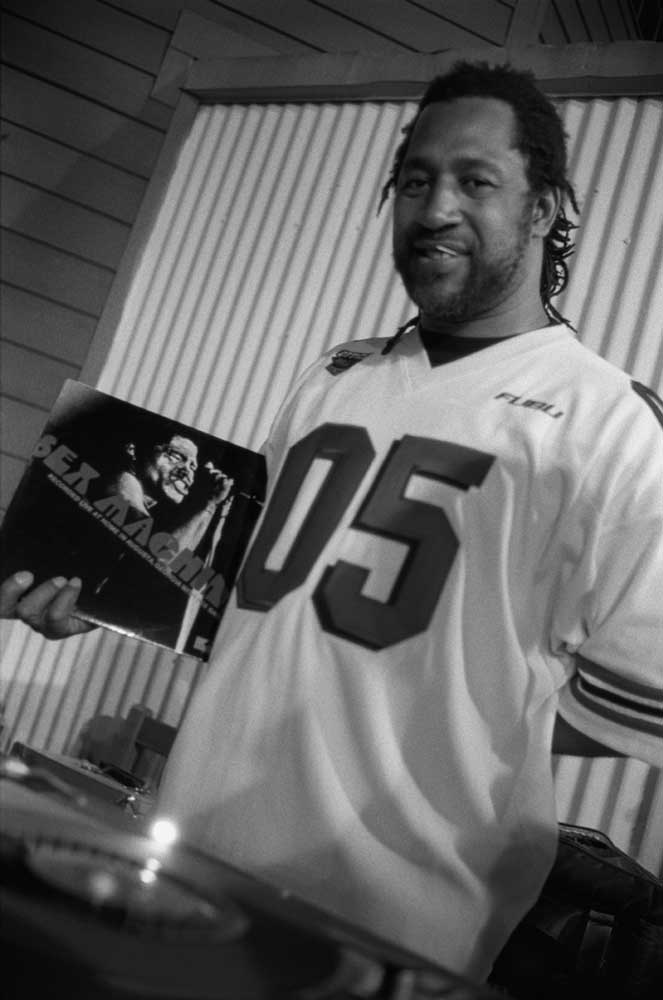
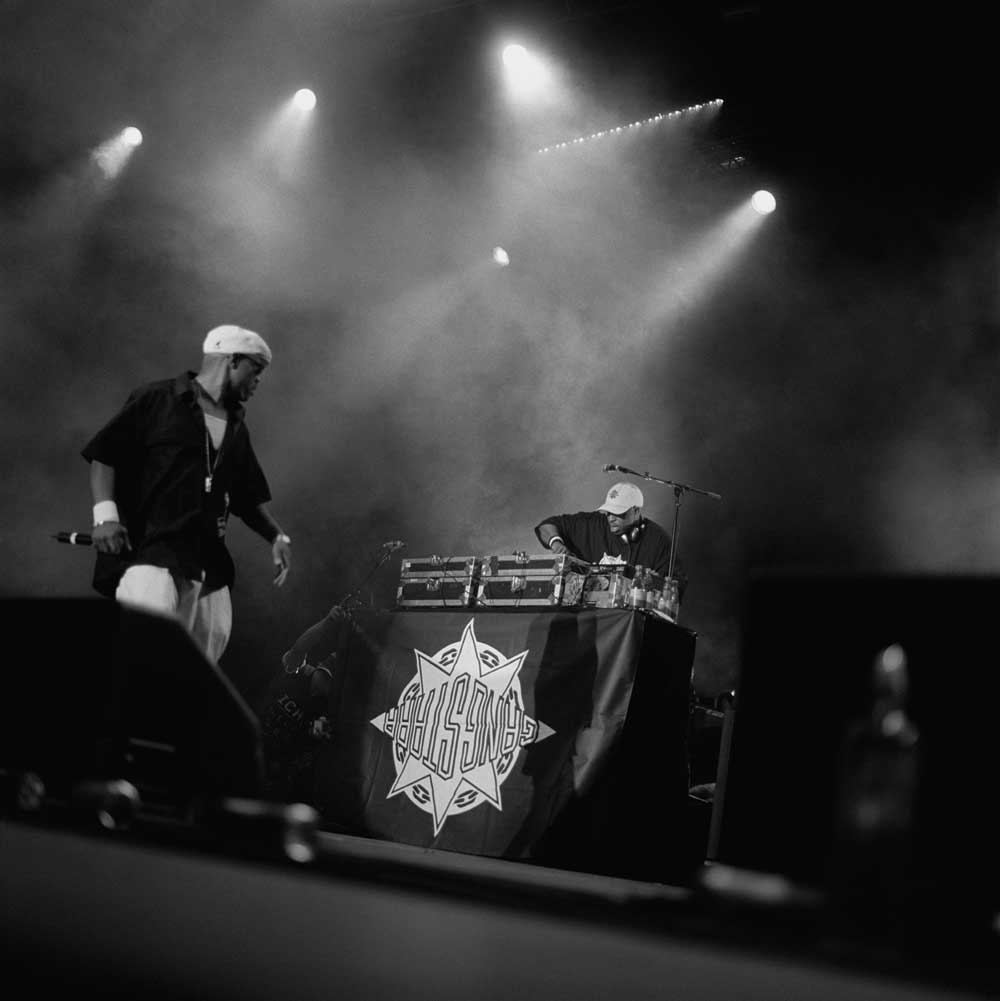
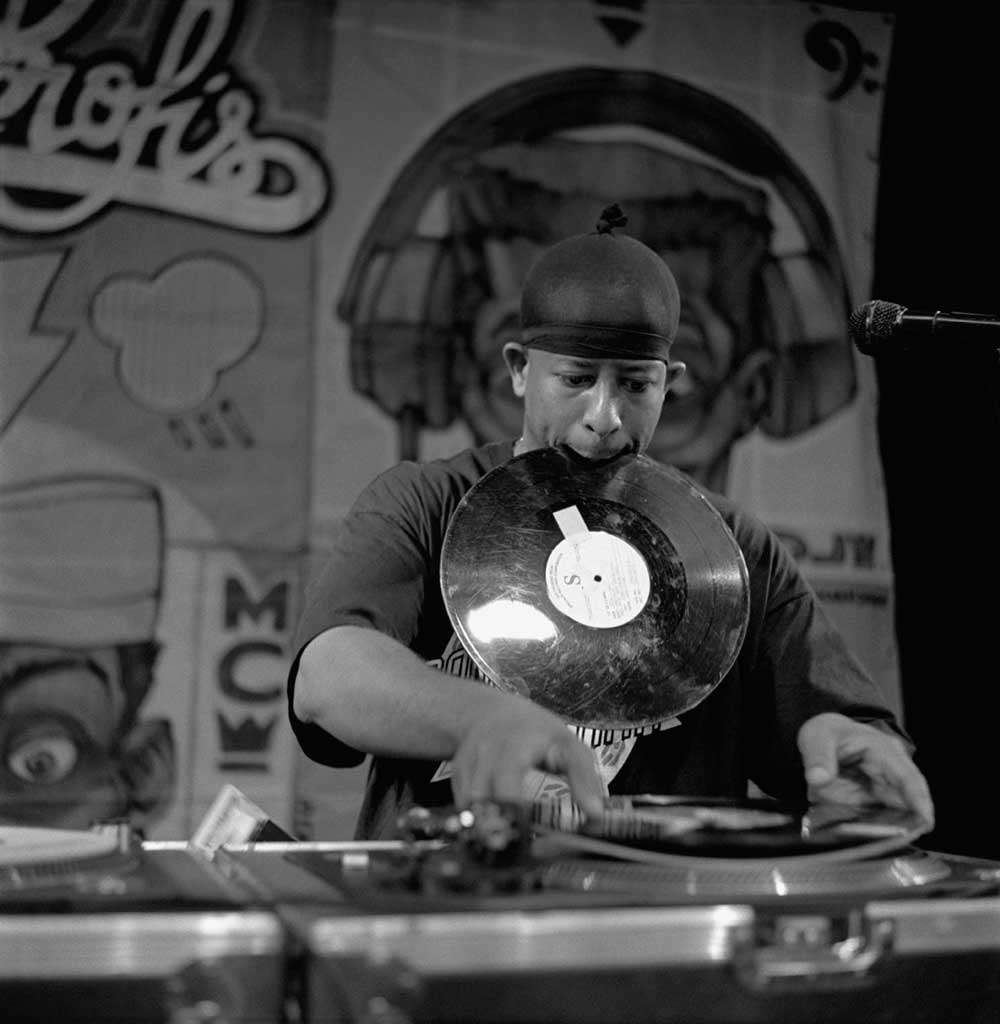
Gallery images by Mikael Väisänen. Click to enlarge.
The connection between jazz and hip-hop seems obvious with both being essentially African-American artforms, but it wasn’t until the late 1980s that jazz was referenced in rap music by artists such as Gang Starr, Stetsasonic and A Tribe Called Quest. The era of jazz rap in the early 1990s came to an end with the shift towards synthesizers in hip-hop production. But jazz influences remained engrained in certain parts of the culture – in J Dilla’s and Madlib’s productions throughout the 2000s, the indie rap revival of the 2010s, and even in lofi beats, a genre which originated in instrumental, sample-based hip-hop.
Ever since the rise of trap and drill music, mainstream hip-hop aesthetics have been revolving around menacing synths instead of organic, jazzy samples – artists like Kendrick Lamar and J Cole being exceptions not the rule. But sample-based rap remains a vital niche, and jazz is part of its DNA.
Looking specifically at breakbeats as in drum and bassline samples, we need to start with a disclaimer: Most iconic breaks used in hip-hop don’t come from jazz, but from funk, R&B, disco and soul – genres where the drummer kept a steady 4/4 beat. The looped parts (the actual breaks) were often drum solos, or what producers called “open” or “isolated”, meaning just pure drums without other instruments bleeding in, so that producers could even take individual snare or bassdrum hits and rearrange them to their liking.
One reason why digging through old jazz records wasn’t very productive in terms of finding breakbeats was that jazz drummers were often improvising freely, so they weren’t actually playing the straight backbeat, rather creating swing through heavy syncopation; even hard-bop and soul-jazz drummers, who were more prone to playing a straight metre, often accentuated the ride cymbals, which rarely sounded good in a hip-hop track.
That’s why you won’t find many hip-hop records with jazz drums, but you’ll find hundreds of songs using the same staple breaks by James Brown, The Meters, Incredible Bongo Band, Aretha Franklin or The Commodores. It’s a bit easier to find jazzy double-basslines in hip-hop – the great jazz bass player Ron Carter even played live on an actual hip-hop record, namely A Tribe Called Quest’s classic “The Low End Theory” (1991).
01 Lonnie Smith – “Spinning Wheel” (Blue Note, 1970)
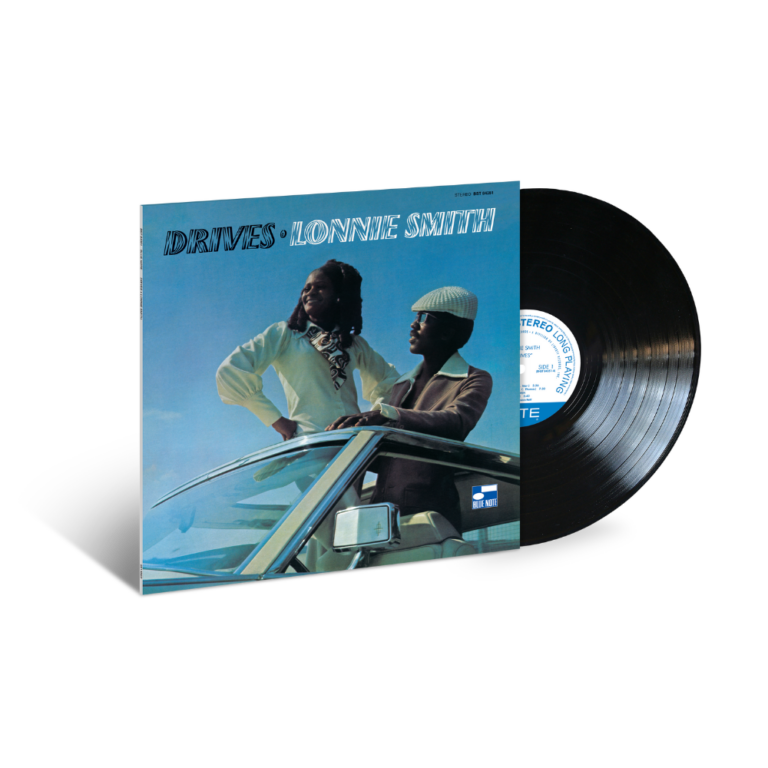
Dr. Lonnie Smith Drives LP (Blue Note Classic Vinyl Series)
This break truly weighs a ton. The drummer on this funky organ trio record, Joe Dukes, plays a bunch of grooves throughout the tune, which various hip-hop producers have chopped up into oblivion. Most notably, Q-Tip of A Tribe Called Quest used the break at the 0:57 minute and the open drums from the 4:57 minute for “Can I Kick It?”, a successful single off his group’s 1990 debut album “People’s Instinctive Travels and the Paths of Rhythm”. The original tune was recorded for the album “Drives” by the legendary Rudy van Gelder in his Englewood Cliffs studio – that’s why it still sounds immaculate.
02 Roy Ayers Ubiquity – “We Live In Brooklyn, Baby” (Verve, 1972)
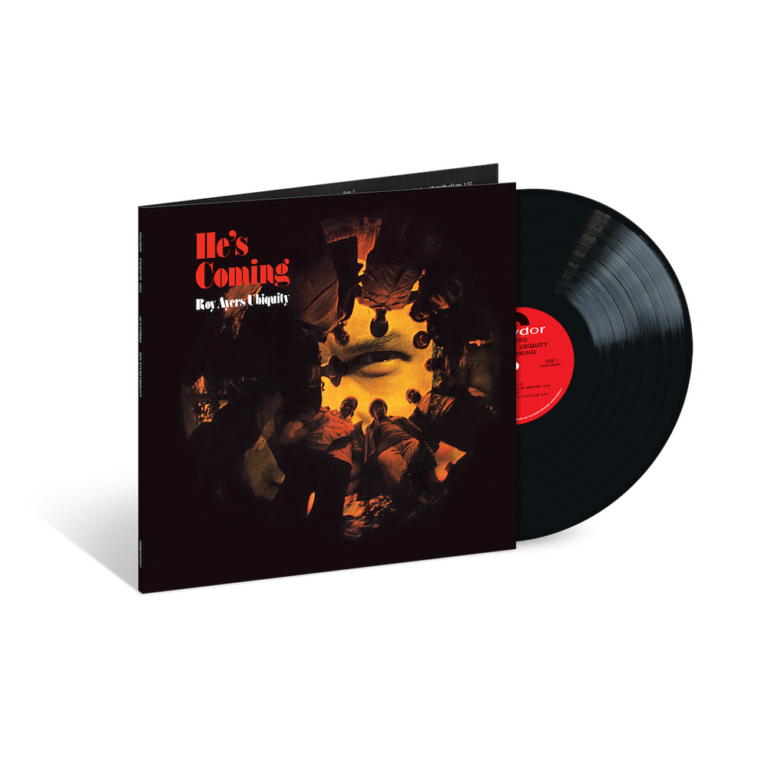
This one’s absolutely iconic too, and every hip-hop head will recognise it from the very beginning as the source for so many legendary songs – Kendrick Lamar’s “Good Kid” (2012), Mos Def’s “Brooklyn” (1999), Digable Planets’ “Borough Check” (1994), Black Moon’s “Reality” (1994), Smif-N-Wessun’s “Home Sweet Home” (1995) and a bunch of others. It’s part of one of the late vibraphonist Roy Ayers’ best and most successful albums, “He’s Coming”, which masterfully blends jazz improvisation with funk rhythms and evocative spoken-word vocals. A record every hip-hop and jazz fan needs in their collection.
03 Lou Donaldson – “Ode to Billie Joe” (Blue Note, 1967)
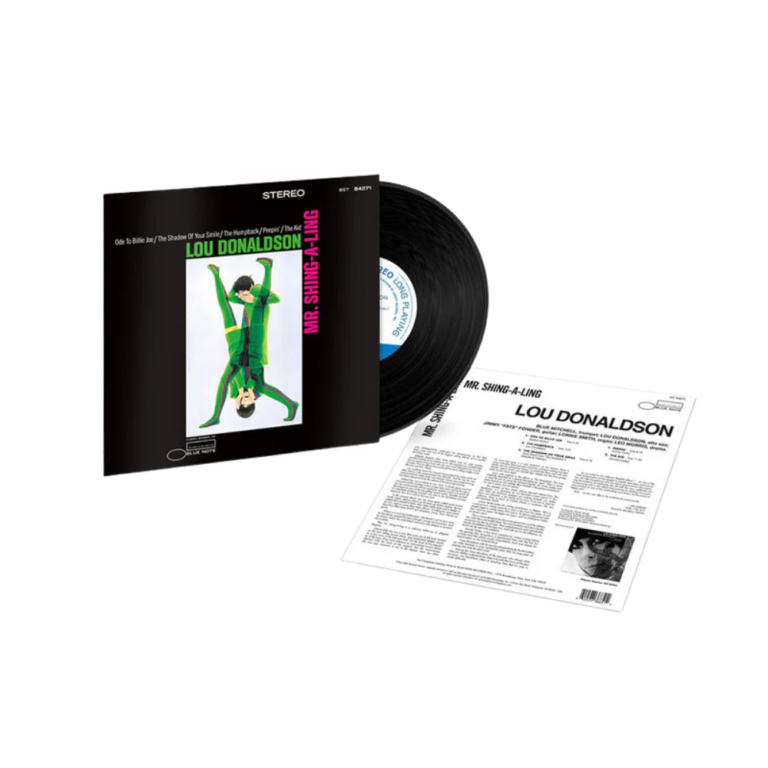
Lou Donaldson Mr. Shing-A-Ling (Blue Note Tone Poet Series) 1LP
This starts with one of the most well-known open breakbeats of all time, included in many compilations aimed at DJs and producers. Many will recognise it as the main drum sample in Kanye West’s 2004 smash “Jesus Walks” and A$AP Rocky’s “L$D” (2015). It was also used in tracks by A Tribe Called Quest, Eminem, Lauryn Hill, Jeru The Damaja, Drake and Cypress Hill. As said in the introduction, there aren’t even many instantly recognisable drumbreaks lifted from jazz records, but Lou Donaldson’s brilliant “Mr. Shing-A-Ling” definitely made its way into the crates of all hip-hop sample wizards out there. The album also contains “Pot Belly”, prominently used in Compton’s Most Wanted’s killer album cut “Driveby Miss Daisy”.
04 Donald Byrd – “(Fallin’ Like) Dominoes” (Blue Note, 1975)
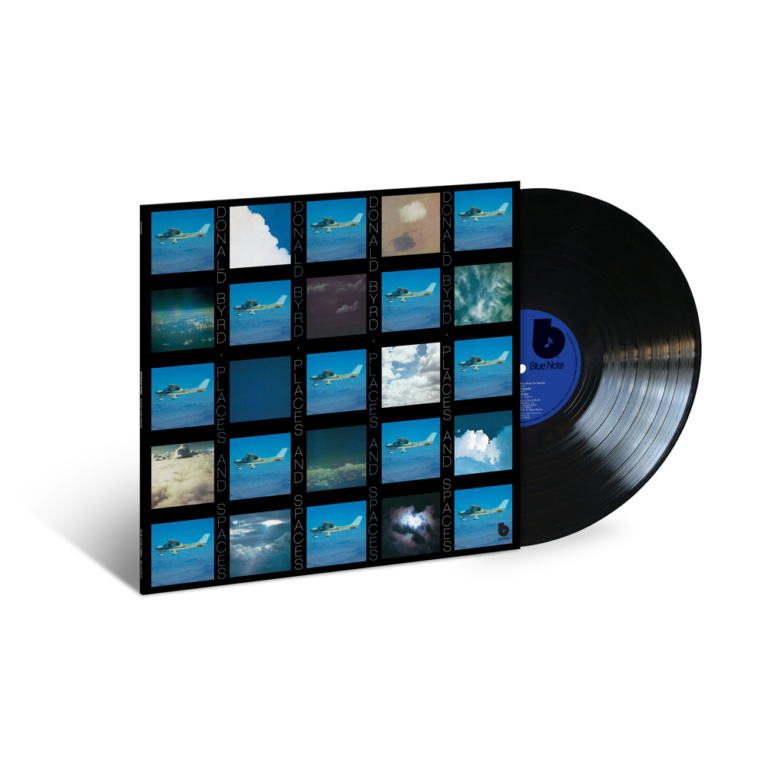
Donald Byrd Places and Spaces LP (Blue Note Classic Vinyl Series)
Right at the start of this song, you will hear another iconic break, sampled in tracks by Stetsasonic, DJ Jazzy Jeff & The Fresh Prince, KRS-One, Snoop Dogg, Tony Touch and a bunch of other artists; “Dominoes” is also the perfect soundtrack to the post-intro sequence in the 2021 skate video by the Supreme brand, “Stallion”. Crispy jazz-funk production by the Mizell Brothers and a locked-in rhythm section of Harvey Mason and Chuck Rainey make the whole “Places and Spaces” album a pleasurable listen for ears that were brought up on classic 1990s hip-hop vibes.
READ ON…
Robert Glasper and Madlib: The Rebirth of Slick
A Guide to Dancefloor Jazz
Stephan Kunze is a music and culture writer and book author based in Berlin. He publishes zensounds, a newsletter on ambient and experimental music.
Header image: Caio Rosendo.