At the end of the 1950s, Miles Davis fired John Coltrane from his band.
Apparently, the brilliant saxophonist’s addiction to heroin and alcohol was getting out of hand. His playing was superb, but he wasn’t as consistent and reliable as Miles needed him to be. Following his recordings with Miles’ band, you could hear Trane’s huge stylistic leaps in real time. By 1958, when Coltrane released “Blue Train” – his only Blue Note date as a leader – his sound on the tenor was already unmistakable.
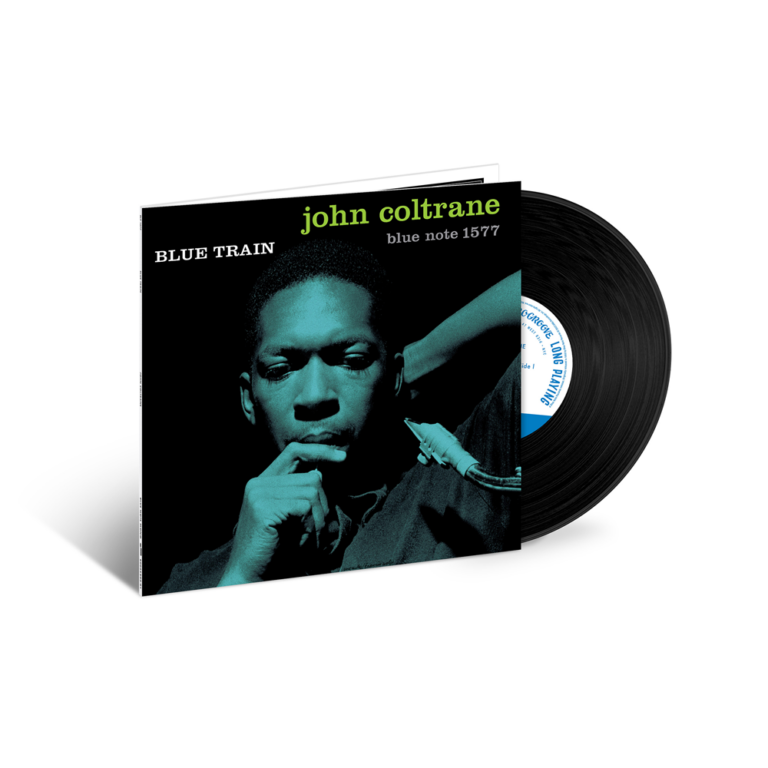
John Coltrane Blue Train (Blue Note Tone Poet Series)
Coltrane broke through commercially with the 1959 album “Giant Steps” and his contributions to Miles’ “Kind of Blue”. Both Trane and Miles were leaving the rigid framework of hard bop behind and moving into freer modal territory – a radical change for the jazz mainstream.
While serious jazz listeners instantly recognised Coltrane by the first note, they couldn’t quite describe his style with a punchy adjective. Jazz had other outstanding tenor players, but Coltrane just played like Coltrane. Helpless attributions like “transcendental” or “spiritual” still don’t do his tone justice.
Trane had wanted to start his own band, but he couldn’t seem to find the right musicians. Unlike Miles, who was feared as a bossy, dictatorial leader, he didn’t want to have to claim hierarchy. He wasn’t looking for accompanying musicians, but for inspired artists who brought new ideas to the table – players who could follow him into uncharted territory.
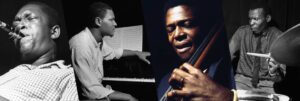
After going through a plethora of drummers and pianists, he finally settled on Elvin Jones and McCoy Tyner in the autumn of 1960. He’d been wanting to work with them for some time, but they’d both still been under contractual obligations. It would take another year until Jimmy Garrison joined the band – in the meantime, Steve Davis and Reggie Workman filled the spot.
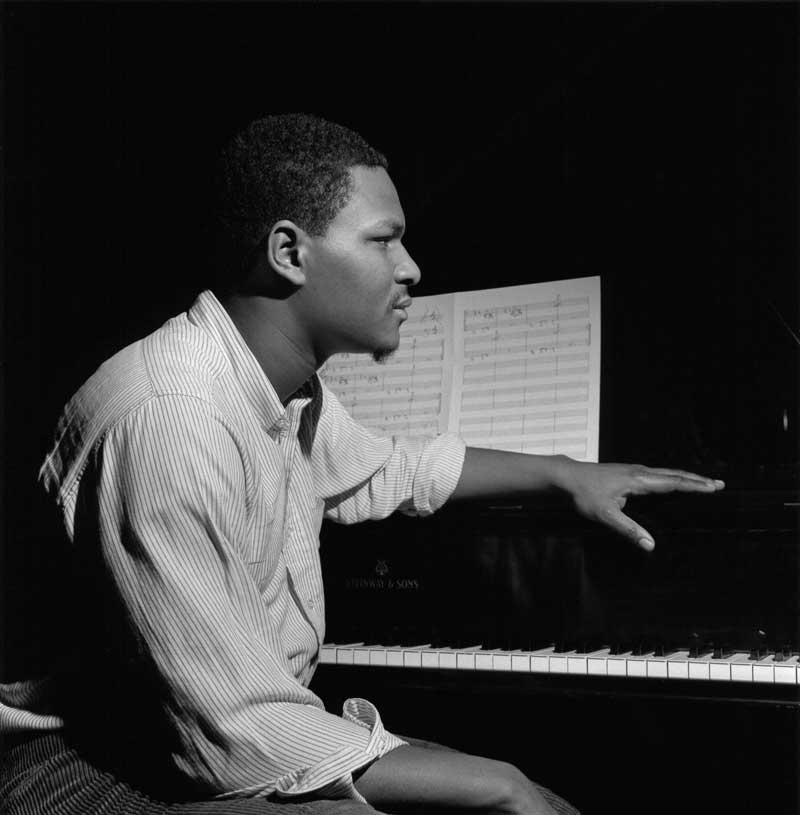
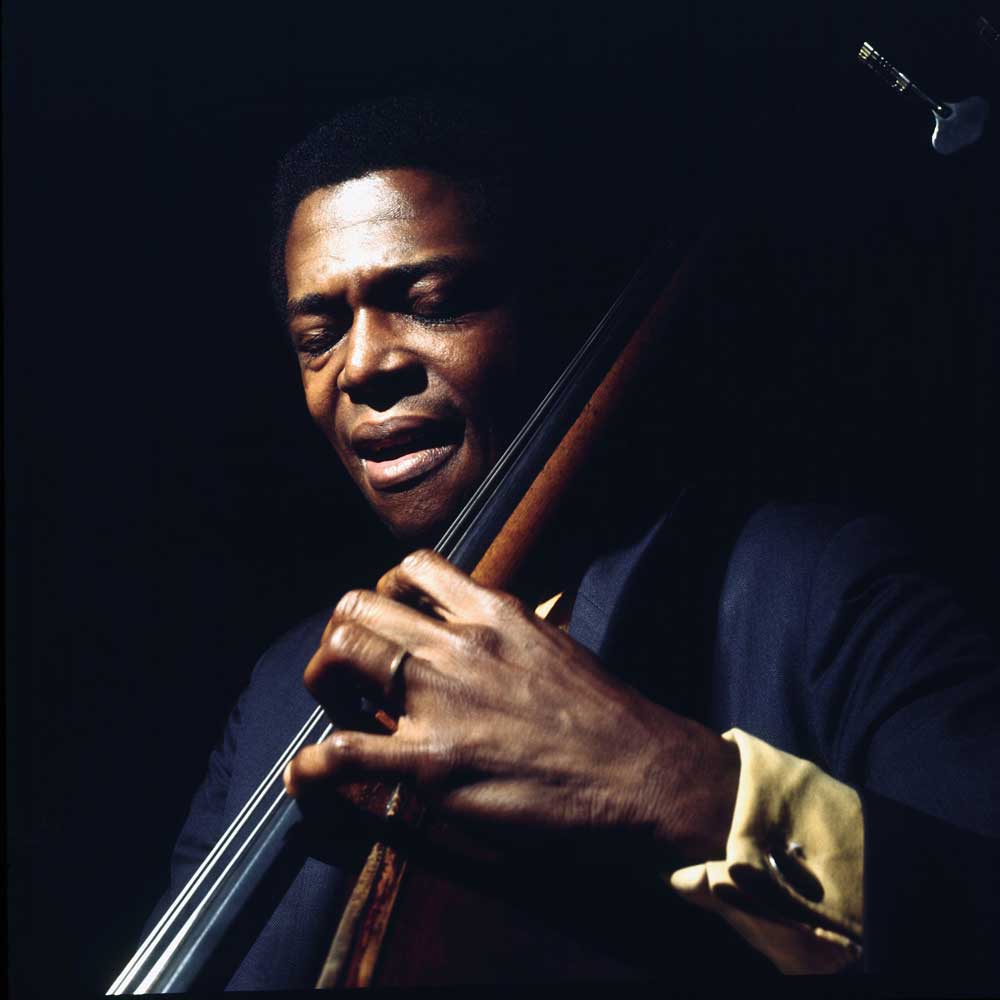
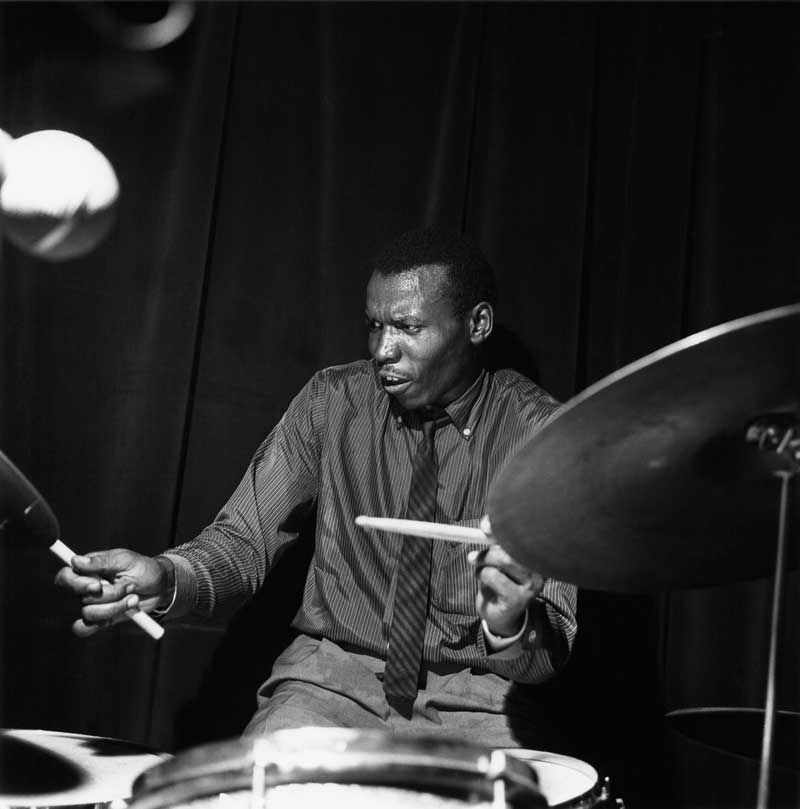
Photos: Francis Wolff / Blue Note Records.
The Quartet is Assembled
In 1962, the Classic Quartet recorded “Coltrane” for Impulse! – the first album in this constellation, it was a beautiful, if rather tame session focused on standards.
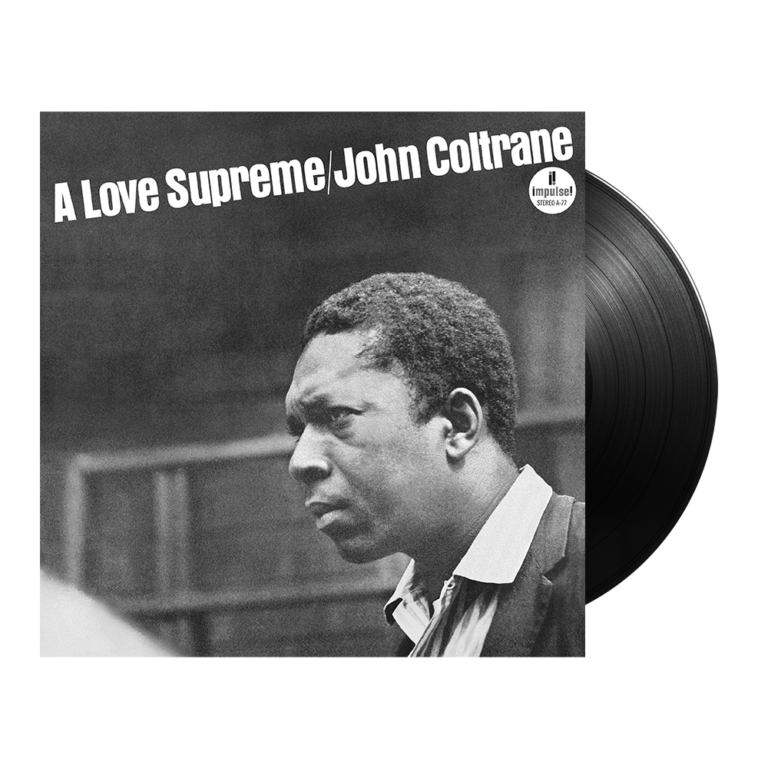
Key recordings of the following years included the vocal LP “John Coltrane and Johnny Hartman” (1963); “Crescent” and “A Love Supreme” (both 1964), and “The John Coltrane Quartet Plays” (1965). More sessions happened in that period, but weren’t released at the time.
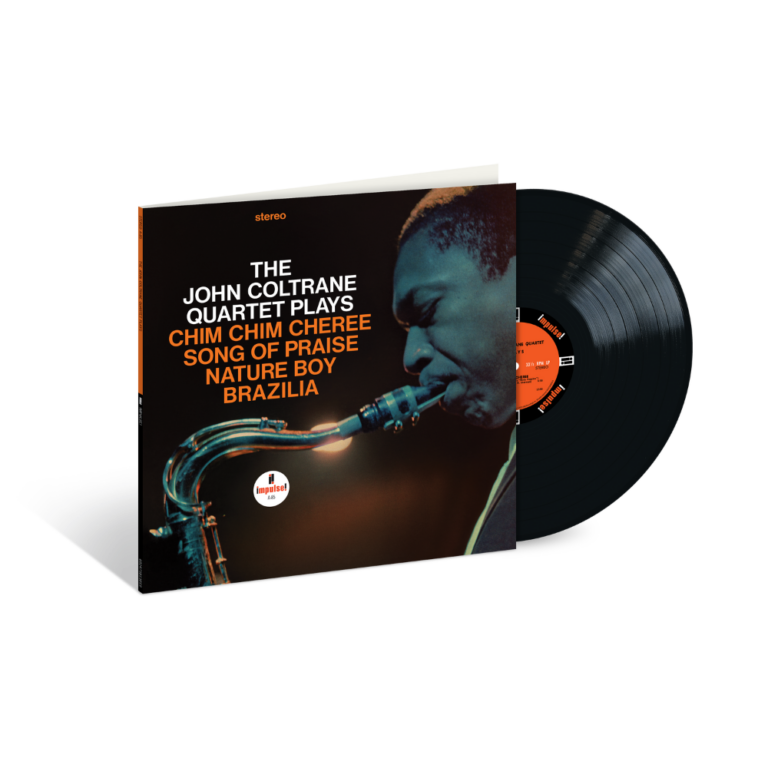
John Coltrane The John Coltrane Quartet Plays (Verve Acoustic Sounds Series) 1LP
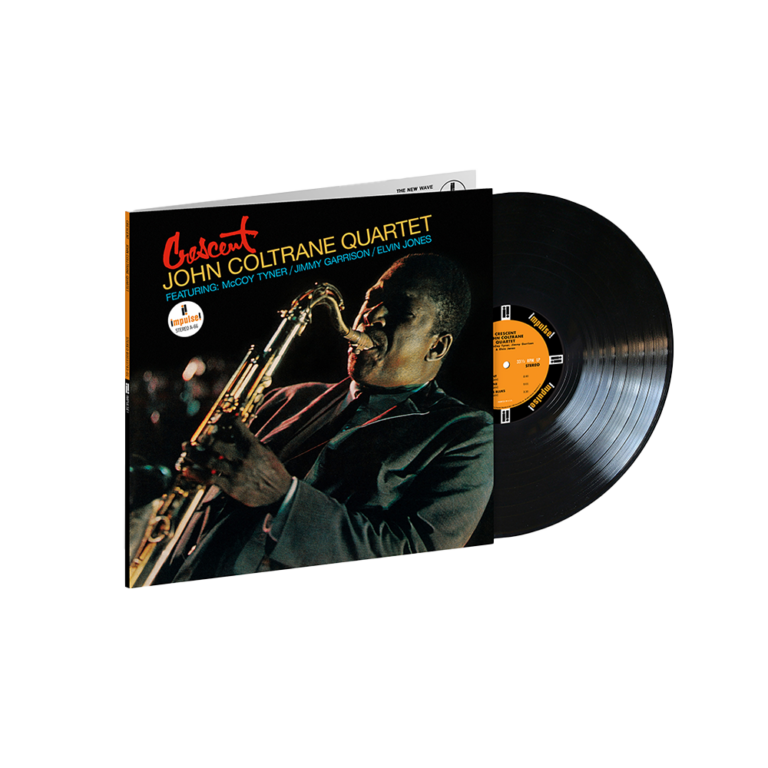
When the Quartet first came together, Coltrane and Jones were in their early 30s and in their absolute prime. Garrison was a few years younger, Tyner barely old enough to legally work in clubs. Already fully formed as a pianist, the level of energy and proficiency in this new environment spurred Tyner on to peak performance, leading to some of the most technically brilliant piano solos in jazz history.
A Meeting of Personalities
The four musicians couldn’t have been more different in character. While Coltrane was introverted, sensitive and quiet, Tyner was young and ambitious, wanting to prove himself constantly. Garrison was a sociable showman and bon vivant, and Jones was the wild card. Like Coltrane in the late 1950s, he was fighting his inner demons. One time he crashed his boss’s car while driving under the influence. Trane’s reaction wasn’t to fire him; instead he just said: “I can get another car, but not another Elvin Jones.”
In the Quartet years, Tyner and Jones revolutionised their respective craft. You couldn’t imagine a more exciting combination to play this kind of music, which is usually described with the term post-bop today. It’s also simply impossible to replicate. Anyone who’d step up now and try to play like them will be seen as a copycat – and definitely won’t hold up to the comparison.
The underrated factor is Garrison. Though providing a solid foundation to Coltrane’s and Tyner’s high-flying antics, he wasn’t limiting himself to that role. To get a grasp of his actual contributions, you need to listen to the live recordings.
Take “Afro Blue” on “Live at Birdland” (Impulse!, 1964): Garrison doesn’t just play straight 4/4 but adds accents with his eighth notes pretty much the whole time. If Ron Carter – as great and innovative as he was – had done that on a Miles recording, he’d have been kicked out of the band. It’s just not the steady foundation you’d typically expect from a bassist at the time, the so-called “money notes” you’d play to get booked again.
The moment Garrison truly immortalised himself is, of course, that simple but massive opening line on “A Love Supreme”. Today’s bassists tend to play that theme all the way through, but in the original version, Garrison just plays it a couple of times and then takes off, inspired by Coltrane’s reassuring presence. He seems to be able to play most freely while his leader is playing: during Tyner’s solos, he’d settle into providing more of a solid backbone.
Last but not least, the timing: Garrison tends to be slightly ahead of the beat, while Jones lags slightly behind. That push-and-pull itself makes for a truly exciting combination. It’s not unique to the Coltrane Quartet, but it makes the music sound vibrant, like it’s on the edge of falling apart at all times.
The New Thing
The Quartet broke up when Tyner left the band in November 1965. By that time, his mentor was openly embracing the “New Thing” from New York’s free jazz underground. Even though he was the youngest in the group, Tyner wanted to stick to playing post-bop and modal jazz; he would form his own band and release a series of brilliant albums on Blue Note, starting with the classic “The Real McCoy”.
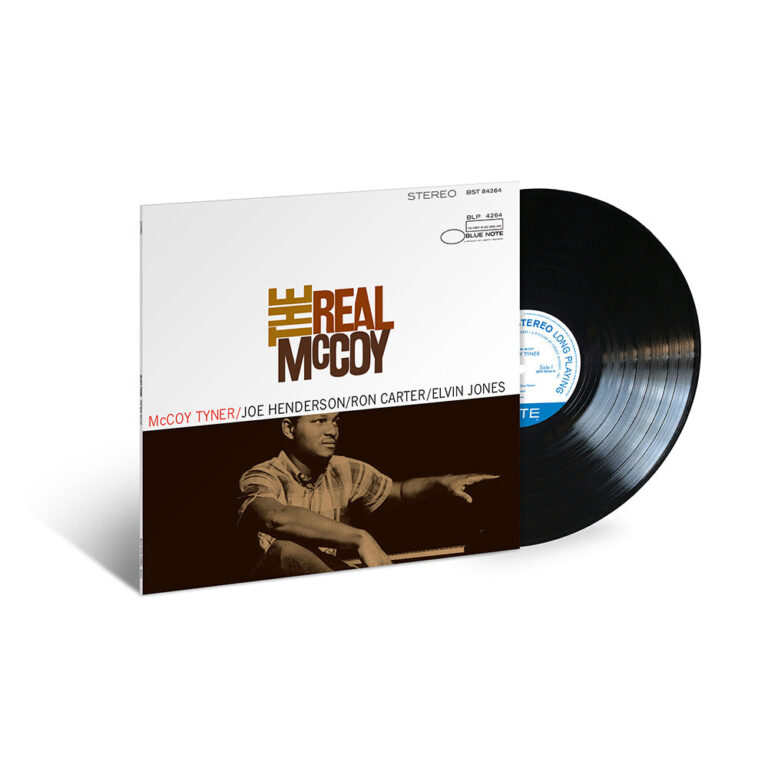
McCoy Tyner The Real McCoy LP (Blue Note Classic Vinyl Edition)
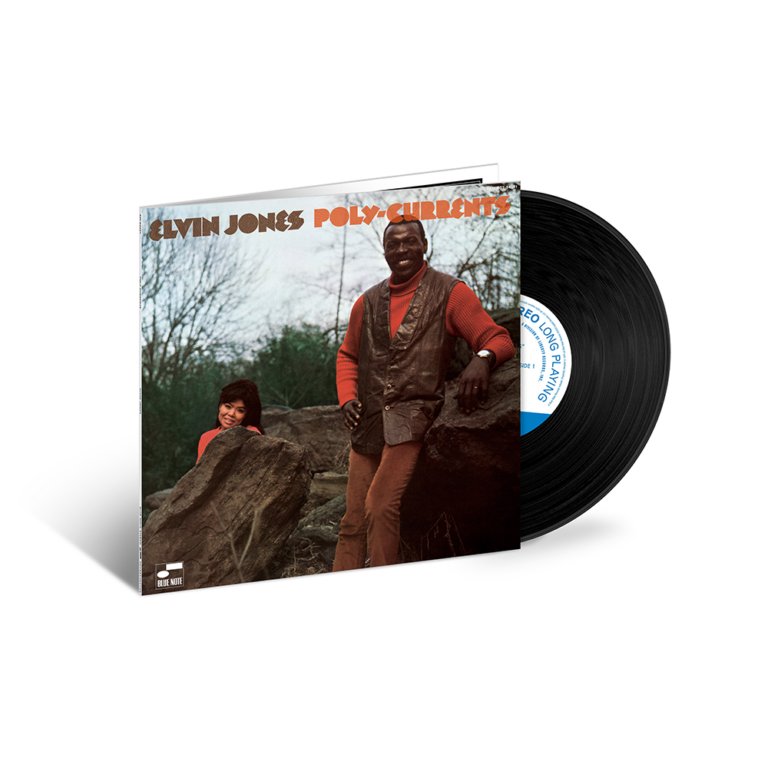
Elvin Jones Poly-Currents LP (Blue Note Tone Poet Series)
Jones left a few months after Tyner, in March 1966; this was after the “Ascension” and “Meditations” recordings. “I didn’t want to leave Coltrane, but the personnel had changed” he told The New Yorker in 1968, after Trane’s death. “He added another drummer [Rashied Ali] and I couldn’t hear what I was doing any longer. There was too much going on, and it was getting ridiculous as far as I was concerned.”
Jimmy Garrison stayed on Coltrane’s side until the very end. He wasn’t afraid of the path that Coltrane had taken – after all, he’d played free music with Ornette Coleman’s group even before he joined the Quartet. Garrison played on the 1967 albums “Kulu Se Mama” and “Expression”, when Jones had been replaced by Ali and Tyner by Coltrane’s wife, Alice. In April 1967, that group played its last concerts together. Coltrane passed away in the July.
READ ON…
The Message in the Music of Impulse! Records
John Coltrane – Ballads
Stephan Kunze is a music and culture writer and book author based in Berlin. He publishes zensounds, a newsletter on ambient and experimental music.