So what exactly is chamber jazz? The big hint is in the name with this quieter type of jazz having certain qualities of chamber music performed during the renaissance era when classical composers wrote music for smaller ensembles that aristocrats could invite into their own rooms or ‘chambers’.
The emphasis on studious composition and intricate small group interplay rather than ensemble improvisation would set chamber jazz apart from Bebop and its descendants like free jazz, post bop and big band jazz. But that’s not to say that the quieter acoustic music found in chamber jazz doesn’t go down experimental, sometimes avant-garde, avenues.
So, where did chamber jazz begin? While jazz was born from the blues and gospel its musicians have long been drawn to classical and orchestral music.
As far back as the 1930s Duke Ellington and Billy Strayhorn were seeking inspiration from composers like Debussy and Ravel, but it was Benny Goodman who became the first real pioneer of chamber jazz with his small group recordings of the ’30s.
In an era when big dance bands like those of Goodman dominated, his paired back Trio, with Teddy Wilson on piano, Gene Krupa on drums and Benny on clarinet, made huge hit records with a small ensemble for the first time. Music for listening rather than dancing, the so called chamber jazz that emerged mixed complex ensemble interplay with technically brilliant solos.
By the 1940s industry publications like Billboard magazine were using the term “chamber jazz” for performances by small groups with a certain calmness in the music like those of the Goodman Trio and Fletcher Henderson’s bassist John Kirby’s sextet.
In the mid 1950s, pianist Ahmad Jamal released “Chamber Music of the New Jazz” with his trio for the Argo label, the first time the title had been used on a record. Drummer Chico Hamilton also launched a chamber quintet on the West Coast, with reeds player Buddy Collette, bassist Carson Smith, guitarist Jim Hall, and cellist Fred Katz.
But it was really another group from the mid ‘50s, Modern Jazz Quartet who came to epitomise the cool sophistication of chamber jazz through the elegant compositions and playing of pianist John Lewis and vibes man Milt Jackson. By 1960 they were exploring beyond the coolness of chamber jazz into its more avant-garde cousin Third Stream, a term coined by composer Gunther Schuller in 1957 (check MJQ’s 1960 album “Third Stream Music” next to “Django” from 1956).
In the ‘60s, chamber jazz also became a vehicle for post bop experimentation through records like Ron Carter’s debut album “Where?” featuring Carter on double bass and cello with Eric Dolphy on reeds and Mal Waldron on piano.
However, for most people chamber jazz is most closely identified with the European musicians on Germany’s ECM label whose pastoral soundscapes have the calm restraint of classical recordings, even when the music is challenging. And there lies the beauty of the quiet innovations of chamber jazz that continues to inspire jazz musicians today.
Tord Gustavsen: Opening
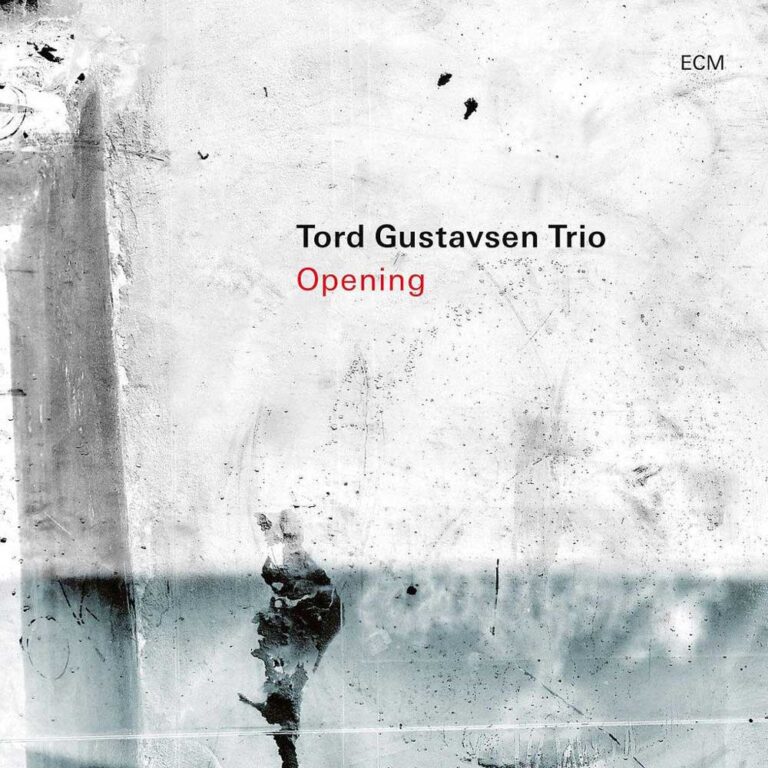
Tord Gustavsen Trio Opening LP
Available to purchase from our US store.As Andy Beta explains in our guide to ECM a line from an early review read “the most beautiful sound next to silence”. It has been within the experimentation around the quieter side of ECM that some of the most innovative chamber jazz has been created. One of the many Scandinavian albums that continues to uphold the tradition at the label is by pianist Tord Gustavsen who fused folk hymns, gospel, chorale, and jazz into something utterly beguiling.
Chico Hamilton: Chico Hamilton Quintet
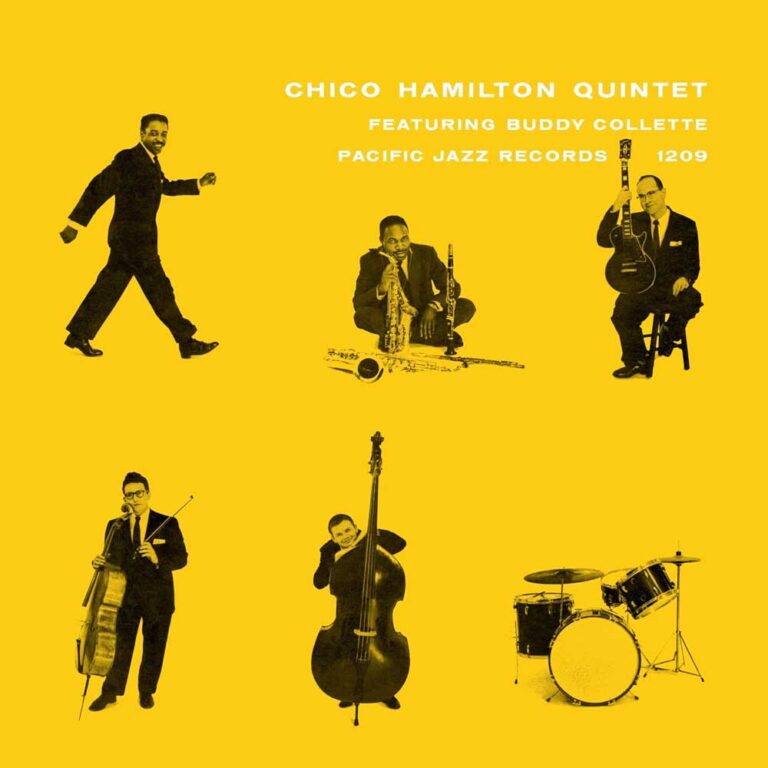
CHICO HAMILTON Chico Hamilton Quintet (Blue Note Tone Poet Series)
Available to purchase from our US store.A milestone in West Coast chamber jazz, this 1955 Pacific Jazz date captured drummer Chico Hamilton’s quintet in quiet flight, featuring Buddy Collette on woodwinds, Jim Hall on guitar, Fred Katz on cello, and Carson Smith on bass. The ensemble created a singular sound with its intricate arrangements and unique instrumentation. From the quietude of “The Sage” to the fire of “Free Form” it was a pre-cursor to the different avenues chamber jazz would take.
Anouar Brahem: After the Last Sky
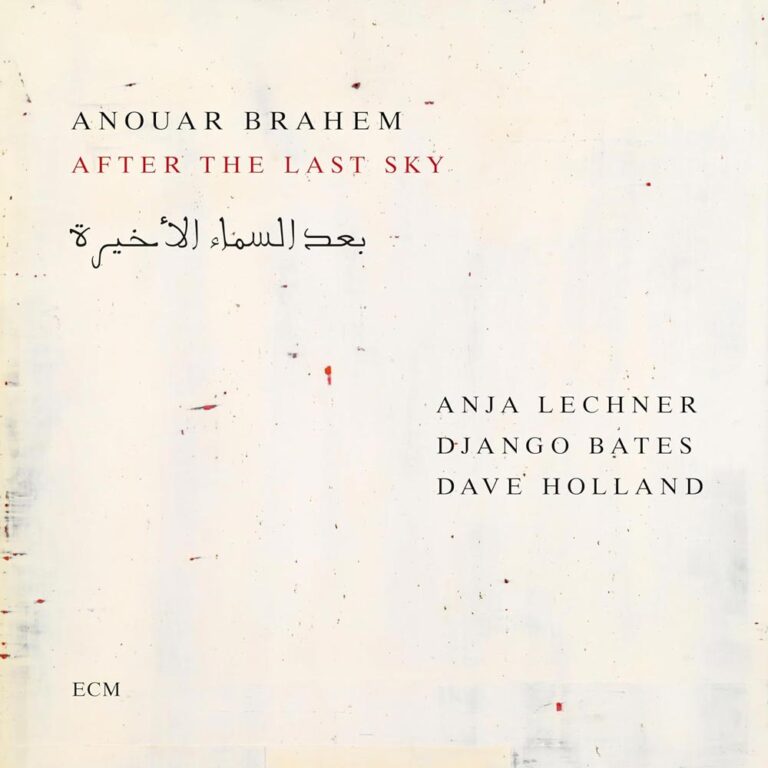
ANOUAR BRAHEM After The Last Sky
Available to purchase from our US store.“Graceful chamber pieces [that] subtly address the metaphysical question and its broad resonances in a troubled time,” reads the press blurb for Tunisian oud master Anouar Brahem’s 12th album for ECM since 1991. A haunting amalgam of Arab classical with folk and jazz it featured his regular collaborators bassist Dave Holland and pianist Django Bates along with cellist Anja Lechner.
Bill Evans Trio: Waltz for Debby
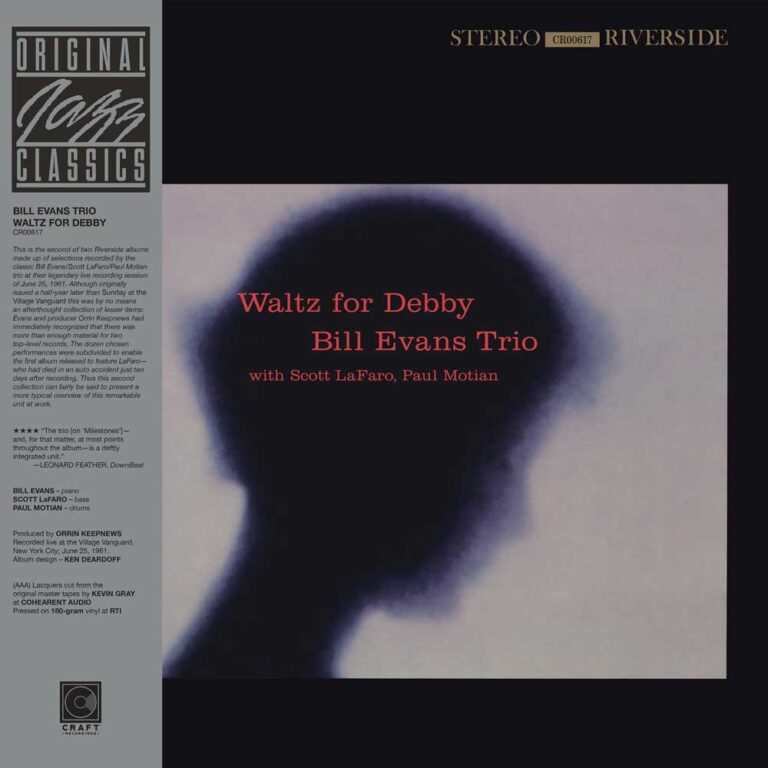
BILL EVANS Waltz for Debby
Available to purchase from our US store.While primarily regarded as a cool jazz or post bop album, the intimate, delicate, and highly interactive playing of Bill Evans Trio (Evans on piano, Scott LaFaro on bass, Paul Motian on drums) on numbers like “Waltz for Debby” and “Detour Ahead” very much aligns it to chamber jazz. Recorded on June 25, 1961 on the same night as the equally essential Riverside album “Sunday at the Village Vanguard”.
Bill Frisell: In My Dreams
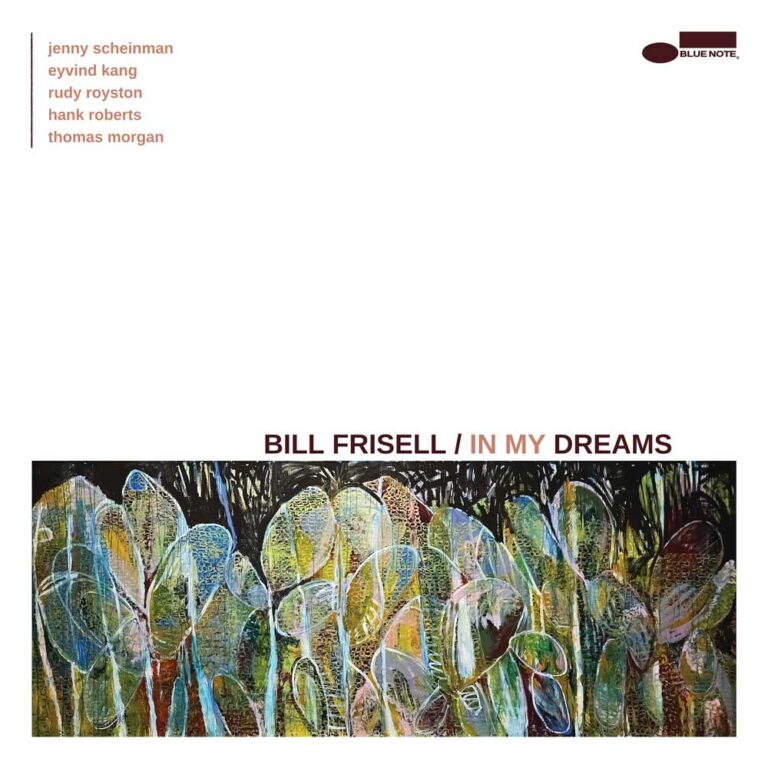
BILL FRISELL / In My Dreams
Available to purchase from our US store.Possibly the most prolific of all classically orientated jazz musicians, Bill Frisell often brings players together in a creative chamber-jazz environment. Working intuitively with a sextet of regular collaborators (Jenny Scheinman, violin; Eyvind Kang, viola; Hank Roberts, cello; Thomas Morgan, bass; Rudy Royston, drums) in his 75th year Frisell has created one of his most atmospheric and beguiling records yet. The power of quietness in a world in turmoil.
READ ON…
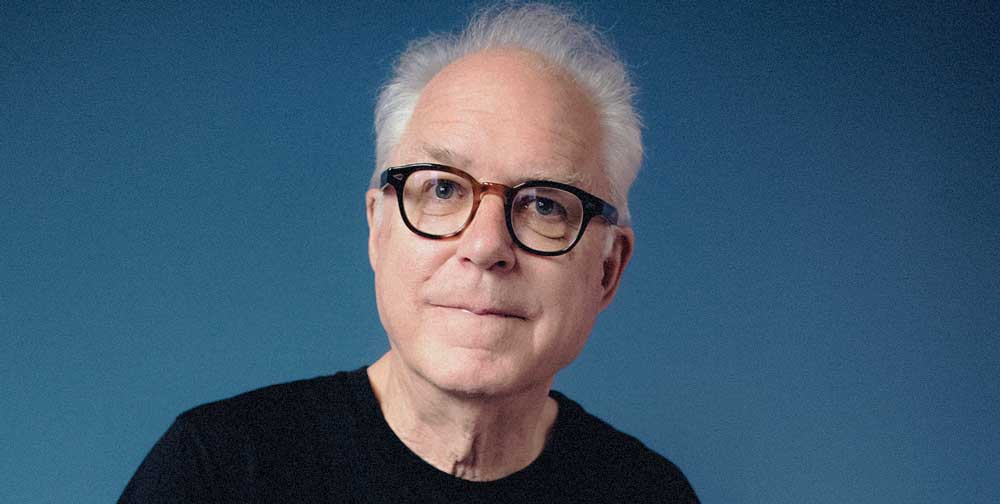
Bill Frisell in Five Classic Tracks
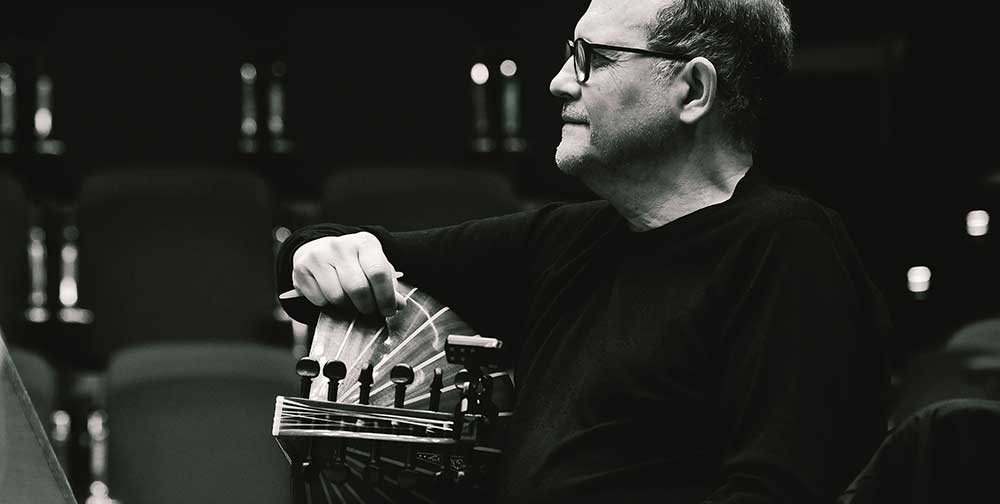
Anouar Brahem – After the Last Sky
Andy Thomas is a London based writer who has contributed regularly to Straight No Chaser, Wax Poetics, We Jazz, Red Bull Music Academy, and Bandcamp Daily. He has also written liner notes for Strut, Soul Jazz and Brownswood Recordings.
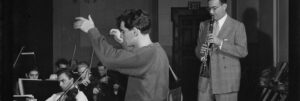
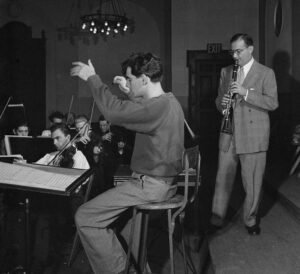
Header image: Leonard Bernstein, Benny Goodman, and Max Hollander, Carnegie Hall, New York, N.Y., between 1946 and 1948 by William P. Gottlieb / Library of Congress.