
Gospel music is the soul cry of Black American Christians. Born among a people torn from their roots and enslaved, it is expressed in every scream, holler, and moan heard in the church. Gospel embodies survival, pain, and hope—a way to lift spirits, energise listeners, and offer encouragement. For many, gospel is more than a genre. Its expressive worship reflects a community’s journey and conveys a message of perseverance—a rallying call that affirms survival and beckons the lost home. Over time, this deeply rooted form of worship music has moved from the church’s inner sanctum into the mainstream, influencing many musical genres.
Although gospel and jazz may seem like unlikely partners, their relationship is profound and enduring. Jazz, in its many forms, would not exist as we know it without gospel’s influence. The Black church has long been a cradle for musicians: a place to play, experiment, and respond in real time—to the pastor’s invocations, the choir’s demands, or a guest singer expecting fluency in every church hymn and the freedom to improvise. Within the church’s conservatism, many musicians have found musical liberation.
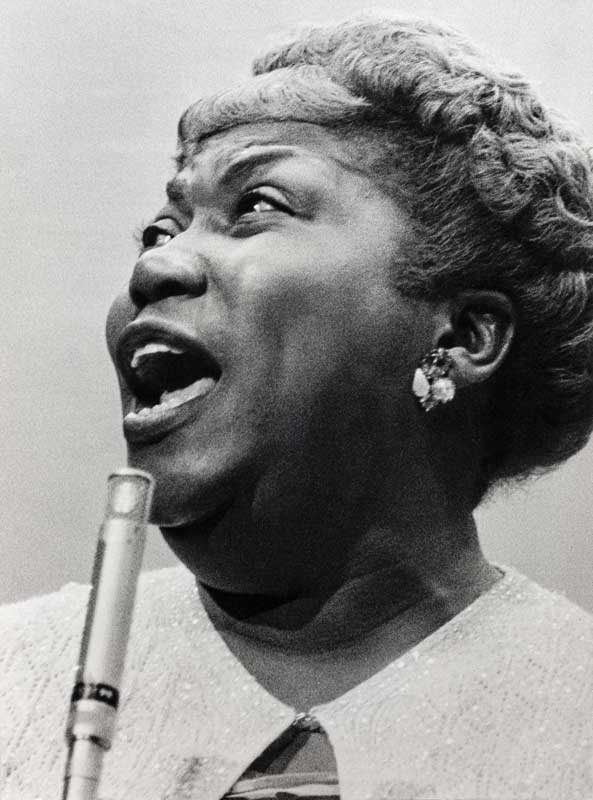
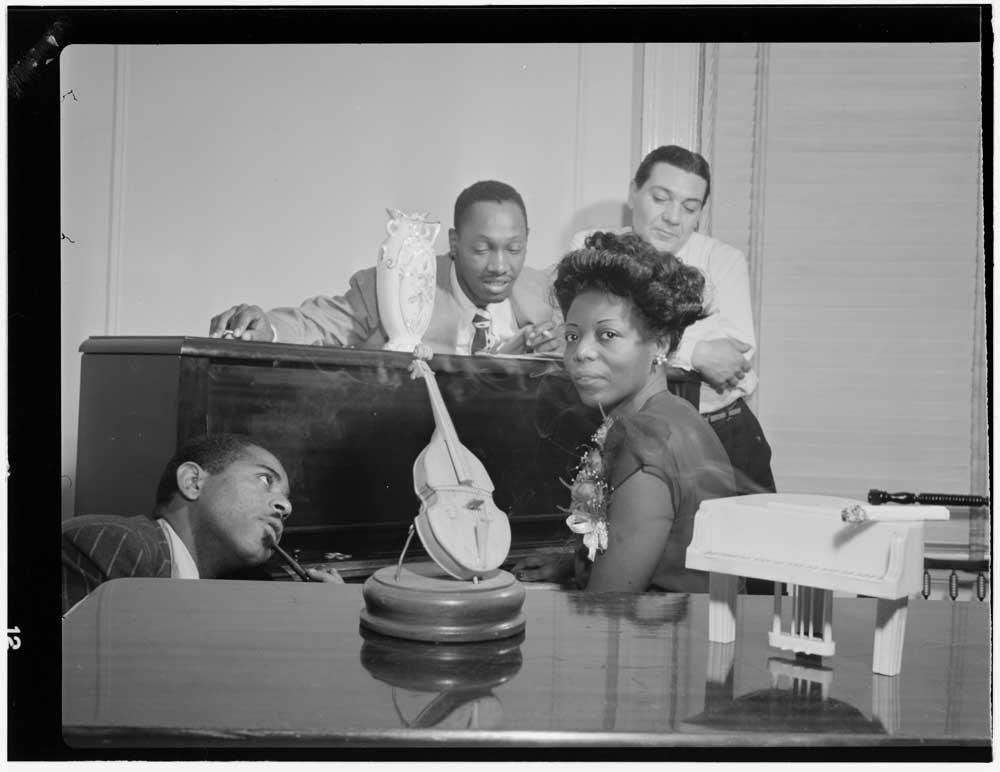
This crossover dates back at least to the early 1950s, and even earlier. Guitarist Sister Rosetta Tharpe moved fluidly between the sacred and the secular, despite vocal opposition from some church leaders. Mary Lou Williams—one of jazz’s greatest pianists, composers, and arrangers—briefly left jazz after converting to Catholicism, only to return when clergy and fellow believers, including Dizzy Gillespie, reminded her that her ministry was at the piano. Her 1964 album ‘The Black Christ of the Andes’ remains a landmark of jazz-gospel fusion, blending spiritual intent with virtuosic brilliance. On it, her interpretations of Gershwin’s ‘It Ain’t Necessarily So’ and the jubilant ‘Praise Be’ deliver theology and swing in equal measure.
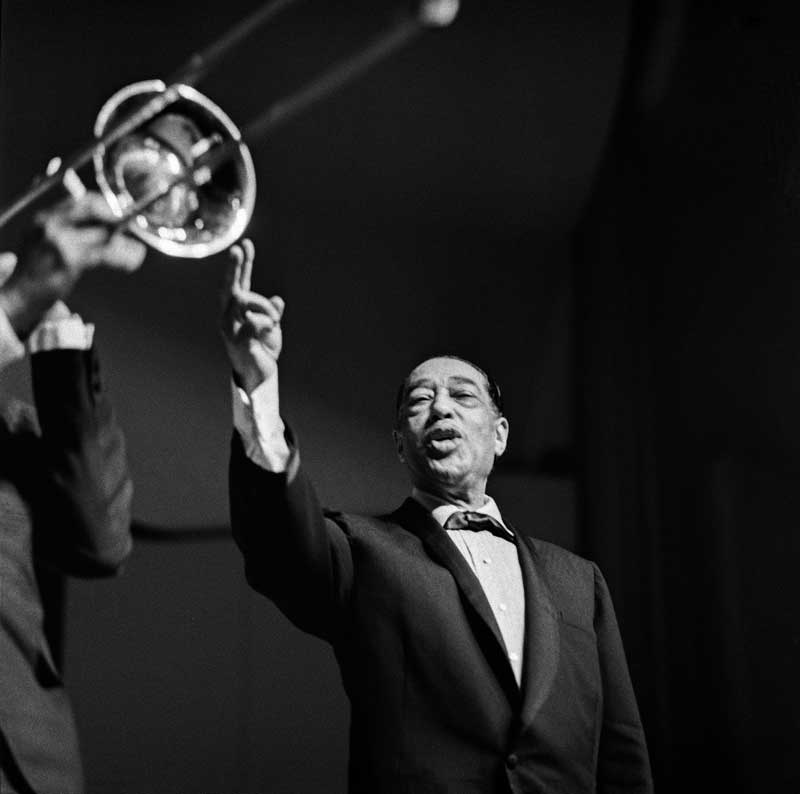
Duke Ellington regarded his ‘Sacred Concerts’ as his most significant work, which he performed at venues including Grace Cathedral in San Francisco, St John the Divine in New York, and Westminster Abbey in London. In his book ‘Music Is My Mistress’, Ellington explained: “It was in response to a growing understanding of my own vocation… I see myself as a messenger boy, one who tries to bring the message to the people.”
Later examples include Wynton Marsalis’s ‘Abyssinian Mass (2008)’, composed to mark the 200th anniversary of Harlem’s Abyssinian Baptist Church, and Dave Brubeck’s ‘To Hope! A Celebration (1979)’, written for chorus, brass quintet, organ, and strings. The duo album ‘Steal Away’ (1995), featuring bassist Charlie Haden and pianist Hank Jones, draws on black spirituals. Pianist Billy Taylor’s sacred suite ‘Let Us Make a Joyful Noise to the Lord’ (1989) is inspired by the 100th Psalm. Taylor is perhaps best known for the civil rights anthem ‘I Wish I Knew How It Feels to Be Free’, famously recorded by Nina Simone. More recently, Jon Batiste has incorporated the sonic vocabulary of gospel music into songs such as ‘We Are’, ‘Freedom’, and the unambiguous ‘Let God Lead’ on his ‘Social Music’ album.
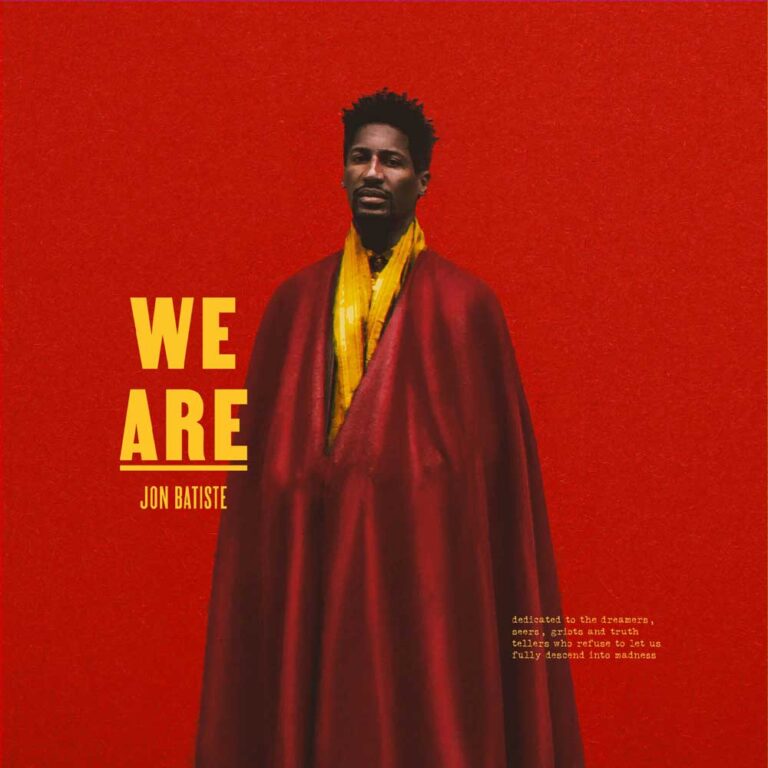
JON BATISTE We Are
Available to purchase from our US store.In 2026, two new albums further deepen this jazz-gospel interplay. The first, ‘Sweet, Sweet Spirit’, unites legendary bassist Ron Carter with gospel icon Dr Ricky Dillard, aka the ChoirMaster. Recorded in Chicago in November 2025, the album pays tribute to Ron’s mother and the a cappella hymns of his childhood. After his mother was moved into a care home, Ron recorded ten of her favourite hymns on solo bass for her to listen to. Those recordings became the seed for this album, now reimagined for band and choir.
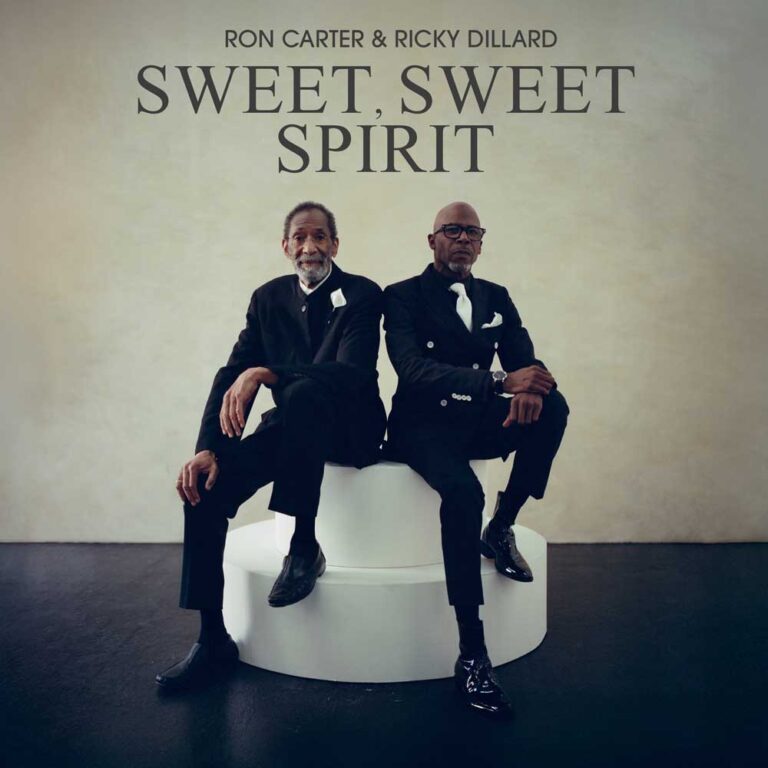
RON CARTER & RICKY DILLARD Sweet, Sweet Spirit
Available to purchase from our US store.The result captures the immediacy of a live Black church service. From the opening track, ‘Open My Eyes’, with its handclaps and stirring choir, the album radiates collective energy. Ron calls it a “jazz-gospel hybrid,” and under Dillard’s exuberant direction, the music conveys messages of hope and perseverance. Lyrics such as “…everybody will be happy over there…” and “…we’re gonna walk the streets of glory…” offer spiritual reassurance. A pastor’s declaration—“I am living to live again… over there…”—lingers as free-form praise rises from the congregation. Jean Baylor’s soaring vocal on ‘Farther Along’, singing “…we’ll understand it better by and by…,” provides a transcendent moment.
Ron Carter’s bass anchors everything—sometimes prominent, sometimes understated, always in service of the music. ‘Sweet, Sweet Spirit’ also attests to his indefatigable creative curiosity, despite being well into his late 80s. Although he had previously drawn on gospel influences, this was the first time he recorded a full album of the hymns that shaped his childhood. “It’s a chance to see if I can find the right bass note or rhythm to make the choir voicing do something completely different,” he says. These hymns reach beyond the church; for Carter, they are acts of devotion.
A similarly personal faith inspires vibraphonist Joel Ross’s album, ‘Gospel Music’, his fifth as a Blue Note band leader. Joel describes its guiding belief as living “in Christ to benefit others, so that our living is not in vain.” Known for his intricate compositions, he offers a lyrical sermon here, inspired by Chicago’s Black church traditions and exploring faith and biblical narrative. “This is probably the boldest attempt to share my beliefs—and a homage to my roots,” he says.
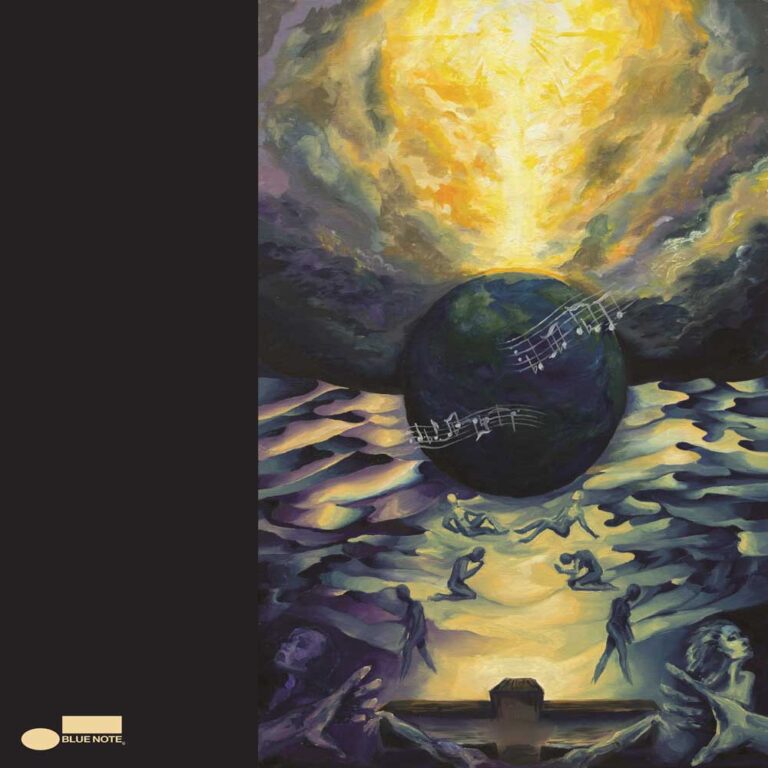
JOEL ROSS Gospel Music
Available to purchase from our US store.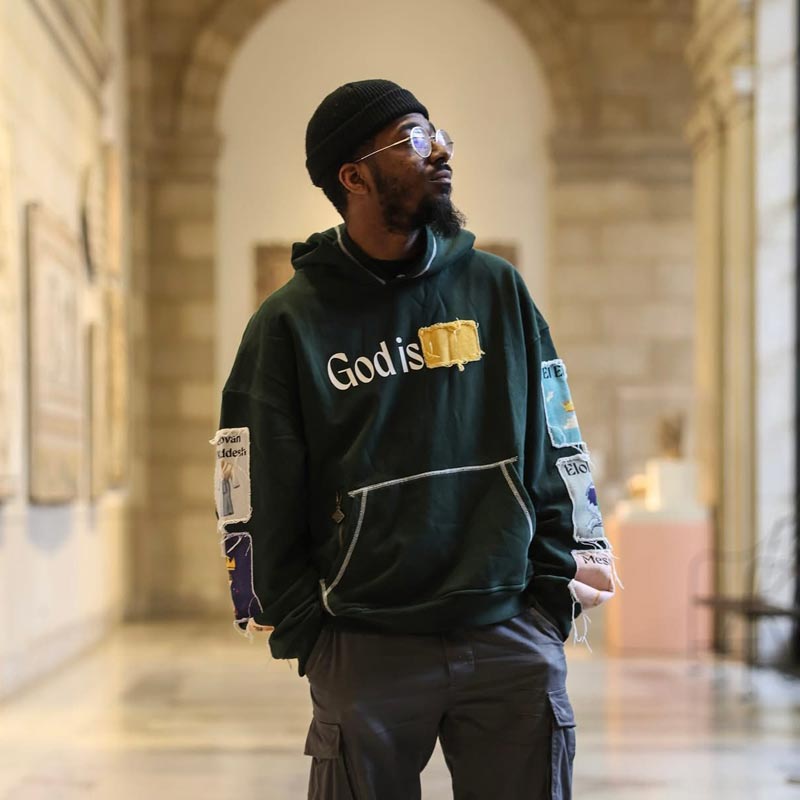
This is couture gospel: meticulously layered, daring in its exposition of belief. It opens with a tribute to bebop pianist, composer, and teacher Barry Harris, a mentor to many contemporary jazz musicians, including Samara Joy, titled “Wisdom is Eternal.” Joel is fearless in his exploration of faith – how do you encapsulate the notion of a triune God musically? Track 2, ‘Trinity (Father, Son, and Holy Spirit)’, takes on that gargantuan task as the question is volleyed back and forth among the musicians. The interplay is at times questioning, at times assertive, always precise, with space as important as sound. ‘Gospel Music’ takes us on a journey of repentance, redemption, and mercy, encouraging patience for the life’s journey. In the midst, three vocal tracks emerge from the sextet’s instrumental textures in a Gregorian chant-like manner. On ‘Praise to You, Lord Jesus Christ,’ Joel’s wife, trumpeter Laura Bibbs, intones a melodic mantra that dissolves into a striking rendition of the traditional spiritual ‘Calvary’, sung by Ekep Nkwelle.
Jazz is fundamentally improvisational, yet both of these new albums reveal how seamlessly gospel choirs, solo voices, jazz bass, and vibraphone can intertwine. Together, they offer rare insight into the artistic and spiritual inner lives of Ron Carter and Joel Ross. A recent ‘Economist’ article suggested that music is “getting sadder and angstier.” These records—and many others like them—push back against that claim. This may not be music of your personal faith, but it is music for anyone yearning for better times and brighter days. Created by some of the finest musicians in the world, it offers warmth, uplift, and hope—whatever your persuasion.
READ ON…
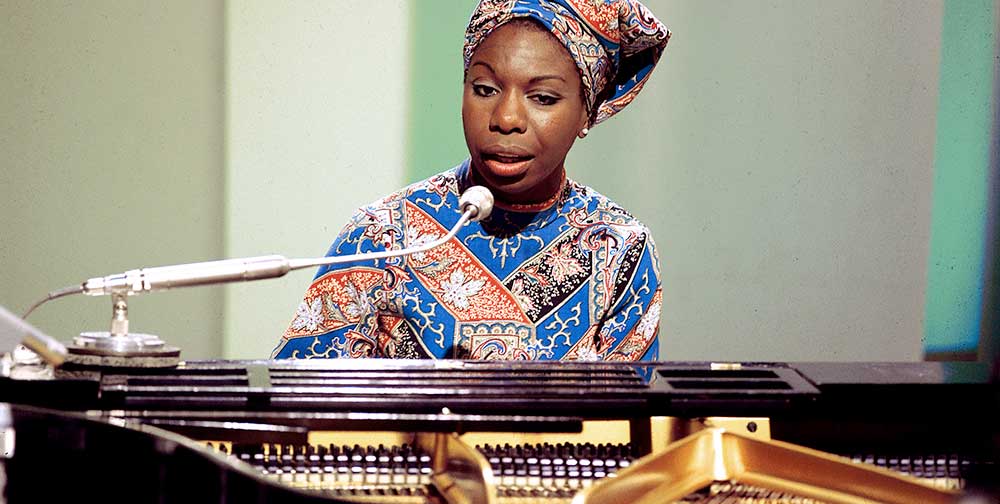
5 Outstanding Jazz Singer-Pianists
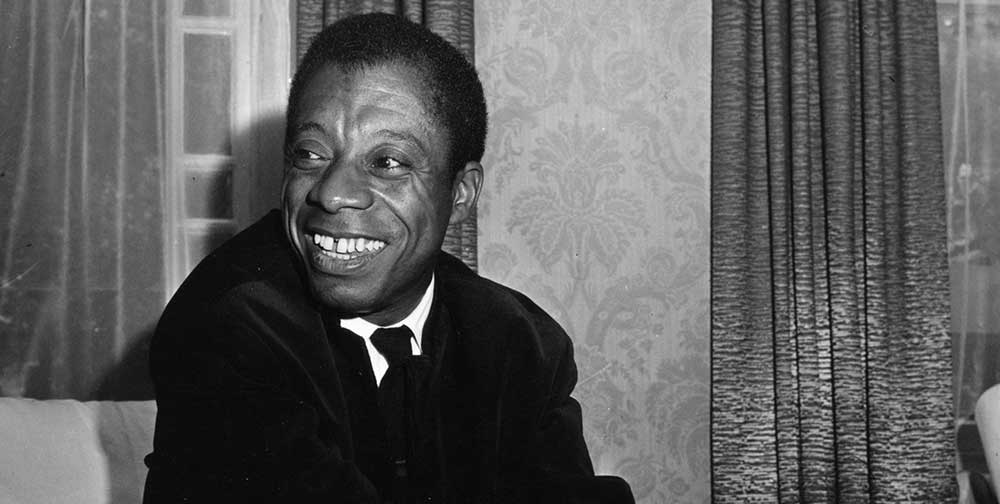
James Baldwin’s Jazz Gospel
Jumoké Fashola is a journalist, broadcaster and vocalist who currently presents a range of Arts & Culture programmes on BBC Radio 3, BBC Radio 4 & BBC London.
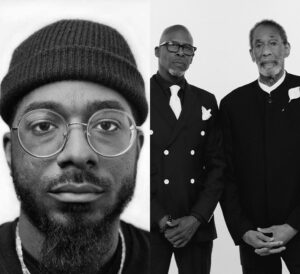
Header image: Joel Ross by Jati Lindsay. Ron Carter & Ricky Dillard by Paul C. Rivera.