

A jazz scene is never just the music. It is the room it happens in, the people around it, and the habits that turn one good night into a culture. Scenes endure because people keep coming back. Four of our favourites: Tokyo, London, Paris and Montreal each prove that differently.
Tokyo: Where Listening Became A Culture
Tokyo’s jazz culture is rooted in the kissa tradition. Jazz kissaten began as places where people could hear rare imported records on audiophile sound systems, and over time they turned listening into a shared social practice. Tone, phrasing and duration were not background pleasures but the main event. That helps explain why instrumental jazz runs so deep in Japan.
That culture still lives across the city. Shinjuku PIT INN remains one of Tokyo’s defining live rooms: intimate, serious and built around close listening. BODY&SOUL offers a polished version of that ethic. But non-live spaces matter just as much. On a Slow Boat To… is tucked away and careful. Eagle is stricter and old-school, with a no-talking rule until early evening. Studio Mule in Shibuya bends the tradition without breaking it, pairing hi-fi sound with a broader selection.
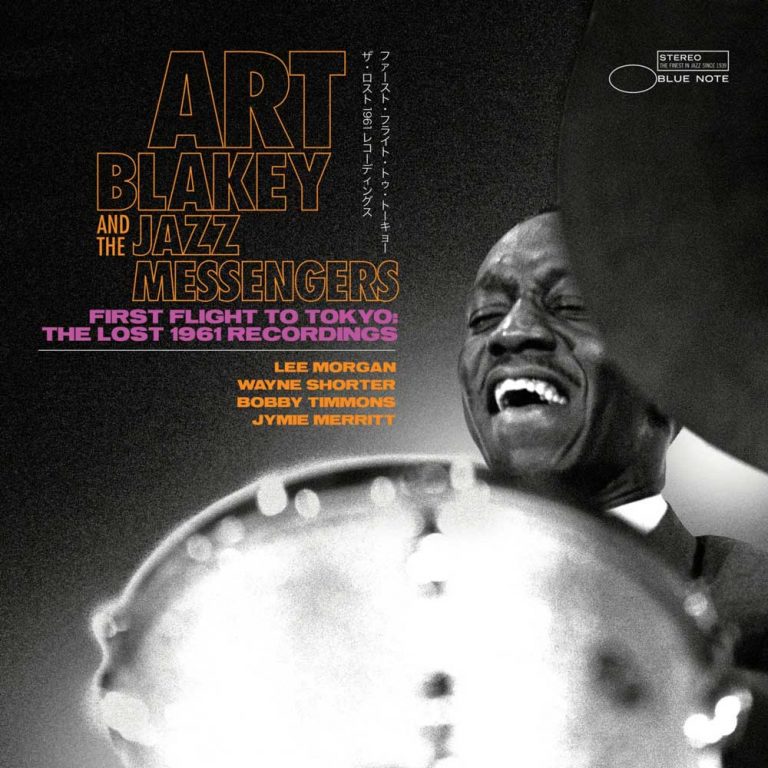
ART BLAKEY & THE JAZZ MESSENGERS Art Blakey & The Jazz Messengers: First Flight to Tokyo: The Lost 1961 Recordings 2LP
Available to purchase from our US store.What to hear: Art Blakey & The Jazz Messengers, “Moanin’,” from “First Flight to Tokyo: The Lost 1961 Recordings”. In its hard-swinging momentum and explosive precision, it catches the energy of a legendary group landing in Tokyo at exactly the right moment.
London: Where Scenes Are Built By Recurring Nights
London works differently. Its jazz story is less about hush than organised proximity: musicians, promoters and listeners meeting again and again across bars and mixed-use venues. The city’s strength is not one fixed sound but a system of contact. People hear one another, test ideas in public, and come back the next week.
That is why Jazz re:freshed matters. Since 2003, it has created more space for underrepresented musicians and helped shape a scene that feels open and accessible. The same is true of weekly sessions such as Orii Jam: singers, improvisers, producers, rappers and listeners sharing space while the music is still loose and unfinished.
Brick Lane Jazz Festival captures the city at full stretch. It reflects London as it sounds now: jazz crossing into hip-hop, broken beat, neo-soul, R&B and electronics without apology.
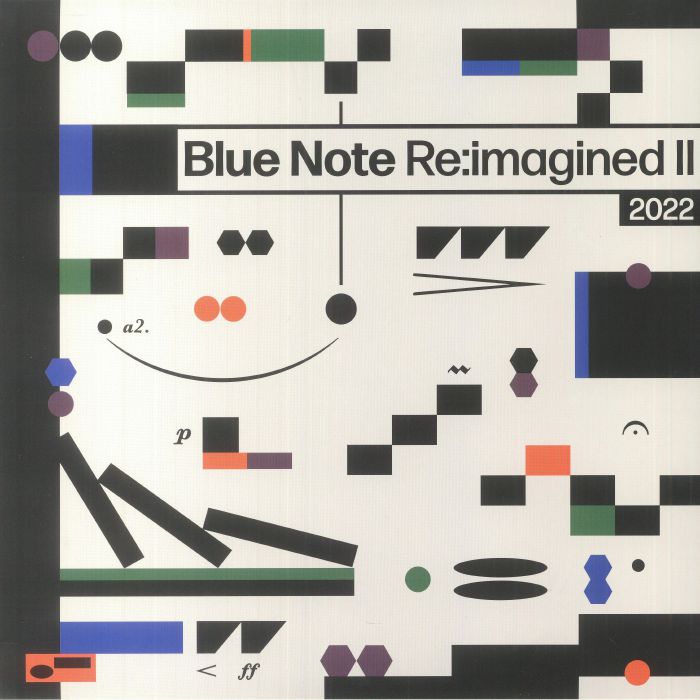
VARIOUS ARTISTS Blue Note Re:imagined II
Available to purchase from our US store.What to hear: Yazz Ahmed, “It” from “Blue Note Re:imagined II”. Its blend of jazz lineage, rhythmic force and textural experimentation mirrors the openness of London’s contemporary scene.
Paris: Where History Became Nightlife
Paris still carries jazz as part of its civic identity. The old story of the city as a place where American jazz musicians could live and be taken seriously may be romanticised, but it left behind real infrastructure. That is why Paris still feels less like a museum than a habit. Jazz lives there not only as prestige, but as nightlife.
Le Duc des Lombards remains the clearest example: a long-established club with year-round programming and late jams that keep the tradition social. For a younger, less formal crowd, La Petite Halle is the stronger recommendation. In the Parc de la Villette, it works as jazz club, bar and restaurant at once, giving it a looser energy than the Rue des Lombards model.
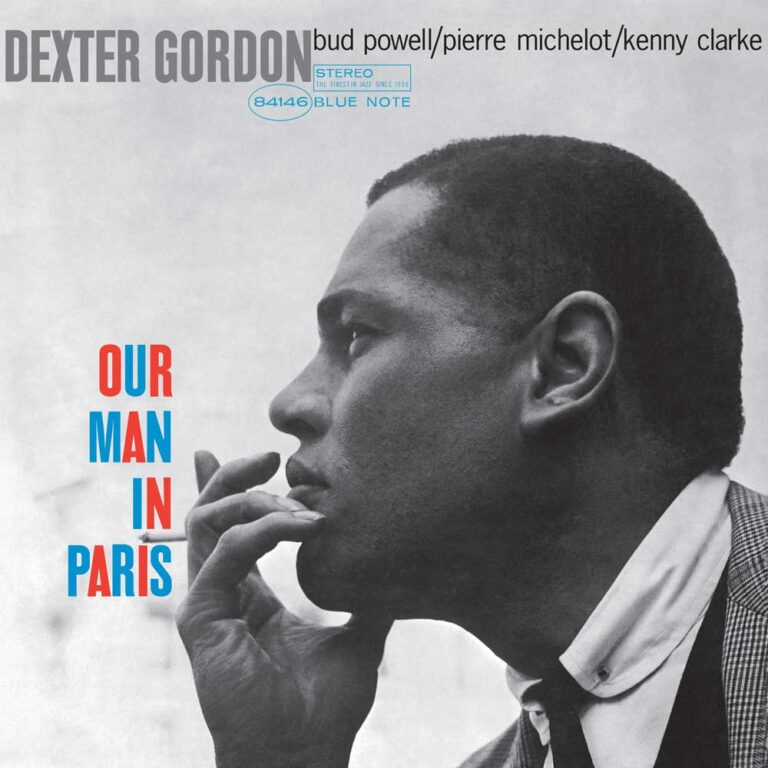
DEXTER GORDON Our Man In Paris
Available to purchase from our US store.What to hear: Dexter Gordon, “Scrapple from the Apple” from “Our Man in Paris”. Fluent in both sophistication and swing, it reflects a city where jazz still feels fully at home after dark.
Montreal: Where Scale Still Depends On The Small Room
Montreal rewards a deeper look. Its jazz identity did not begin with the festival, even if the Festival International de Jazz de Montréal is its calling card. The city’s story runs back through Little Burgundy, migration, Black community life and a nightlife culture that gave jazz local roots long before it became part of Montreal’s international image.
That depth changes how the current scene reads. The festival gives Montreal scale and visibility, but it is only the most visible layer of a much older story. The smaller rooms matter just as much because they keep the music from becoming seasonal. Upstairs Jazz Bar & Grill is central here: the kind of room that makes virtuosity feel like conversation rather than display. Le Balcon is worth adding for its jazz nights.
What to hear: Oscar Peterson Trio, “S’Posin’ – Live.” Virtuosic yet generous, it carries the warmth, precision and ease that sit at the heart of Montreal’s jazz identity.
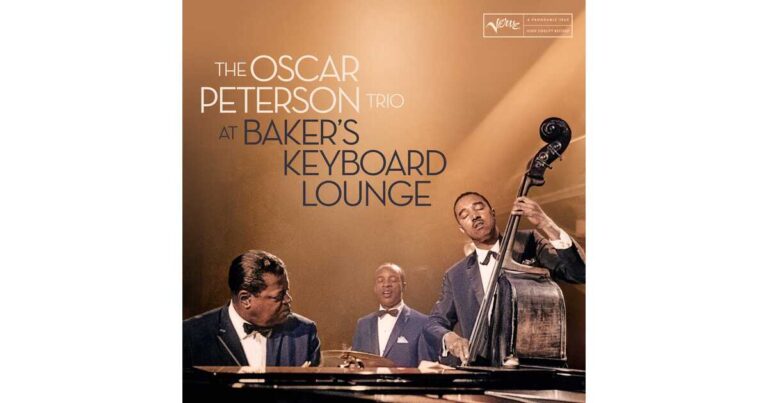
OSCAR PETERSON TRIO At Baker's Keyboard Lounge
Available to purchase from our US store.What binds these cities is not a single jazz sound so much as a shared understanding: scenes are made in public, through rooms, rituals and return. Tokyo builds concentration into listening. London grows through recurring nights and collective momentum. Paris folds history back into the present tense of the city after dark. Montreal shows that even the grandest festival culture still depends on smaller rooms carrying the music week by week.
READ ON…
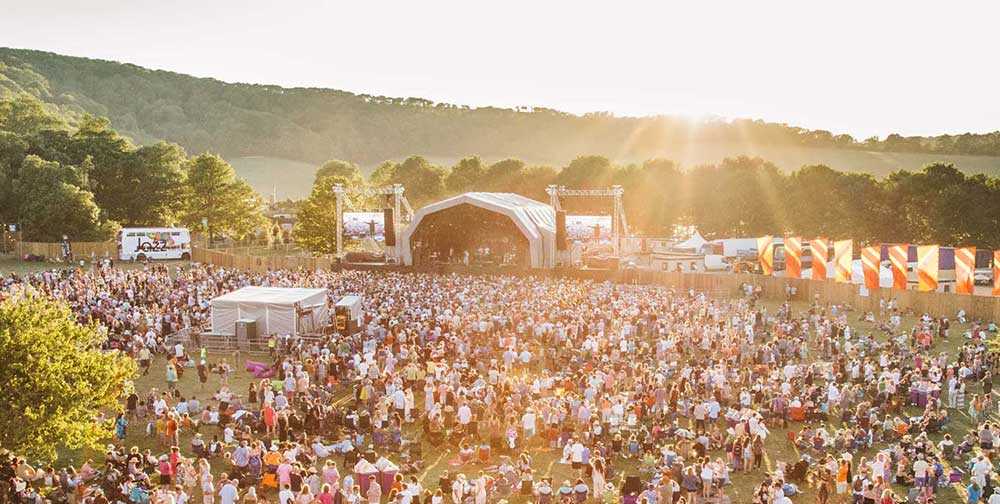
UK Jazz Festivals 2026 – Our Picks
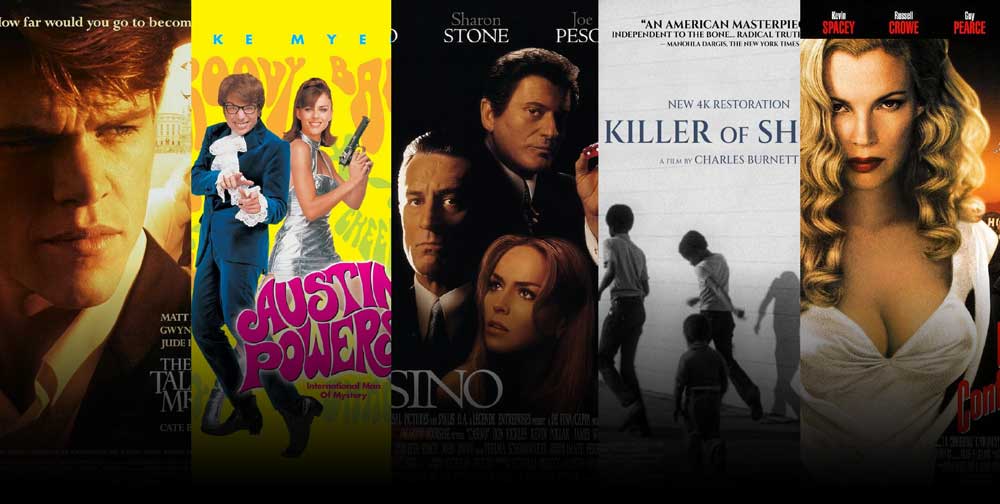
5 Great Jazz Moments in Cinema
Tim Garcia is a London-based DJ, radio broadcaster, and label owner known for his genre-spanning selections and deep-rooted commitment to underground music culture. With a weekly residency on Rinse FM, Tim continues to champion cutting-edge sounds across electronic music, jazz, hip hop, and global club styles.
Header image: Brick Lane Jazz Festival. Photo: Can Mehmethanoglu.