
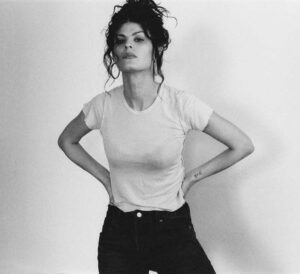
Sit still – you’ll want to – and listen. Open your ears to a voice so intimate and authentic, so rich and clear, that the stories it tells might be told just for you. Stories of love, heaven and raindrops; of night, magic and devilish doings. Like the great divas of yore, Gabrielle Cavassa sings up worlds that draw you in. Now, with her Blue Note label debut “Diavola”, a collection of inspired interpretations and classic-sounding originals, she stakes her claim in the jazz pantheon. “Listening to Gabrielle sing is akin to having her whisper secrets in your ear,” says Blue Note president Don Was, who co-produced “Diavola” with Cavassa’s erstwhile collaborator, acclaimed saxophonist and composer Joshua Redman. “She will be a major musical presence for decades to come.”
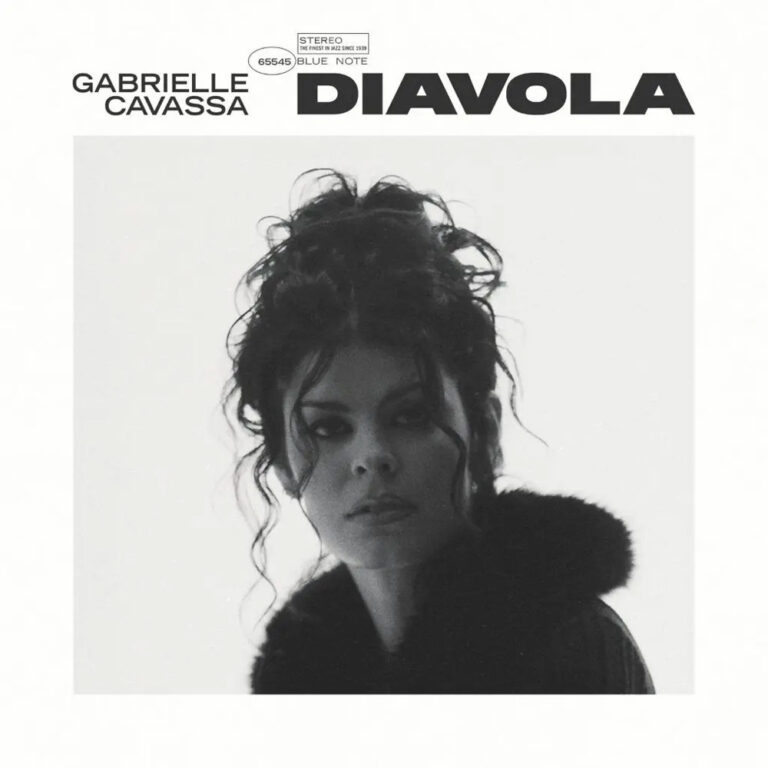
GABRIELLE CAVASSA Diavola
Available to purchase from our US store.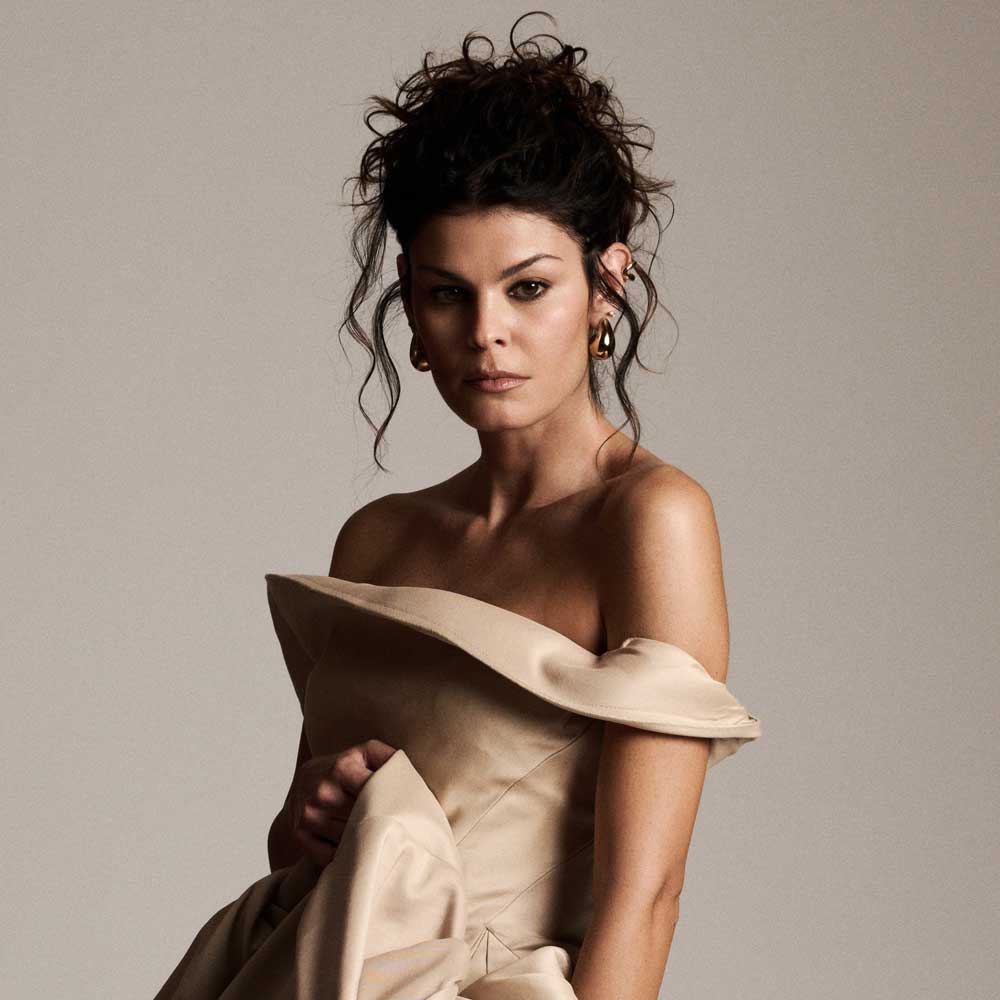
Born and raised in San Diego, California, nurtured and readied in New Orleans, Cavassa has long been winning plaudits for a mood-setting style that variously plays with time, gets right inside a lyric, and leans into instrument-like expression. But it was her collaboration with Redman on his celebrated 2023 Blue Note album “Where Are We” that really sent her profile skyrocketing. Critical praise was fulsome: ‘Her voice gets under your skin,’ sighed Stereophile. ‘A young singer with a deep, rich, fragile voice … a star in the making,’ decreed Downbeat.
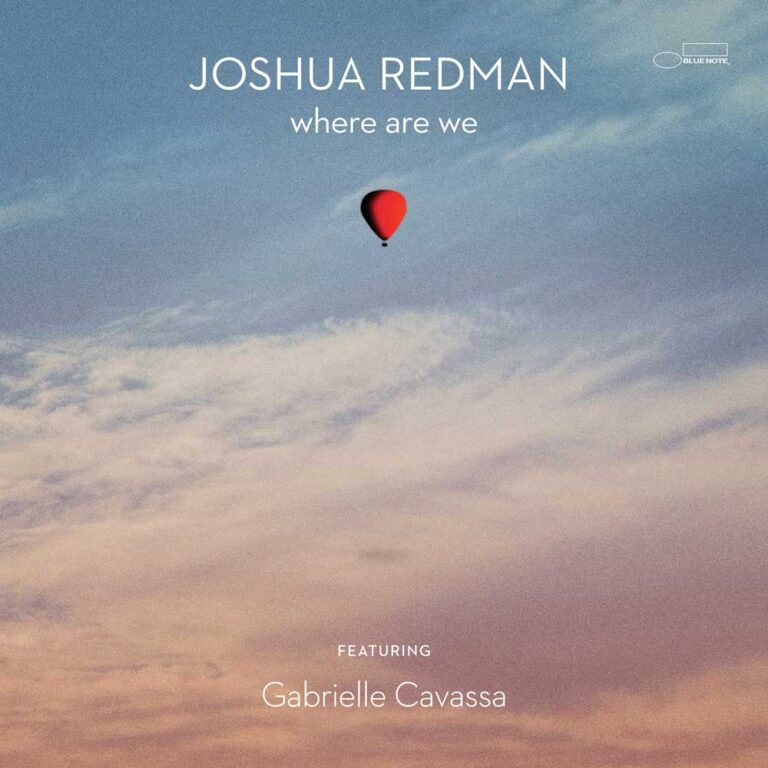
JOSHUA REDMAN Where Are We
Available to purchase from our US store.Her ascent feels inevitable, even pre-destined. Redman’s manager happened to be attending a wedding in New Orleans, where Cavassa happened to be performing, and was duly blown away. The Italian American Cavassa had moved to the Big Easy in 2017, determined to hone her craft, follow her dream.
“New Orleans is my home now,” she says, sitting in her light, airy study in the city’s Gentilly neighbourhood. “I went there on vacation and fell in love instantly. I used to think I’d end up in New York, where I play all the time, but I sensed New Orleans just had so much to teach me from a different perspective. The people here are so generous; there’s an incredible ability to accept artists. It has made me so much better.”
A graduate of school choirs, talent shows and San Francisco State University (a BA in Music with a focus on jazz history), and with influences ranging from Billie Holiday and Ella Fitzgerald to Robert Glasper and Cécile McLorin Salvant, Cavassa already had form. She’d been gigging with her band at venues including the Starlight Lounge in the French Quarter and had released her eponymous 2020 debut album – oh, and triumphed in the 2021 Sarah Vaughan International Jazz Vocal Competition – when she was invited into the studio, and subsequently on tour, with Redman. “Gabrielle is just a phenomenal vocalist,” Redman told Everything Jazz of his first ever guest singer.
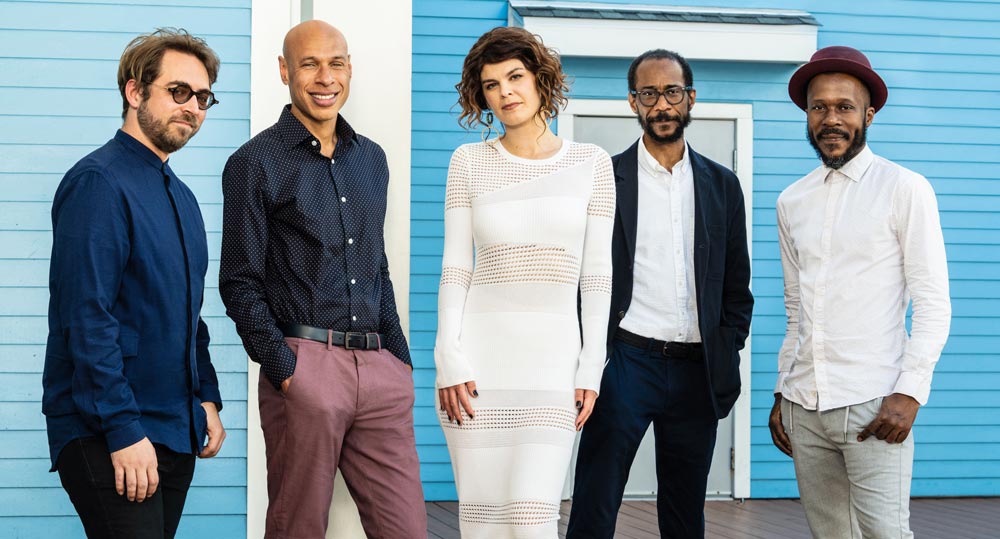
A Cinderella story, she’s called it. That, and a radical life change. “It was such a rare opportunity as a singer to be able to tour on that level as a sideman. A real rite of passage. Josh has been an incredible guide through this whole process, not only as a collaborator but as someone who knows how to navigate the music business and make something like this come together.”
So, Diavola. An album featuring a veritable dream team of collaborators including pianist Paul Cornish, guitarist Jeff Parker, Larry Grenadier on bass and Brian Blade on drums, with Redman guesting on tenor sax. “Don asked me who my ideal band might be. I thought long and hard, and I talked to Josh, who recommended people like Jeff, and they gave me this huge gift.” A smile. “It’s such a crazy concept for someone who was previously an independent artist.”
And an extraordinary framework for Cavassa’s deeply affecting talent, which she showcases across ten tracks that highlight her skills as a bandleader, fearless song interpreter and songwriter blessed with a knack for poetic lyricism and genuine honesty.
“We started out intending to make a standards record but cut a lot of stuff,” says Cavassa, who composes her songs on her big blue D’Angelico guitar, pulling from what she knows, following intuition and believing in the ideas that emerge. It’s how she crafted the album’s story – that of an angel and a devil co-existing in an ongoing push-me pull-you of surrender and possession, quietude and urgency.
This, then, Cavassa’s story. The dynamic is central to who she is, both artistically and personally. “I haven’t been able to let go of either. The album is trying to acknowledge these extremes often come from an inability to accept being seen in a negative light, especially after falling from a pedestal where you were originally considered some sort of divine goddess. When you topple off you don’t fall to become human; you’re the lowest of the low.”
She pauses, sighs. “In personal relationships I’ve been hurt by that fall and wanted to get back onto that image of perfection. But that isn’t realistic either, which can also be a big relief to realise.” “Diavola” opens with Parker’s ‘Heaven Sighs’, a stirring melodic soundscape of that moves into a lush reimagining of Burt Bacharach’s ‘Raindrops Keep Falling on My Head’, a classic lent further intimacy by arpeggiated chords and Blade’s laidback groove. The Billy Eckstine standard ‘Prisoner of Love’ swings with tradi-modern charm (“I make sure I’m forward-facing, and modernity is important to me,” “but the truth is I really am coming from a tradition. And I really love singing those songs”).
Another original, ‘Bossy Nova’ is a sepia-tinted musing on sacrifice underpinned by Brazilian rhythms. ‘To Say Goodbye’, also by Cavassa, changes the mood, takes the listener from sweetness into something darker, more fiery. “I love the way Don sequenced the album,” says Cavassa. “It takes its time to move from all this light and joy before dipping into the powerful Diavola spirit.”
Sung in its original Italian, ‘Angelo’ by Luigi Tenco explores the mind of a manipulator (‘I told you for a joke that I’m leaving you maybe/just for the fun of making you cry’), while Cavassa’s ‘Diavola’ conjures an angel that falls from grace and devolves, flawed and brilliant, into a she-devil. Or at least, a force that knows passion. That burns.
“The whole album reflects Diavola,” says Cavassa, whose breathy, meditative ‘Be My Love’ is positioned as an interlude, a palate cleanser, between the latter tracks. “She is a character but also an idea that holds these two opposing parts. I find the concept quite hard to talk about,” she continues. “Musically speaking, it’s an exploration of what might happen if I didn’t suppress my anger and rage and just allowed it all to come out. This self-reflection has been hard but also very good for me.”
GABRIELLE CAVASSA Diavola
Available to purchase from our US store.Listen, and you’ll hear it: Barry Manilow’s ‘Could It Be Magic’ is reimagined with a dreamy understatement buoyed by Redman’s golden tenor solo. Album closer, the melancholic ‘La notta dell’addio’, is an Italian ballad comparing lost love to broken threads and sand slipping through fingers, rendered as a tender exchange between Cavassa’s voice and Cornish’s piano. “It’s an acknowledgment of grief and a gentle kind of hope. It says ‘Whenever God decides, a new day will come and light will fill the empty home we used to share’. It is about stepping into the next chapter of your life,” says Cavassa, a singer and storyteller for our times.
READ ON…
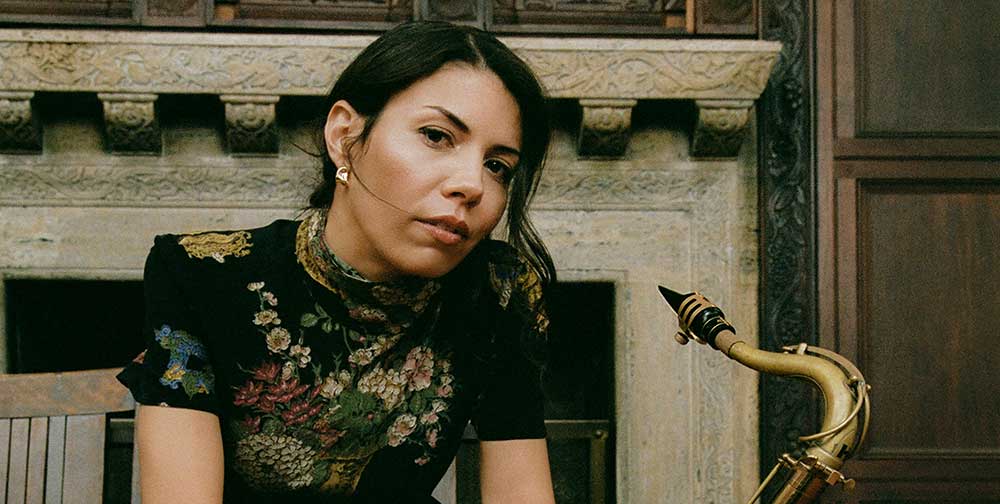
Melissa Aldana’s ‘Filin’ – Revisiting Cuban Ballads
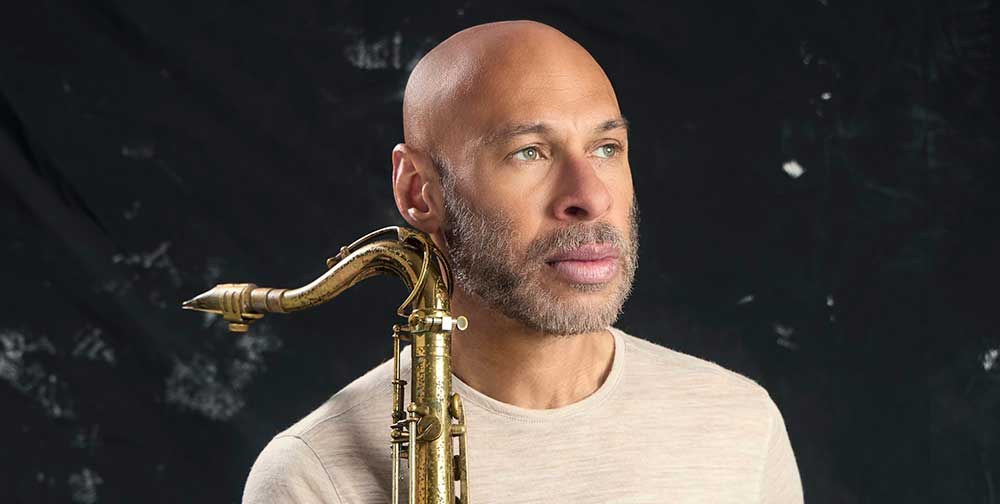
Joshua Redman: Words Fall Short
Jane Cornwell is an Australian-born, London-based writer on arts, travel and music for publications and platforms in the UK and Australia, including Songlines and Jazzwise. She’s the former jazz critic of the London Evening Standard.
Header image: Gabrielle Cavassa. Photo: Roeg Cohen.