
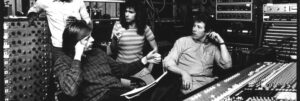
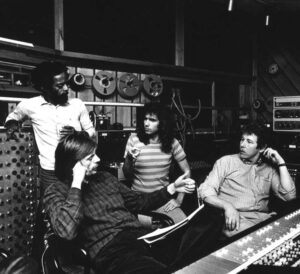
It was 1969 and German record producer Manfred Eicher became enamored with an American expat jazz player who had relocated to Munich in 1967, Mal Waldron. In jazz circles, Waldron was a legend: skilled sideman, composer, and Billie Holiday’s pianist at the time of her death. But after a nervous breakdown in the early 1960s and a relocation to the continent, Waldron’s sound evolved. Still able to conjure the blues, swing, bop, Waldron also drew on 19th century impressionists like Claude Debussy and Erik Satie. To Eicher, Waldron epitomized a new kind of musician: rooted in jazz, yet with clear classical sensibilities. Eicher put Waldron’s trio in the studio one night in November 24, 1969, capturing what would become “Free At Last”, the first release on Eicher’s new label, Edition of Contemporary Music, or ECM.
A line from an early review read “the most beautiful sound next to silence,” which became ECM’s unofficial maxim for the next half century of evocative, crystalline music. But the early days of ECM weren’t always so refined and meticulous. Take “Afric Pepperbird”, the second album from up-and-coming Norwegian saxophonist Jan Garbarek and an early ECM release from 1971. Much like Waldron’s album, it finds Garbarek still unpacking the lessons offered by late 1960s free jazz firebrands, specifically the plaintive cries and shrieks of Albert Ayler, folding that into folk-like melodies and restless explorations. Within a few years – as Eicher settled on a particular aesthetic – an album like “Afric Pepperbird” gives us a glimpse into an unsettled path not taken by ECM.
The label soon became home to a generation of new players who –much like Waldron– existed beyond the borders of their own countries as well as beyond the confines of jazz, modern classical, ambient, new age, progressive rock. The likes of Jack DeJohnette, Jan Garbarek, Chick Corea, John Abercrombie, Eberhard Weber, Egberto Gismonti, Steve Tibbetts, Terje Rypdal, and many more would find a lasting home there.

KEITH JARRETT The Köln Concert
Available to purchase from our US store.No single player exemplified the label more than pianist Keith Jarrett. Fresh off an electrifying run with the likes of Charles Lloyd and Miles Davis in the late ‘60s, Jarrett had cut a wide range of albums for Atlantic, but ECM allowed him to fully come into his own. Jarrett’s 1972 ECM debut, “Facing You”, redefined the solo piano album in the new decade. By turns pensive and ebullient, gushing and meditative, Eicher’s touch in the studio allowed Jarrett’s imagination to blossom at the piano bench. At times, Jarrett sounds like he’s positively bursting at the seams with joy (no doubt helped by his wordless yips punctuating runs), his hands roving unfettered across the keys.
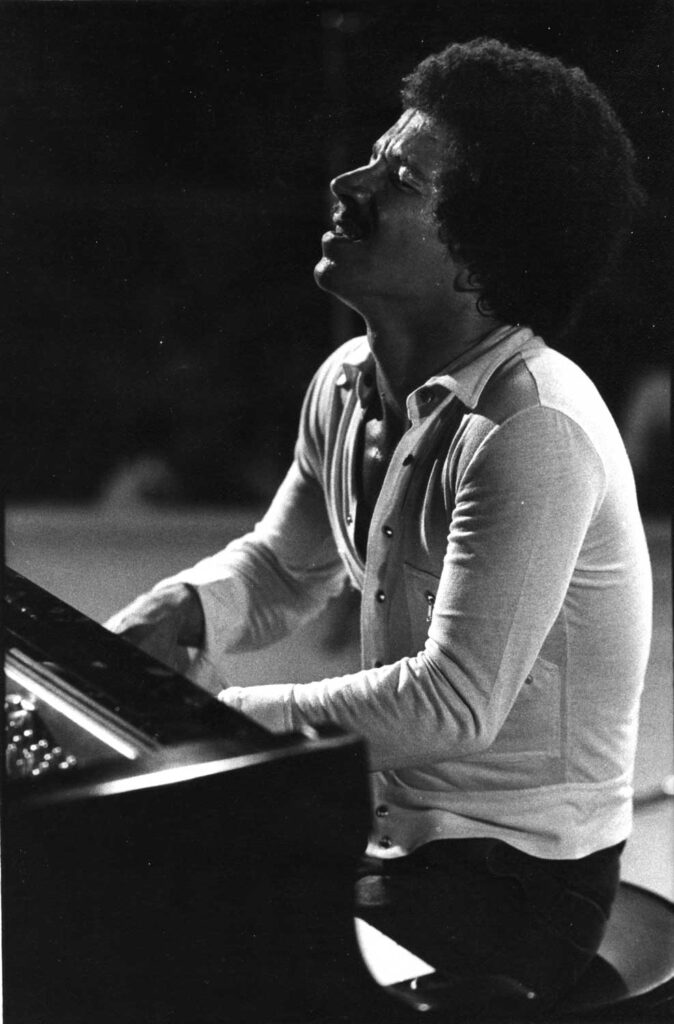
Four years later, Jarrett’s vision expanded even further with “The Köln Concert”, a concert now the stuff of legend (and film). The album captured Jarrett’s musical vision in real time, a concert through-composed at the speed of thought, tracing the contours of its composer’s mind in that exact moment of performance. It was not only a creative and critical triumph, but stunningly a commercial breakthrough as well, topping 4 million in sales and rising to the upper echelons of the jazz canon, alongside the likes of “Kind of Blue”, “A Love Supreme”, “Take Five”, and a handful of others.
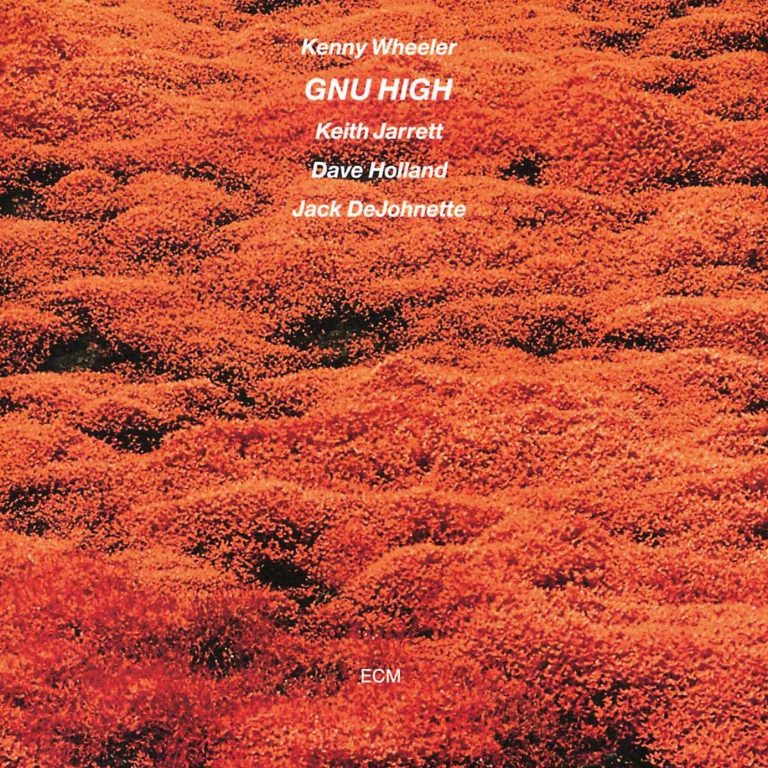
KENNY WHEELER Gnu High
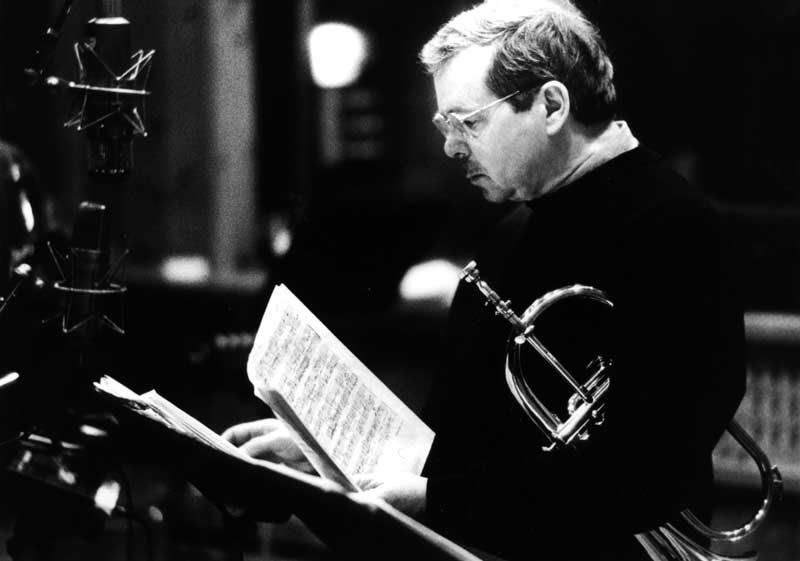
Available to purchase from our US store.Jarrett’s musical gravity (and popularity) began to inform other artists as well. One example was flugelhorn player Kenny Wheeler, a native Canadian who decamped for England in the early 1970s and found immediate kinship on the label. His 1976 ECM debut, “Gnu High”, found supple support in a band filled with ECM stalwarts: not just Jarrett, but also the dream rhythm section of bassist Dave Holland and drummer Jack DeJohnette. The two sprawling longform suites on the album introduced the world to a unique player.
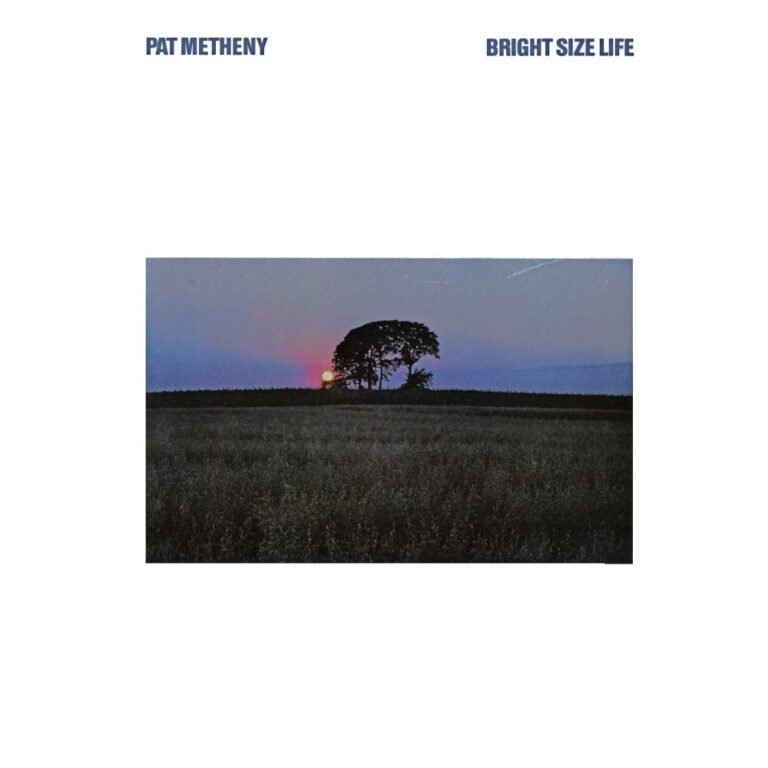
PAT METHENY Bright Size Life
Available to purchase from our US store.That same year, another paradigm-shifting player emerged on the ECM roster. Boasting a magnanimous guitar tone as expansive as the horizon of his native Midwest, guitarist Pat Metheny got his start in vibraphonist Gary Burton’s group. But Metheny’s fretwork was front and center on his 1976 ECM debut “Bright Sized Life”, an album that announced the arrival of two generational talents in jazz, Metheny and bassist Jaco Pastorious. While full of the kind of quicksilver runs and shimmering melodies that would define Metheny’s crossover success over the next few decades, the album also found him taking cues from free jazz icon Ornette Coleman.
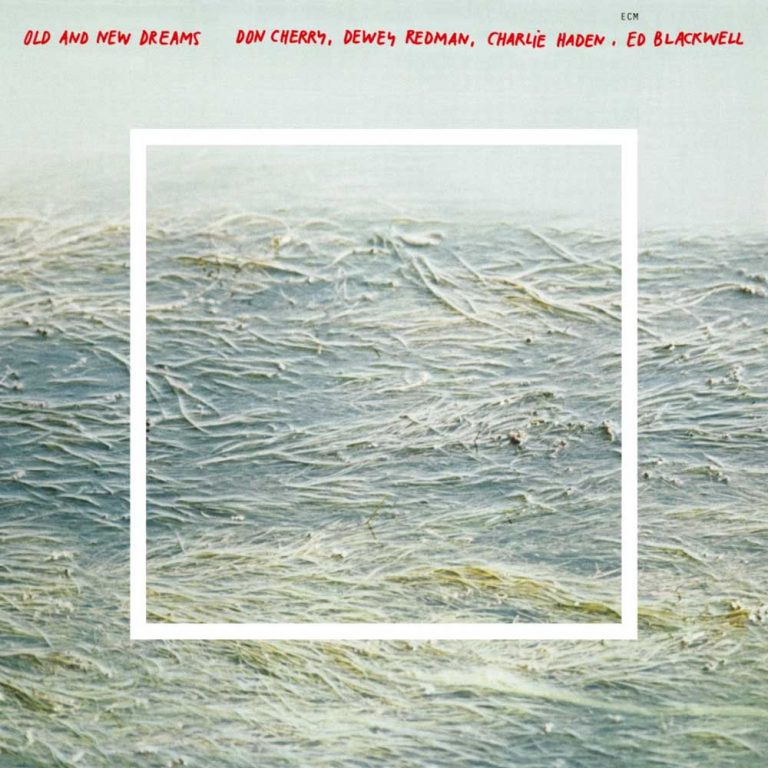
DON CHERRY, DEWEY REDMAN, CHARLIE HADEN, ED BLACKWELL Old And New Dreams
Available to purchase from our US store.Coleman himself never recorded for the imprint, but more than a few old bandmates did. Old And New Dreams’s self-titled 1979 album featured a quartet comprised of Coleman’s longtime sidemen: trumpeter Don Cherry, tenor saxophonist Dewey Redman, bassist Charlie Haden, and drummer Ed Blackwell. Together, Old and New Dreams paid tribute to their old boss by reworking his classic composition “Lonely Woman” and weaving it into a broader tapestry, from a composition based on a Ghanese traditional folk tune and astute free bop explorations to a song dedicated to all the whales.
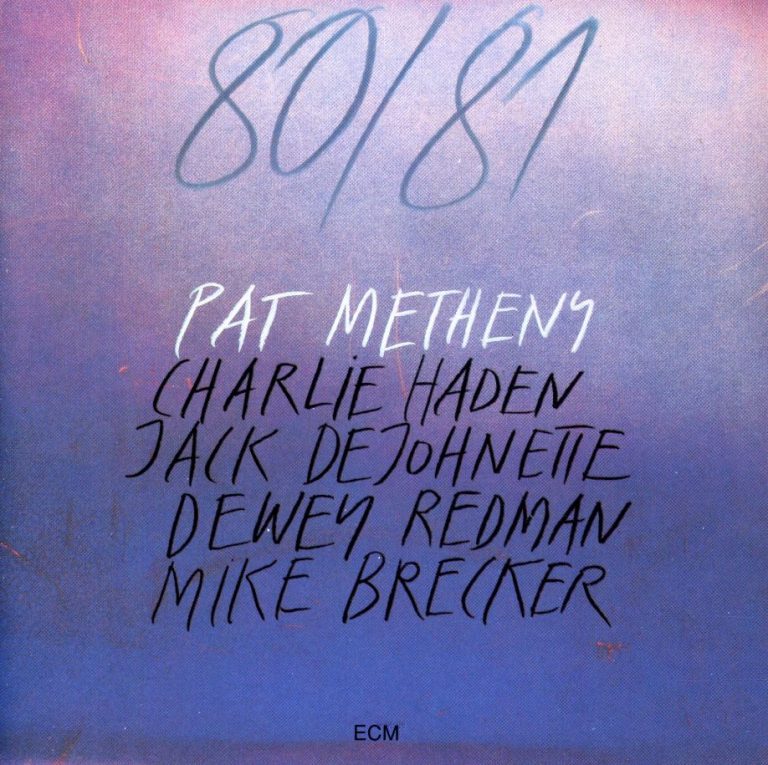
PAT METHENY 80/81
Available to purchase from our US store.The new decade would find Metheny joining forces with the likes of Redman, Haden, and DeJohnette (along with tenor Mike Brecker) to create a formidable new quintet on “80/81”. A sprawling double album showcased a superstar quintet that could handle Metheny’s folk-fusion exploration as well as the knottier post-bop side of the equation with equal aplomb. It was a bold statement made by Mehteny at a time when his other band, the Pat Metheny Group was dominating jazz radio and selling out concerts across the states, no mean feat by the 1980s. An X factor in Metheny’s sound at the time was the presence of Brazilian percussionist Naná Vasconcelos.

NANA VASCONCELOS Saudades LP (Luminessence Series)
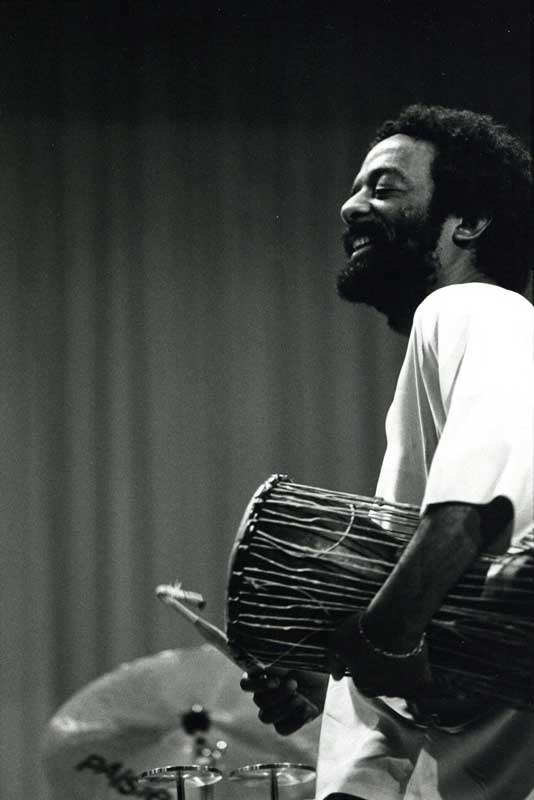
Available to purchase from our US store.Naná Vasconcelos hailed from Recife in northeastern Brazil and his way with various types of percussion, bird calls, and the berimbau musical bow suggested a fathoms-deep sound that far predated the arrival of western music in his country. Vasconcelos’s presence on ECM albums from Metheny, Garbarek, and fellow countryman Egberto Gismonti (to name just a few) always elevated the proceedings to a new realm. So when Eicher gave Vasconcelos carte blanche to record his 1980 solo album, “Saudades”, Vasconcelos delivered a cosmic masterpiece. The focus throughout is on his mesmerizing work with the single string of the berimbau – part of the candomblé tradition and integral for the Afro-Brazilian martial arts form capoeira – but when it dovetails with a full orchestra, it makes for a heady frisson between the ancient and modern, between Western classical and indigenous music.
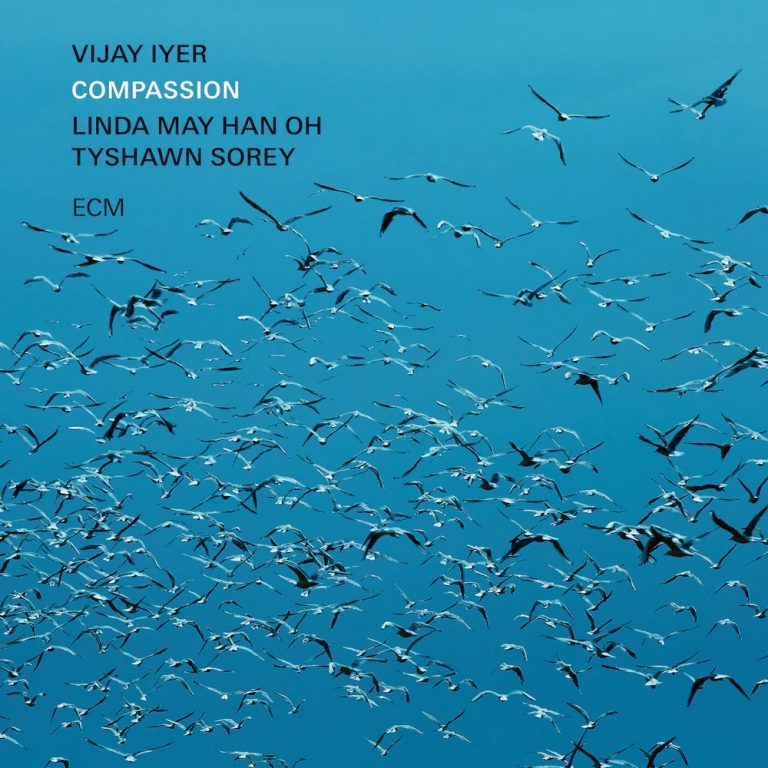
VIJAY IYER, LINDA MAY HAN OH, TYSHAWN SOREY Compassion
Available to purchase from our US store.As ECM carries on into the 21st century, it continues to be the imprint that can challenge both its audience and its artists, allowing them to both nurture their art and take risks. Since debuting on the label in 2014, pianist Vijay Iyer has consistently pushed the parameters of his music, mixing cerebral group interplay with visceral sound explorations. His 2024 album with his acclaimed trio (featuring Linda May Han Oh and Dr. Tyshawn Sorey) is one of the most thrilling groups working today, as heard on their most recent studio album, “Compassion”. And who else but ECM could convince the venerable guitarist John Scofield – with some 60 plus albums under his belt in various groupings – to finally release a solo album some 44 years into his career? No matter the artist, ECM continues to let its creators echo that sentiment of Mal Waldron title a half century before: “free at last.”
READ ON…

The Story of Blue Note Records
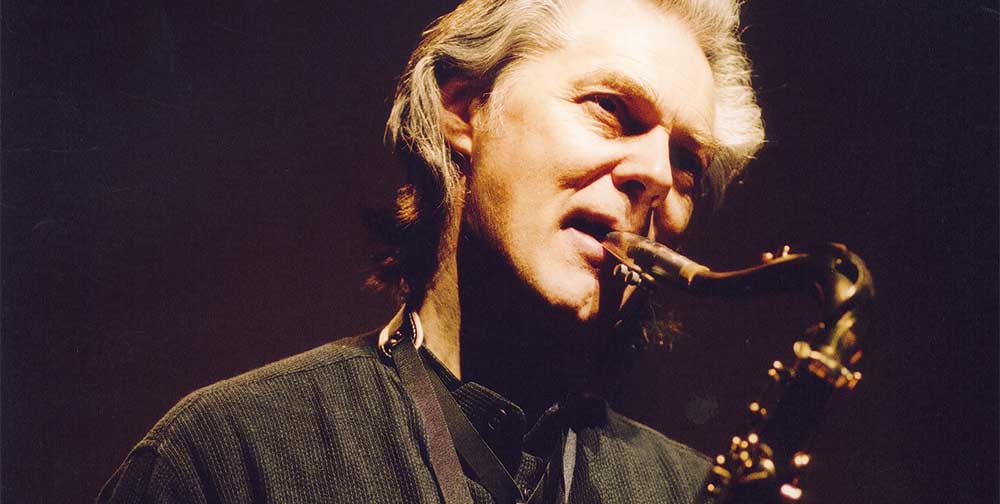
Afric Pepperbird – Early Jan Garbarek and the Beginnings of ECM
Andy Beta is the author of the forthcoming book, “Cosmic Music: The Life, Art, and Transcendence of Alice Coltrane”. He is based in New York City.
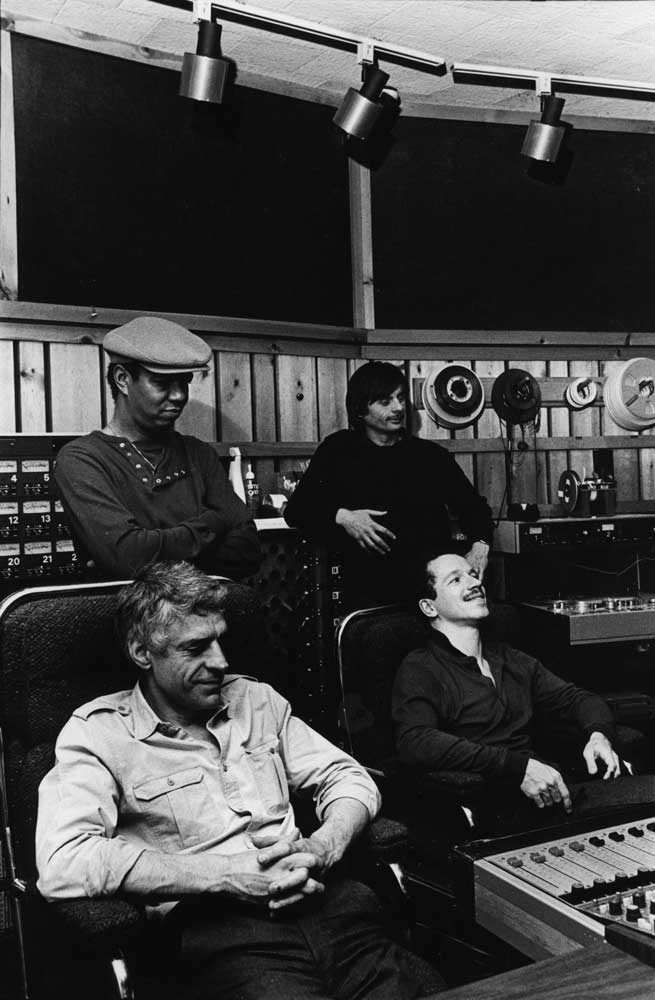
Header image: Manfred Eicher, Nana Vasconcelos, Pat Metheny, Jan Erik Konghaug. Photo: Deborah Feingold / ECM Records.