From Lindy Hoppers at Harlem’s Savoy Ballroom to the flash/tap dancing of the Nicholas Brothers at the Cotton Club, dancing to jazz in America was hugely popular in the first half of the 20th century. By the time of bebop, jazz audiences were focused primarily on listening – and it would take fleet-footed UK teenagers to take jazz back to the dancefloor.
“The dancers of Britain proved that you can dance to modern jazz,” wrote Robert Farris Thompson in the foreword to Mark ‘Snowboy’ Cotgrove’s 2009 book “From Jazz Funk & Fusion to Acid jazz – The History of The UK Jazz Dance Scene”. “They were not copying Black America but mining something new. This was jazz dance passed through new minds and strong bodies.”
Throughout the 20th century, young people in the UK had gathered to dance to jazz – from The Shim Sham Club on London’s Wardour Street in the 1930s to trad jazz raves at Cy Laurie’s Jazz Club in Soho and The Bodega Jazz Club in Manchester in the 1950s, to mod clubs like The Flamingo in the 1960s.
But the scene experienced by Farris Thompson at Snowboy’s Hi Hat session at Camden’s Jazz Cafe in 1999 was born in the late 1970s and early 1980s, when young dancers battled to jazz-funk, fusion, hard bop and Latin at clubs like Chaplins in Birmingham, Rafters in Manchester, the Electric Ballroom in London and in the jazz rooms of all dayers and soul weekenders across the UK.
Each of the main UK cities where dancefloor jazz thrived had its own style of dance. “For me It begins in a club in Birmingham called Chaplins with DJ Graham Warr,” says Colin Curtis, DJ at Rafters and other Manchester hot spots like Rufus and Smarties. “What I saw there was the evolution of the balletic style of jazz dance. And that style became prevalent in the Midlands and North West. That is what I would call the first phase of jazz dancing.”
In contrast to this graceful style was the so-called ‘fusion’ dancing at The Electric Ballroom in London. With lightening footwork and furious spins, inspired by hip-hop rather than the Nicholas Brothers, these young dancers demanded heavy jazz fusion and furious hard bop played by DJ Paul Murphy. “It was amazing in that Jazz Room – the intensity of the music was incredible as was the dancing,” says Perry Louis, founder of the Jazzcotech dance troupe and the long-running Shiftless Shuffle club session in London.
When Paul Murphy left the Electric Ballroom in 1984, he was replaced by a young Gilles Peterson. The fresh-faced DJ was a regular at Berlin in Manchester where Colin Curtis and Hewan Clarke span for a group of balletic dancers known as The Jazz Defektors. “I would play sets that were four or five hours long introducing jazz from bebop and bossa nova to mambos and vocal jazz,” says Curtis.
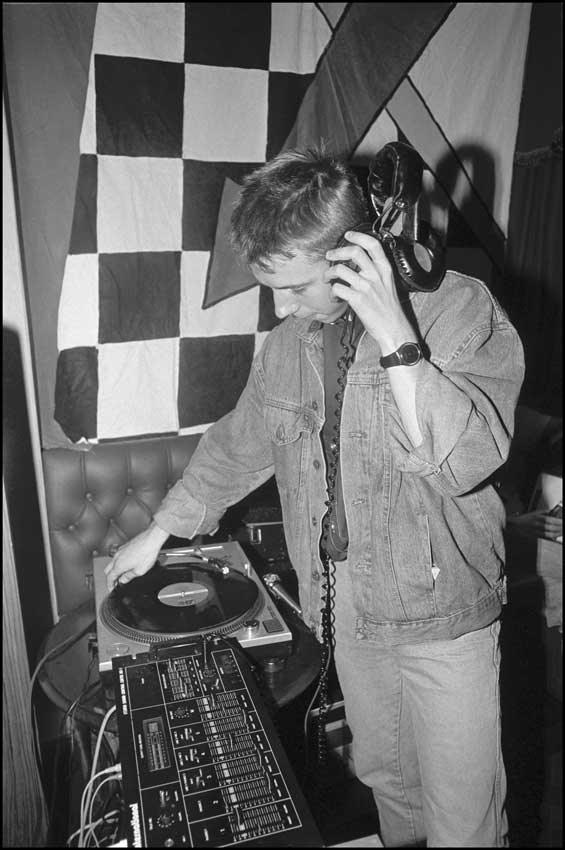
Back in London, jazz dance had a new style-conscious crowd at The Wag club, where Paul Murphy hosted a hugely popular Monday night session, turning to all his great loves in jazz – from hard bop and bebop to Latin and bossa-influenced soul jazz. The party even made it onto BBC2’s Whistle Test programme with Paul Murphy in the words of the presenter, “piling on the Blue Notes in between the filter tips (cigarettes)”.
But it was through Gilles Peterson’s Talkin’ Loud and Sayin’ Something at Dingwalls in Camden Town that jazz dance would go global, inspiring other Acid Jazz nights to open across the word in the early 1990s – from Giant Step in New York and The Fez in Bari, Italy, to Mojo Club in Hamburg, Germany, and The Room in Shibuya, Tokyo.
More than thirty years on from its heyday, dancefloor jazz is alive and well through long-running parties like Perry Louis’ Shiftless Shuffle in London, Come Sunday in Birmingham, and Out to Lunch in Nottingham. Then there are the youthful parties bringing a new energy to the scene such as Love is Everywhere in London, hosted by Tina Edwards, across to Boppin Jive in Tokyo and Rebirth Jazz sessions in San Francisco.
Jazz records that continue to light up floors across the world
When this writer co-hosted a talk on Blue Note at London Jazz Festival 2025, Art Blakey & The Jazz Messengers’ “A Night In Tunisia” was played to illustrate the kind of serious hard bop the jazz dancers loved. The Dizzy Gillespie composition first appeared on the 1961 Art Blakey & The Jazz Messengers album for Blue Note. In the same year the Jazz Messengers travelled to Tokyo for a show at Hibiya Public Hall from where this incredible version is taken.
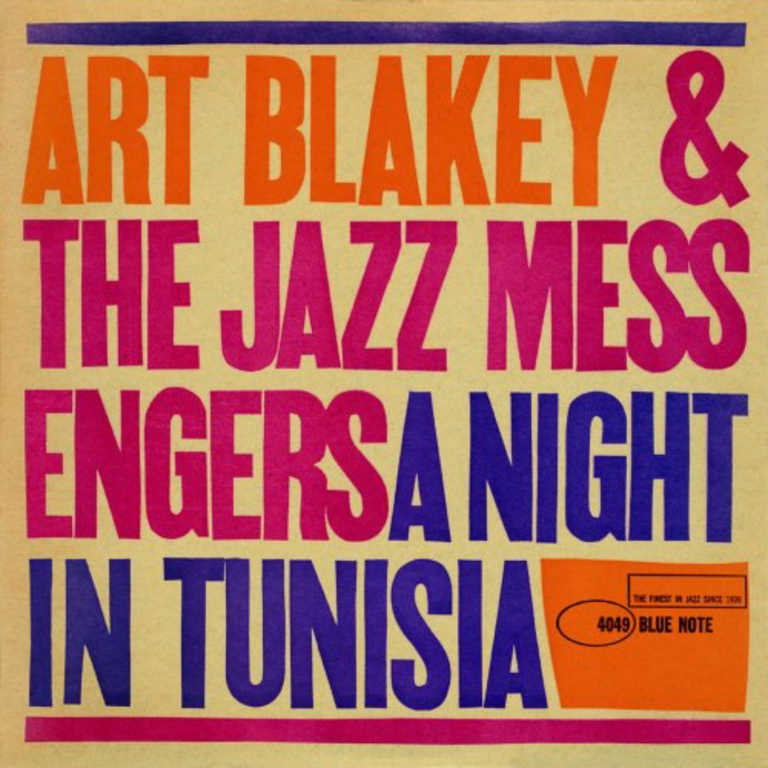
ART BLAKEY & THE JAZZ MESSENGERS A Night In Tunisia
Available to purchase from our US store.One of the most funky and fiery of all the Blue Note Hammond B-3 great was Dr. Lonnie Smith whose “Think” album from 1969 contained two jazz dance cuts. Featuring Lee Morgan on trumpet, Melvin Sparks on guitar and Pucho on percussion “Call of the Wild” appeared in Snowboy’s Top 30 next to McCoy Tyner’s “Love Samba”. The funky jazz number “Three Blind Mice” was a big spin of Dr Bob Jones, one of the most important DJs on the Southern soul and jazz funk circuit of the mid ‘70s.
Another big favourite of Blue Note fan Dr Bob Jones, Jimmy Smith was an icon to both the mod and jazz dance scenes. It’s hard to pick between the two title tracks for his Blue Note and Verve LPs “Back at the Chicken Shack” and “The Cat” recorded at Van Gelder Studio in 1963/4. Both made Bob Jones’ chart in Snowboy’s book but “The Cat” nudges it for raw funkiness.
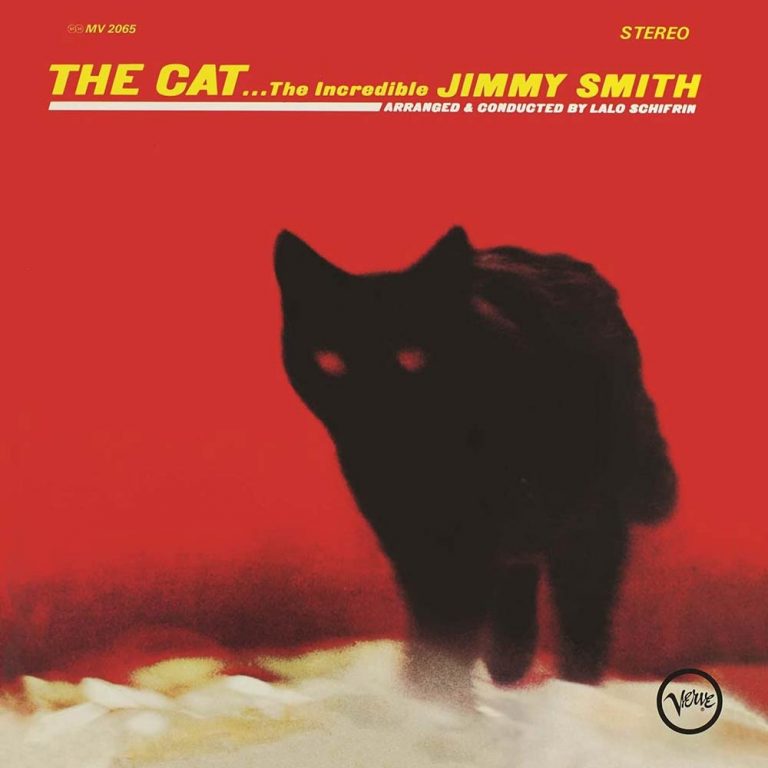
JIMMY SMITH The Cat
Available to purchase from our US store.While jazz dance really became a scene in the late ‘70s and early ‘80s, clubs like The Goldmine and Lacy Lady in Essex hit the jazz hard in the mid 1970s through the pioneering DJ Chris Hill of the so called Soul Mafia. Alongside the soul, jazz funk, and fusion, Hill (who sadly passed away in September 2025) introduced dancers to Blue Note artists like Lee Morgan whose ‘Sidewinder’ would be played by DJs on the jazz dance scene across the years.
Donald Byrd was a legend of the jazz funk scene with his Mizell Brothers produced albums during the George Butler era of Blue Note of the early to mid ‘70s that spanned such classics as “Dominoes” and “Space & Places”. But he was also responsible for the heavy space jazz of “Kwame” that featured on his incredible “Live: Cooking with Blue Note at Montreux”, dropped to killer effect by Gilles Peterson at the Dingwall’s Christmas party in 2024. Play loud.
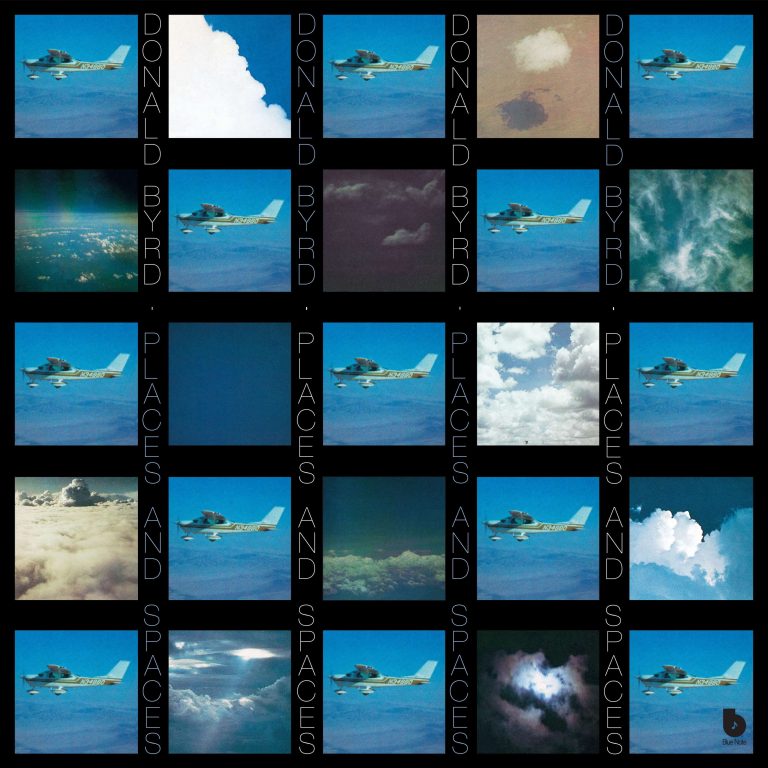
DONALD BYRD Places and Spaces
Available to purchase from our US store.The group La Clave was formed by Benny Velarde in San Francisco in the early 1970’s. Taken from their self titled album for Verve from 1973 “Latin Slide” was the kind of Latin bomb the jazz dancers rushed to the floor for. It featured on the 1995 “Talkin’ Verve” album, compiled by Gilles Peterson alongside some of the many Latin, soul jazz and bossa records for the label that became staples on the jazz dance scene.
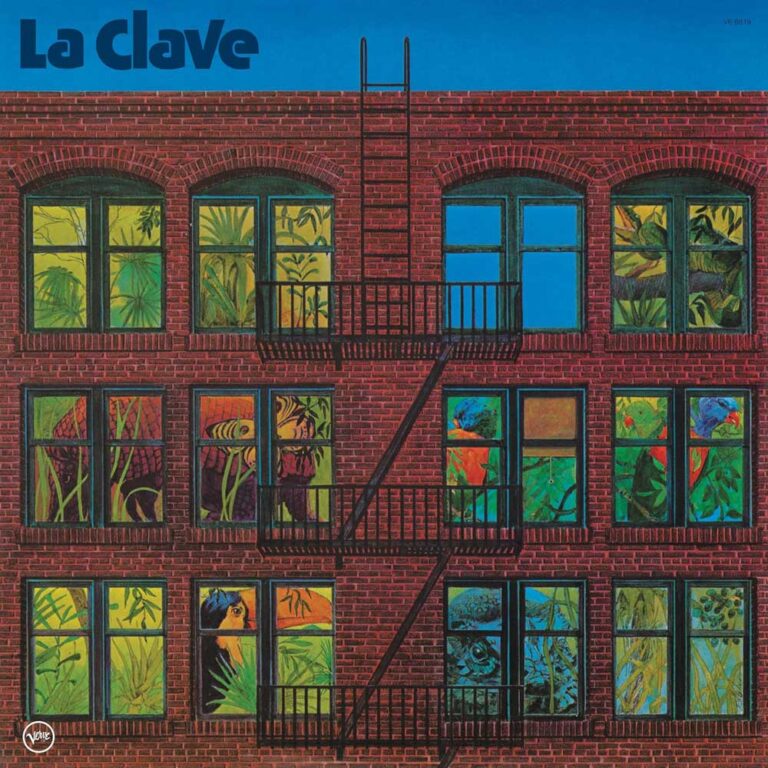
LA CLAVE La Clave
Available to purchase from our US store.READ ON…
The Story of the British Jazz Explosion in the 1960s
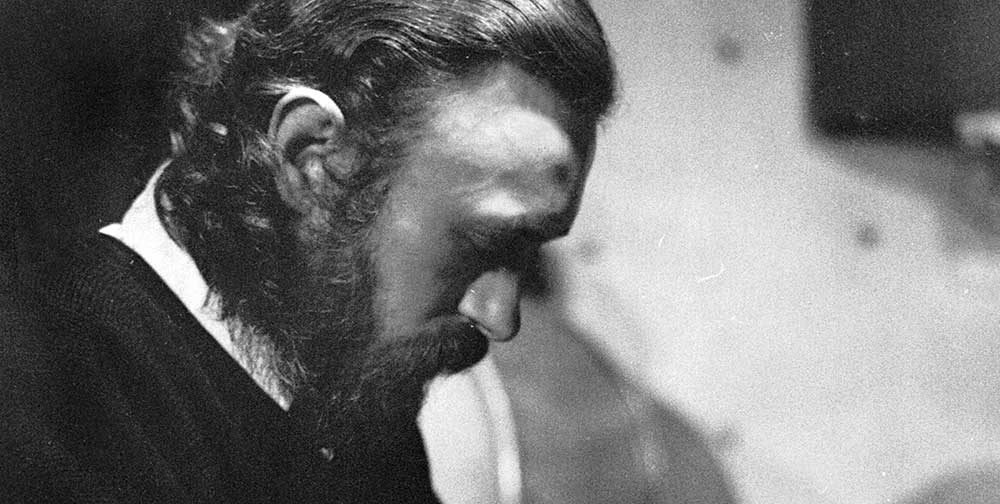
Mike Taylor – The British Jazz Pianist’s Story of Vision and Tragedy
Andy Thomas is a London based writer who has contributed regularly to Straight No Chaser, Wax Poetics, We Jazz, Red Bull Music Academy, and Bandcamp Daily. He has also written liner notes for Strut, Soul Jazz and Brownswood Recordings.
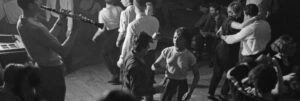
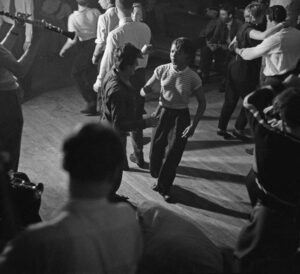
Header image: British clarinettist Cy Laurie (1926-2002; visible top left-hand corner) performing for club goers on the dancefloor at his jazz club, Blue Heaven, in Ham Yard, Soho, London, England, July 1954. Original publication: Picture Post – 7208 – ‘Blue Heaven In The Basement’ – pub. 10th July 1954, Vol 64, No 2. Photo: Charles Hewitt/Picture Post/Hulton Archive/Getty Images.