
“If you can’t manage to put tinges of Spanish in your tunes, you will never be able to get the right seasoning, I call it, for jazz,” Jelly Roll Morton famously told musicologist Alan Lomax in his Library of Congress sessions in 1938.
This tinge was actually a syncopated Afro-Cuban habanera rhythm with roots that reached all the way back to the 19th century in Congo Square, New Orleans, where jazz evolved out of the cultural fusion of African, Caribbean and European music.
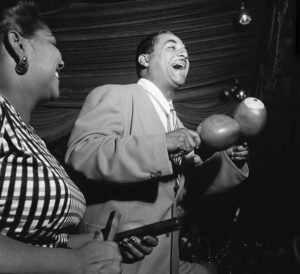
One of the founding fathers of Latin Jazz was the son of a cigar manufacturer from Havana, Francisco Raúl Gutiérrez Grillo. Better known as Machito, the singer and percussionist set up his first band, the Afro Cubans, in New York in 1940, three years after arriving in the city.
With his brother-in-law, the composer and musical director Mario Bauzá, Machito was responsible for what is considered to be the first Latin Jazz tune to be built around the Cuban clave rhythm. Composed in 1943, “Tanga” was recorded in 1949 by Machito with saxophonists Charlie Parker and Flip Phillips under the name “Jazz with Flip and Bird”.
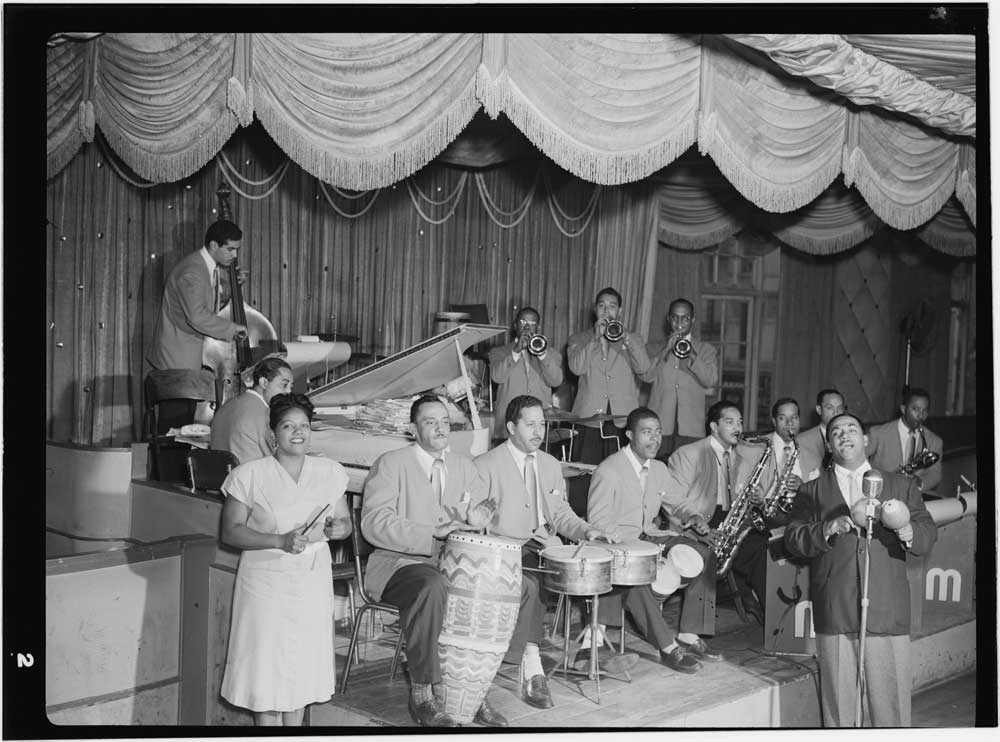
The foundational Latin Jazz standard was regularly performed at the Palladium Ballroom, which became the home of mambo through Machito, and the Puerto Rican New Yorkers who propelled Latin Jazz to great heights at Fania Records in the 1960s, Tito Puente and Tito Rodríguez.
“Tanga” would be beaten to the title of the first Latin Jazz recording by another collaboration between a Cuban and American musician. Percussionist and devotee of the Cuban faith of Santeria, Chano Pozo was one of a list of Cuban Congo players who moved to New York in the late 1940s and early 1950s to become leading lights in Latin Jazz including Cándido, Mongo Santamaría, and Francisco Aguabella.
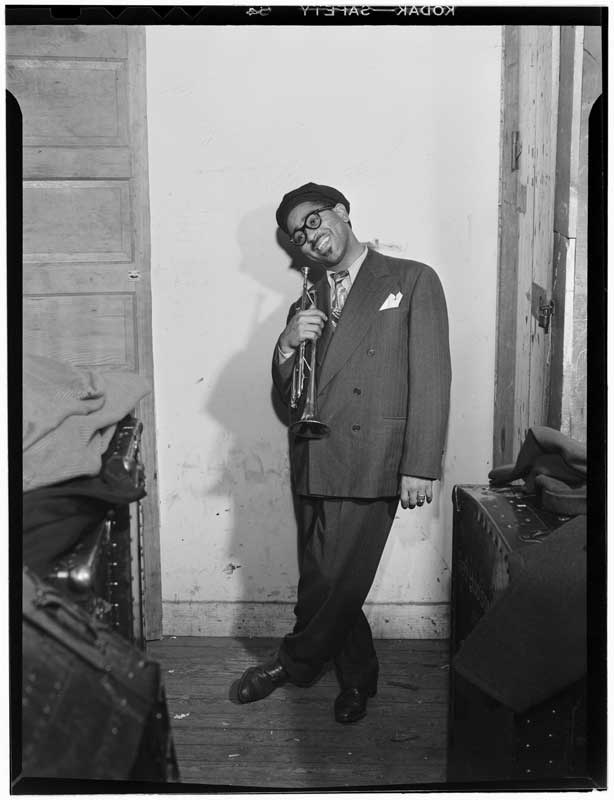
On his arrival in New York in 1947, Pozo was introduced to Dizzy Gillespie by Mario Bauzá. Fusing the Afro-Cuban rythmns of Pozo with Dizzy’s big band arrangements, “Manteca” became the most influential Afro-Cuban record of all time thanks to the involvement of the legendary bebop trumpeter.
Another pioneer to arrive In New York from Havana in the late 1940s was composer, arranger and trumpeter Chico O’ Farrill. After starting a fruitful partnership with Benny Goodman, he brought together Machito and Charlie Parker for the Afro-Cuban Jazz Suite in 1950, before forming the long running Afro-Cuban Jazz Orchestra.
By the mid-1950s, the term Latin Jazz was in common use by American journalists to describe anything with a Cuban flavour. But the term would also come to be applied to collaborations between American musicians and those of another Latin American country with an ongoing dialogue with jazz.
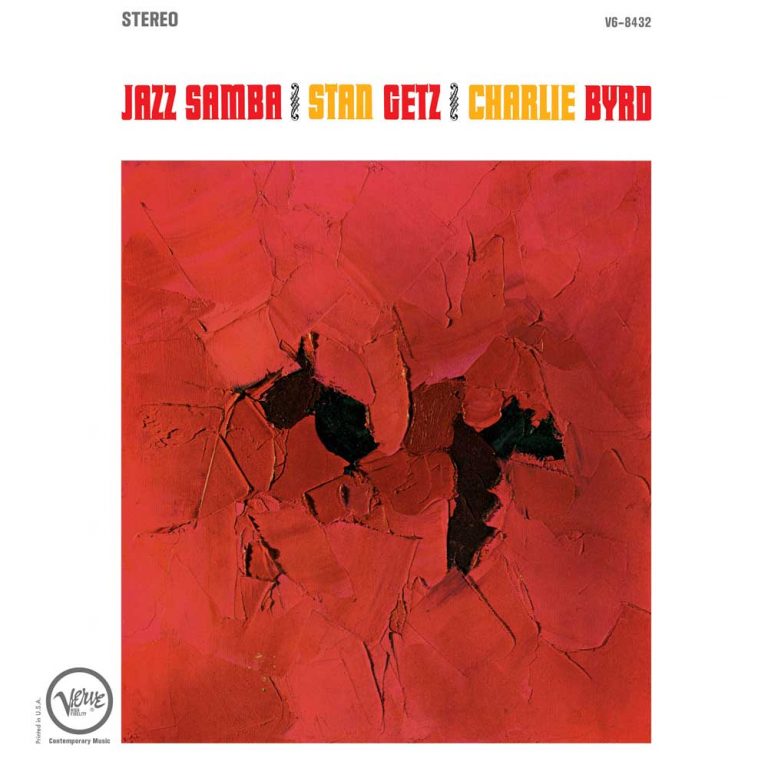
STAN GETZ & CHARLIE BYRD Jazz Samba
Available to purchase from our US store.Originating in Rio de Janeiro in the mid-1950s through its key architects Antônio Carlos “Tom” Jobim and João Gilberto, bossa nova spread to the United States through artists who had visited Brazil like guitarist Charlie Byrd. In 1962, after hearing Byrd play bossa novas in his sets, saxophonist Stan Getz invited him to record what would be the first bossa nova album recorded by American jazz musicians.
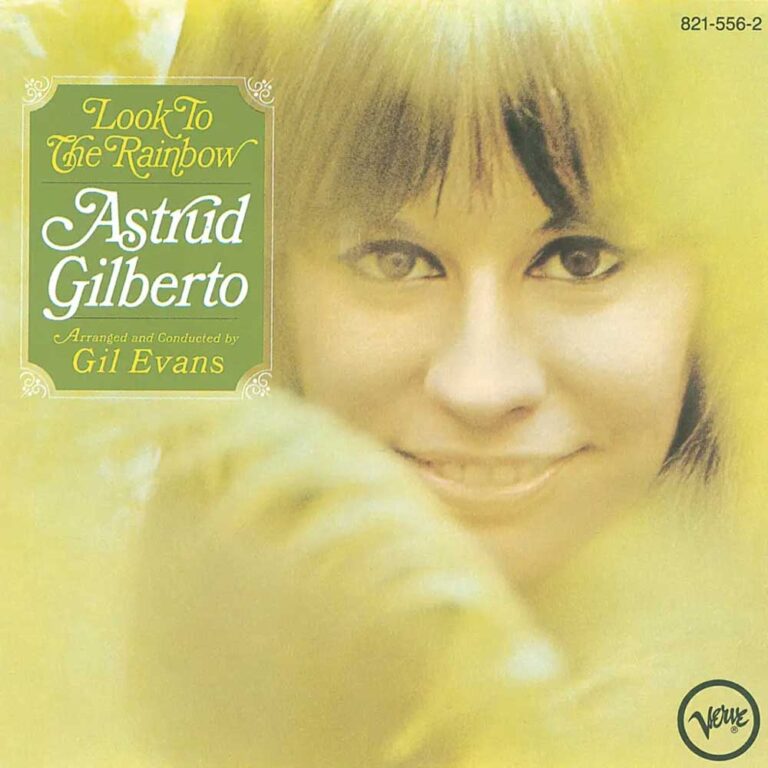
Astrud Gilberto Look To The Rainbow
Available to purchase from our US store.“Jazz Samba” was followed by the 1964 album by Stan Getz & Joao Gilberto that further propelled bossa nova into the American public’s imagination. The home of these albums was the Verve label, whose producer Creed Taylor brought bossa to the masses through Brazilian singer Astrud Gilberto. She became the label’s biggest star, best known for her five million seller “The Girl from Ipanema”, and released 12 albums on the label through the 1960s including the sublime “Look To The Rainbow” with arranger Gil Evans.
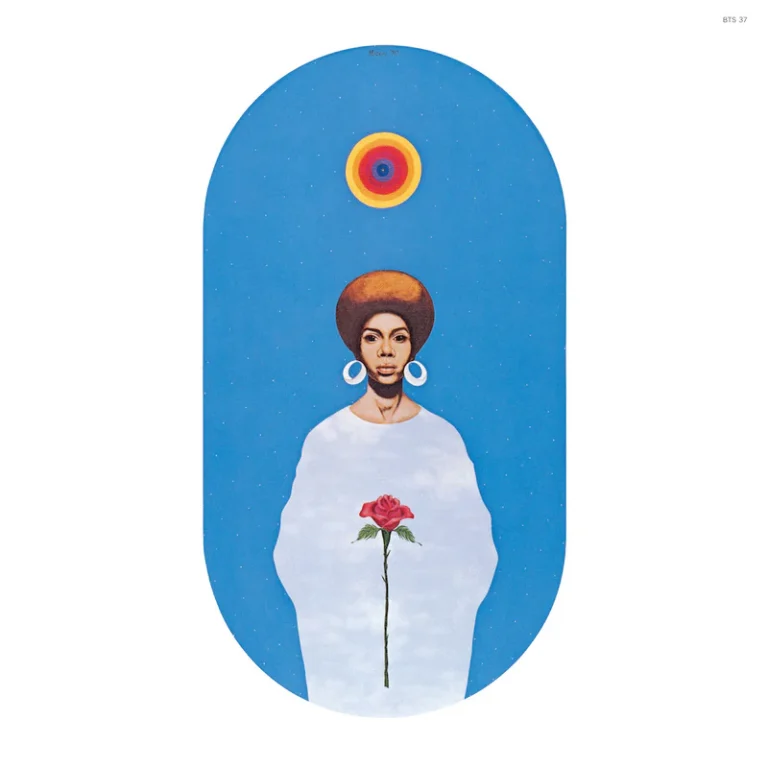
LUIS GASCA For Those Who Chant
Available to purchase from our US store.While New York was undoubtedly the epicentre of Latin Jazz, over in San Francisco Cal Tjader created his own West Coast sound through 12 albums for Verve in the 1960s, that became mainstays of the Acid Jazz scene of the 1990s. Other San Francisco artists tapped into the creative energy of the psychedelic scene. Among them was Texan-born Mexican trumpeter Luis Gasca, whose 1972 album on Blue Thumb featured Carlos Santana, fusion drummer Lenny White, bassist Stanley Clarke and a nine-piece percussion section. One of the heaviest Latin Jazz albums ever recorded, “For Those Who Chant” still sounds progressive more than 50 years on.
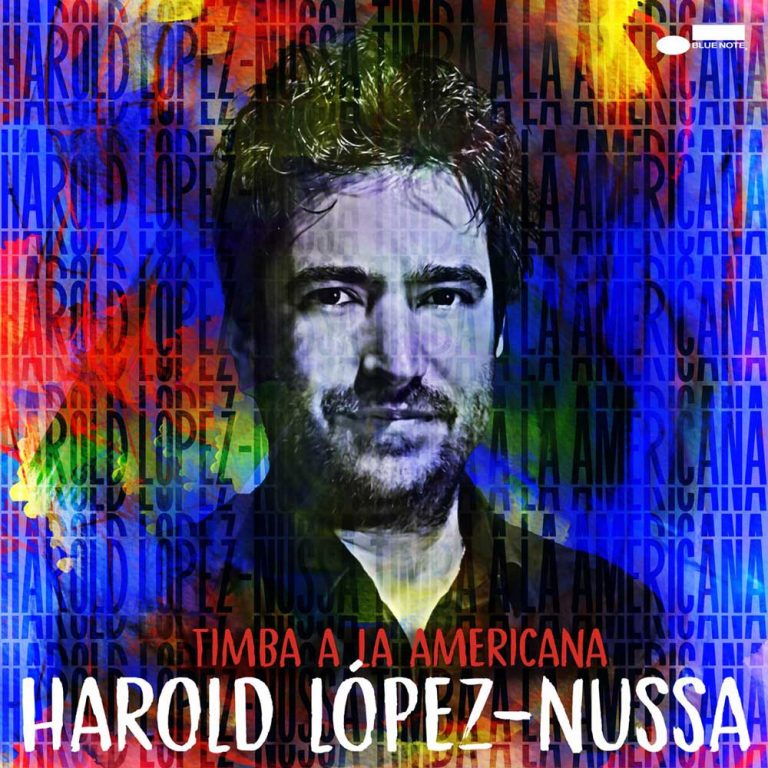
HAROLD LÓPEZ-NUSSA Timba a la Americana
Available to purchase from our US store.So where are the progressions in Latin Jazz today? One of the artists making waves is Blue Note pianist Harold López-Nussa, who is taking a resolutely progressive approach to the music of his forebears. Released in 2023, two years after his move to Toulouse, “Timba à la Americana” breathed new life into the format, with López-Nussa and Snarky Puppy’s Michael League reimagining the old clave patterns of Cuban music through modern electronics and studio experimentation.
Another Blue Note pianist dedicated to the advancement of the music is Arturo O’Farrill, who took on the Latin Jazz mantle from his father Chico O’Farrill when he passed away in 2001. Now leading The Afro-Latin Jazz Ensemble, a scaled-down edition of his father’s Orchestra, he is continuing the legacy of legendary Latin Jazz pianists at Blue Note like Chucho Valdés and Gonzalo Rubalcaba.
As for the future of Latin Jazz, it will continue to evolve while staying true to its roots, as it always has done through its mix of African, Caribbean, Brazilian and European sounds.
READ ON…
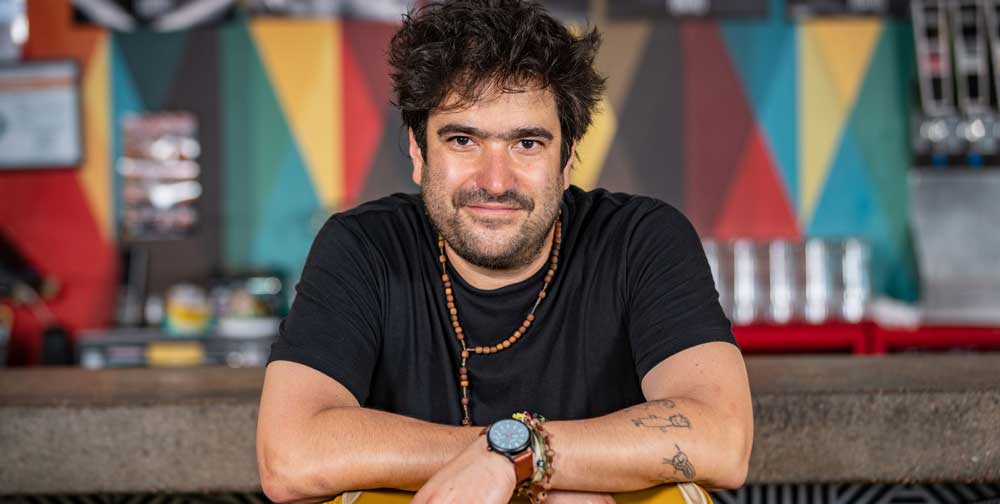
Harold López-Nussa: Pushing Latin Jazz Forward
5 Latin Jazz Must-Have Albums
Andy Thomas is a London based writer who has contributed regularly to Straight No Chaser, Wax Poetics, We Jazz, Red Bull Music Academy, and Bandcamp Daily. He has also written liner notes for Strut, Soul Jazz and Brownswood Recordings.