
Combining piano and voice is a rare skill. Think about what singer-pianists have to do. They juggle playing, improvising, band leading, singing, and engaging the audience all at once. The magic they create is undeniable. As they strike the first chord and take a deep breath before singing, something seemingly simple becomes profound. From Hazel Scott to Ray Charles to Diana Krall, the artists who master this craft are rightly celebrated. Here are some more remarkable artists explaining what led them to become singer-pianists.
Nina Simone (1933-2003)
Some musicians follow a clear path; others have to adapt. After Nina Simone was denied entry to a classical conservatoire because of her race, she began performing jazz, blues and pop songs in New York Clubs because she needed money to support herself and her family. That eventually led to her international career as a singer-pianist. But she never really ever got over that rejection. Saying in a 1991 interview, “I regret not becoming a classical performer because the audience appreciates it, but I don’t think I would have made as much money.“ Yet, without this setback, we wouldn’t have “My Baby Just Cares for Me” or the searing “Mississippi Goddamn” written in response to the 1963 bombing of the 16th Street Baptist Church. The entire album “Nina Simone in Concert” remains a benchmark for singer-pianists.
Jon Batiste (born 1986)
Jon Batiste follows in Simone’s footsteps, blending classical music and Black American traditions. He first sang in commercials before realising his introverted nature suited piano. Encouraged by his mother, he refined his skills by transcribing video game music.
He recently explained his approach to piano playing: “With my left hand, I create a bass and drum effect, while my right hand expresses my emotions. I can slide, cry, and even dance while I play.” His latest album, “Beethoven Blues”, showcases his fusion of classical and improvisation. His advice for singer-pianists is to: “Find your sound… because it’s already within you. You have to meet yourself. You have to be okay with sounding bad for a long time. If it’s experimental for you, do it.” Recommended listening: the effervescent “Freedom” from the album “We Are.”
Sarah Vaughan (1924-1990)
Known for her rhythmic instinct and melodic creativity, Sarah Vaughan’s piano skills were equally impressive. She began playing at seven and later joined the Earl Hines Orchestra as a singer and second pianist after winning an amateur contest at the Apollo Theater.
Dizzy Gillespie wrote, “Sarah was as good a musician as anybody in the band. She could play the piano, knew all the chords, and played terrific chords behind us.” In a 1961 Downbeat interview, she explained, “While playing the piano in the school band, I learned to take music apart, analyse the notes, and put it back together again. By doing this, I learned to sing differently from all the other singers.” She often accompanied herself in concerts, showcasing top-tier musicianship, playing with intros that included snippets of classical music and children’s lullabies before launching into fully fledged jazz songs. A key album to understand how her musicianship is expressed vocally is her 1955 Grammy Hall of Fame record, “Sarah Vaughan with Clifford Brown.”
Blossom Dearie (1924-2009)
Blossom Dearie was from a non-musical family, yet she instinctively played piano as a child. She then became part of acapella vocal groups before becoming a renowned singer-pianist. In a 1966 interview, she said, ‘“A lot of musicians say they can’t play and sing at the same time, and singers claim they can’t sing and play simultaneously. For me, it’s all just one and the same thing.”’ She continued, “Many accompanists play too loudly for vocalists. Many talented jazz pianists struggle with this because accompanying requires a different skill set. It’s a talent on its own; playing excessive notes and arpeggios often becomes a distraction.”
Accompanying herself enabled her to play sparingly yet intentionally, creating space for her light but evocative voice. Recommended listening: “They Say It’s Spring” from the album “Blossom Dearie: Great Women of Song”.
Shirley Horn (1934-2005)
Miles Davis called Shirley Horn his favourite singer, and it’s easy to see why. I was fortunate to see her perform at an intimate concert in Chicago – every note felt suspended in time. Her rendition of “Here’s to Life” had the audience holding their breath before she languidly landed on the next note. This wasn’t laziness but a masterclass in control. And she could swing, too, as proven on her Ray Charles tribute album. Check out her version of “Hit the Road Jack” from “Great Women of Song: Shirley Horn.”
The journey of how these artists achieve synergy between piano and voice may vary. Still, an almost indescribable magic exists – an intense connection between their voices, instruments, and audiences. Through this synergy, they push boundaries and redefine what is possible, challenging traditional norms of music. Take a listen, marvel at their dexterity, and celebrate their genius.
READ ON…
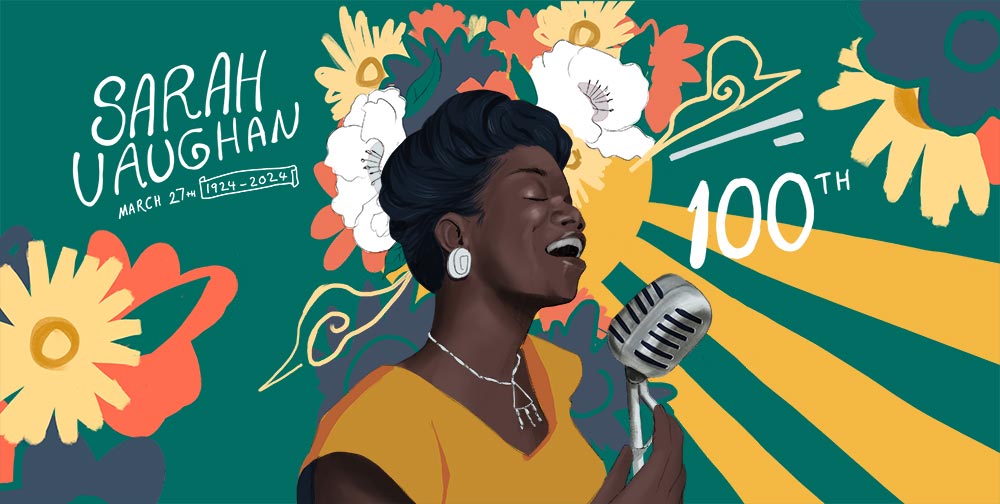
The Divine One – The Story of Sarah Vaughan
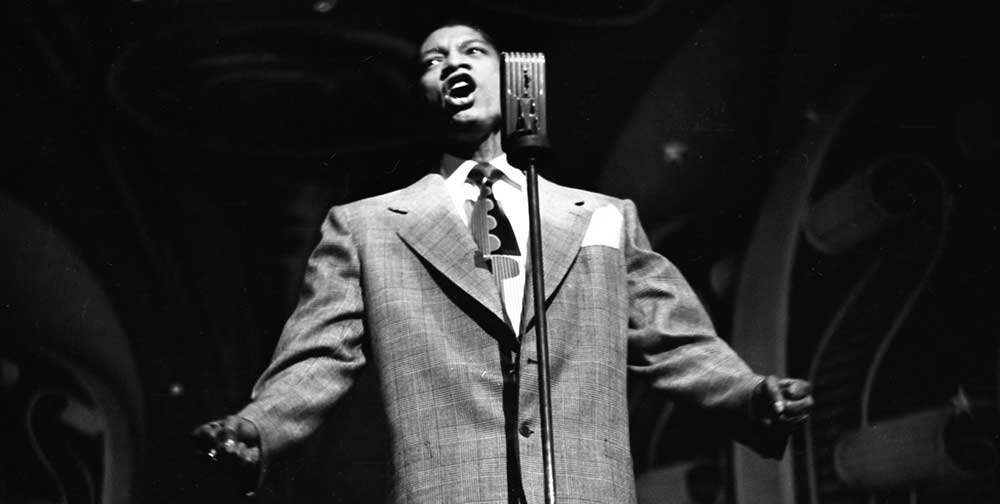
When they are singing and playing from the same hymn sheet
Jumoké Fashola is a journalist, broadcaster and vocalist who currently presents a range of Arts & Culture programmes on BBC Radio 3, BBC Radio 4 & BBC London.
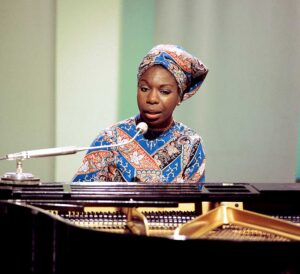
Header image: Nina Simone performs on a television show at BBC Television Centre in London in 1966. Photo: David Redfern/Redferns.