“The first thing that struck me about hearing Pharoah was his way of interpreting the intensity of Coltrane and his sound,” Shabaka Hutchings told me in 2018. “He had that vision of what being rooted to such a powerful sound can be. And that powerful sound is something that liberates the function of being a musician from simply being a musician into being a healer in some way.”
Of Pharoah Sanders’ 11 outings for Impulse! that began in 1967 with “Tauhid”, the Bob Thiele produced 1969 album “Karma” with singer Leon Thomas is his best known. However, the five subsequent albums produced by Ed Michel who took over from Bob Thiele in 1970 when he left to start his Flying Dutchman label, are perhaps even more essential.
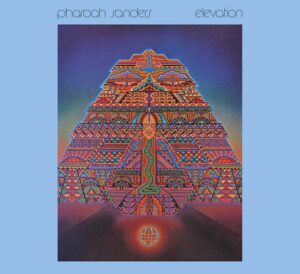
The five studio albums recorded between 1970-4 “Jewels of Thought”, “Summun Bukmun Umyun – Deaf Dumb Blind”, “Thembi”, “Village of the Pharoahs”, and “Love In Us All” are widely regarded as the greatest run of spiritual jazz albums by any artist. But to hear the full force and spiritual intensity of Pharoah during this time you really need to also pick up this live album recorded at The Ash Grove, Los Angeles in 1973.
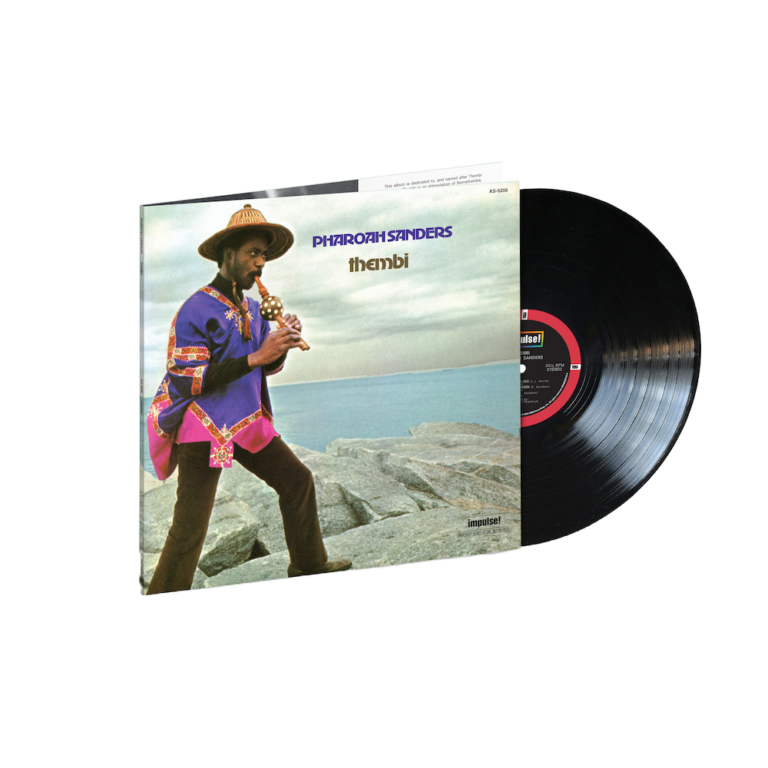
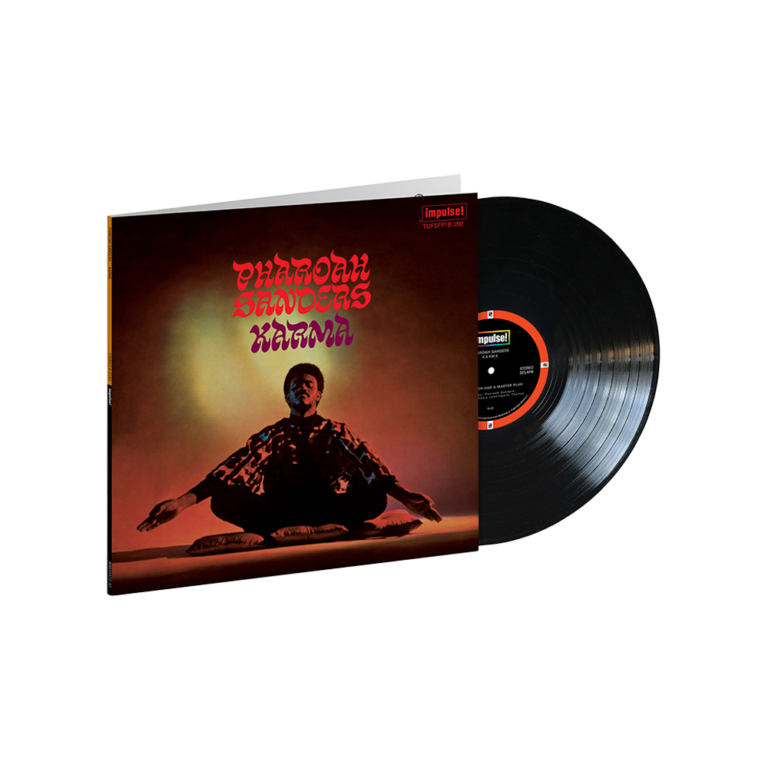
Pharoah Sanders Karma (Verve Acoustic Sounds Series) LP
Opening in 1958 at 8162 Melrose Avenue, The Ash Grove was dubbed the “West Coast University of Folk Music” by singer Ross Altman. But alongside the legends of folk – from Joan Baez to John Fahey – founder Ed Pearl also booked world and jazz musicians such as Ravi Shankar and saxophonist John Klemmer who recorded two live albums there. The warm and intimate surrounds and socially conscious ethos would make The Ash Grove the perfect setting for one of Sanders’ most exploratory albums.
As powerful and transcendent as Pharoah was as a musician it was the incredible players he brought together that enabled his music to soar to the heights he strove for. “I just want to start out playing music and see wherever it will go into and let it do what it wants to,” Pharoah told Canada’s Coda magazine in July 1967. “I’m just trying to let things happen. But then you need people with you who are able to realize when it starts to happen and who have the mental ability to release that energy you need to create.”
Taking to the stage over the nights of 7th and 9th September 1973 was a serious line up of musicians who connected intuitively to Pharoah’s rebellion against the constraints of Western jazz and the sonic freedom that came from that.
A regular in Pharoah’s live band since the early 1970s, percussionist Lawrence Killian had appeared on “Black Unity” before joining Sanders regular pianist Lonnie Liston Smith & Cosmic Echoes. Alongside him at The Ash Grove were percussionists John Blue and Jimmy Hopps with another Lonnie Liston Smith associate, drummer Michael Carvin who was shortly to record “Antiquity” with Jackie McLean. Like Carvin, pianist Joe Bonner, who had joined Pharoah for “Wisdom Through Music” in 1973, would also go on to record sought after albums for Muse Records. And taking over from Pharoah’s regular bass player, the great Cecil McBee, was Calvin Hill fresh from sessions with McCoy Tyner and “Village of Pharoahs” recorded the same year.
Consisting of four original compositions by Pharoah and one by Nigerian ju ju/highlife artist Ebenezer Obey, the set was further evidence of Sanders’ genius as a writer as well as player. “Elevation” opens the set with Pharoah’s horn soaring majestically over a sea of bells and shakers as Calvin Hill and Joe Bonner augment the meditative flow. As with many Pharoah numbers the calm melodic transcendence is disturbed by an explosive eruption of free jazz noise as Sanders unleashes one of the fieriest passages he recorded for Impulse! Like a balm after the burn “Elevation’”moves serenely toward its 18 minute conclusion.
The peacefulness continues with the one studio number “Greeting To Saud (Brother McCoy Tyner)” steered by the drone of Calvin Hill’s tamboura and blissful piano of Joe Bonner with a contribution from Impulse! violinist Michael White. Originally appearing on Ebenezer Obey And His International Brothers’ 1969 album “In London”, “Ore-Se-Rere” is a joyous piece of highlife that Mark De Clive Lowe resurrected beautifully with singer Dwight Trible on his 2022 album “Freedom (Celebrating The Music Of Pharoah Sanders)”.
Becoming a signature live piece for Pharoah, “The Gathering” was the leader’s call for community togetherness. Symbolic of that was the power and interplay of his ensemble that drives the number into the kind of deep spiritual jazz that continues to inspire the next generation – from Isaiah Collier in Chicago to Nat Birchall in Manchester.
Open your mind with the finest in spiritual jazz.
The album closes with the appropriately entitled “Spiritual Blessing” with Pharoah’s sublime horn augmented by the drone of Calvin Hill’s tamboura and deep hum of Joe Bonner’s harmonium.
Shortly after the performance, The Ash Grove burned down in a suspected arson attack and the album notes provide a thank you from producer Ed Michel to Ed Pearl for providing a space for music in Los Angeles.
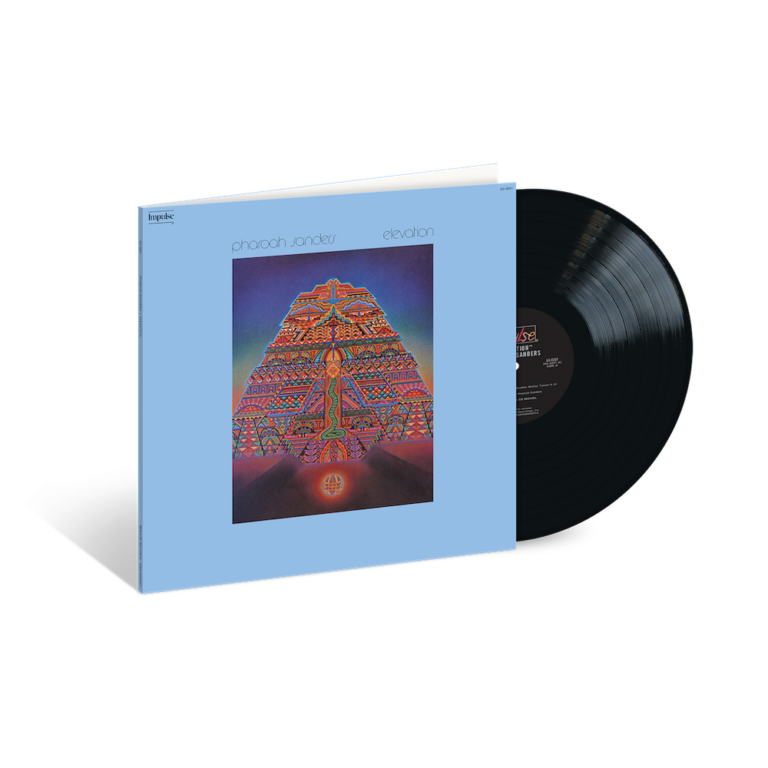
Deep, essential and now available on 180g vinyl as part of the Verve Vault series
READ ON…
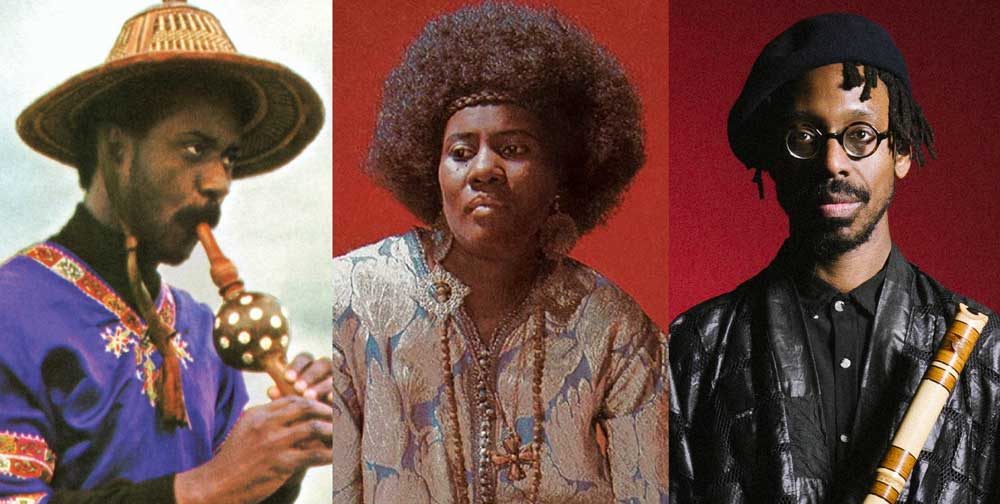
What is Spiritual Jazz?
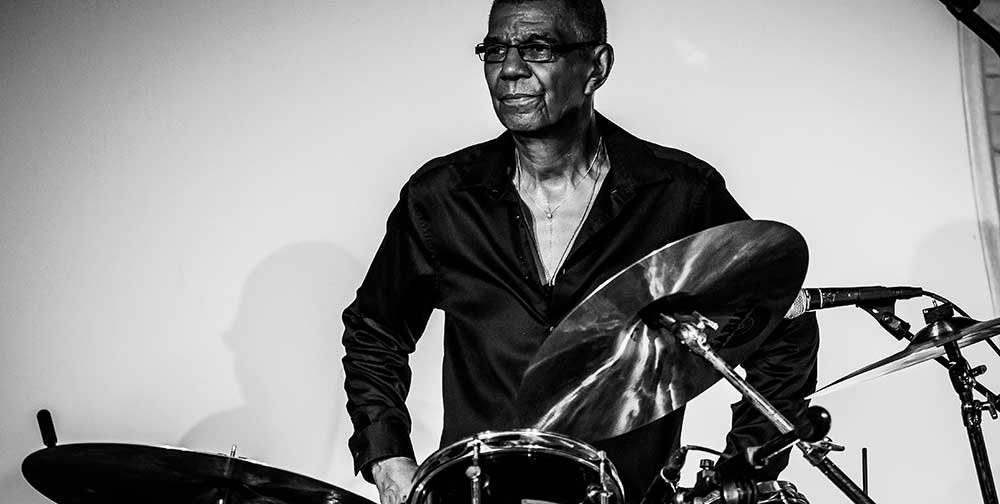
Jack DeJohnette in Six Classic Performances
Andy Thomas is a London based writer who has contributed regularly to Straight No Chaser, Wax Poetics, We Jazz, Red Bull Music Academy, and Bandcamp Daily. He has also written liner notes for Strut, Soul Jazz and Brownswood Recordings.