

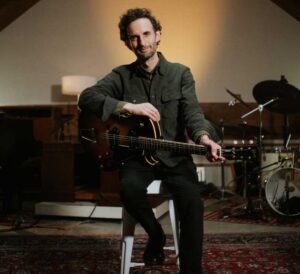
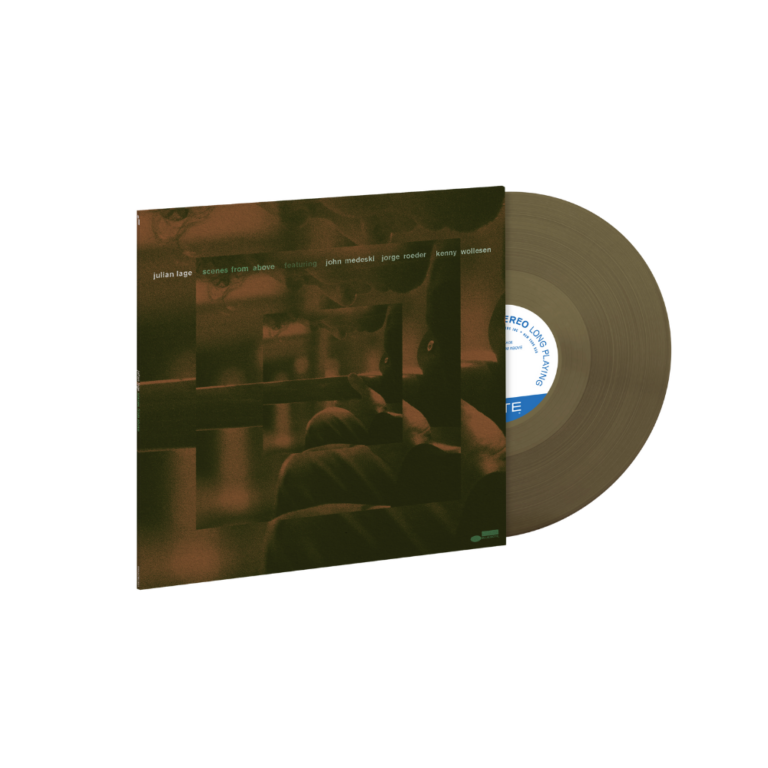
Julian Lage’s new album “Scenes From Above” flows from all of the above. It’s an exceptionally warm and open record, containing shades of jazz, blues and what he refers to as ‘folkloric music’, say, the songs of legendary Peruvian singer-songwriter Susana Baca or early calypso.
The origin story of this fifth album for Blue Note tracks back to Lage’s four-day residency at west coast festival SFJAZZ in 2024. One element of his contribution was the premiere of a new quartet made up of old friends who hadn’t previously recorded together: long-term bassist Jorge Roeder, Kenny Wollesen on drums and keyboardist John Medeski.
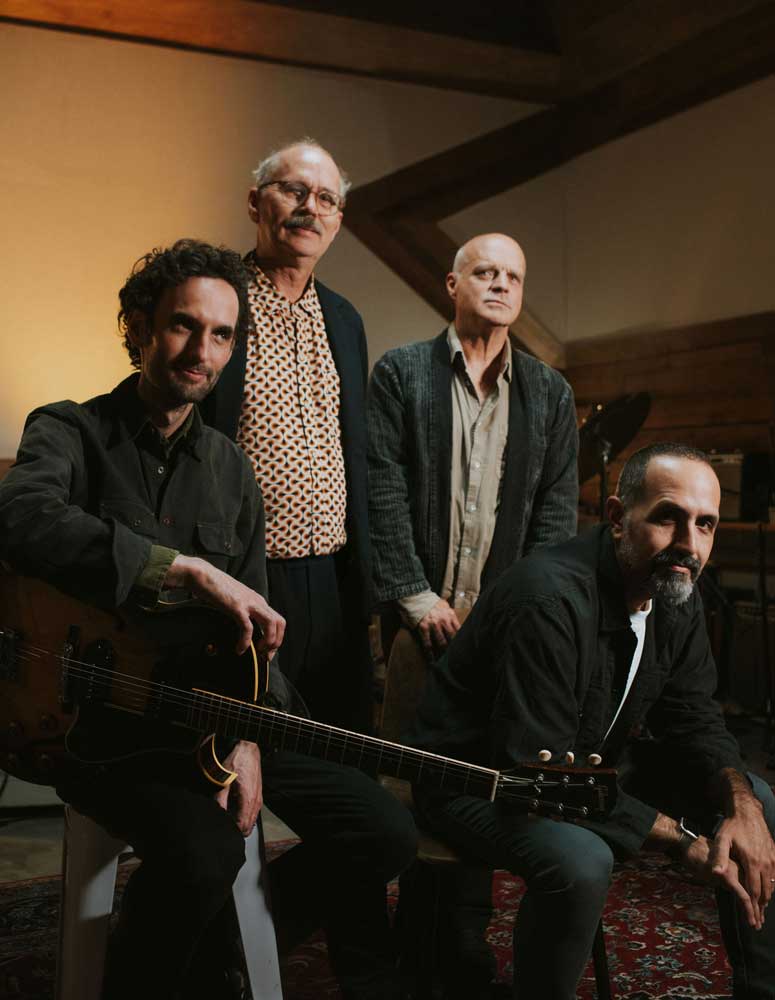
The seed was planted. In collaboration with producer Joe Henry, it would grow into the nine compositions that comprise “Scenes From Above”, recorded over two days at New York’s legendary independent studio Sear Sound. The music contains a sense of generosity; the players playing with each other instead of showboating.
It was, Lage says, intentionally in service of the music. “If I came with an agenda to prove my strengths as a player, that would be the antitheses of serving the music,” he explains. His teachers, who he lists out – his father Mario Lage, early teacher Randy Vincent, Mick Goodrick, Ali Akbar Kahn and Gary Byrne – all referenced the importance of humility and knowing when to lay out. Or as he says: “put your intention on the music and all the intelligence is there. It’s a lifelong practice.”
Emma Warren: Across the UK jazz scene, there are multiple jams and hangs, across a wide range of skill, style and experience. How do jams or hangs factor in your life?
Julian Lage: We live in the suburbs so people come here to play or we’ll drive in. I’ve always got the sense, though, that the London jazz scene behaves quite differently to New York. Everything I hear reminds me of the loft scene in the ‘70s or ‘80s. There’s a communal thing. New York has that, but it’s a different tempo.
EW: Your work, and this record, seems very relationship-based…
JL: Shared experiences give a sense of infrastructure where you don’t feel so alone. You’re part of a community of thinkers and feelers and players. That fosters a sense of adventure. I felt my job was to write just enough to give us an excuse to show up at the studio, but not so much that it was an impediment to the conversation.
EW: What did you bring into the recording for opening tune ‘Opal’?
JL: That’s the only song that was ostensibly through-composed. It wasn’t – ironically – about improvisation. We tried that, but at the end of the day we recorded what was written, three times through the cycle with a few variations. The heartbeat is Kenny’s rhythm. As a player you want to stay in that feel, in the song. You don’t want it to end.
EW: What musical conversations did you want to have?
JL: Of primary importance was that we addressed the orchestration of organ and guitar so it didn’t feel like a funk project, or another trope. There’s a melancholy spirit or poetry to this writing. A reflective ensemble approach, working together with a sense of unity. More space.
EW: You once described improvisation as ‘discovery within a network of support’. Can you elaborate on what that means for this record?
JL: Firstly, the musicians – we’ve been around each other for years, with certain shared life experiences. We’ve all been part of John Zorn’s recordings, tours, shows. That gives a shared conceptual understanding. Maybe it’s urgency, maybe it’s a desire to celebrate relationships.
EW: I once heard British jazz musician, bandleader and composer Cassie Kinoshi describe improvisation as ‘community activity’…
JL: That’s cool. Beautiful. I completely agree. I’d add that improvisation has a deep lineage. It’s a structured tradition and it has a million sub-categories. Paul Bley is very different to John Abercrombie or Louis Armstrong, yet it’s all connected. It’s not jumping off a cliff without a parachute. I get a bit disappointed when people sell improvisation as zany. So yes, community and structure, and it’s there for the taking.
EW: Obviously, people often talk about your mastery. Where do you think you are as a musician, right now?
JL: Implicit in that is a certain self-awareness which I think is important: to get a sense of where you are. I remember coming up and thinking you’re supposed to always hate your playing because that’s how you get better. Then, in my teens, I was around musicians who’d play a solo and go ‘that was great’. I didn’t know you were allowed to like it! It’s a simple concept but impactful. If that’s our starting point, then I’m trying to play and engage with something meaningful. I feel like I’m at the beginning.
EW: In what sense?
JL: I’m learning a lot about resonance, especially playing these [World’s Fair] solo concerts. What matters is your presence to the actual way things are. You’re highly dependent on your surroundings, and you celebrate that – ‘OK, this room does that’ – and work with it. You don’t try and be macho or get over it. I’m excited by that interdependence. I want to be responsive, to the best of my ability.
EW So that would be physical space plus the people in it…
JL: …plus your own nervous system. Your own nervous system as you play dictates how you’re processing. You might be completely misdiagnosing something because you’re running on adrenaline. You think you need more sound because you feel short of breath, when in reality you’re short of beath because you made too much sound, and now your body is trying to regulate.
EW: That’s amazing.
JL: Yep, it’s big. The best thing is that sound, in my opinion, is the healing force. We can’t see this invisible force called sound waves, but we can feel it. It’s all very humbling and exciting too.
READ ON…
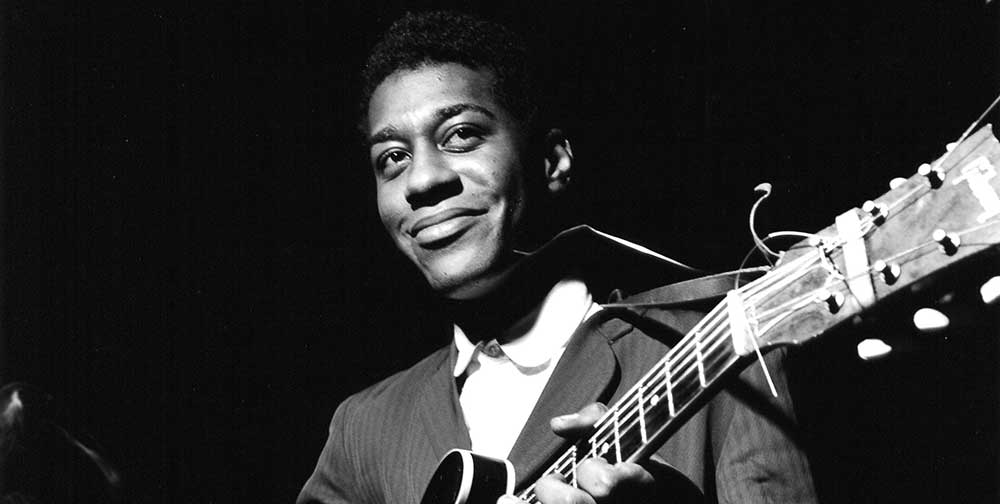
Grant Green as a Leader on Blue Note
Maya Delilah: The Long Way Round
Emma Warren has written extensively about UK jazz. Her books include Make Some Space: Tuning into Total Refreshment Centre, Steam Down: Or How Things Begin and Dance Your Way Home. Her new book Up the Youth Club is an Irish Times Book of the Year.
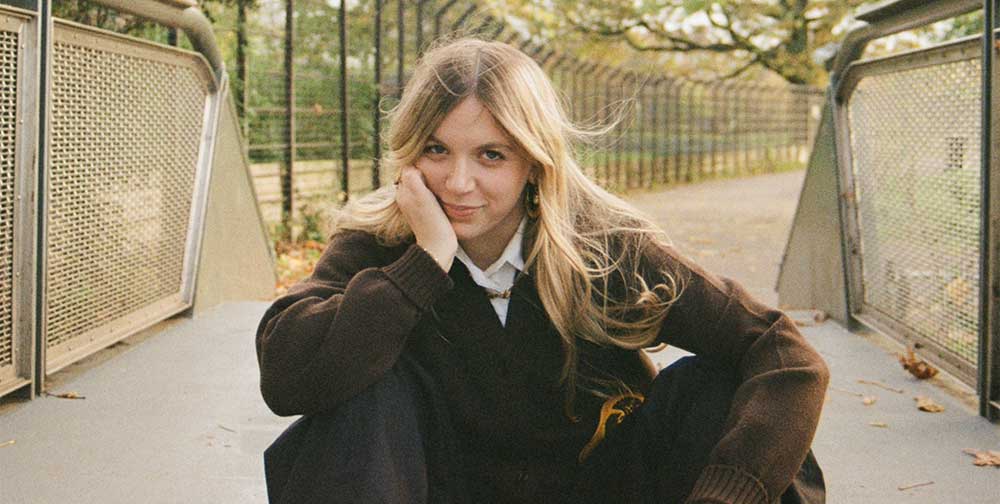
Header image: Julian Lage. Photo: Hannah Gray Hall.